From over 100,000 films, discover the handful you'll love.
Free or premium access to the world's largest documentary library.
7951 films(Page 68 of 166)
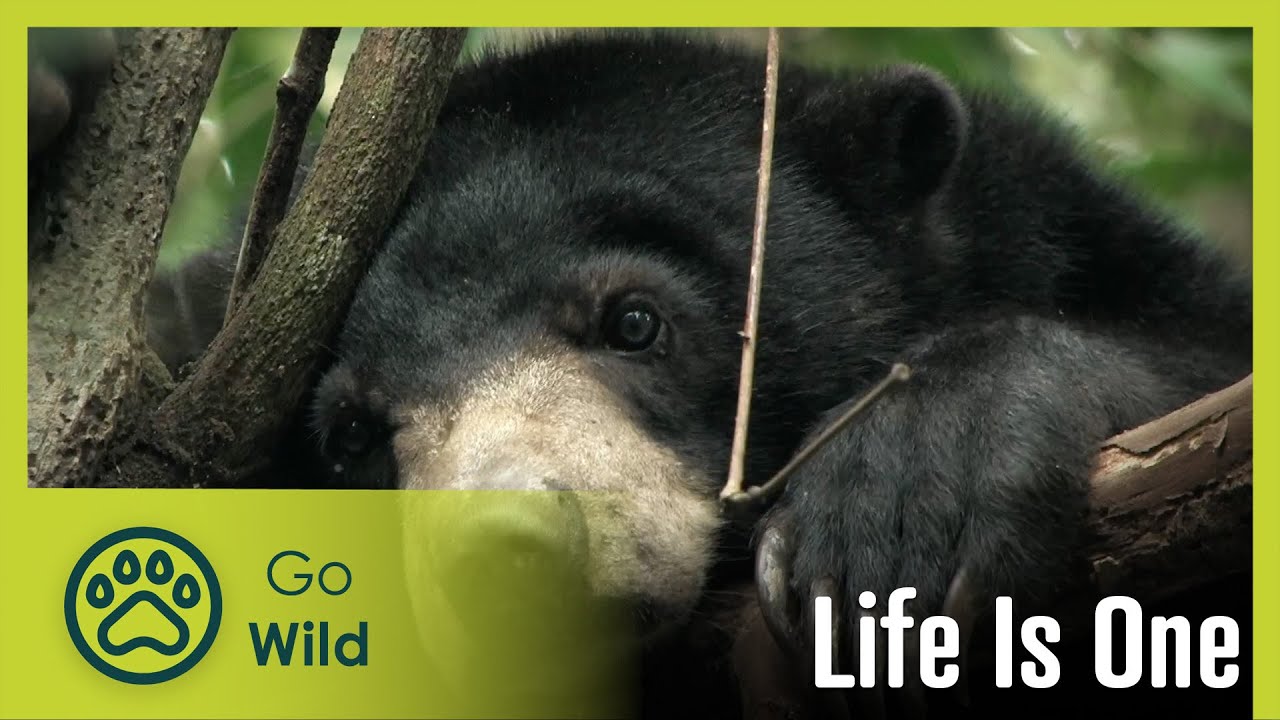
In the rainforest of Indonesia, Bernie the cub bear and two other captive sun bear cubs transition to life in the wild under the guidance of their foster parent.
Play in the animal kingdom, as shown by scientists from Europe, the United States, and Canada, is essential for enhancing intelligence, health, and survival.
In the heart of urban environments, wildlife adapts and thrives, showcasing the resilience of nature amidst human development.
Across Thailand's diverse ecosystems, wildlife navigates the constant struggle for survival, balancing the hunt for food with the threat of becoming prey.
In zoos around the world, scientists are freezing reproductive and skin cells to establish a "frozen zoo" for the preservation of endangered species.
In Zimbabwe's Kavinga Safari Camp, a lone lion confronts rival males while hunting an elephant calf, showcasing the harsh realities of survival in the wild.
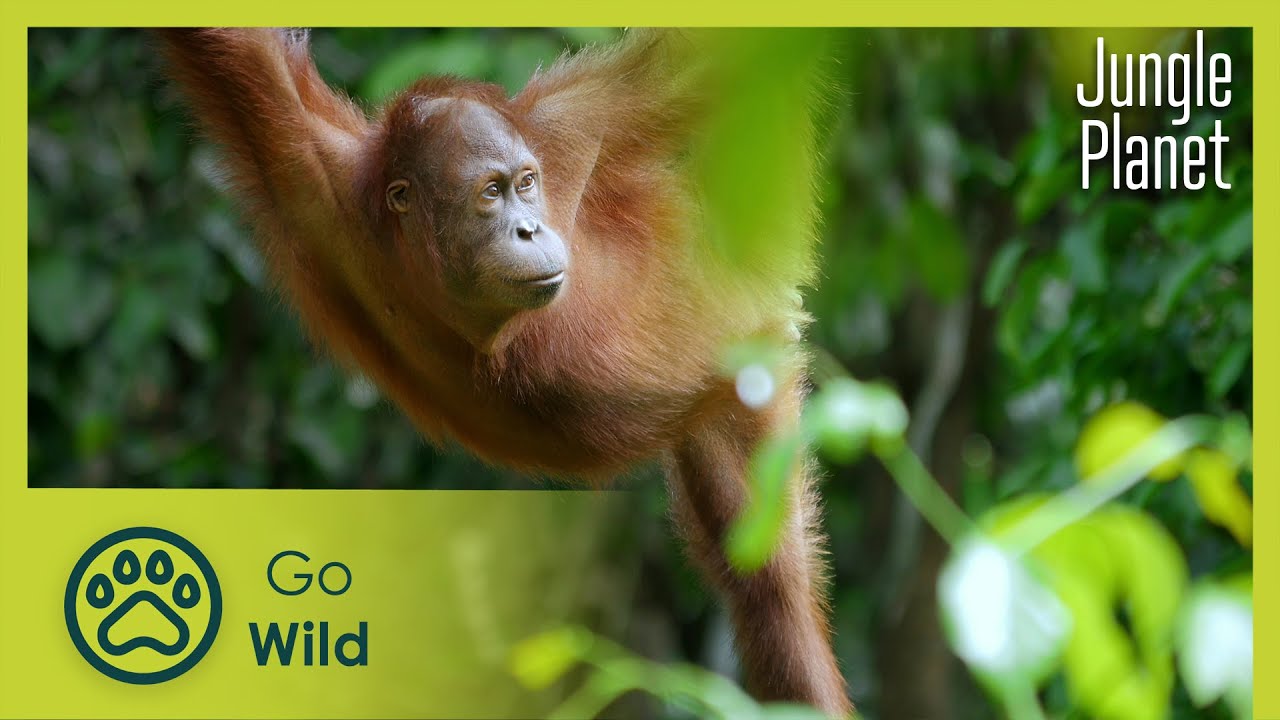
Borneo and Southeast Asia's ancient jungles, nearly 15 million years old, host unique wildlife including orangutans, sun bears, and giant rafflesia flowers.
Canadian wildlife specialists work to preserve endangered species such as whooping cranes, bighorn sheep, and polar bears in wilderness areas across the country.
Florida's extreme winter weather is assessed for its effects on the Burmese python population, alongside encounters with invasive species and native threats.
At Tiger Beach in the Bahamas, Jonathan Bird leads a team to safely interact with tiger sharks and explores the stunning crystal formations of Crystal Cave.
20,000 years ago, the first humans arrived in North America, coexisting with wolves and other wildlife before significant ecological disruption occurred.
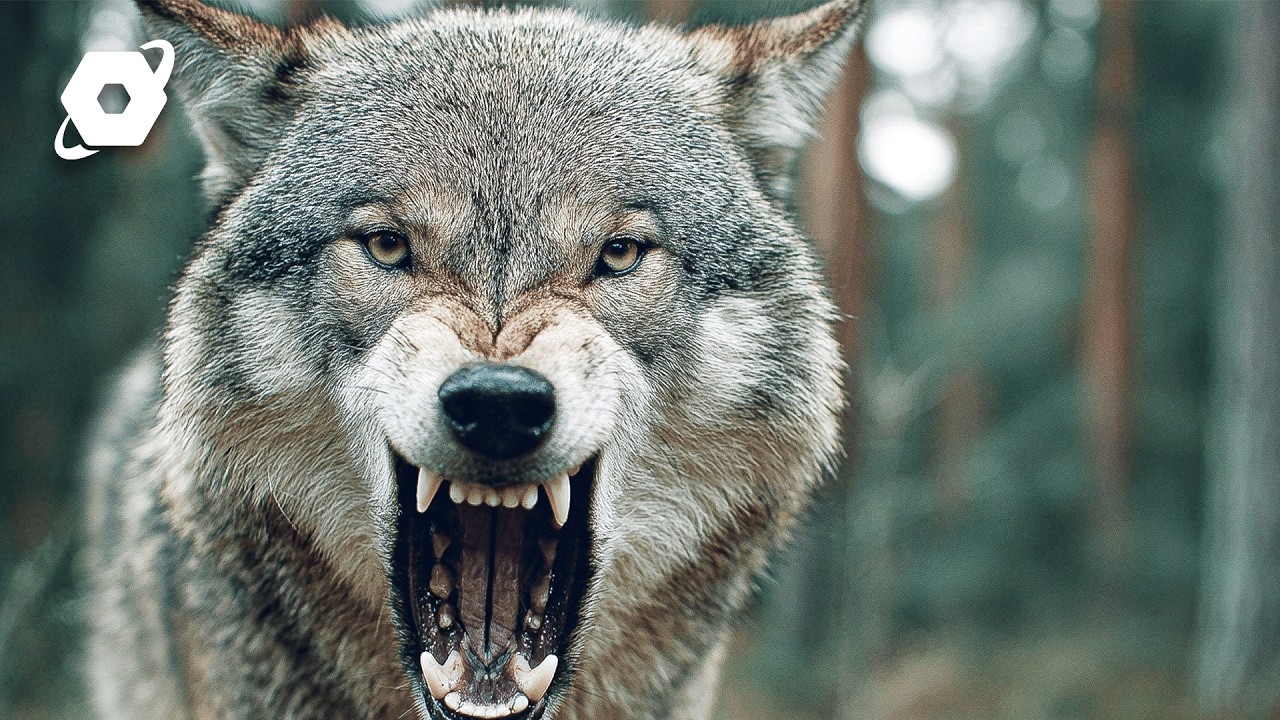
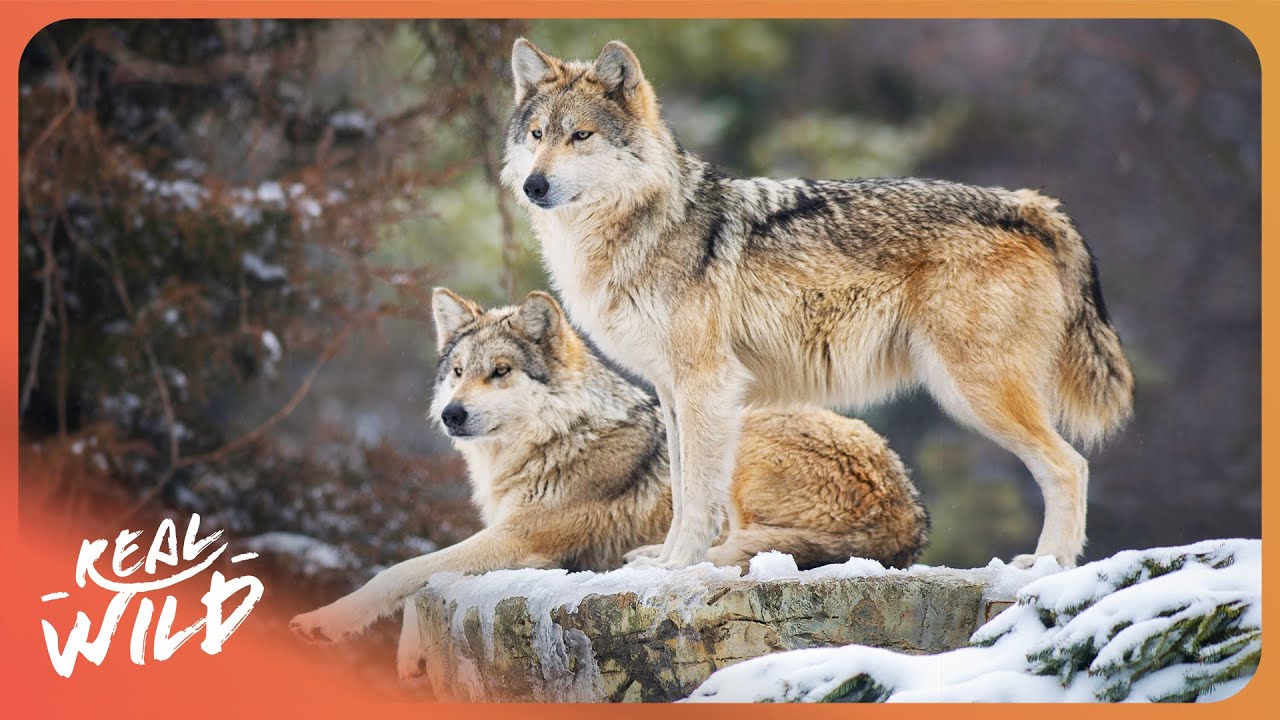
Six puppies born in a wolf pack face the challenges of survival in the wild, highlighting the complexities of nature and animal behavior.
The high Andes mountain range, known for its unique flora and fauna, offers a breathtaking landscape that is among the closest points on Earth to the stars.
In Spain, dedicated conservationists have successfully increased the Iberian lynx population from fewer than 100 individuals to over 1,000 through breeding and reintroduction efforts.
Monkeys have played diverse roles in various cultures, from Thoth in ancient Egypt to Hanuman in Hindu mythology, symbolizing knowledge, protection, and divine favor.
The volcanic arc of Central America, part of the Pacific Ring of Fire, extends over 1,500 kilometers from Guatemala to Panama.
Dr. Riley Elliott successfully tagged the first baby great white sharks in New Zealand, revealing an emerging population in a previously unrecorded area.
More than 90 percent of Okinawan corals are dead, reflecting a global trend where one-third of the world's coral reefs may die within 20 years.
Ten flowers from the mandre plant can cause bloody vomiting and diarrhea, with enough to kill a human being.
In the Thelon River Basin, an extraordinary ecosystem thrives despite harsh conditions, showcasing the interdependence of species and the role of technology in conservation efforts.
China's coral reefs, particularly in the South China Sea, face threats from overfishing and coral bleaching, prompting scientists to restore these vital ecosystems.
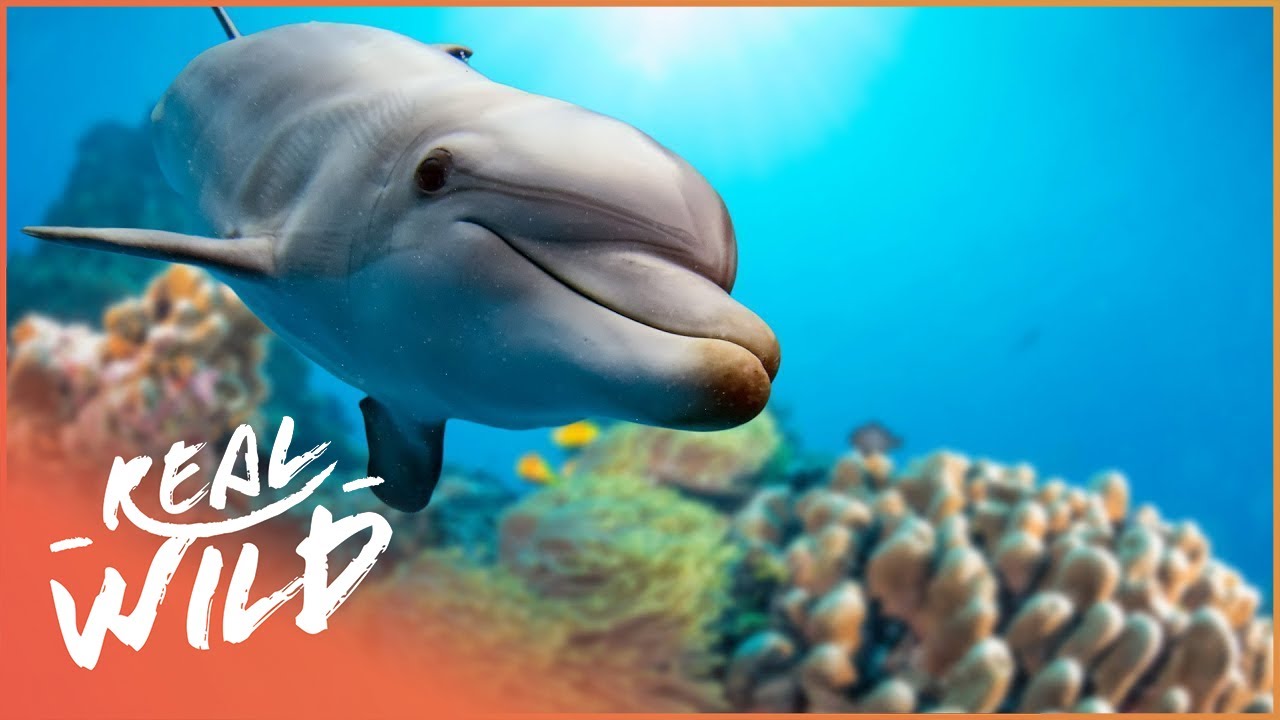
Dolphins encounter various threats in their natural habitats, as illustrated by footage that captures their behavior and interactions with other wildlife.
In the Zambezi Delta, Ivan Carter and a conservation team work to restore African lions to their natural habitat after a 40-year absence.
Five wolf pups are transported in cramped boxes to a training facility in Beijing, where they begin to adapt to their new environment.
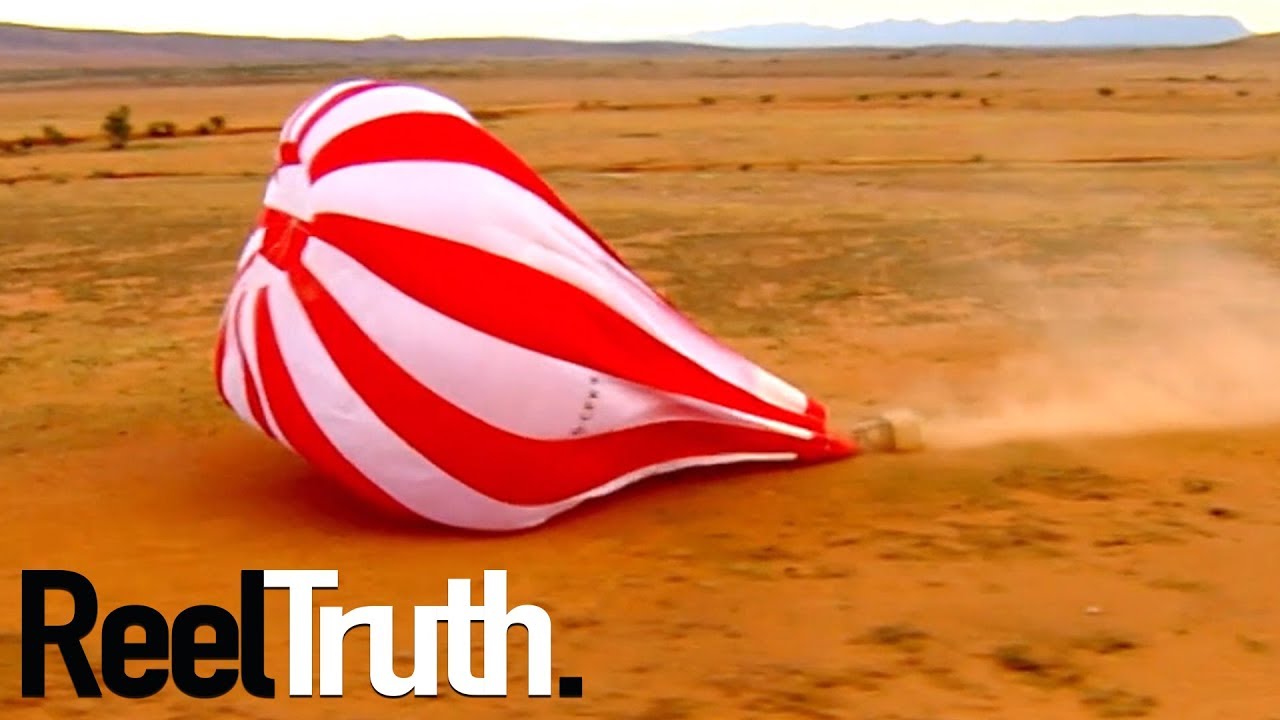
Temperatures in South Australia reach 50 degrees Celsius as Stephen Tompkinson prepares for a hot air balloon competition against local pilots.
Treffen Sie verschiedene Pinguinarten in der Antarktis und erleben Sie ihr Überleben.
In northern Colombia, vast plains transform between seasons, supporting diverse wildlife including capybaras, anacondas, and Orinoco crocodiles in one of Earth's most biodiverse regions.
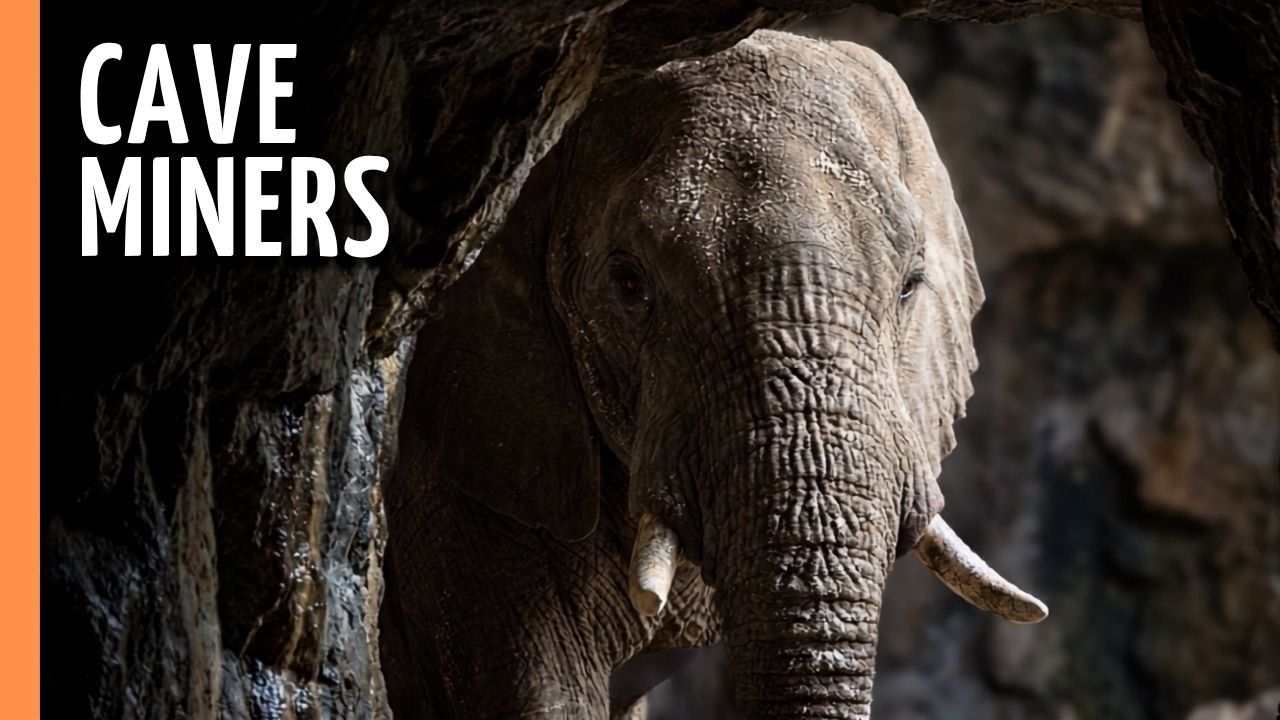
In the Mount Elgon region of Kenya, Ian Redmond studies a unique population of savannah elephants that excavate mineral-rich caves, seeking answers after a surprising attack.
Angelika moves her healthy bear cubs into the hibernation pen for winter, while Sophie, a disabled cub, struggles to fit in and Digger, a nervous cub, awaits hibernation weight.
In Biebrza National Park, Poland, a master tracker searches for Gray Wolves, navigating harsh winter conditions and utilizing local expertise to analyze their tracks.
Rattlesnakes, scorpions, and camels exemplify the extraordinary adaptations of wildlife that thrive in the world's harshest desert environments.
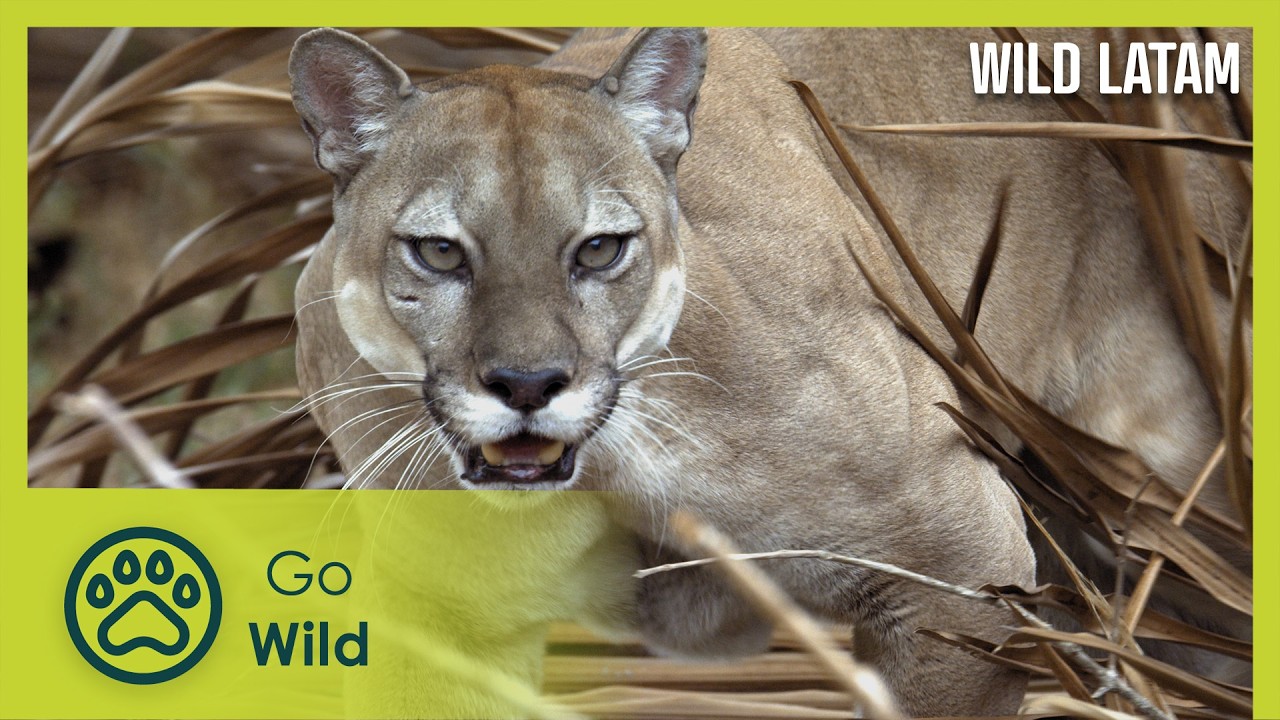
Max Maxwell, a Kenyan big game tracker, investigates reports of phantom panthers in the UK, analyzing evidence and interviewing witnesses to determine their existence.
In Durango, Colorado, researchers from Colorado Parks and Wildlife study the increasing conflict between humans and bears as urban development encroaches on their habitats.
Big Cat Initiative grantees Shivani Bhalla and Krithi Karanth, along with Boone Smith, provide insights into the challenges of big cat conservation during 's Big Cat Week.
Gran Canaria faces ecological challenges due to an invasive snake population, prompting local residents and environmentalists to implement control measures.
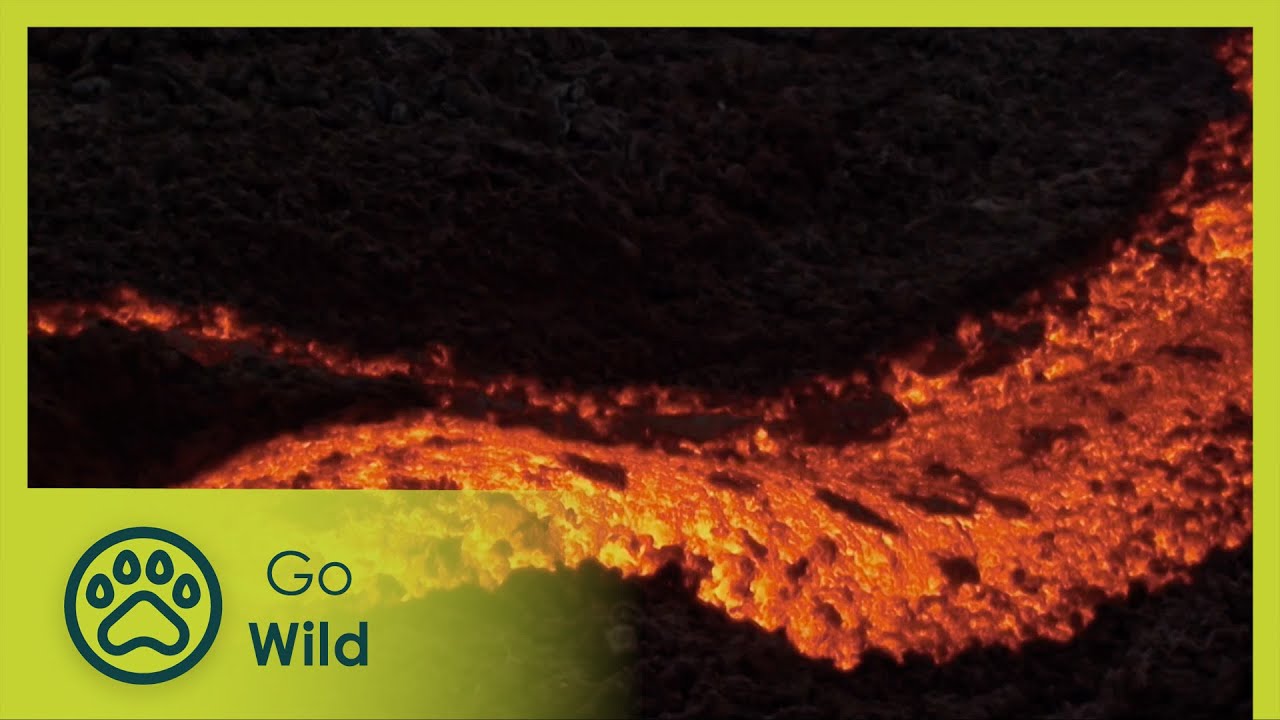
Iceland's volcanic landscape, shaped by eruptions like Eyjafjallajokull in 2010, poses significant risks as more powerful volcanoes lie dormant and ready to erupt.
Fire salamanders have thrived in the urban environment of Oviedo, Spain, since the 8th century, despite the absence of permanent water bodies essential for amphibian reproduction.
Cunning capuchin monkeys in Brazil, pink dolphins in the Amazon, and majestic jaguars highlight the diverse wildlife of Latin America.
Half a million birds from over 350 species rely on Keoladeo National Park for habitat and sustenance, making it a critical sanctuary for wildlife.
Canada's vast landscapes are showcased through activities like heliskiing in the Rockies, rodeos in the prairies, and wildlife encounters with bears and wolves.
A mile-deep chasm formed between Africa and Arabia created the Red Sea, which is home to diverse marine life and unique coral ecosystems.
On December 26, 2014, residents of a remote Indonesian island fled to the mountains before a tsunami struck, reportedly following the behavior of agitated animals.
Autumn showcases how wildlife and plants prepare for winter, highlighting the Red Deer rut, migrating Cranes, and the survival strategies of hedgehogs and squirrels.
Animal communication is explored through cutting-edge AI and behavioral science, revealing how species like honeybees and humpback whales convey complex messages.
In Vietnam, the illegal trade of rhino horns is fueled by a belief in their medicinal properties, contributing to the decline of rhino populations in South Africa.
Coral reefs globally are experiencing severe ecological decline due to climate change, pollution, and overfishing, threatening marine biodiversity.
In 2025, the culling of 12 healthy baboons at Nuremberg Zoo in Germany highlighted the challenges of managing animal populations amid overcrowding.
Loggerhead sea turtles are being tracked by scientists using satellite technology to reveal their migration patterns and enhance conservation efforts.