From over 100,000 films, discover the handful you'll love.
Free or premium access to the world's largest documentary library.
7945 films(Page 57 of 166)
The scuttling of the Italian man-of-war Umbria in 1940 near Port Sudan led to its transformation into a thriving underwater reef, documented by Hans Hass and Erich Proell.
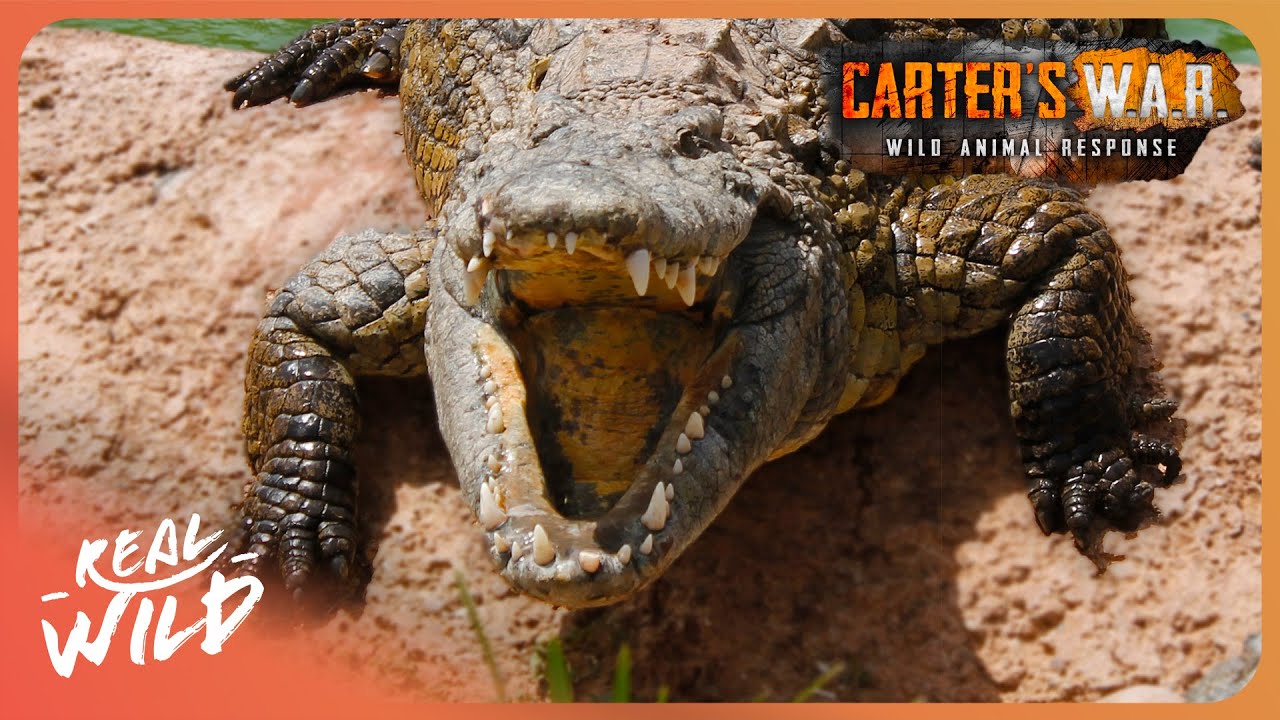
Wildlife investigator Ivan Carter examines various African animals, including the black rhino, elephant, lion, hippo, and Nile crocodile, to determine which is the most dangerous.
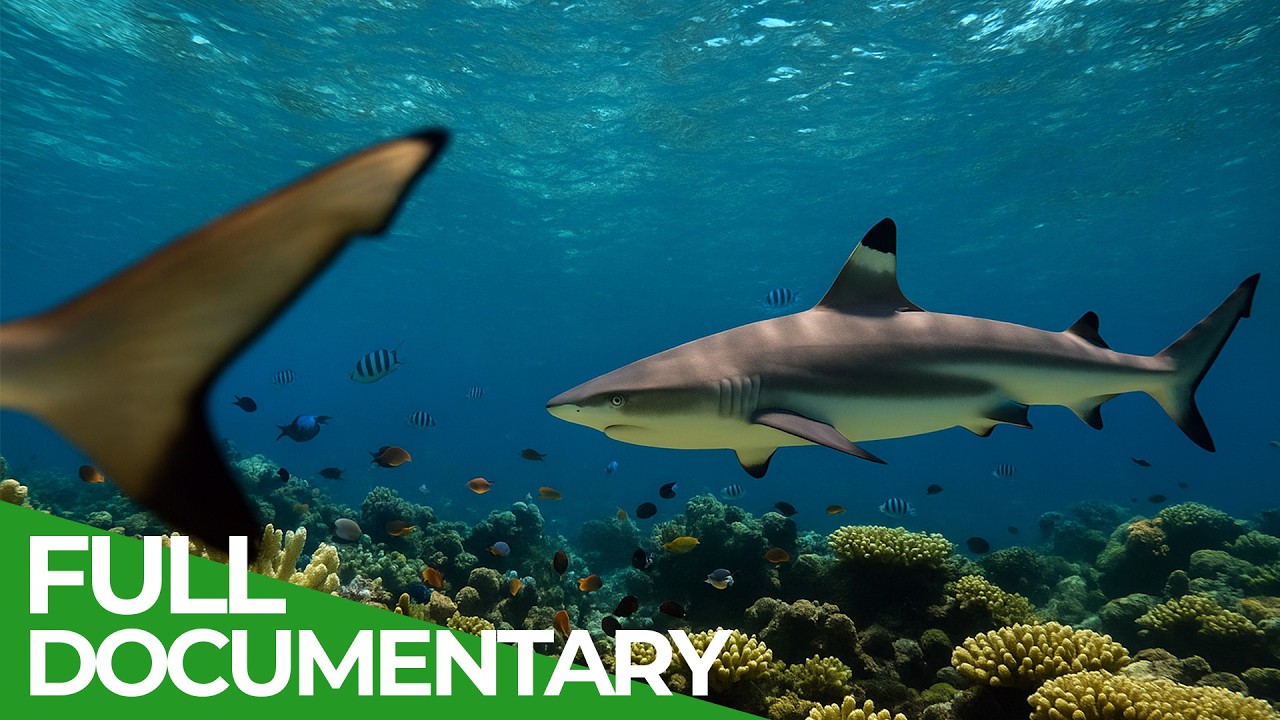
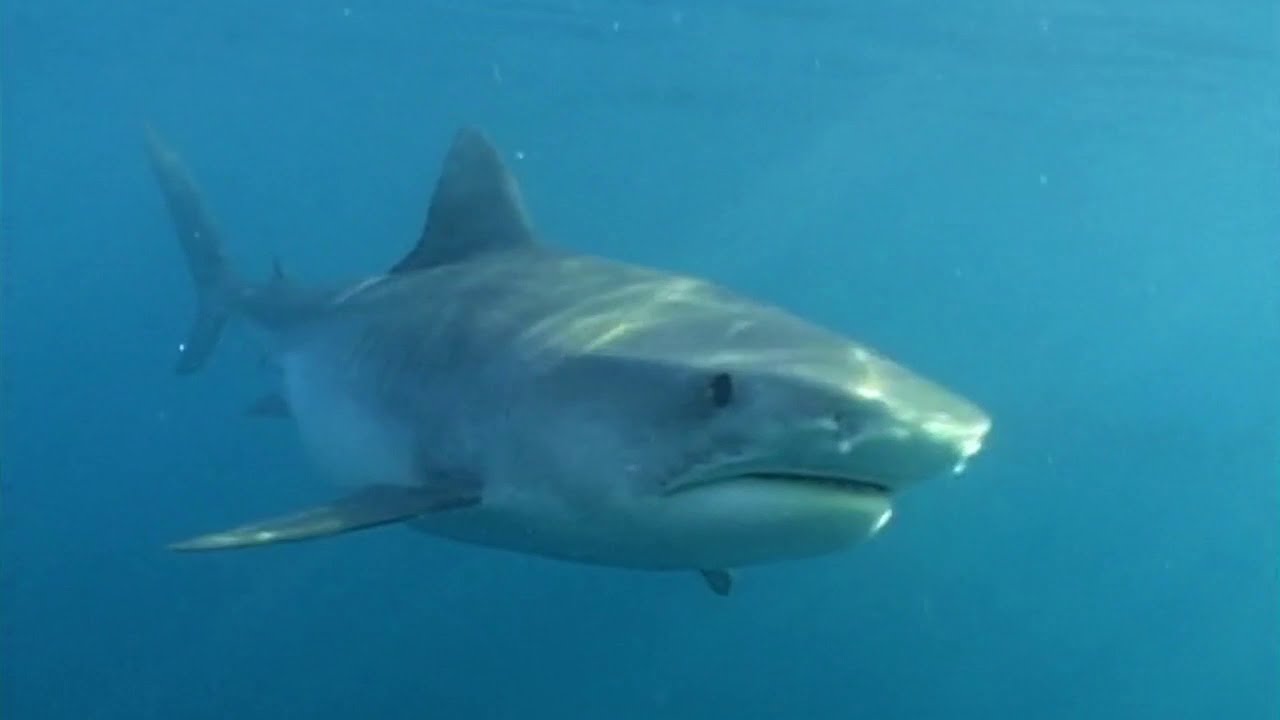
Fiji's Shark Reef Marine Reserve in Beqa Lagoon hosts over 30 shark species, highlighting the threats they face from overfishing and climate change.
Kites and harriers, the lightest birds of prey, showcase their acrobatic aerial displays while facing threats from habitat changes and declining prey populations.
Equatorial African forests, home to iconic species like gorillas, chimpanzees, and okapi, boast immense biodiversity, including millions of undiscovered insects and mammals.
North America's diverse ecosystems are explored through the lives of wild animals, including bobcats, polar bears, and cutthroat trout, showcasing their survival strategies.
Many animals employ unique adaptations, such as acute senses and powerful limbs, to execute remarkable escapes from predators in their environments.
In Mexico's Guadalupe Island and the Bahamas, thrill-seekers engage in cage-free shark diving, raising concerns from advocates like Dr. Erich Ritter and Chuck Anderson.
Eric and Matthew track gorillas in Gabon, release giant pandas in China, and follow Andean Condors in Argentina, highlighting 30 years of wildlife reintroduction efforts.
St. Vincent showcases a rich tapestry of cultures, music, and religions shaped by African, Indian, English, French, and Caribbean influences.
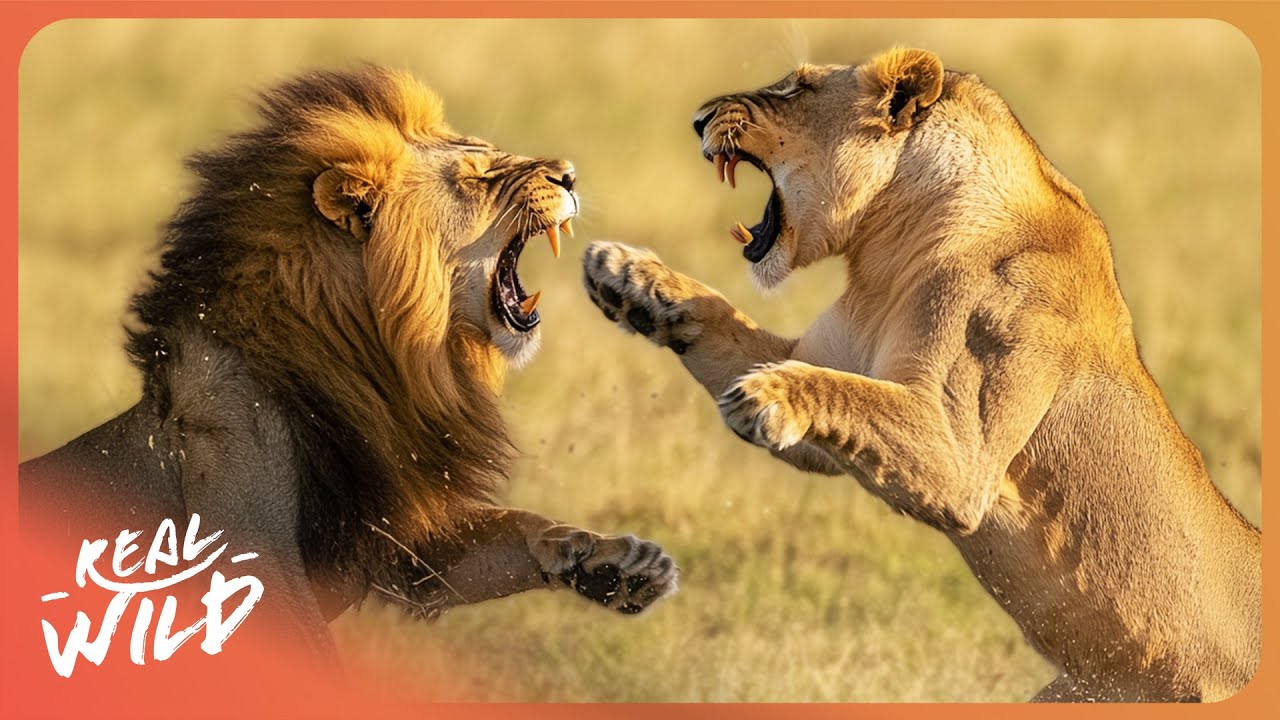
In Africa, lions and cheetahs form coalitions to secure territory, while black-backed jackals adapt to desert life in Namibia and polar bears face challenges from climate change.
Ground pangolins and elephant matriarchs thrive in Namibia's diverse ecosystems, showcasing the remarkable resilience of life in the Kalahari desert.
In Vienna's Prater, diverse wildlife such as badgers, foxes, and Mandarin ducks thrives in the meadows and waterways surrounding the Euro 2008 stadium.
Grenada showcases a rich tapestry of cultures, music, and religions shaped by African, Indian, English, French, and Caribbean influences.
Nomadic fishermen in Bangladesh's Sundarbans rely on trained otters for survival, facing ecological challenges and dangers in their unique fishing tradition.
In Bolivia's remote Andes and Amazon rainforest, herpetologists search for a potentially undiscovered viper species while documenting venomous snakes and local conservation efforts.
Apex predators like tigers, lions, bears, and crocodiles possess specialized teeth and claws that enhance their hunting efficiency and reinforce their dominance in the wild.
In the Himalayas, a relentless struggle for survival unfolds as predators and prey navigate extreme conditions and shifting alliances in their ecosystem.
In the animal kingdom, iconic species such as lions, elephants, and rhinos face unique adaptations and urgent conservation challenges amid habitat loss and poaching.
64,660 hectares of the Picos de Europa National Park in northern Spain protect diverse ecosystems and wildlife, including the endangered Iberian bear.
In the Arctic, encounters between humans and polar bears, including those experienced by Sonny Voyce and John Bykerk, highlight the challenges of coexisting in a changing environment.
In Sumatra and Borneo, conservationists from WWF and Kalaweit work to protect Sumatran elephants and rehabilitate gibbons amid ongoing habitat loss.
In 1715, the naval battle near the Bay of Kiel between Denmark and Sweden leads to the sinking of the Swedish flagship Hedvig Sophia, prompting modern archaeologists to excavate its wreck.
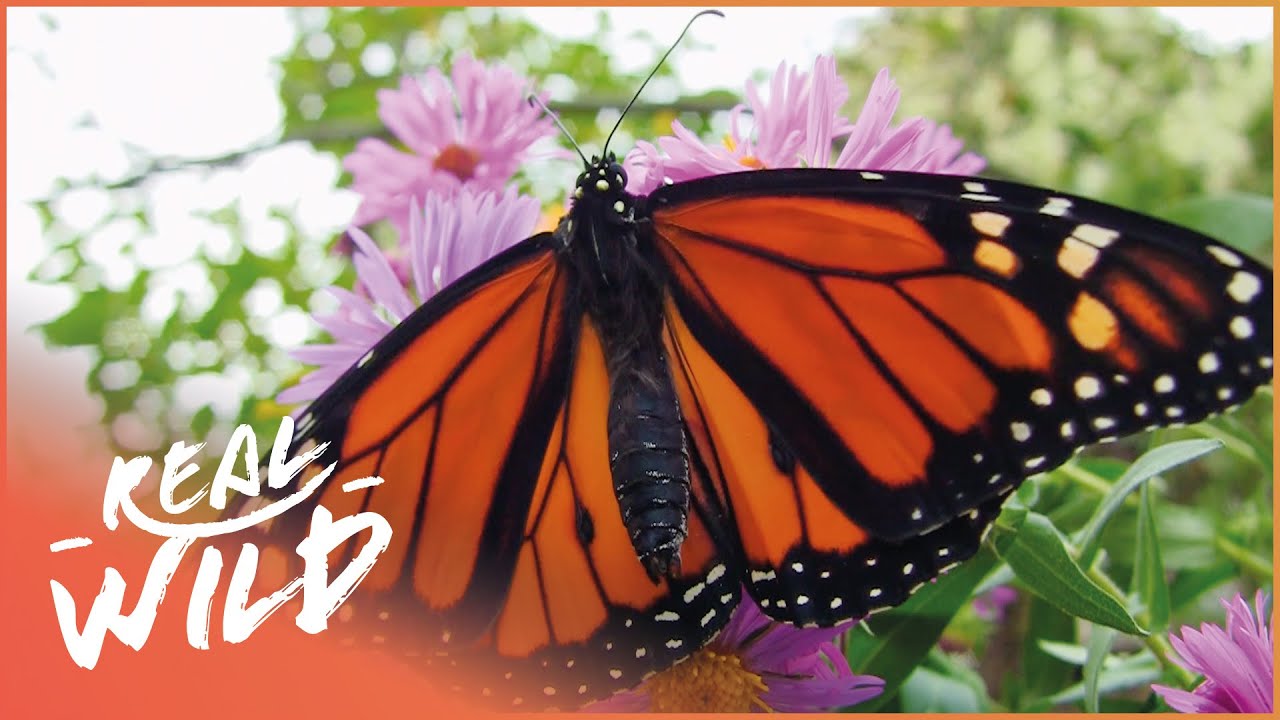
The Monarch Butterfly's lifecycle and ecological connections between Massachusetts and Mexico highlight its vital role in various habitats, from migration to pollination.
In Kenya, conservationists are exploring the use of chili peppers as a non-lethal method to mitigate the growing human-elephant conflict amid rising populations.
2000 species of fireflies use chemical signals to create light displays that attract mates, illustrating the diverse mating rituals in the animal kingdom.
In 2014, a storm caused 100 percent mortality of harp seal pups in the Arctic, illustrating the severe impact of climate change on marine life.
Manny confronts the challenges posed by wild boars in their natural habitat during an episode of Savage Wild set in a dense forest.
A French biologist searches for the nearly extinct black caiman in French Guiana's Kaw river swamp.
Over 100 reef sharks participate in a feeding frenzy in the Bahamas, illustrating the thrill and danger of extreme shark encounters.
Sharks, the ocean's apex predators, have evolved over 380 million years, showcasing unique hunting strategies and mating rituals across diverse species.
A flea and a Laysan Albatross travel the Pacific Ocean until landing on Midway to mate.
Rob Stewart and Rita Banerji highlight ocean conservation and Olive Ridley turtles in India.
Dwarf goats and miniature ponies showcase the fascinating world of the smallest animals, highlighting their unique characteristics and care needs.
Animal behavior is examined through the lens of emotions, politics, culture, and homosexuality, highlighting complex social interactions across species.
Tasmania's stunning landscapes feature a photographer on Bruny Island, a Huon Pine expert in the forest, and two surfing brothers exploring deserted beaches.
In Yellowstone National Park, a mother otter and her pups navigate the challenges of the wild, showcasing their playful nature and survival strategies.
Every year, thousands of common cranes and whooper swans migrate over 3,000 kilometers from the Arctic to the Dehesa in Spain, facing numerous survival challenges.
In the Arctic Circle, Jørn Hurum explores a rocky polar desert rich in Jurassic-era fossils, revealing insights into the evolution of ancient sea monsters.
Göran Ehlmé kehrt in die Antarktis zurück, um die Leopardenrobben zu erforschen.
More than 70 percent of the Earth's surface is covered by water, yet only a small fraction is freshwater available for all living beings.
Farmers near Serengeti National Park face significant crop damage as elephants increasingly invade their fields, threatening their livelihoods.
Koalas, platypuses, and echidnas inhabit Eastern Australia's eucalyptus forests, showcasing a unique array of wildlife behaviors and interactions during mating season!
In diverse habitats around the globe, young sea lions, penguins, meerkats, and hippos confront extreme challenges for survival from birth.
Canada is home to over 100,000 glaciers, which shape the environment and support unique wildlife like the collared pika in extreme conditions.
A million years ago, Italy was a battlefield of erupting volcanoes that shaped the land and created new ecosystems for plants and animals.
A Martian dust storm can reach speeds of over 160 km an hour, posing a suffocating threat to life on Earth if it were to occur here.
Electric-charged predators, ornate ghost pipe fish, and bizarre hunting strategies of frogfish highlight the unique survival tactics of marine life.