From over 100,000 films, discover the handful you'll love.
Free or premium access to the world's largest documentary library.
7934 films(Page 140 of 166)
In Namibia, the Namib Desert, the only desert that meets the ocean, supports unique wildlife such as desert elephants and the endemic Namib desert beetle.
Enric Sala, Director of 's Pristine Seas project, advocates for ocean protection and biodiversity as essential for global health and economic stability.
Temperatures drop to minus 70 degrees Celsius as male emperor penguins incubate their eggs for two months in the harsh Antarctic environment.
Rachel Ashegbofe Ikemeh faces armed marijuana growers in Nigeria's forests while researching a genetically distinct population of chimpanzees.
In Antarctica, hosts Caitlin Saks and Arlo Pérez navigate extreme conditions at McMurdo Station while studying Adélie penguins and their role as climate change indicators.
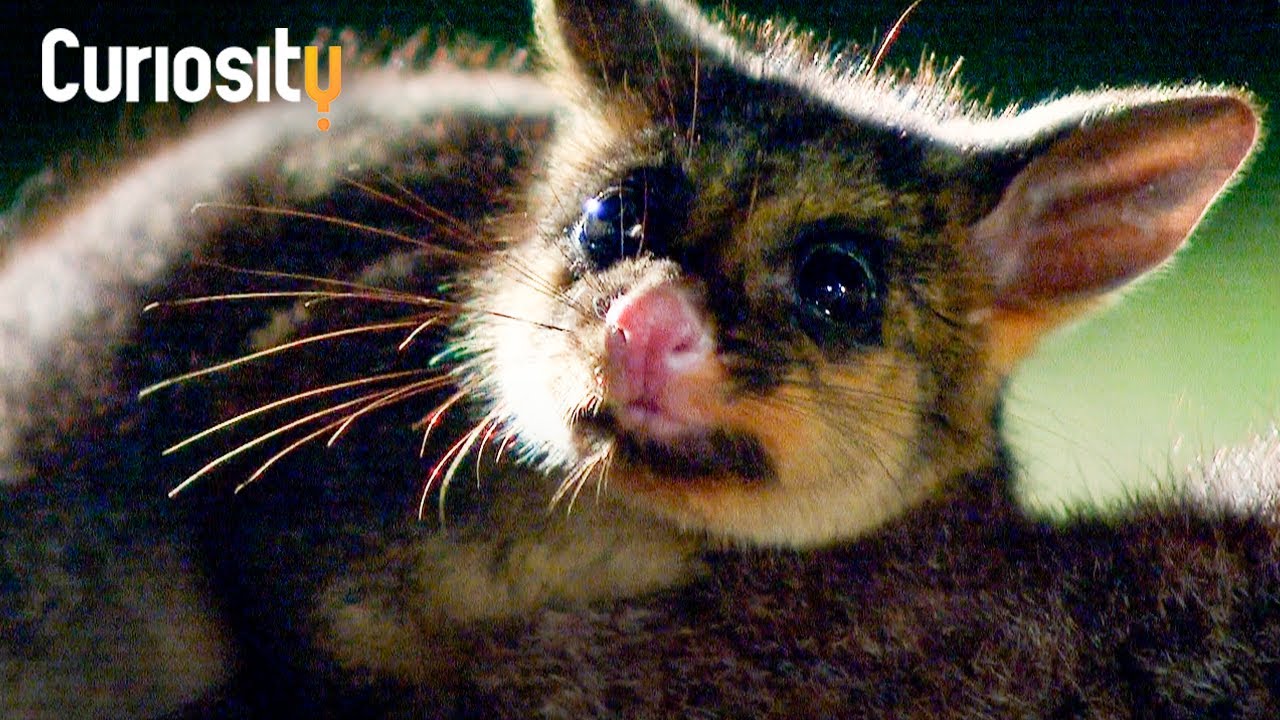
Melbourne has the highest density of brush-tailed possums per square meter in Australia, leading to conflicts between residents and wildlife.
Aurélien Brulé, known as Chanee, dedicates his life to protecting endangered gibbons and other wildlife in Borneo's Kalaweit reserve.
Over 150 rangers have died protecting gorillas in Virunga National Park, where poaching and illegal charcoal production threaten wildlife.
Marine reptiles, including sea turtles, marine iguanas, and sea snakes, exhibit unique adaptations for survival in ocean environments.
Over one million people depend on Tonlé Sap for their livelihoods, consuming more than 40 kilograms of fish each per year.
About 750 kilograms of vicuna wool will be collected this year at Kalakala, where strict rules govern the shearing and conservation of these animals.
In the heart of France, Gaston and his truffle pig Kiki engage in the traditional practice of hunting black truffles, showcasing their unique bond and respect for nature.
The pine processionary caterpillar devastates forests in Northern Europe and the Landes region.
From tropical jungles to the icy plains of Antarctica, BBC Earth presents a compilation of highlights from the acclaimed series Planet Earth.
In various ecosystems, BBC Earth highlights the adaptability of piranhas in the Amazon, playful polar bear cubs in the Arctic, and the impact of locust swarms.
The Arctic, an ocean surrounded by continents, contrasts sharply with Antarctica, a continent encircled by oceans, highlighting their unique climates and ecosystems.
Honeybee colonies exhibit complex decision-making processes that reflect democratic principles, as explored through research by scientists like Thomas Seeley.
San Diego's wildlife preservation efforts highlight the management of apex predators like Komodo dragons and endangered species such as Fiji iguanas.
Garamba National Park's rangers serve as the last line of defense against poachers targeting endangered elephants for their ivory tusks.
Raji nomads of the Himalayan forests rely on their unique skills to harvest wild honey from towering trees, facing the formidable Apis Laboriosa bees.
In Xuan Thuy, Northern Vietnam, biologist Truong Quang Nguyen studies the unique biodiversity of mangroves, including the rare aquatic snake Ran Bong.
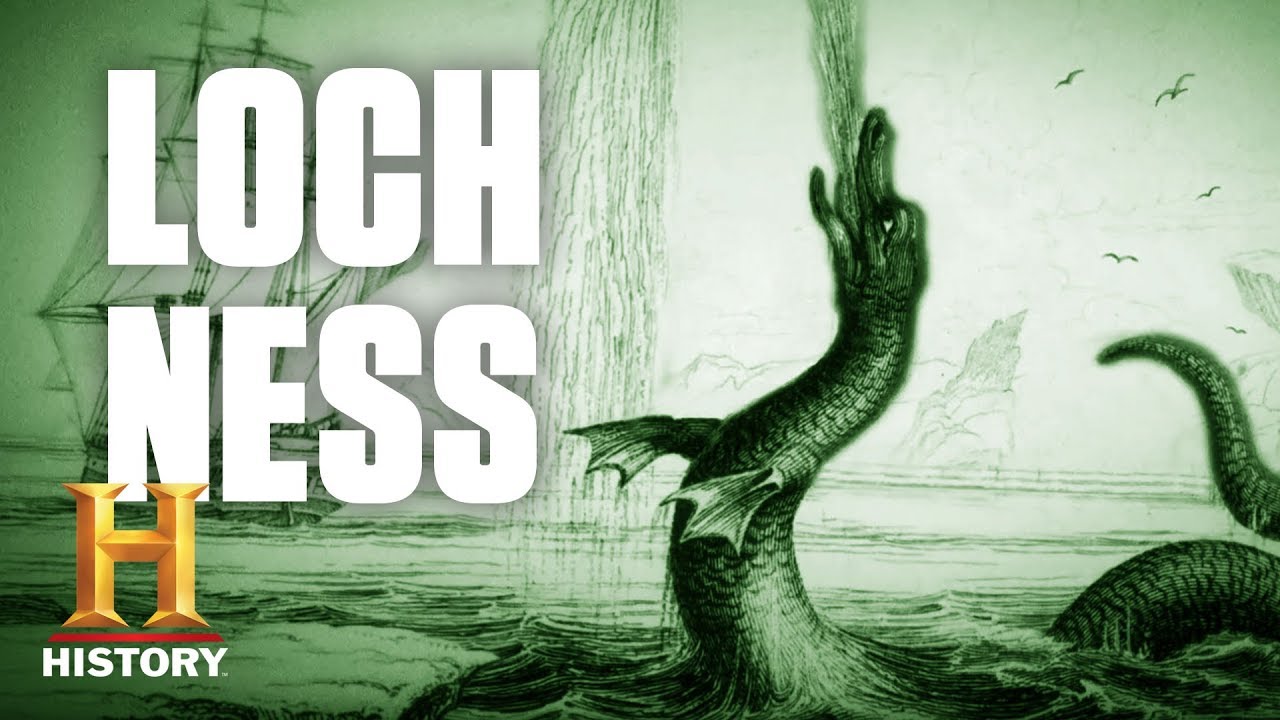
Adrian Shine leads the Loch Ness project, focusing on its depths and the Loch Ness Center in Drummond.
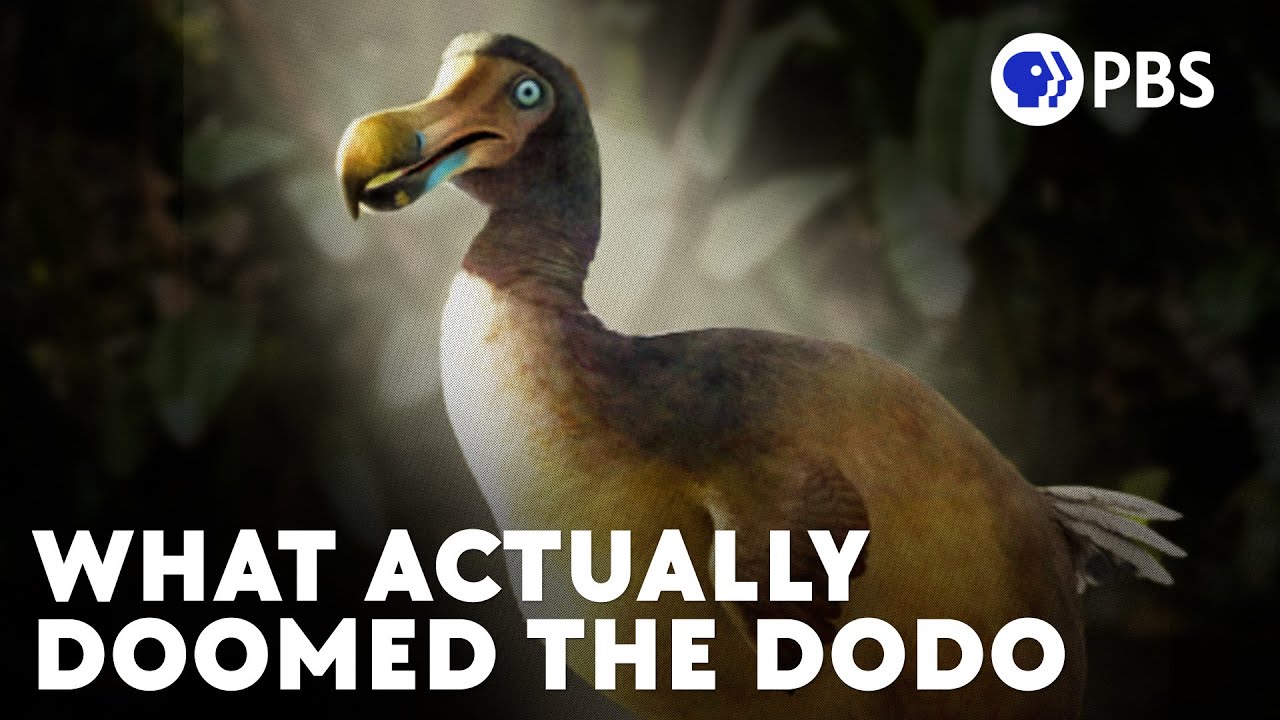
The extinction of the dodo bird, a unique species that evolved on the island of Mauritius, raises questions about human responsibility and environmental impact.
A four-year-old girl in Ethiopia is married off, illustrating the severe consequences of child marriage in the region.
A category 4 cyclone in March caused significant damage to the Great Barrier Reef, prompting urgent discussions about climate change and renewable energy.
A single bay in the Indian Ocean may contain twice as many marine species as the entire Caribbean.
Giant skin-shelled sea turtles, distinct from modern leatherbacks, showcase evolutionary traits that have persisted through time, as explored by PBS Digital Studios.
Black Brazilians celebrate Yemanja, blending spirituality with a lively festival atmosphere.
Thirty acres of habitat restoration in California aim to support endangered juvenile winter-run Chinook salmon affected by habitat loss from dams.
10,000 years ago, glaciers shaped the Great Lakes, creating a vital freshwater resource that now faces pollution and habitat loss.
Dependra Gaja, the royal elephant, protects Tharu villages in Nepal's Chitwan reserve.
Sacred animals like elephants and camels are explored for their spiritual significance and cultural importance in various societies around the world.
The Sanema have dominated their world for over 3000 years in the Guayanes Massif region.
In Kefalonia, Hannah Stitfall collaborates with Chanel Comis, co-founder of Wildlife Sense, to highlight efforts in protecting the island's sea turtles.
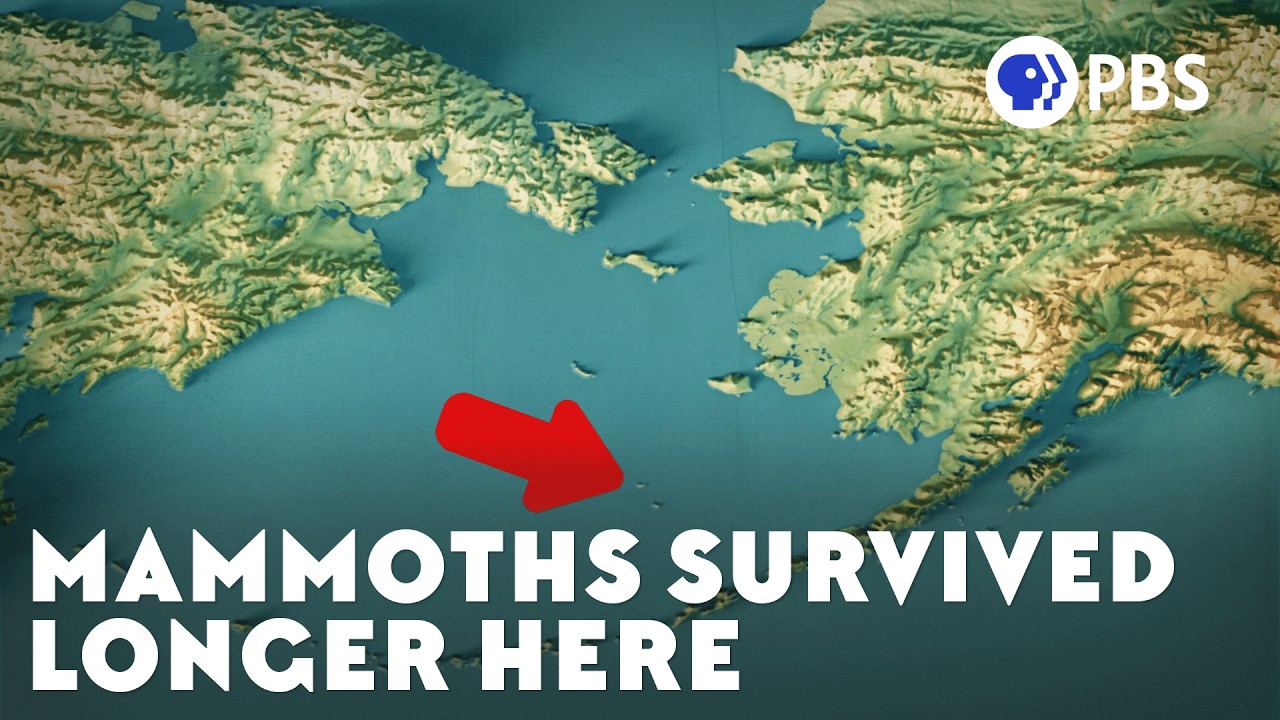
About 5,700 years ago, a herd of woolly mammoths roamed a treeless tundra on St. Paul Island, Alaska, marking one of the last chapters of their existence.
In six hours of travel, Zachariah and his assistant cover only 35 kilometers while delivering cocoa beans in Ivory Coast's challenging conditions.
Trees communicate through complex networks of roots and fungi, revealing their intricate relationships and the vital role they play in ecosystems.
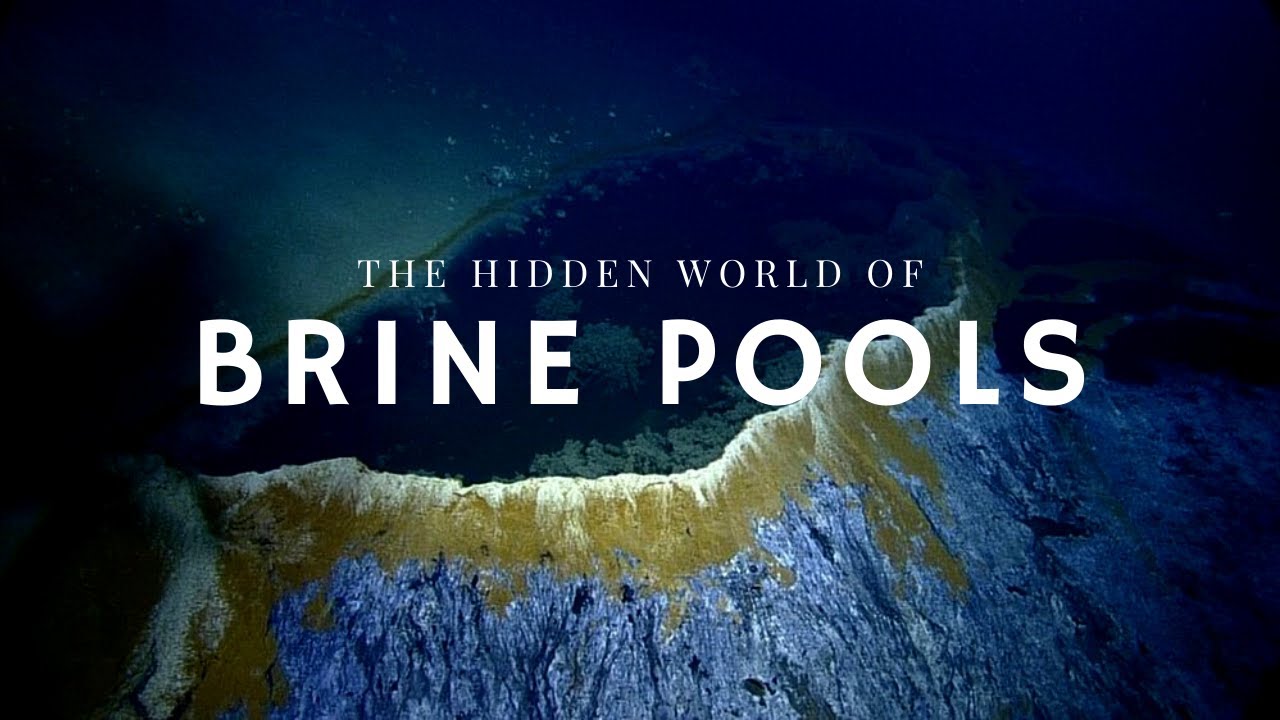
Deep sea brine pools in the Gulf of Mexico serve as unique ecosystems where organisms thrive on chemosynthesis, despite their toxic environments.
In La Rocque, Jersey, rock pools reveal a complex ecosystem teeming with marine life, including crabs and shrimps, adapting to the challenges of their environment.
Dragonflies can live up to three years, spending most of their lives as nymphs that are voracious aquatic predators in freshwater ecosystems.
An octopus stretches her arms to three times their normal length while solving a puzzle for dinner in a vibrant aquarium after dark.
Canine teeth of saber-tooth cats measured nearly a foot long, allowing them to quickly dispatch prey and engage in fierce battles with each other.
At Utah's Hogle Zoo, keepers and veterinarians employ innovative methods to provide medical care for aging elephants and other animals, enhancing their well-being and contributing to vital research.
A 9-foot alligator weighing 230 pounds is central to the Seminole Tribe's alligator wrestling tradition, which has evolved from survival to cultural expression.
The Great Salt Lake in Utah faces declining water levels due to climate change and human management.
An unusual creature, the skunk ape, is reported in Florida in Season 1, Episode 10.
New Horizons' mission to Pluto and the Kuiper Belt provides unprecedented images and data, revealing the dwarf planet's unexpected diversity and activity.
The Yellow River is China's 2nd largest river, famous for its Hukou Waterfall and golden color.