From over 100,000 films, discover the handful you'll love.
Free or premium access to the world's largest documentary library.
7951 films(Page 77 of 166)
In Kenya's western Mara, hippos and crocodiles interact in the Mara River, showcasing their social dynamics and survival strategies in a vital ecosystem.
Research on smaller body sizes in the animal kingdom suggests that humans could benefit from reduced size, similar to successful species like mosquitoes.
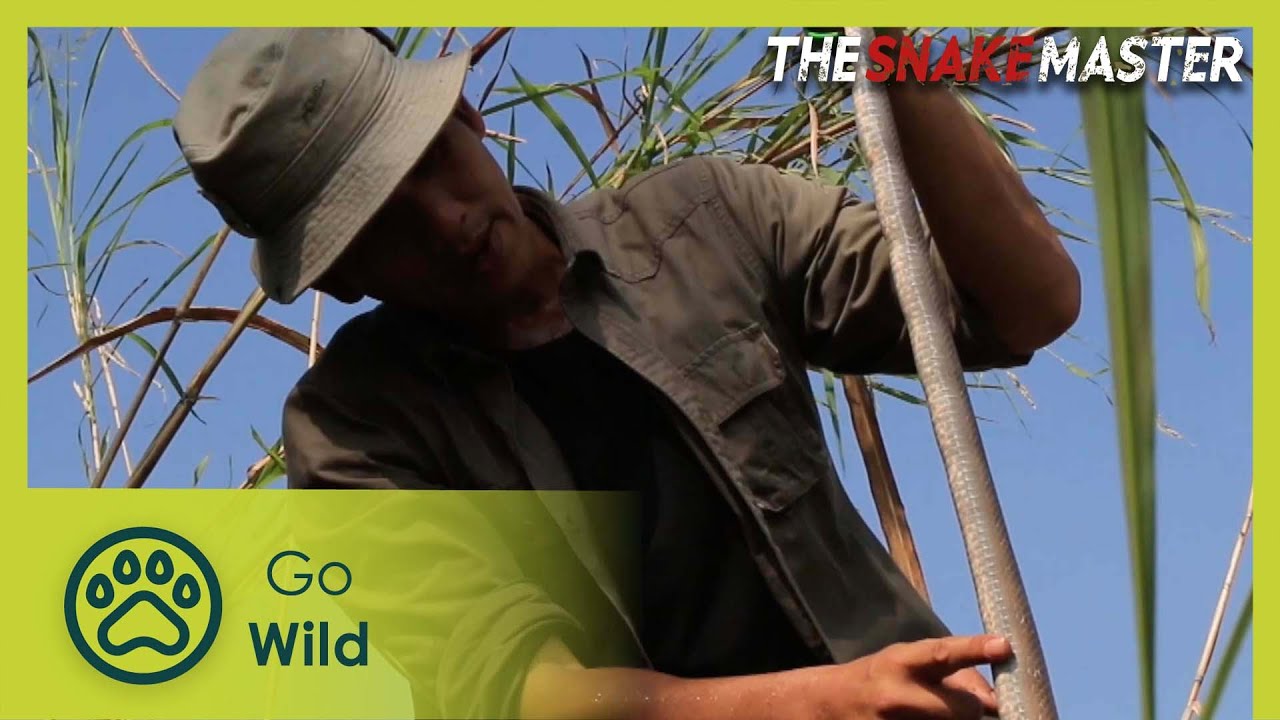
Nick Nirut Chom-ngam explores the snake-hunting techniques of local communities in Sukhothai, Thailand, while addressing snake-related issues and conservation efforts.
In the frozen heartlands of South Dakota, Ivan Carter and a team of biologists use helicopter-mounted net guns to capture white-tailed deer for population management.
Crocodiles, ancient apex predators with the strongest bite force in the animal kingdom, face threats from habitat loss and human expansion across tropical rivers and swamps.
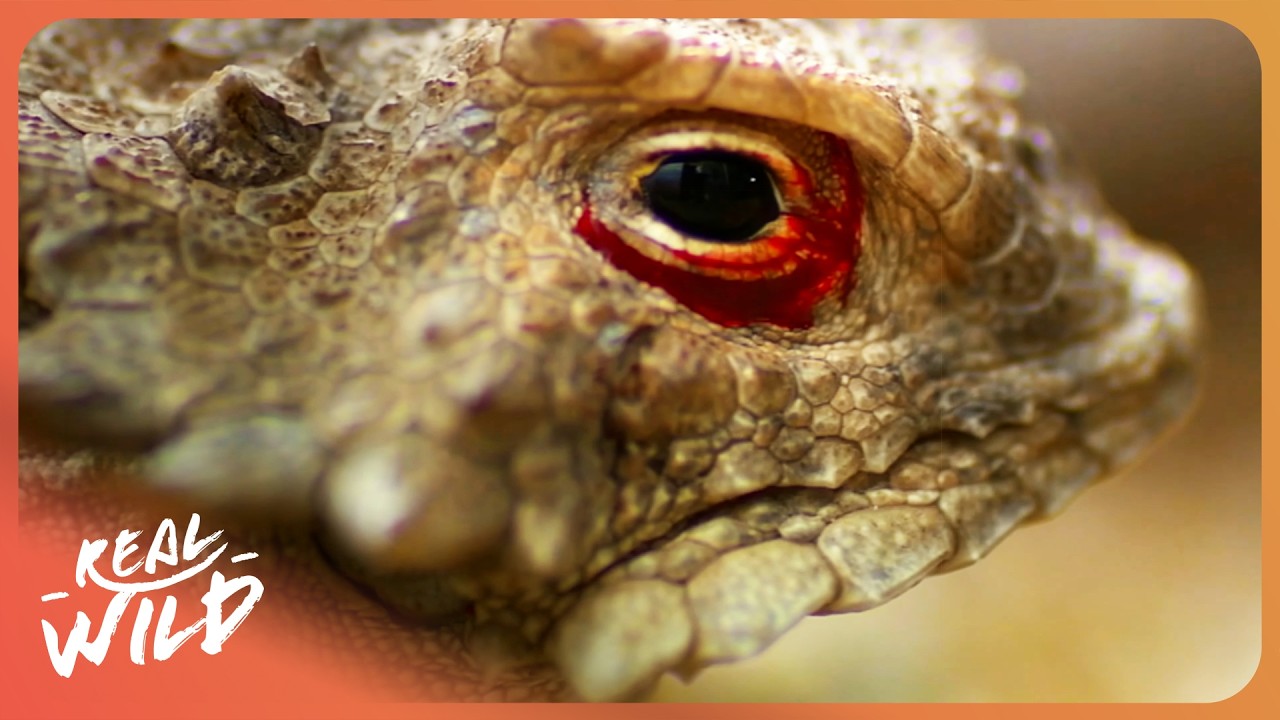
In the Sonoran Desert, diverse species like pelicans, pronghorns, and horned lizards exhibit unique adaptations to survive in an extreme environment.
Madagascar's Masoala Peninsula hosts unique species like lemurs and tomato frogs, shaped by ancient tribal traditions and a fragile ecosystem facing modern threats.
In the French Alps, the rapid melting of Glacier Blanc reveals new ecosystems while posing risks of floods and rockfalls in the changing landscape.
Billy, an Asian elephant at the Los Angeles Zoo, faces emotional and physical suffering, prompting advocates to push for his relocation to a sanctuary.
In South Africa, the hunting industry raises ethical questions as private game farms breed rare species like the Golden Wildebeest for profit amid biodiversity loss.
Water, essential for life, is increasingly contaminated and wasted through industrial practices, threatening countless species and ecosystems worldwide.
Jane Goodall's pioneering research on wild chimpanzees in Gombe Stream National Park reshaped primate studies and sparked global conservation initiatives.
The River Spey runs for about 100 miles northeast into the Moray Firth, known for its fine malt whiskies and salmon fishing.
In remote Ethiopian highlands and elite Cambridge laboratories, sheep are adapting to modern challenges while showcasing surprising cognitive abilities and resilience.
Niagara Escarpment, a fossil-rich sedimentary rock formation in the Great Lakes region, is home to 1,900-year-old cedar trees, ancient settlements, and Flowerpot Island.
In the Luangwa Valley and Serengeti, hippos and Nile crocodiles navigate fierce competition and survival strategies in Africa's most perilous river ecosystems.
In the depths of the ocean, sperm whales like newborn Lana and her clan navigate complex social structures defined by memory, care, and survival.
In Trang province, the pit viper, known as 'Kapa' for its foul odor from bites, poses a significant medical threat due to its potent hematoxic venom.
Greater flamingos in southern Spain face severe weather, land loss, and predators as they undertake perilous journeys to raise their young.
Plastic pollution in the oceans creates new habitats for microorganisms, prompting researchers to assess their impact on marine ecosystems and human health.
Lake Garda, shaped by ancient glaciers and human ambition, features prehistoric ruins, medieval castles, and a unique blend of alpine and Mediterranean environments.
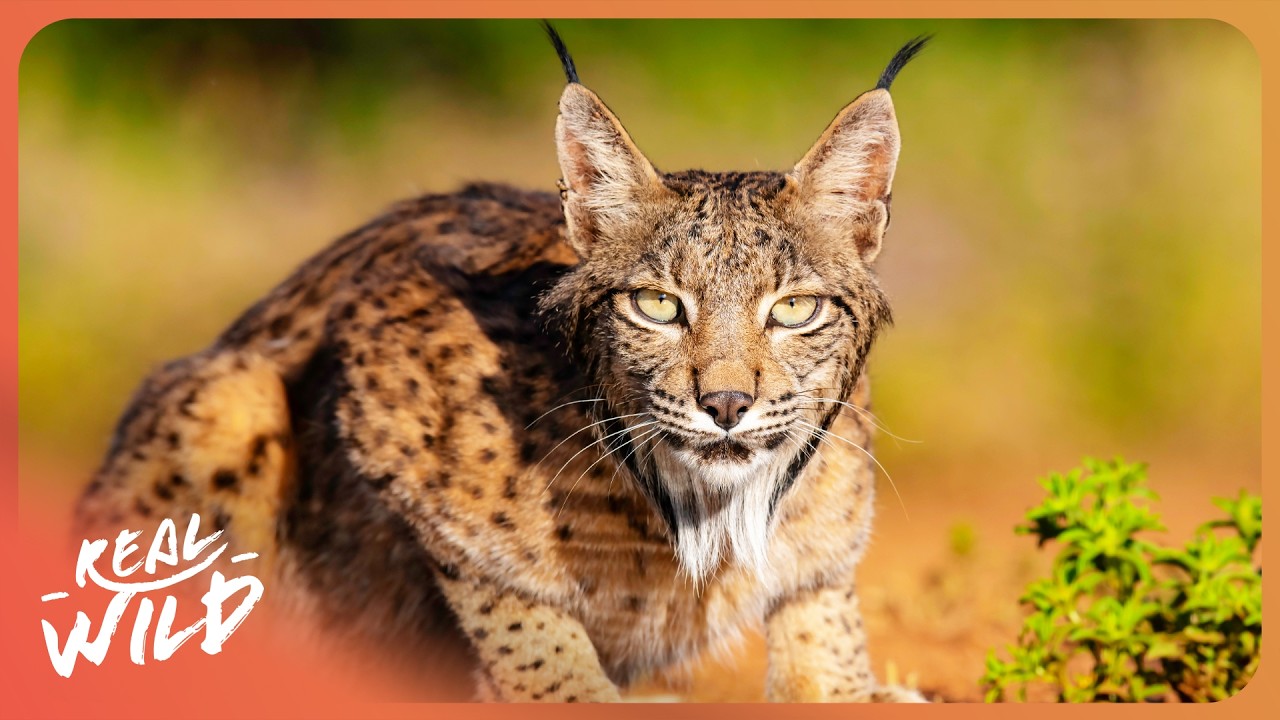
In the Sierra Morena and Doñana National Park, conservation efforts are revitalizing the Iberian lynx population, once on the brink of extinction.
In the Okefenokee Swamp, ancient alligators thrive in a unique ecosystem shaped by fire and water, showcasing the intricate balance of this black water habitat.
In Chiang Mai, Snake Master Nick Nirut responds to a king cobra nest sighting in a village, highlighting the importance of nest location and maternal behavior.
Adrenaline ecotourism at locations like Tiger Beach in the Bahamas and Guadalupe Island in Mexico raises concerns about safety and conservation as thrill-seekers swim with sharks.
Five hours pass as the sun rises over America, revealing diverse landscapes from the mountains to the coasts.
Nick Nirut, a herpetologist, conducts a rescue mission for rat snakes and copperhead rat snakes in Bueng Boraphet during the flooding season.
In the wild, the jaw serves as a critical weapon for predators like lions, crocodiles, and sharks, showcasing their evolutionary adaptations for survival.
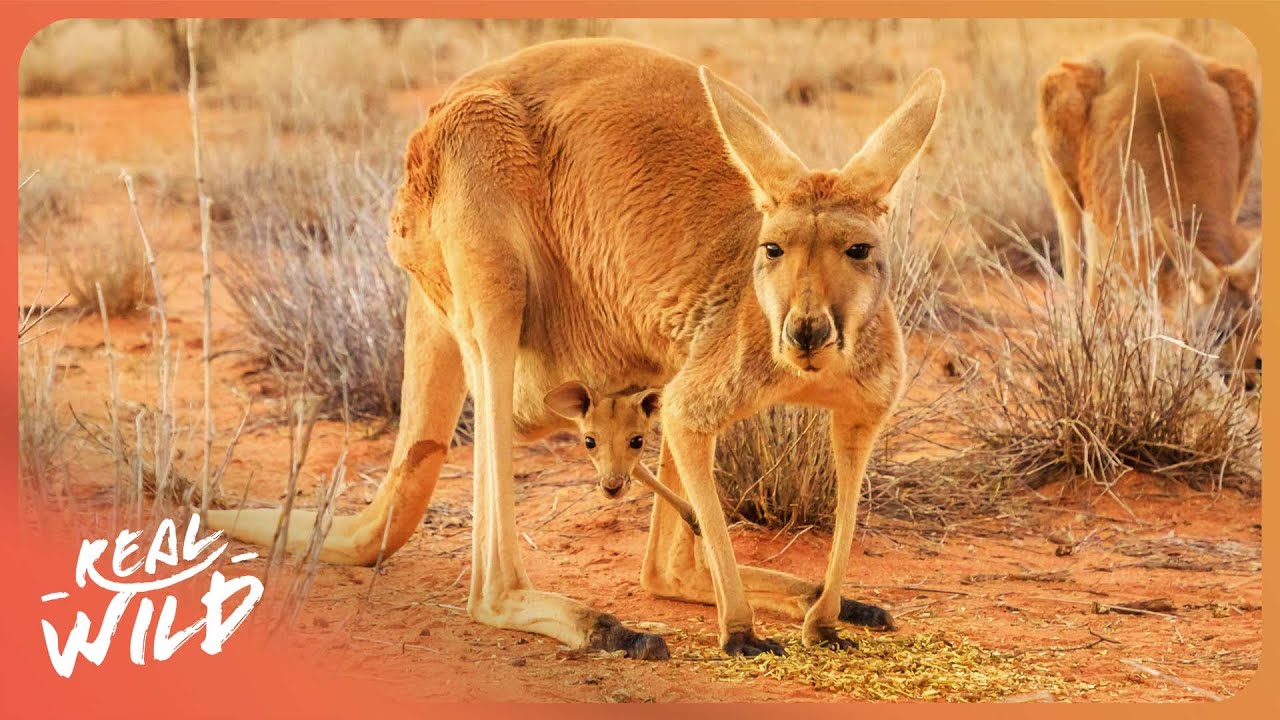
Australia's outback, a land of extremes, showcases unique species like the thorny devil lizard and massive monitor lizard, adapted to its harsh climate.
Australia and New Zealand's unique wildlife, including Tuatara, Dingo pups, and Humpback whale calves, face survival challenges in their isolated environments.
In the Austrian Alps, a family of Alpine Marmots navigates threats from Golden Eagles and cunning foxes while defending their burrow from intruders.
In the Andean Altiplano of Bolivia, unique ecosystems thrive amidst surreal deserts, active volcanoes, and ancient landscapes shaped by millennia of natural forces.
In the Chennai region of India, the Irulas capture venomous snakes for pharmaceutical use, passing down their dangerous expertise through generations.
In South Africa, Ben Fogle examines the escalating conflict between armed security forces and illegal poachers targeting the endangered white and black rhinoceros.
In Asia's diverse habitats, young Amur Leopard cubs, Bengal Tiger cubs, and other species learn survival skills while facing the challenges of the wild.
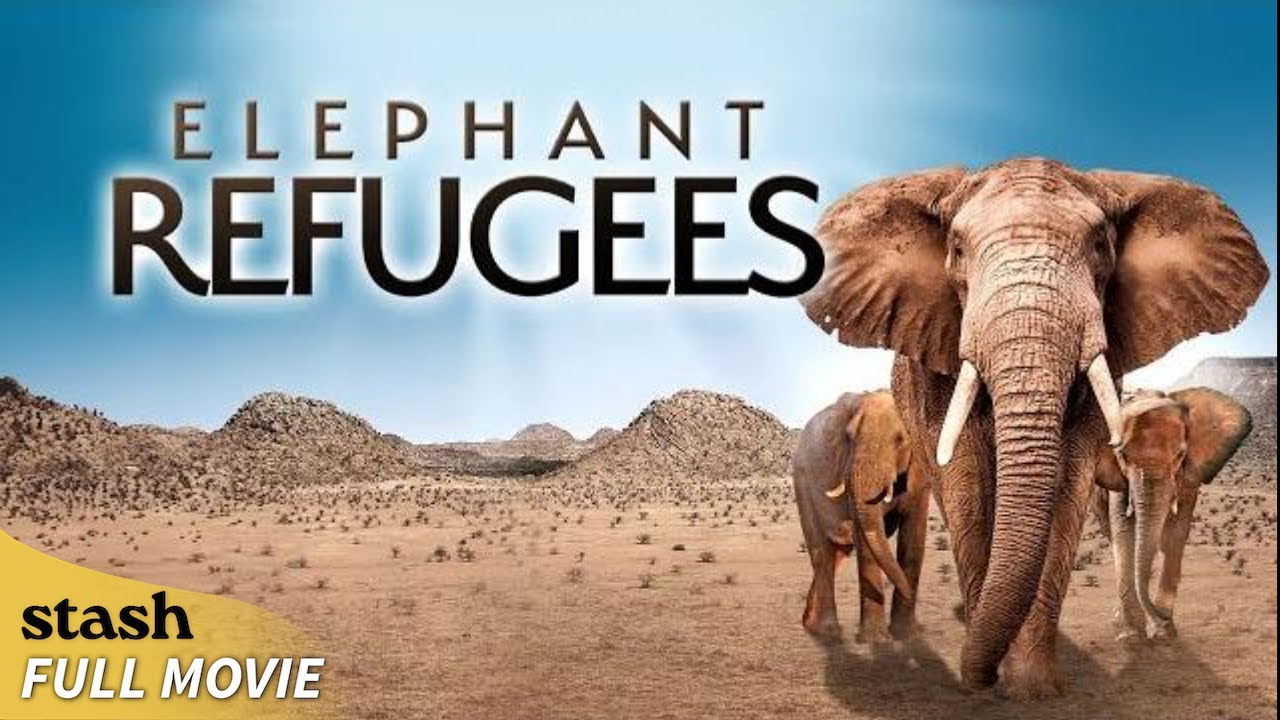
In eastern Botswana's Kalahari woodlands, a dedicated family provides water to up to 500 refugee elephants daily amid intensified climate change and drought.
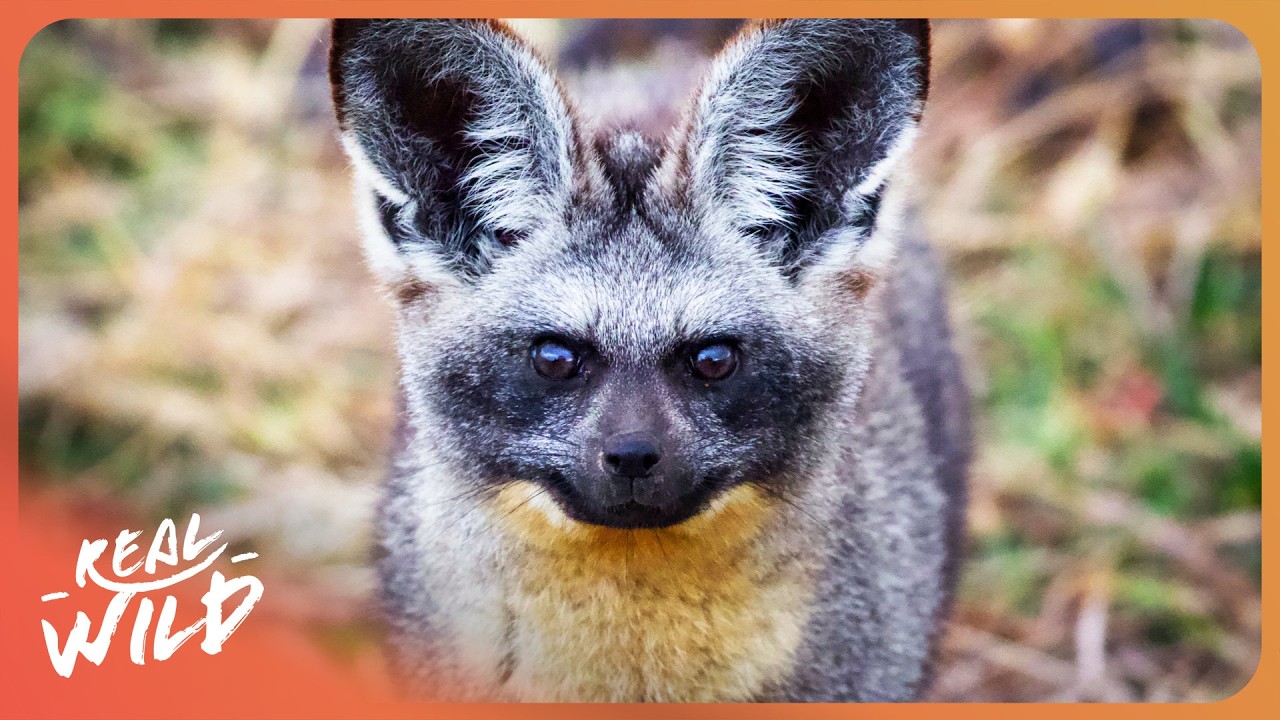
In the Namib Desert, a bat-eared fox named Fanta showcases the resilience of smaller wildlife and the efforts to protect them amid environmental challenges.
In the remote desert of the American southwest, the Paria Plateau showcases geological marvels, including sweeping canyons and fossilized dunes.
In Uganda, Ben Fogle goes undercover in illegal wildlife markets and joins ranger units to combat the trafficking of critically endangered pangolins.
In Scoresby Sund, Greenland's largest fjord system, a team of scientists and eco-volunteers explores the region's untouched wilderness through various adventurous activities.
The Amazon Rainforest, home to 400 billion trees and a vital carbon reserve, faces threats from historical exploitation and modern industrial pressures.
Zion National Park in Utah showcases its dramatic geological features, including towering spires and narrow canyons, revealing the Earth's complex history.
Giant manta rays in Peru face increasing threats from industrial fishing and net entanglements, prompting local communities to pursue sustainable ecotourism initiatives.
In the Kalahari Desert, unique wildlife adaptations enable survival in one of the harshest environments on Earth, as narrated by Pal Aron and directed by Peter Lamberti.
In the Namib Desert and bushveld, elite predators like the Boomslang, Black Mamba, and Mozambique Spitting Cobra utilize venom and stealth for survival.
In the Great Bear Rainforest, 800-pound grizzly bears compete for salmon along the riverbanks, showcasing their hunting skills in a thriving ecosystem.
In South Africa, Ben Fogle explores the complex relationship between humans and sharks, highlighting conservation efforts and personal stories of survival.
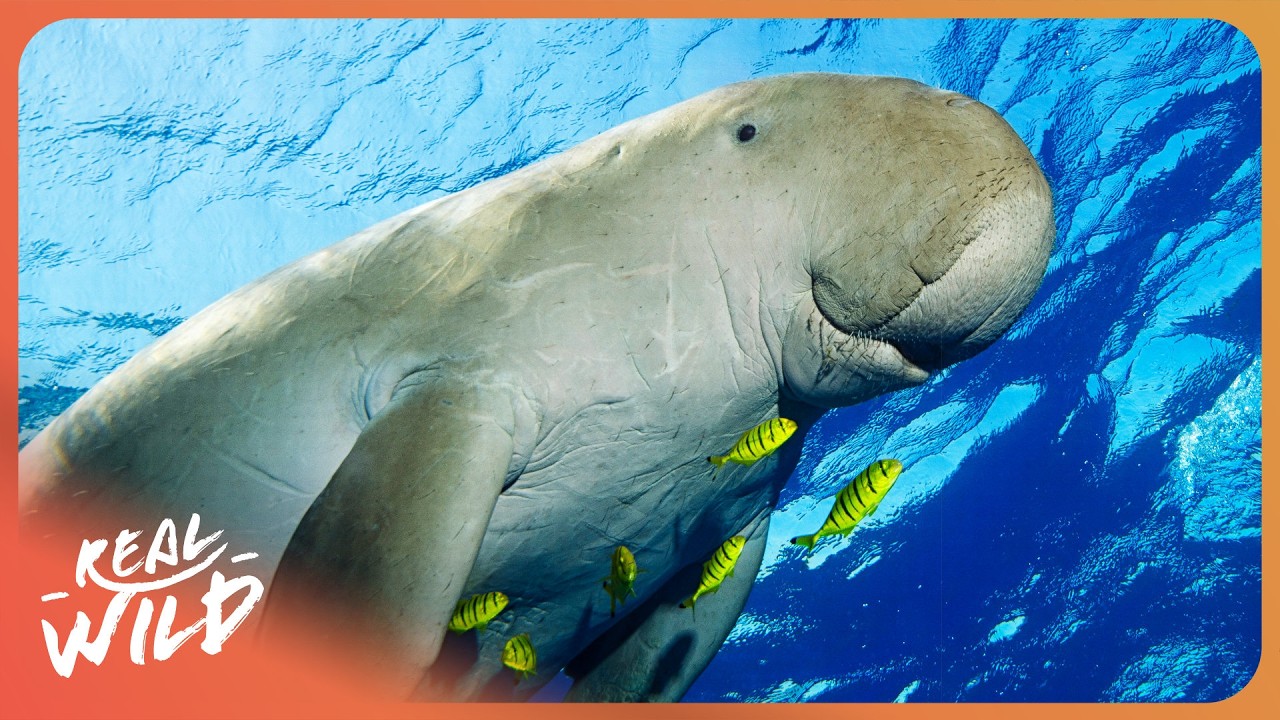
In the Bazaruto Archipelago, conservationist Karen Allen and local park rangers combat illegal fishing to protect the critically endangered dugong from extinction.