From over 100,000 films, discover the handful you'll love.
Free or premium access to the world's largest documentary library.
7943 films(Page 51 of 166)
Extreme habitats around the world, from polar regions to tropical swamps, showcase the remarkable adaptations of species that survive in harsh environments.
Martin Johnson and Osa Johnson capture giant orangutans and document headhunter tribes during their 1937 expedition to British North Borneo.
In Malaysia, snake guardian Osman and his family work to change perceptions of the reticulated python and king cobra while protecting them from threats.
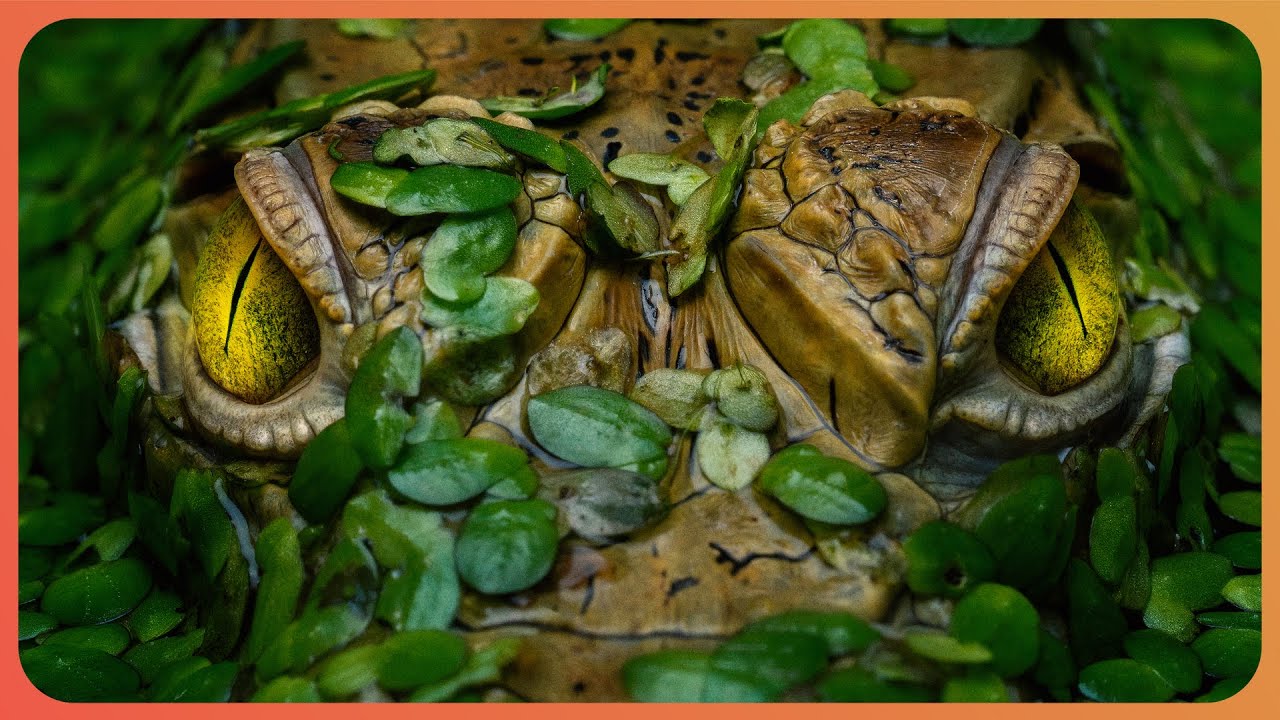
In Louisiana's swamps, alligator hunters face rising floodwaters and increasing danger as they strive to secure their catch during the critical hunting season.
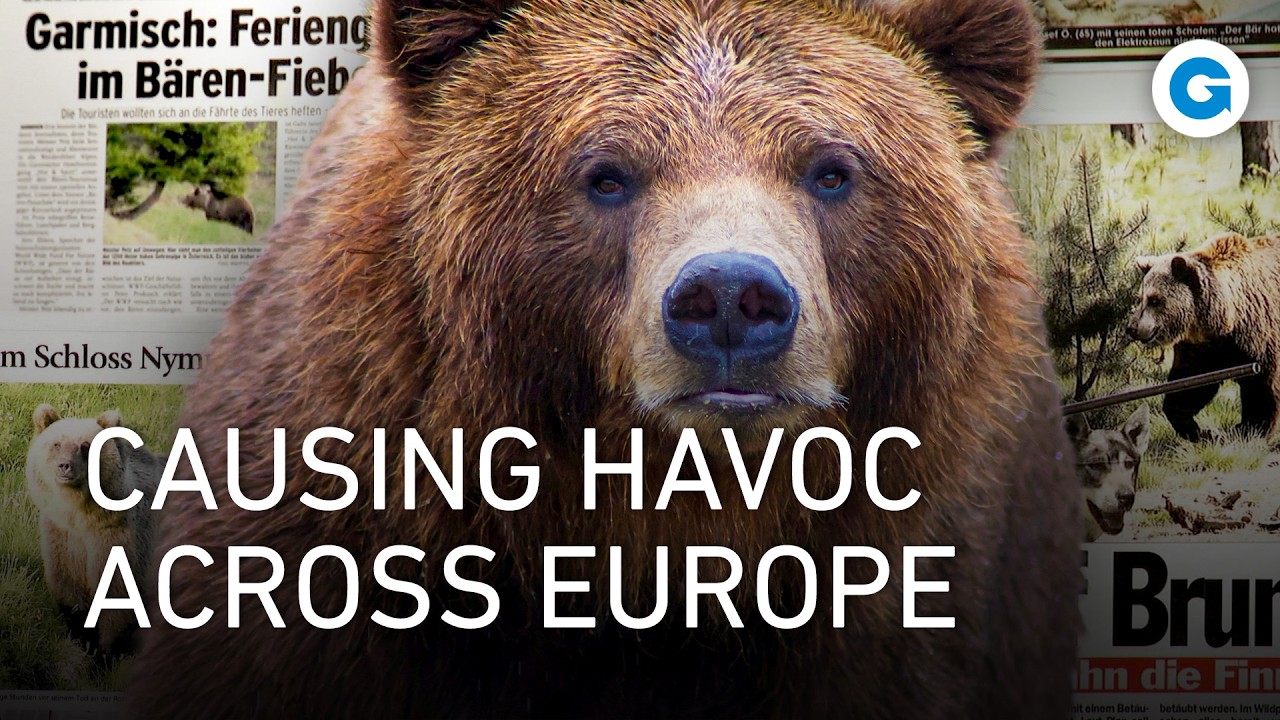
Bears are reclaiming their habitats across Europe, prompting a complex dialogue about coexistence between wildlife and human communities.
In the forests and meadows of Allenstein, Austria, diverse wildlife such as deer, foxes, and various bird species thrive in a delicate ecosystem.
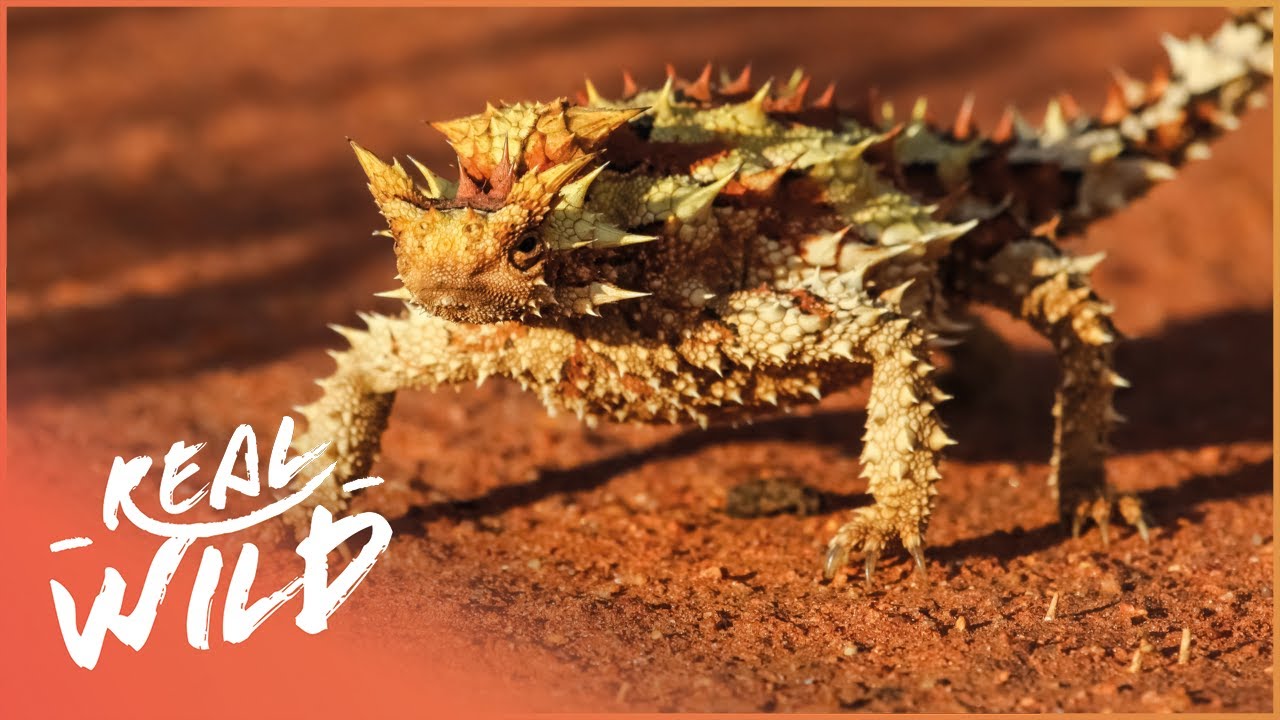
In New Zealand, wildlife such as the Thorny Devil and intelligent parrots must adapt to survive in environments shaped by volcanic activity and earthquakes.
A beam of light takes one year to travel 10 trillion kilometers, illustrating the vast distances in interstellar space.
In New Hampshire, Shauna Fraser practices yoga on a paddleboard while Mike LaVecchia crafts wooden surfboards in southern Maine, highlighting local culture and resources.
The Kinabatangan River stretches 560 kilometers from its source in the highlands of Sabah to the Sulu Sea, supporting a diverse range of wildlife.
More than 5,000 female turtles dig nests on the beach, each laying over 100 eggs in a race against predators and the elements.
Potential microbial life may evolve in the oceans of distant planets, including those in our solar system, challenging our understanding of alien biochemistry.
Lions and tigers compete for dominance in changing landscapes, showcasing their unique hunting tactics and social structures amid emerging human threats.
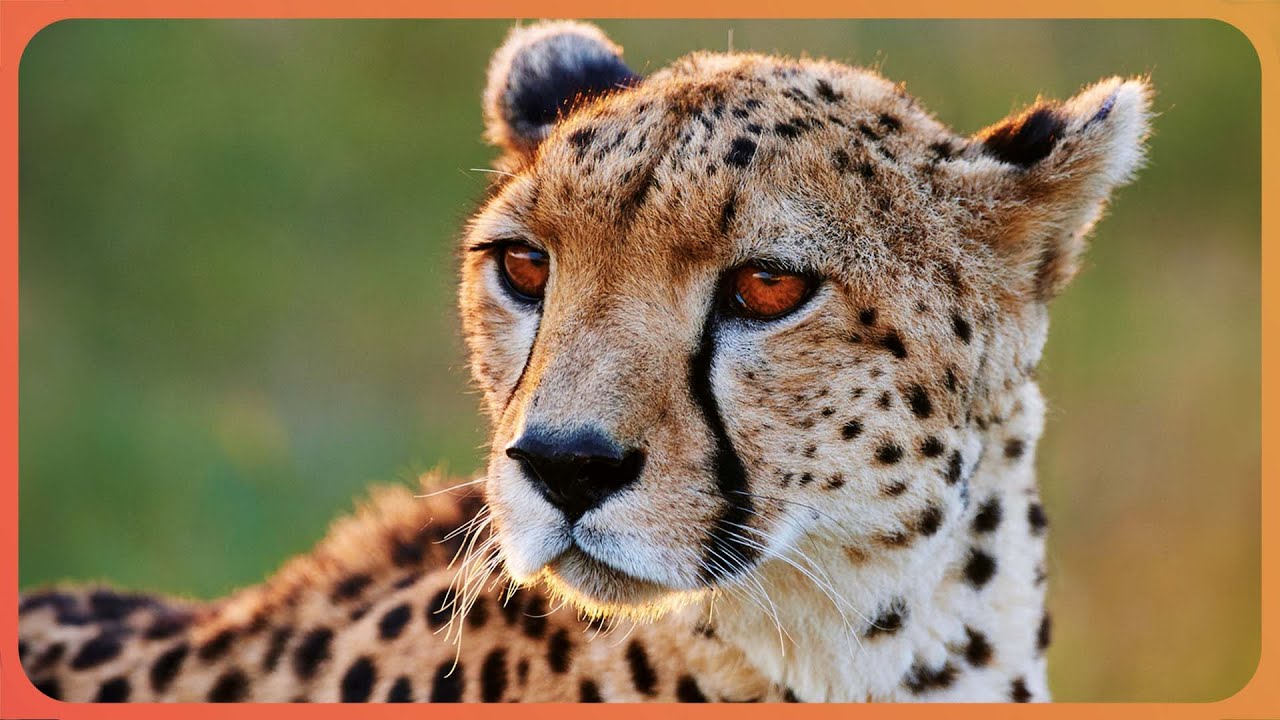
Cheetahs exhibit remarkable adaptations, including exceptional speed and acute sensory abilities, that enhance their effectiveness as predators in the wild.
In Langkawi, Malaysia, a World Champion in Snake Handling navigates the complexities of coexistence between humans and wildlife in the rainforest.
In the United States, more tigers are kept in captivity than in the wild, raising concerns about the implications for wildlife conservation and human-animal relationships.
Nearly 2,000 years ago, a population of salmon was forced to abandon their natal river due to volcanic eruptions that poisoned their habitat.
Rwanda's volcanic forests, savannahs, and wetlands host a diverse array of wildlife, including endangered mountain gorillas, chimpanzees, and powerful hippos.
A super volcano's magmatic chamber could fill the Grand Canyon in Colorado more than 11 times, posing a significant threat to global ecosystems.
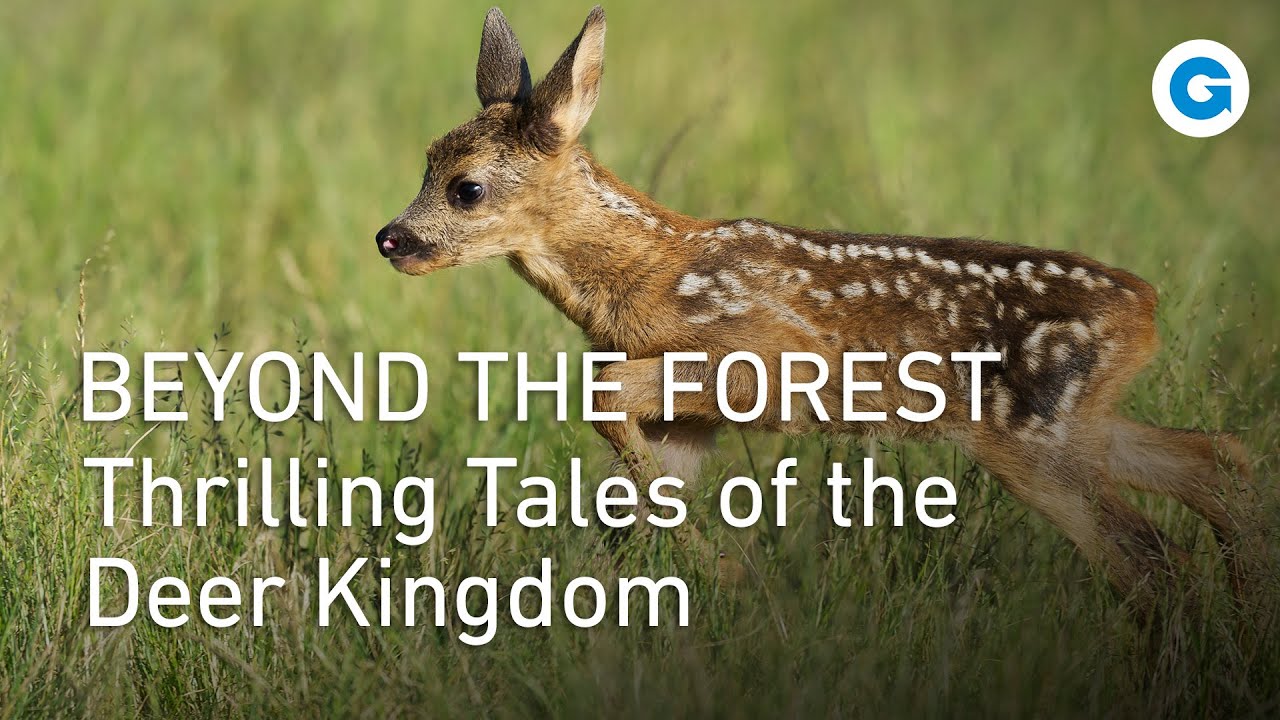
Deer, beloved symbols of the wild, reveal their lives through a year of growth, challenges, and fierce battles for survival and mating rights.
More than 20 homes were burned to ashes as bushfires engulfed suburbs in Queensland, Australia, amid catastrophic drought-like conditions.
Miss Marple, a rat, detects land-mines in Mozambique after training in Tanzania.
Honduras, with its primeval mountain cloud forests, Caribbean beaches, and the Mesoamerican Barrier Reef, showcases a rich tapestry of biological and cultural diversity.
Suspension bridges have roughly doubled their span every 50 years since their modern invention, connecting towns, cities, and even continents.
Dolphins coordinate in groups of three or four to increase their chances of catching prey, demonstrating the role of mutual aid in animal survival.
Africa's diverse ecosystems, from the Sahara Desert to the Serengeti, showcase iconic wildlife such as elephants and gorillas in their natural habitats.
Italian wolves are reclaiming their territory in the Alpine region, crossing from Southern Italy and integrating with Eastern European populations.
North America changes shape as glaciers form the Great Lakes during the Ice Age.
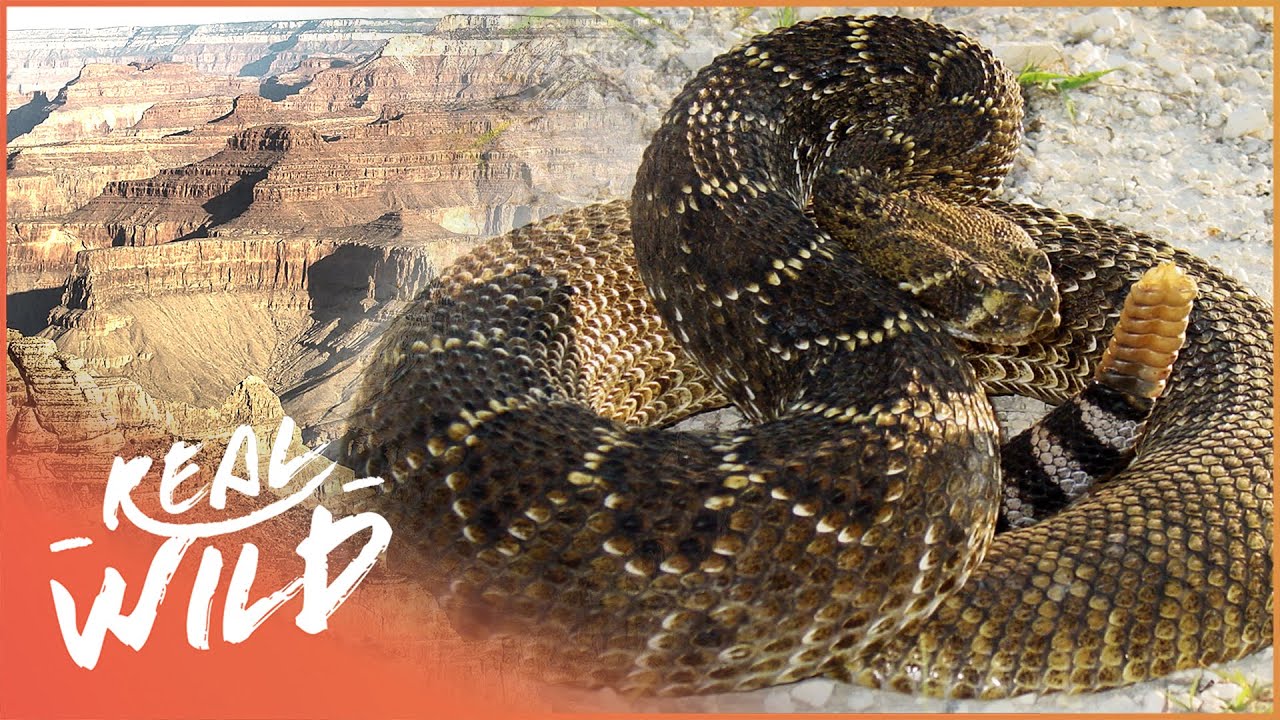
In the Grand Canyon, diverse wildlife, including elusive species, thrives in the unique desert ecosystem shaped by its ancient oceanic past.
Over 200 species of animals live in Berlin, including beavers that eat up to a kilo of greens every day while adapting to urban life.
In Jaipur, the Galta Gang faces trouble as Binita steals a policeman's radio, Esha disrupts a tailor's shop, and renegade Zamir returns.
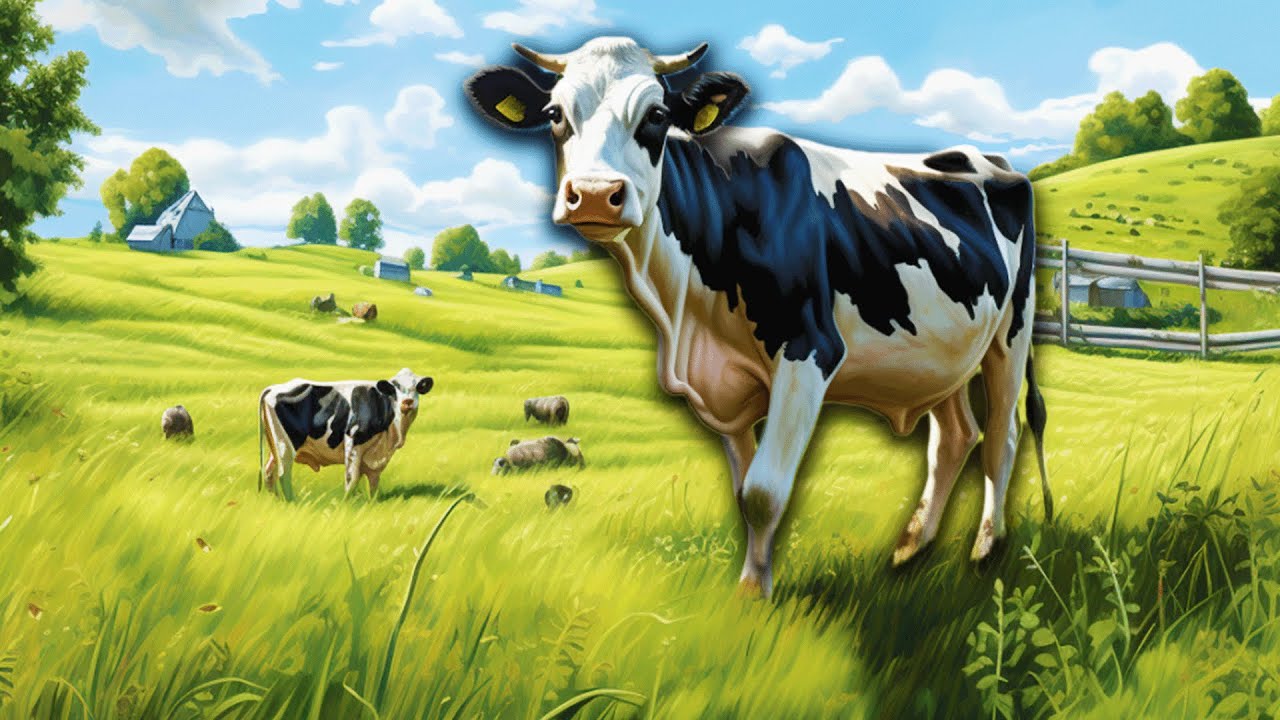
At HF Farm in southwestern Germany, farmer Alexander Zulich prioritizes the well-being of his dairy cows, allowing them to roam freely while showcasing their natural behaviors.
Flames soar more than 100 meters high in Canadian wildfires, threatening thousands of acres and prompting urgent firefighting efforts.
In Southwestern Europe, the Atlantic's warm currents foster a unique climate that supports diverse wildlife, including Chamois Mountain Goats and Grey Seals.
In the wild, Japanese macaques enjoy hot springs, while olive baboons exhibit complex social structures and young primates learn survival skills through play.
In South Africa's Kruger National Park, male lions hunt buffalo while a male ostrich guards its nest, illustrating the daily cycle of life and death in Africa.
The Islands region of Papua New Guinea, home to over a million residents, features stunning lagoons, dense forests, and active volcanoes.
In the Northern Territory's Litchfield National Park, Ben Cropp captures the vibrant ecosystem of a billabong, highlighting predator-prey dynamics among its diverse wildlife.
World-renowned naturalist Brian Keating explores the wildlife of Antarctica, featuring elephant seals and a large colony of king penguins at Gold Harbour, South Georgia.
Reptiles, including snakes, lizards, and the unique Tuatara, showcase their nurturing behaviors and complex lives, challenging common misconceptions about them.
Earth's diverse ecosystems are showcased through extraordinary animals like cheetahs, elephants, and octopuses, highlighting their unique abilities and characteristics.
True rainforests along the Equator, from Africa's gorillas to Borneo's orangutans and Ecuador's jaguars, highlight critical conservation efforts amid biodiversity loss.
Extreme habitats around the world, from Arctic ice to desert sands, host unique animals like snub-nosed monkeys and polar bears that have adapted to survive harsh conditions.
The Red Lionfish, equipped with venomous spines, poses a significant threat to Atlantic ecosystems as it invades foreign waters across three continents.
Chiemgau's landscape has transformed from barren moraine ridges and snow water dales into a region of gentle hills, moors, and rich cultural heritage.
A blue ringed octopus can deliver enough venom to kill 26 adult humans with a single bite.
In Jaipur, Queen Rani faces dire challenges as her alpha male Kamal is captured, her baby Teejay is lost, and the city celebrates the elephant festival.
Tasmania, an ancient island off Australia's southeast coast, boasts pristine wilderness, unique Gondwana vegetation, and stunning temperate rainforests.