From over 100,000 films, discover the handful you'll love.
Free or premium access to the world's largest documentary library.
7951 films(Page 60 of 166)
Sabertooths, Irish Elks, and Tasmanian Tigers are examined for their unique histories and the factors contributing to their extinction.
A 1,500 km canoe trip through six rivers in Canada’s wilderness aims to raise awareness about environmental protection and Indigenous rights.
In New York City, two million Norway Brown Rats have formed a distinct population, prompting ongoing battles between exterminators, scientists, and terrier hunters.
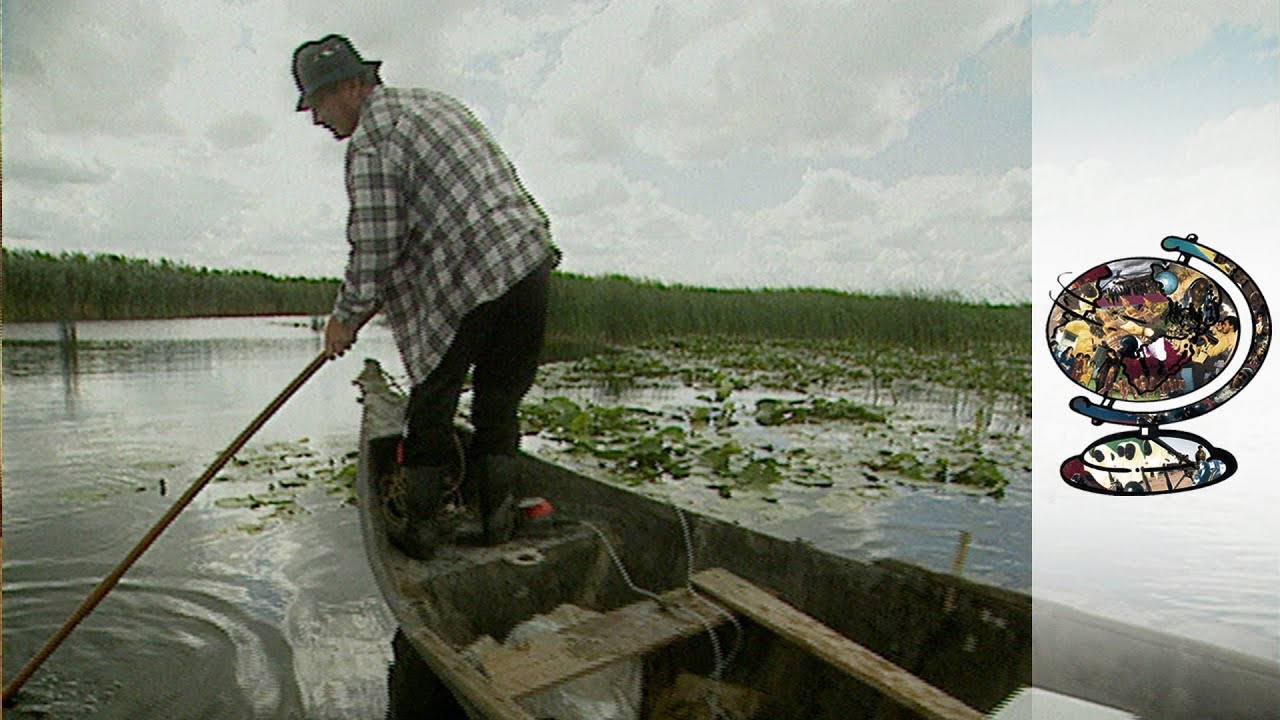
30,000 hectares of wetlands were drained under Nicolae Ceausescu's regime, leading to the loss of 200 lakes and devastating local ecosystems.
A mother otter struggles to raise her grown son, who cleverly manipulates her into letting him suckle as she prepares to move on.
Marty Stouffer tracks the elusive black bear in the Atchafalaya Basin of southern Louisiana, encountering various wildlife such as bobcats and alligators.
Innovative helicopter airdrops deliver food to isolated rock wallabies affected by Australia's Black Summer bushfires in 2019-2020.
Vienna's Hofburg Imperial Palace covers a vast area with 18 courtyards, 19 wings, and over 2,000 rooms, reflecting the city's imperial history.
Jorge Alesanco's years-long effort to gain acceptance from a pride of wild lions in Africa highlights the complexities of human-animal relationships.
Ants, crocodiles, rhino beetles, bears, and mantis shrimps compete to showcase their extraordinary strength and determine which is nature's ultimate powerhouse.
Ian Gordon, a leading shark specialist, examines the biology and behavior of the Great White shark, one of the ocean's most formidable predators.
Marty Stouffer examines various species of hummingbirds, including the ruby-throated, bee, black-chinned, rufous, broad-tailed, and calliope hummingbirds.
Insects are vital to ecosystems globally, exhibiting remarkable behaviors and adaptations across diverse environments.
Wildcats in Europe can weigh up to 18 pounds and measure three feet long, adapting to survive in forests and urban areas despite human encroachment.
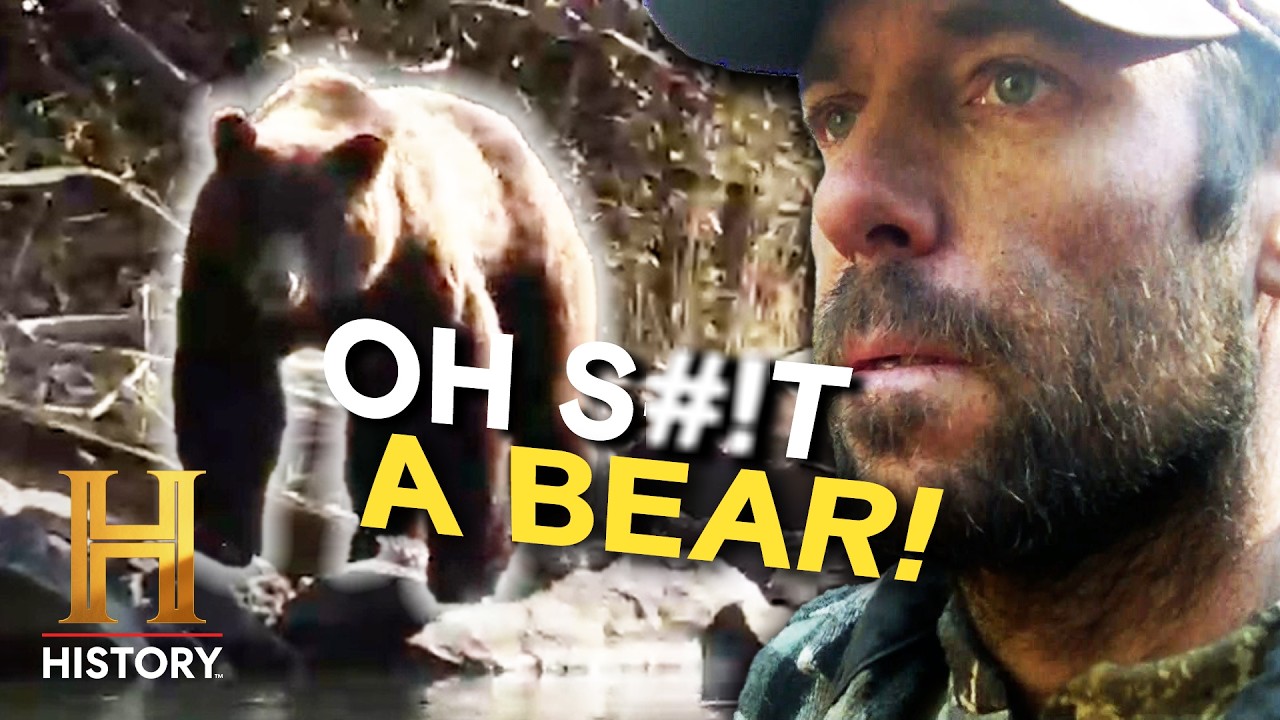
In polar bear territory in Labrador, Canada, ten survivalists face extreme challenges and life-threatening encounters while isolated in the wilderness.
Chester Zoo's chimpanzees receive daily feedings that emphasize the nutritional strategies implemented by the staff to ensure their health and well-being.
In diverse ecosystems from North American grasslands to African plains, animals like walruses, rhinos, and elephants utilize tusks and horns for protection and dominance.
Bears are classified into eight species, showcasing their adaptability as both large land predators and omnivores across diverse habitats like grasslands and the Arctic.
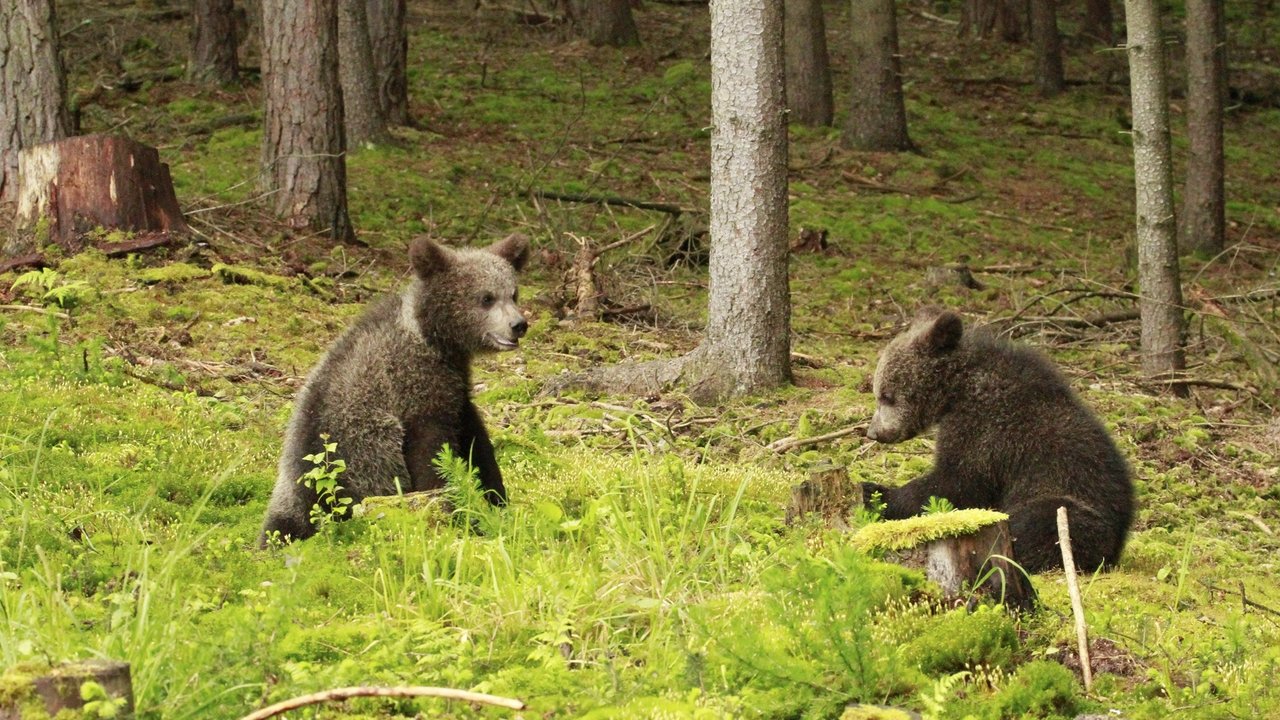
Two orphaned bear cubs, once destined to starve, are adopted by a man who becomes their caregiver as they grow from infants to mischievous teenagers.
At two of Britain’s largest zoos, unique interactions between animals and humans highlight their behaviors and relationships in a captivating wildlife series.
Cliffs along the Atlantic coast of Bretagne serve as a unique ecosystem, supporting diverse flora and fauna in the dynamic interplay of air and water.
Todd Gustafson, an ocean explorer and photographer, documents the beauty and fragility of marine life, including whale sharks and Hawksbill turtles, to raise awareness about ocean conservation.
Scientists reveal a Nobel Prize-worthy discovery that the universe is expanding at an accelerating rate, prompting new questions about its nature and implications.
Canada's Great Bear Rain Forest, home to the mystical Spirit Bear and a diverse ecosystem, is explored through the insights of local Gitga'at guide Marven Robinson and a team of scientists.
Majestic whales, graceful penguins, and powerful volcanoes illustrate the astonishing diversity of life and landscapes across Earth's most remote regions.
At Hamburg Zoo, various animal babies are showcased as they engage in charming adventures under the care of dedicated keepers.
The relocation of Asian elephants from Thailand to zoos in Sydney raises ethical questions about conservation and the role of zoos in species survival.
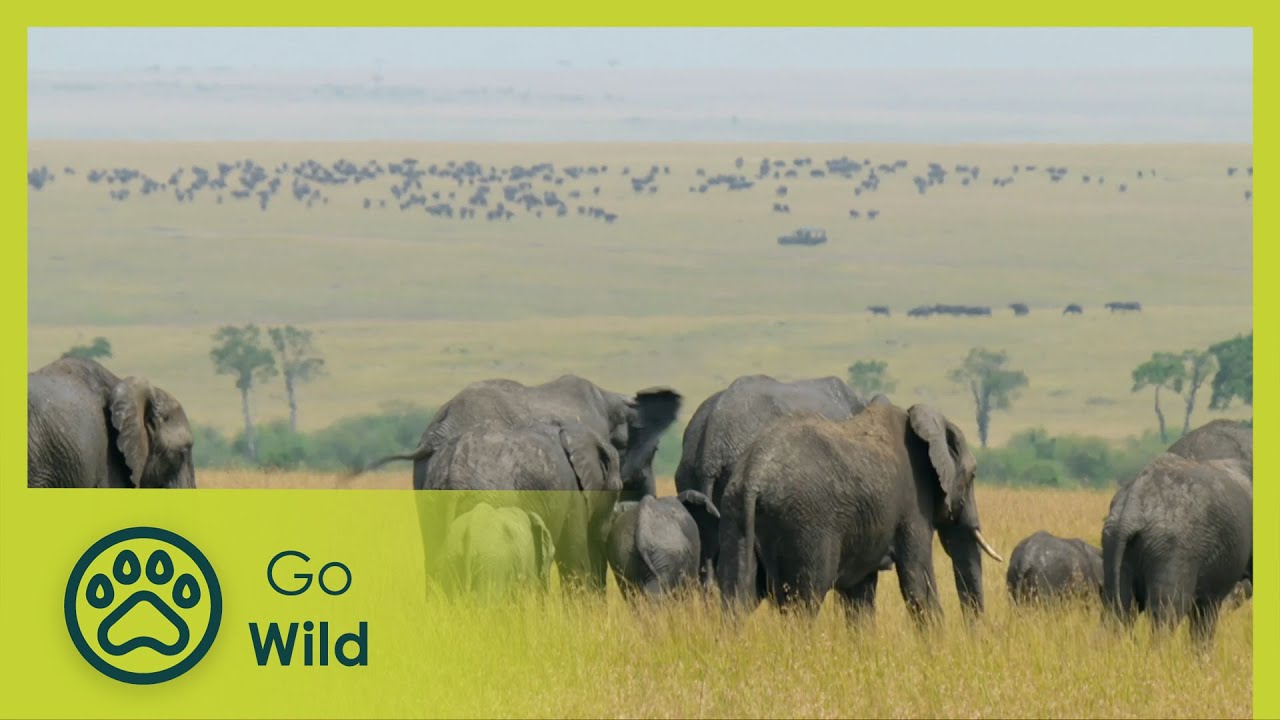
In Zambia's Luangwa River during the dry season, local wildlife, including elephants, lions, and hippos, navigate their daily survival amidst a delicate ecosystem.
At Hamburg Zoo, zookeepers monitor the health and development of an alpaca foal born with health issues, alongside other young animals like meerkats and seal pups.
Decommissioned naval vessels, like the USS Kittiwake in the Cayman Islands and the HMCS Annapolis in Canada, are transformed into artificial reefs that support marine life.
North America's deer family, including elk, moose, and caribou, employs unique survival tactics and adaptations to thrive in their diverse habitats.
In Africa's national parks, apex predators like lions and cheetahs navigate the harsh realities of survival, facing challenges during annual migrations.
Saltmarshes in Italy, from Sardinia to Venice, are home to wolves that have recently returned to hunt coypu and deer in the Po delta wetlands.
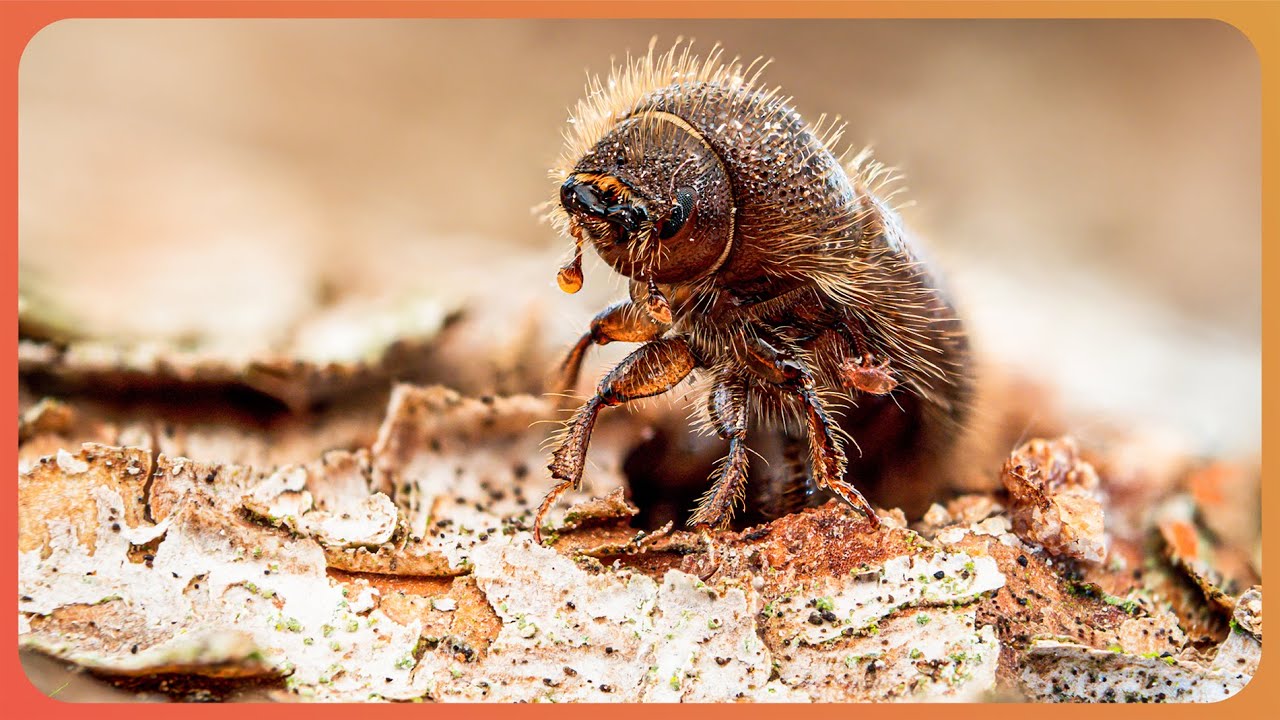
Dutch Elm Disease, spread by tiny elm bark beetles, threatens to decimate elm tree populations in America and Europe, prompting urgent scientific intervention.
Cousteau reported frogs over two feet long in Lake Titicaca, but current sightings suggest they may now weigh only about a pound.
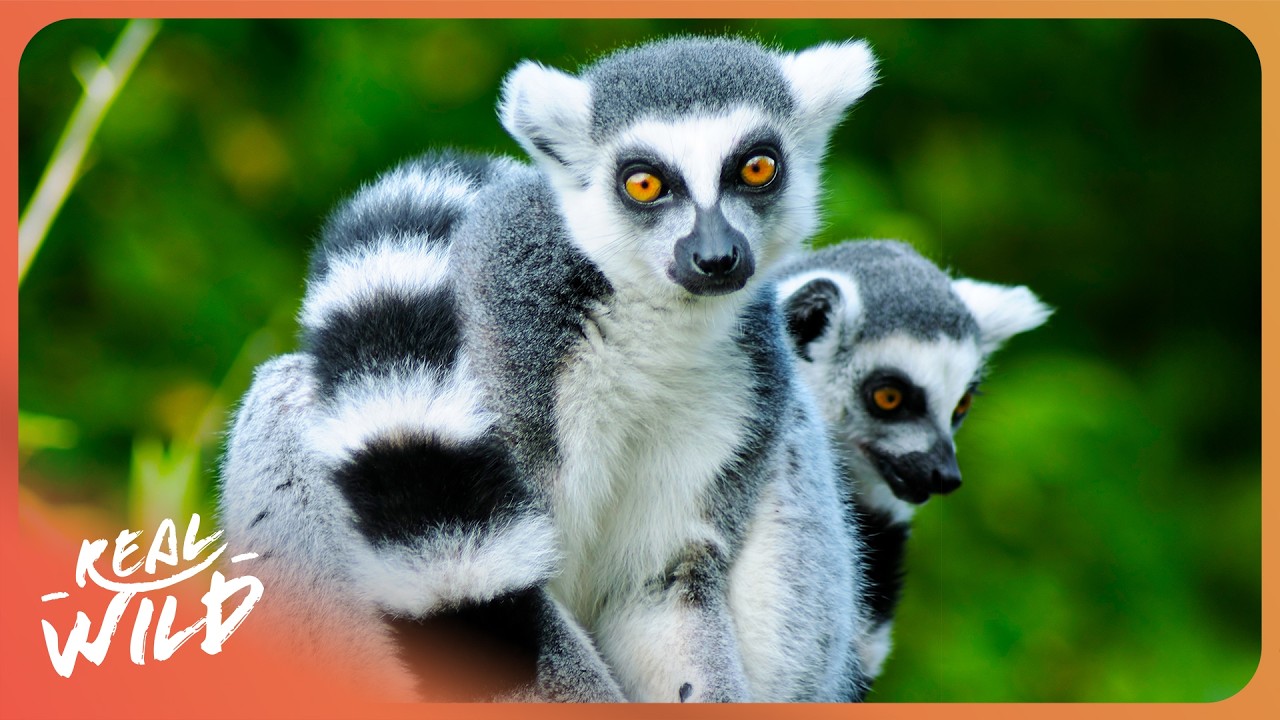
Madagascar's unique ecosystems, shaped by millions of years of isolation, support diverse wildlife, including endemic lemurs, chameleons, and culturally significant Zebu cattle.
In the Serengeti Plain, five non-related cheetahs form an unprecedented hunting pack, challenging traditional perceptions of their solitary behavior.
In remote locations across Iceland, Russia, Thailand, and New Zealand, stunning natural wonders like the stone giants of Manpupuner and Kamchatka's volcanic landscapes are showcased.
Insects, with around 1 million known species and an estimated 5 million yet to be identified, exhibit remarkable adaptability to thrive in diverse environments worldwide.
Finches on the Galapagos Islands are developing back into one species as urban falcons adapt to night hunting.
The diverse world of horses is explored through the lens of their first months of life, highlighting their development and unique behaviors.
A mother fox gives birth to six cubs, each weighing no more than 100 grams, in the Vienna Woods of Austria.
In Namibia's Oma Pride, lions exhibit complex social structures and hunting techniques, while sharks demonstrate unique predatory behaviors in their marine environments.
Charlie Sammut cares for two baby sloths, Bugsy and Bell, in his home, balancing their needs with the demands of running a zoo in Salinas, California.
Floodplain forests along the Danube River provide critical habitats for diverse wildlife, including otters, herons, and wild boar, thriving in a unique ecosystem.
In the south of Africa, the Mopane tree, known as the butterfly tree, creates a unique forest habitat for elephants, hyenas, lions, and various bird species.
Conflict arises in equatorial regions as farmers, animals, and conservationists navigate challenges, showcasing innovative solutions in Indonesia, Uganda, and Kenya.
Extreme light and dark conditions in places like Norway and the Sahara Desert challenge human adaptation, affecting emotional well-being and lifestyle choices.