From over 100,000 films, discover the handful you'll love.
Free or premium access to the world's largest documentary library.
7945 films(Page 34 of 166)
In Germany's Teutoburg Forest, the site of the 9 AD Varus battle, diverse wildlife thrives alongside unique winter phenomena at the Extern Stones.
Lady Eliot Island, Kangaroo Island, Lord Howe Island, and Macquarie Island showcase Australia's diverse wildlife, including manta rays, kangaroos, and king penguins.
In Sumatra, Indonesia, critically endangered orangutans face extinction due to rampant deforestation for palm oil, prompting volunteers to rehabilitate survivors.
Each year, humpback whales feed off Newfoundland's Atlantic Coast during springtime.
Whale sharks, the largest fish in the sea, face declining populations due to poaching and tourism pressures, prompting scientists to employ advanced tracking technologies for conservation efforts.
In Devon, a lone wolf faces banishment for bad behavior, while Bristol Zoo showcases the mating habits of the eastern quoll and a hedgehog hospital addresses parasite prevention.
Venom sea snakes, with venom ten times more powerful than a rattlesnake's, gather in coastal caves on the tiny island of Kudaka for fresh water.
In southern China, vibrant rice-growing cultures coexist with a diverse array of unique wildlife, showcasing the region's rich natural beauty and complexity.
The number of wild wolves in Germany nearly doubled last year to 120, marking a significant return of large predators to the region.
In Nova Scotia's Bay of Fundy, Dr. Tim Fedak's team excavates dinosaur fossils at Wasson's Bluff while Tyler Shaw investigates ancient footprints in the Minus Basin.
White shark tourism, particularly in South Africa and Western Australia, faces scrutiny due to increased shark attacks linked to baiting practices.
In Singapore's waterways, otter families, macaques, pythons, and stingrays adapt and thrive amidst the city's complex water networks.
Animal rights activists along South Africa's Garden Route engage in diverse protection projects for endangered species, including penguins, lemurs, and great white sharks.
Menorca, a Spanish island designated as a biosphere reserve over 25 years ago, showcases its unique wildlife and landscapes that are home to endemic species.
The Cat Ba Langur Conservation Project helps increase the critically endangered langur population.
Eight million people live in New York City, where thousands of species have adapted to urban life, often unnoticed amid the bustling metropolis.
Wildlife filmmakers encounter a range of experiences, from polar bears in Siberia to sharks off South Africa, highlighting the dangers and emotions of nature.
A humble river in north-west Germany showcases the vibrant Banded Demoiselle dragonflies and the unique hunting techniques of kingfishers and dippers.
The compilation features a baby penguin's first steps in Antarctica and crocodiles attacking thirsty bats in Africa, highlighting diverse animal behaviors.
Fishing in Alaska presents extreme dangers, as local fishermen navigate treacherous waters while remaining committed to their perilous profession.
Charlie Ottley explores the Carpathian Mountains, highlighting their rich biodiversity, cultural history, and the conservation efforts led by figures like HRH The Prince of Wales.
12,000 chamois now thrive in the Tatra Mountains, a significant recovery from just 200 at the turn of the millennium due to strict conservation efforts.
Freediver Frederic Buyle holds several world records and collaborates with cameraman Christian Pétron and scientist Dr. Johan Mourir to study hammerhead sharks in French Polynesia.
Monkeys, ranging from Pygmy Marmosets in the Amazon Basin to Mandrills in Africa, exhibit unique behaviors such as grooming for peacemaking and using cheek pouches for food storage.
Animal migrations and survival strategies illustrate how wildlife adapts to the challenges of a constantly changing environment.
A sooty tern can spend the first four years of its life entirely on the wing, avoiding water to prevent drowning in the Pacific Ocean.
Dr. Glen Burns studies sea snakes, whose venom is far more potent than that of most terrestrial snakes, with just a few drops enough to kill a human.
Colin Devey visits a Stone Age cult site on Lewis Island, where stones have stood for 3,000 years, reflecting the ancient history of Europe.
Sperm whales, dolphins, sea otters, and sea birds illustrate the intricate relationships and resilience of marine life, while coral reefs and the Komodo dragon highlight vital ecosystems.
Costa Rica's rain forests and ocean waters showcase the diverse wildlife and ecosystems that thrive in one of the world's most biodiverse regions.
Moorlands across Europe, from Norway to Portugal, showcase a unique ecosystem where diverse flora and fauna coexist in a challenging coastal environment.
Extraordinary landscapes around the globe reveal the remarkable adaptations of their inhabitants and highlight nature's solutions that inspire modern technology and medicine.
Speed, stealth, teamwork, and ingenuity characterize the hunting strategies of various animals as narrated by Sir David Attenborough in stunning 4K visuals.
In the turquoise waters of the Grand Bahama Bank, pregnant lemon sharks gather while white-tip reef sharks hunt at night, showcasing their predatory behaviors.
In central Spain, 80 kilometres from Madrid, an ancient forest supports a diverse ecosystem where species like golden eagles and barn owls thrive.
Half of the astronauts at a press conference celebrating their arrival in space experienced nausea, forcing them to hide themselves to vomit.
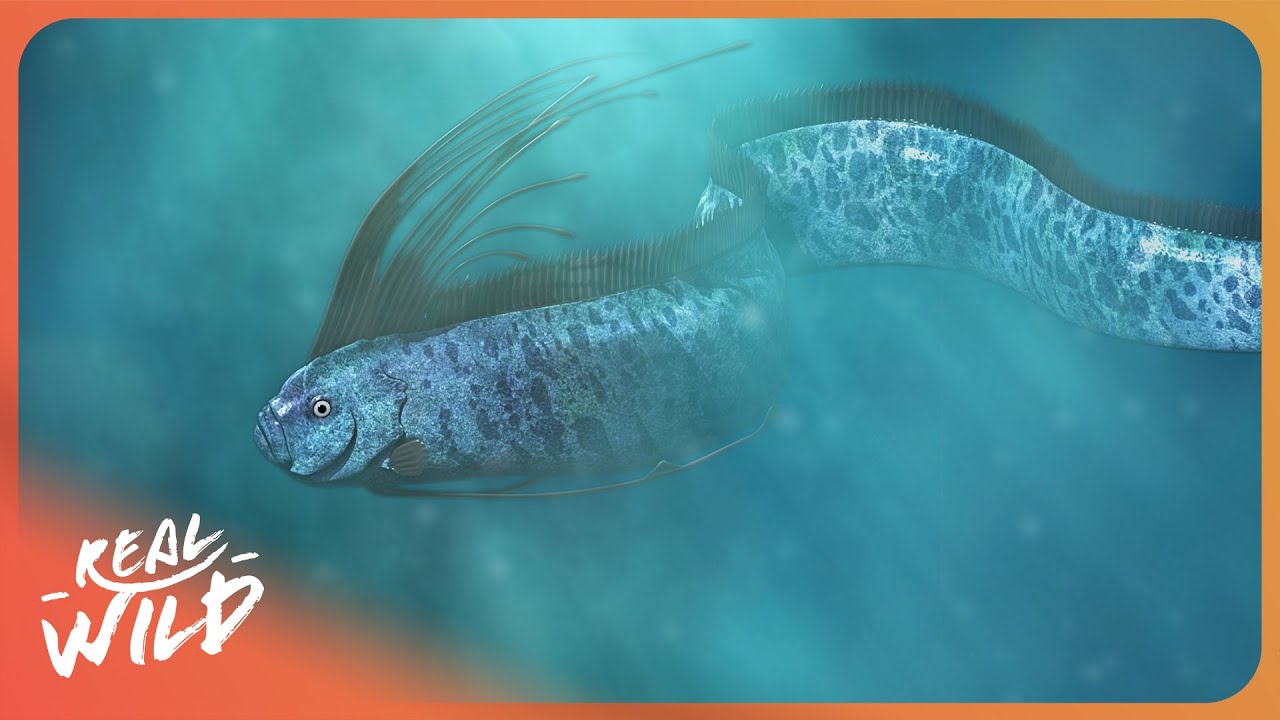
The oarfish, a mysterious deep-sea creature long associated with myths of sea serpents, is studied by scientists in its natural habitat, revealing new insights into its biology and behavior.
More than 700 grizzly bears live in Yellowstone, foraging for food during the summer months while facing the challenges of a changing environment.
Rodrigo Medellin, known as the Bat Man of Mexico, argues that bats contribute to agriculture and tequila production, despite common misconceptions about them.
In 2013, 's Pristine Seas team, led by Enric Sala, explored New Caledonia's reefs, contributing to the protection of 28,000 km of marine ecosystems in 2018.
Human-leopard conflict in Sri Lanka is examined through historical cases of man-eating leopards, including the infamous 'Man-eater of Punanai' from the 1920s.
Life couldn't survive without water, and creatures here are born to swim and thrive underwater.
In Indonesia, the Sedna 4 team collaborates with biologists Achmad and Denny to conduct a population census of Komodo dragons while exploring local coexistence.
A 300-liter stomach allows the Pacific sleeper shark to consume large amounts of food, illustrating the scavenging habits of marine life in the ocean.
Underwater communication among fish is explored through advanced video and audio technology in the Mediterranean Sea's coral reefs and ancient shipwrecks.
In the Maasai Mara, experts guide a live safari experience focused on observing wildlife, including a new baby elephant, lions, and buffalo.
Colombia's Chocó region and Serranía de la Macarena showcase some of the planet's most biodiverse ecosystems, featuring species like leatherback turtles and jaguars.
In Rühstädt, known as "Europe's Stork Village," white storks face fierce competition for nesting sites and survival while attracting bird-loving tourists.