From over 100,000 films, discover the handful you'll love.
Free or premium access to the world's largest documentary library.
7943 films(Page 126 of 166)
Emily Witt discusses the #NeverAgain movement after the Marjory Stoneman Douglas shooting.
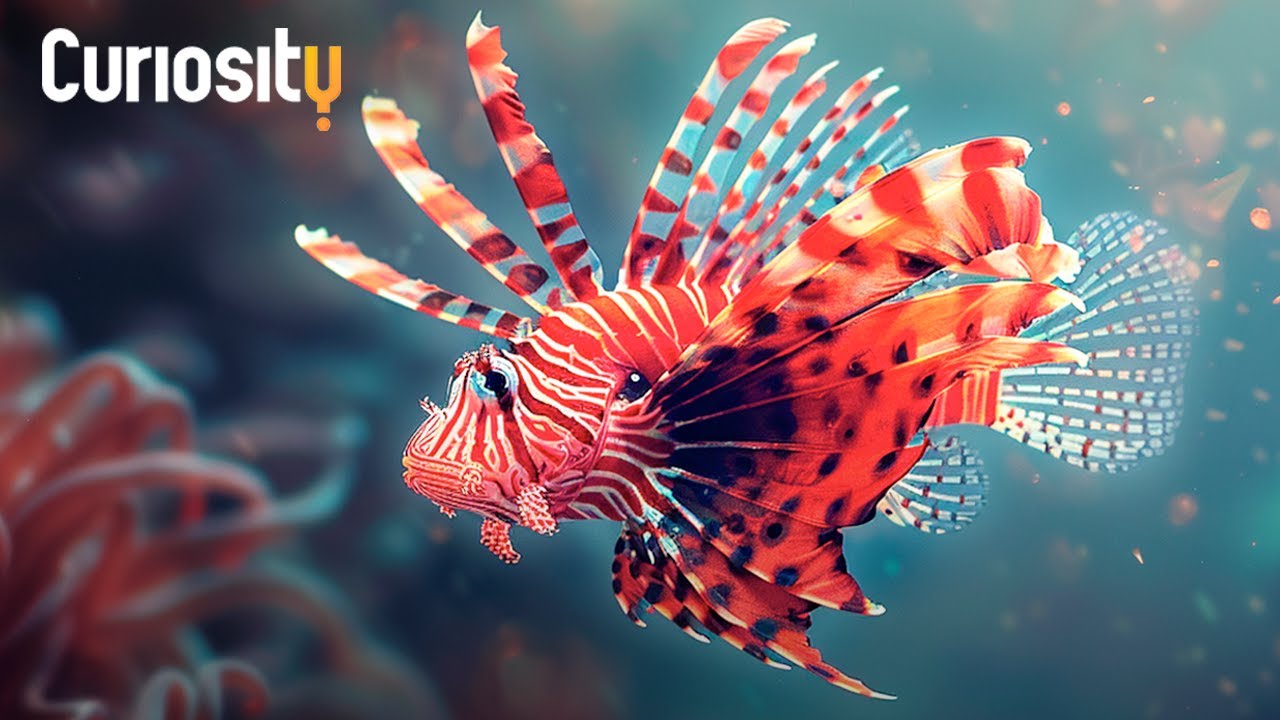
A single red lionfish can reduce native plant-eating fish populations by 79%, leading to unchecked algae growth on coral reefs.
Myxozoans, a group of tiny and simple animals, evolved from larger and more complex ancestors, challenging the conventional view of evolutionary progress.
Starfish, with a history spanning nearly half a billion years, illustrate the deep evolutionary connections among familiar marine animals.
The evolution of walruses over nearly 20 million years reveals that their tusks are not linked to their feeding habits, challenging previous assumptions.
In 1903, Orville Wright took off at Kitty Hawk, North Carolina, achieving the first successful powered flight after years of self-directed experimentation.
In Haryana, Pawan Kumar challenges traditional gender norms as he pursues his dream of becoming a ballet dancer after receiving an invitation from choreographer Ashley Lobo.
Chirag Malhotra, a 25-year-old actor from Delhi, faces a reality check during a three-day outdoor challenge in the mountains as he considers leaving city life.
In southernmost cities like Urichi Beach, Lloyd Esla searches for ambergris, a valuable substance from sperm whales sought after by the luxury perfume industry.
Turtles possess unique adaptations and survival strategies that enable them to thrive in diverse ecosystems around the world.
The Marianas Trench, the deepest subduction zone in the world, has not caused a devastating earthquake since records began in the 17th century.
Laura and Richard cope with the loss of their dog Dylan while preparing for cloned puppies.
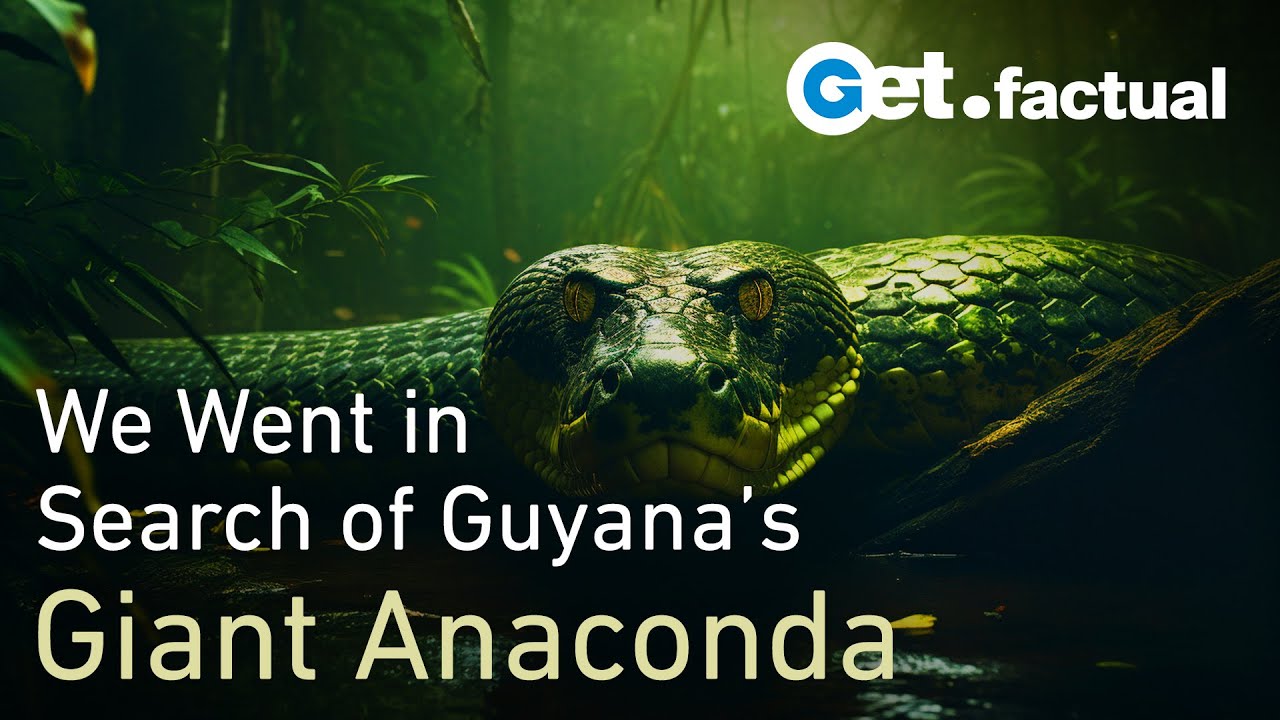
In the rainforests of Guyana, a team of German wildlife photographers and biologists uses advanced technology to study the myths and realities of giant anacondas.
Weasels exhibit an extreme body plan that challenges metabolic limits, prompting exploration of their evolutionary adaptations and the reasons behind their slender physique.
Mystacodon, the earliest known mysticete, raises questions about the origins of baleen and how these ancient whales lived without it.
In 2003, Majete Wildlife Reserve in Malawi was nearly devoid of wildlife, but now hosts lions, leopards, elephants, and rhinos due to conservation efforts.
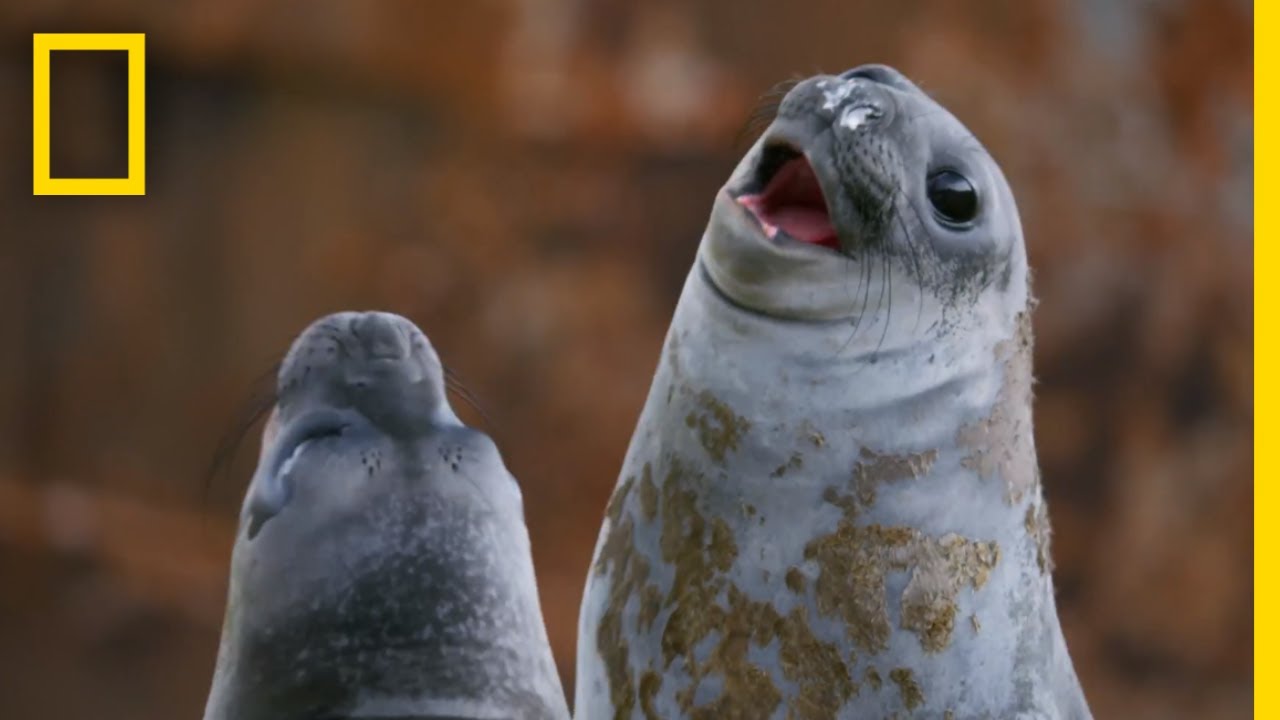
Bertie Gregory and his team explore South Georgia Island, highlighting the recovery of fur seals from 400 to over 3 million after its whaling past.
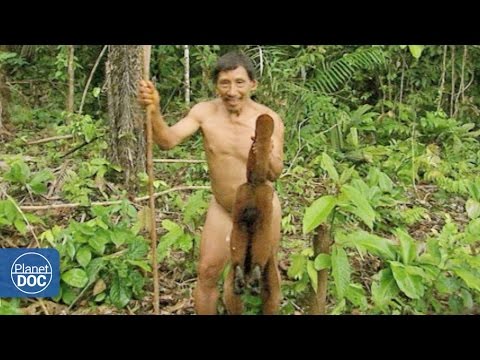
20 meters is the distance a Huaorani hunter targets with his blowpipe during a competition to determine the best marksman in the tribe.
In Yasuni National Park, the Huaorani people of Ecuador navigate the challenges of modernity while preserving their unique culture and traditions in the Amazon rainforest.
Hubble Space Telescope engages in ambitious projects to enhance astronomical data collection.
Hubblecast highlights Galileo Galilei's first telescope demo and Hubble's discoveries.
Manny Puig embarks on a midnight hand fishing expedition, encountering large fish and a crocodile in Florida's waters.
The Saga returns to the harbor as huge swells threaten the crew's safety in the Bering Sea.
The Orinoco Basin is home to 250 different species of mammals and over 100 reptiles, many of which face threats from habitat loss and human activity.
Komodo dragons feed on dead bodies left by locals, showcasing their predatory behavior.
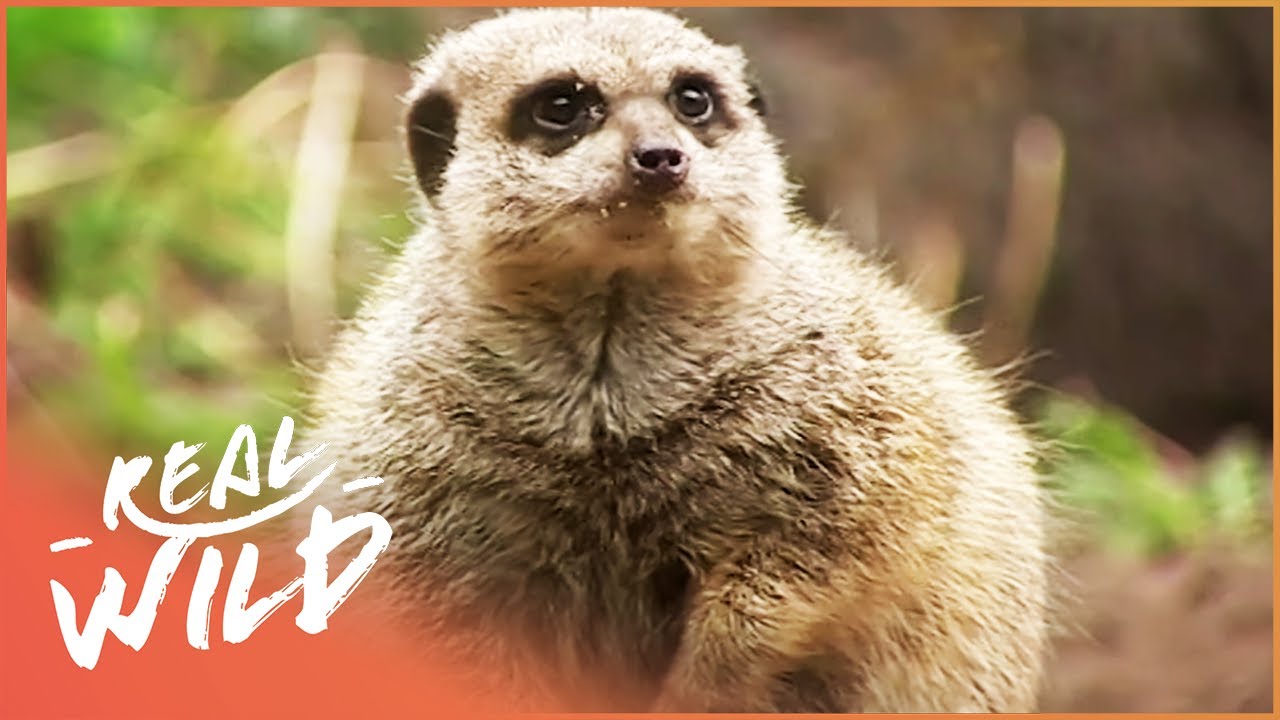
In a new pen at a British zoo, a family of meerkats playfully argues over food, highlighting their social interactions and behaviors.
Kodiak Island in Alaska is home to the largest brown bears in the world, which rely on salmon for energy during their annual coastal gathering.
In the Plains of Venezuela, over twenty bird species employ unique fishing techniques to coexist and thrive in a competitive ecosystem.
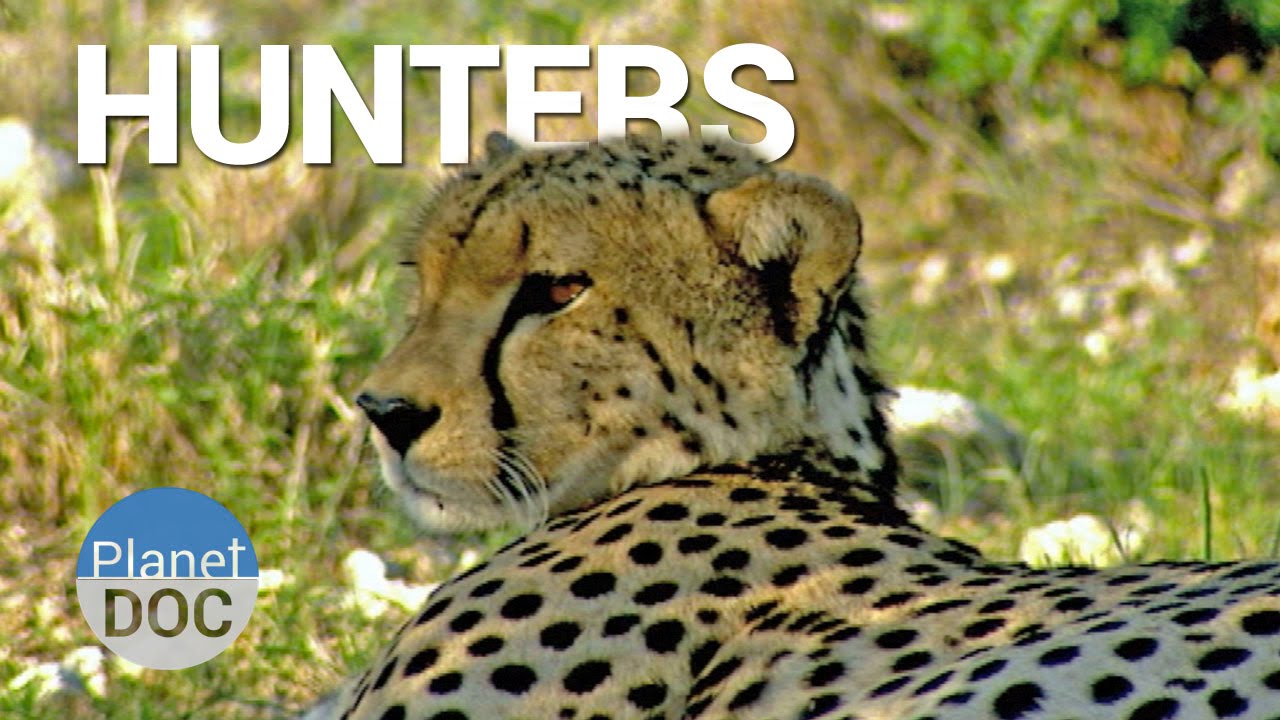
In Namibia, bushmen rely on sight to hunt large prey on the African savannah in this Spanish video.
In Shaba, young warthogs engage in playful activities like wrestling and playing football with elephant dung to develop the skills necessary for survival.
Hunters push past exhaustion in Season 5, Episode 7 while hunting pythons in panther country.
A team investigates livestock mutilations in North Carolina, where animals have been found drained of blood, potentially linked to the chupacabra legend.
Hurricane Florence dropped 10 trillion gallons of rain on North and South Carolina in its first five days, causing widespread flooding and power outages.
A truckload of people escapes the Superdome after Hurricane Katrina, as poet Shelton Alexander documents the chaos and challenges faced by evacuees.
Hydrothermal vents, first discovered in 1977 near the Galapagos Islands, are unique ecosystems where chemosynthesis supports diverse marine life at extreme ocean depths.
In the African savanna, an elephant herd fiercely defends baby Binti from a hyena clan, highlighting the challenges of wildlife survival and ecosystem dynamics.
Hyenas use distinct scents to communicate gender, rank, and dating status in their social lives.
Coyote Peterson intentionally subjects himself to the stings of some of the most painful insects in the world, including the Executioner wasp.
In the rugged landscapes of Utah, Ivan Carter and a team of experts track and manage wild bison to gather health data and attach satellite collars.
Behavioral ecologist Iain Couzin examines how locusts swarm and the dynamics of human societal functioning, highlighting collective behavior in nature.
A program approved in February 2001 aims to achieve a population of 70 Iberian lynxes in captivity for reintroduction into the wild.
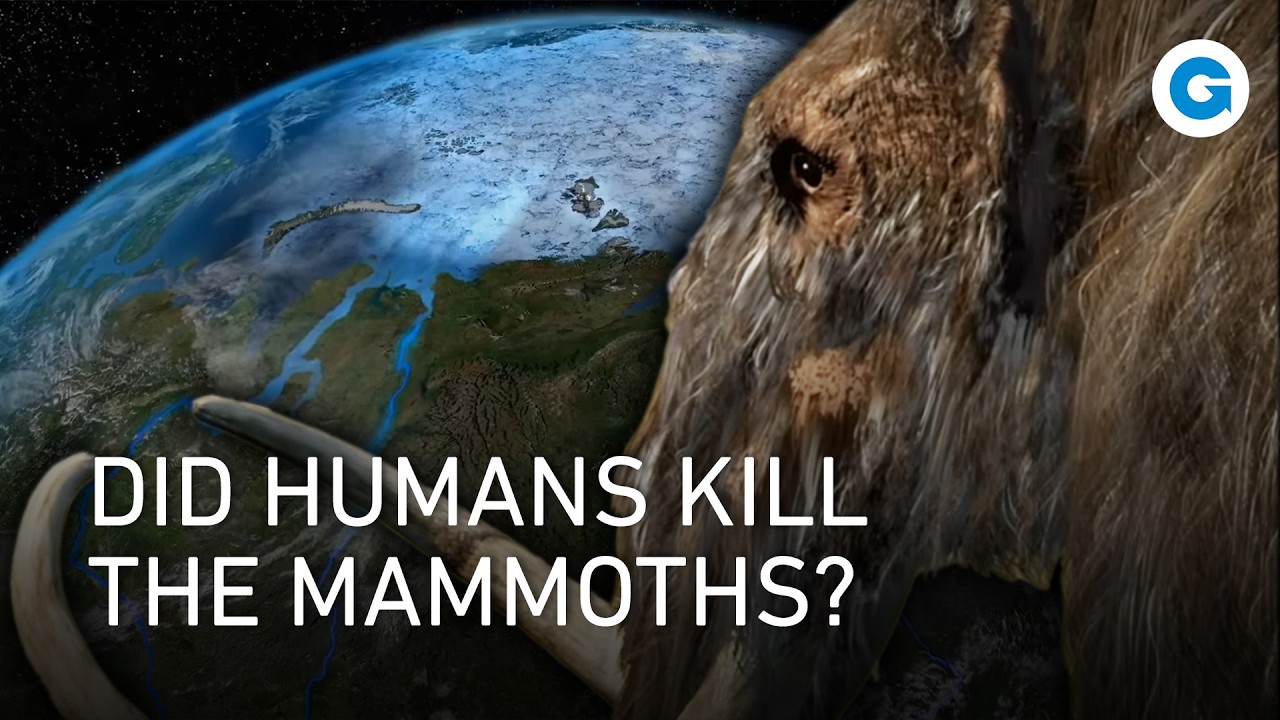
Over 1,000 mammoths died at a site in Predosti, suggesting human involvement in their extinction during the late Pleistocene epoch.
Two experienced climbers scale the Crystal Pillar in Canada, demonstrating their skills against the backdrop of this impressive natural formation.
The King Crab species dominates new territories with impressive and scary abilities.
The Achuar people of the Amazon forest are highlighted for their unique way of life and connection to nature, reflecting Alexander von Humboldt's legacy.
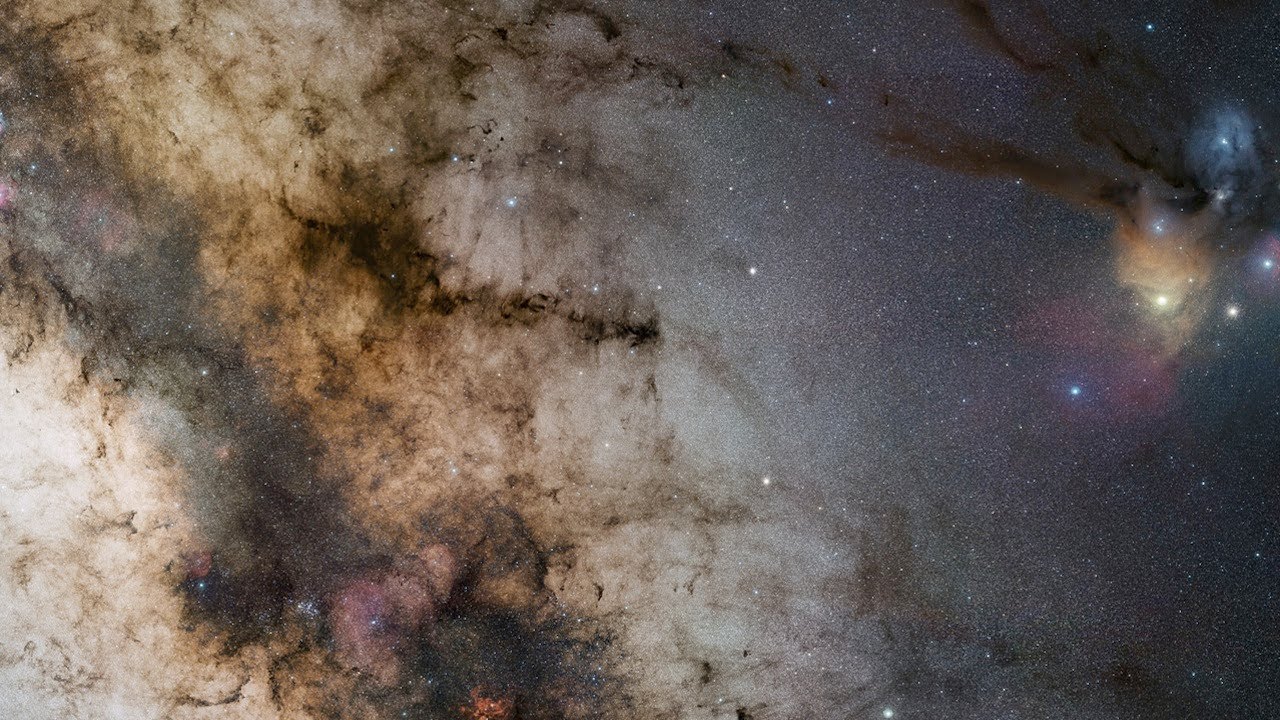
Dr. J discusses the European Southern Observatory's quest for pristine skies in Chile's Atacama Desert.
Wild geese soar high in the clean blue air, symbolizing a call to imagination and connection in a world that offers itself to all.