From over 100,000 films, discover the handful you'll love.
Free or premium access to the world's largest documentary library.
7951 films(Page 4 of 166)
The Aletsch Glacier, the largest in the Alps, is surrounded by diverse wildlife, including alpine ibex and red deer, adapting to the changing seasons.
Coral reefs are showcased in a 10-hour loop featuring vibrant underwater scenes, highlighting the beauty and diversity of marine ecosystems.
5,500 cubic miles of fresh water are stored in the Great Lakes, which are vital for drinking water and local ecosystems across North America.
Over 12,200 meters long, the Great Barrier Reef is home to more than 9,000 species, including the highly intelligent day octopus.
A giant squid measuring 24 feet long, with tentacles each six feet, is displayed at the Vasco da Gama Aquarium in Lisbon, Portugal.
In the Inner Hebrides, green hills, sandy beaches, and a mild climate support unique wildlife and cultural events, including the World Skimming Championships on Easdale Island.
Viewers discover Lord Howe Island's unique biodiversity and ongoing nature discoveries.
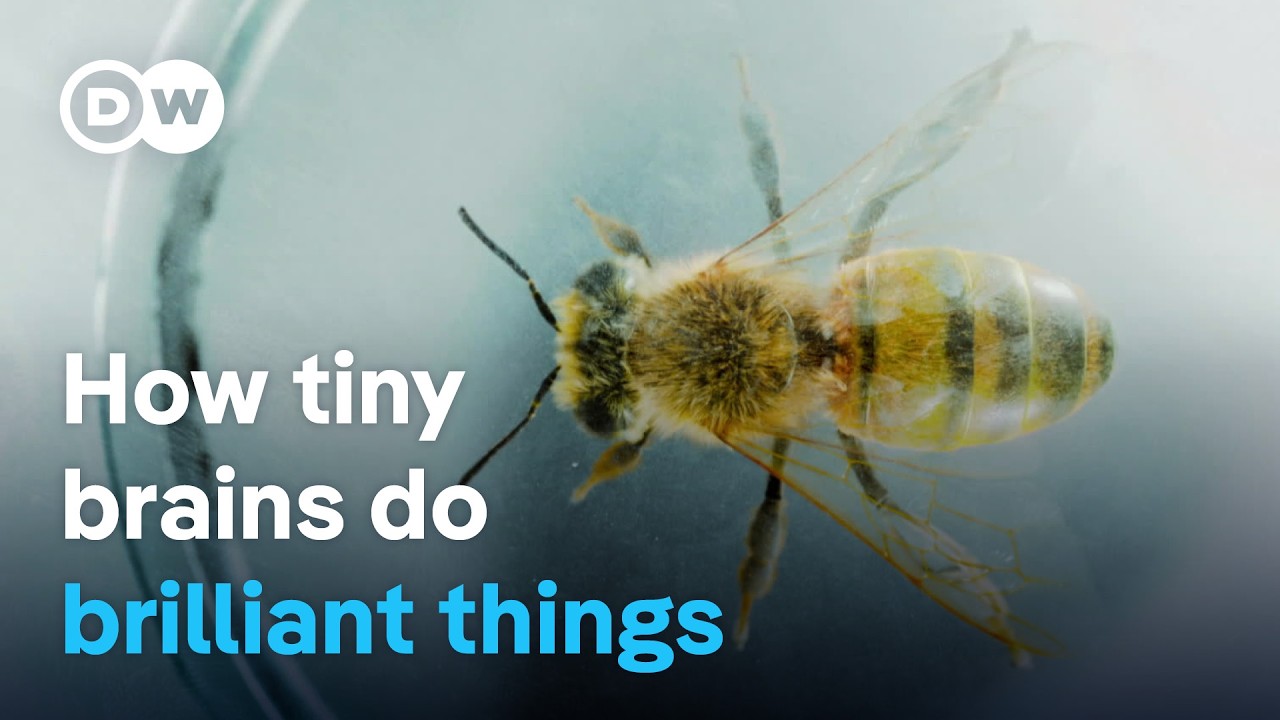
Six bumblebees learn to pull a thread to access sugar water in an experiment, demonstrating their ability to solve new tasks for rewards.
A Louisiana water moccasin slithers through the abandoned grounds of Six Flags New Orleans, now a habitat for wildlife since Hurricane Katrina.
90 square kilometers of forest are lost worldwide every day, threatening the balance of ecosystems across various climates.
Fast radio bursts, detected 500 million light years away, provide insight into the universe's mysteries and the conditions on Earth during its early history.
Switzerland, known as Europe's water tower, is explored through its alpine landscapes, glaciers, and the sources of major rivers like the Rhine and Rhône.
The Amazon rainforest covers over 2 million square miles and shelters one in every 10 species known to science, playing a vital role in the planet's ecosystem.
More than 10,000 galaxies exist, each containing up to 100 million solar systems, raising questions about the potential for extraterrestrial life.
Madagascar's chameleons, including the world's smallest species at 2.5 cm, have evolved unique hunting adaptations and face survival challenges from hatching alone.
Enjoy 10% off Hoverpens with free shipping to Canada and Europe in this engaging video.
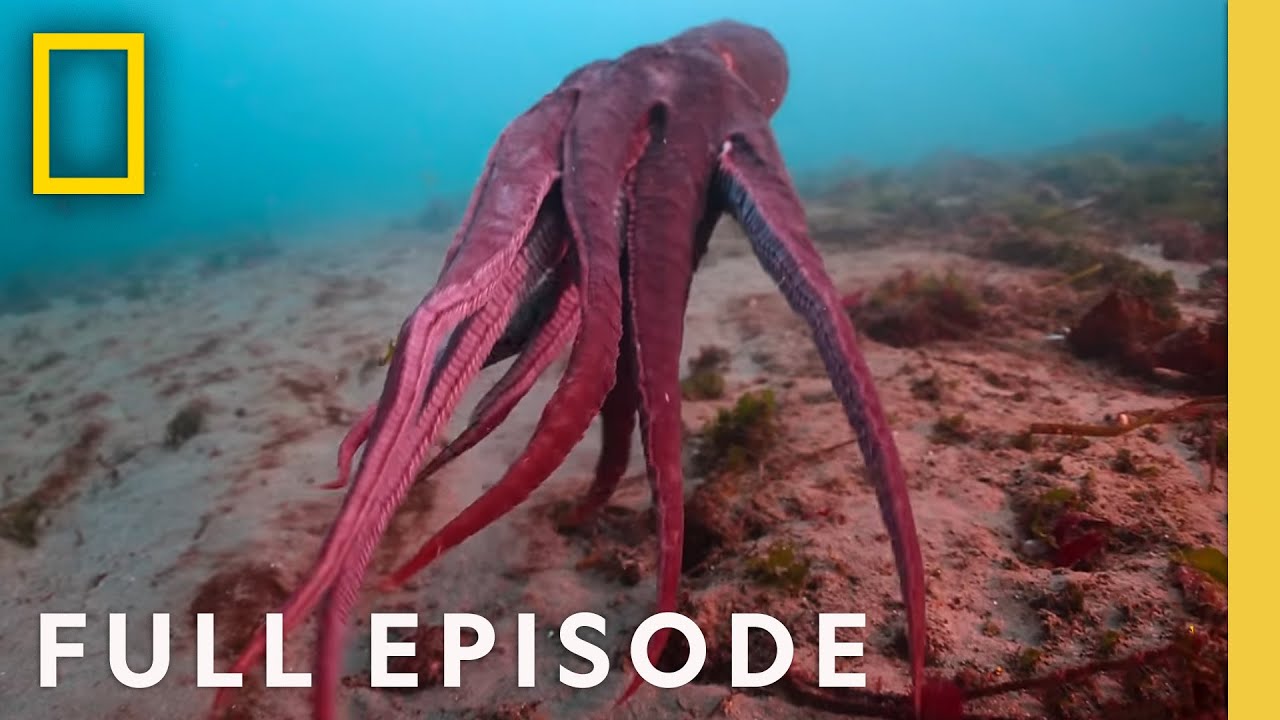
A female giant Pacific octopus guards her eggs for over seven months, slowly starving to death while ensuring their safety.
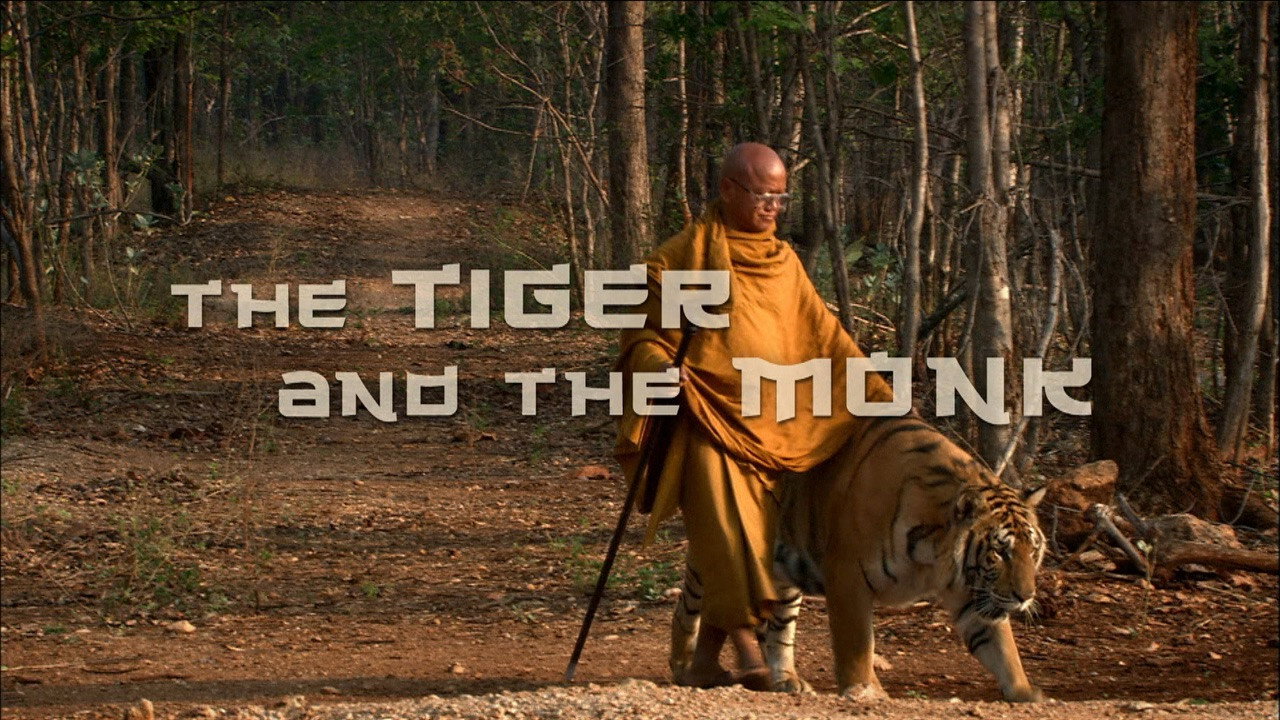
Sixteen tigers live at Wat Pa Luangta Bua, a forest monastery in Thailand, where they are cared for by a small group of Buddhist monks.
The Mara River meanders for nearly 400 kilometers through the Maasai Mara, serving as a critical lifeline for wildlife during the annual migration.
More than 10 male anacondas coil around a single female during their annual breeding ball in Guyana's tropical lowlands.
A male spider performs an elaborate dance to win over a female, who ultimately kills him despite his efforts to meet her expectations.
Only 10% of Olive Ridley turtle hatchlings survive on the Costa Rican coast as they face predators and environmental changes.
Twenty-five natural wonders, including Mount Everest, Victoria Falls, and the Great Barrier Reef, are showcased across diverse global landscapes.
Ten bird-watching locations across Germany, including the Westerwald and Havelland, showcase diverse avian life, from silver herons to migratory ducks.
Three-toed sloths spend between 15 and 20 hours of each day fast asleep, while the Amazon rainforest faces threats from deforestation and environmental change.
Hawk Cave on Socotra measures 2.5 kilometers long and features unique stalagmites and stalactites that are significant for climate change research.
Ecuador is home to 1,600 bird species, representing 13 percent of the world's total, as ornithologist Xavier shares his passion for avian life.
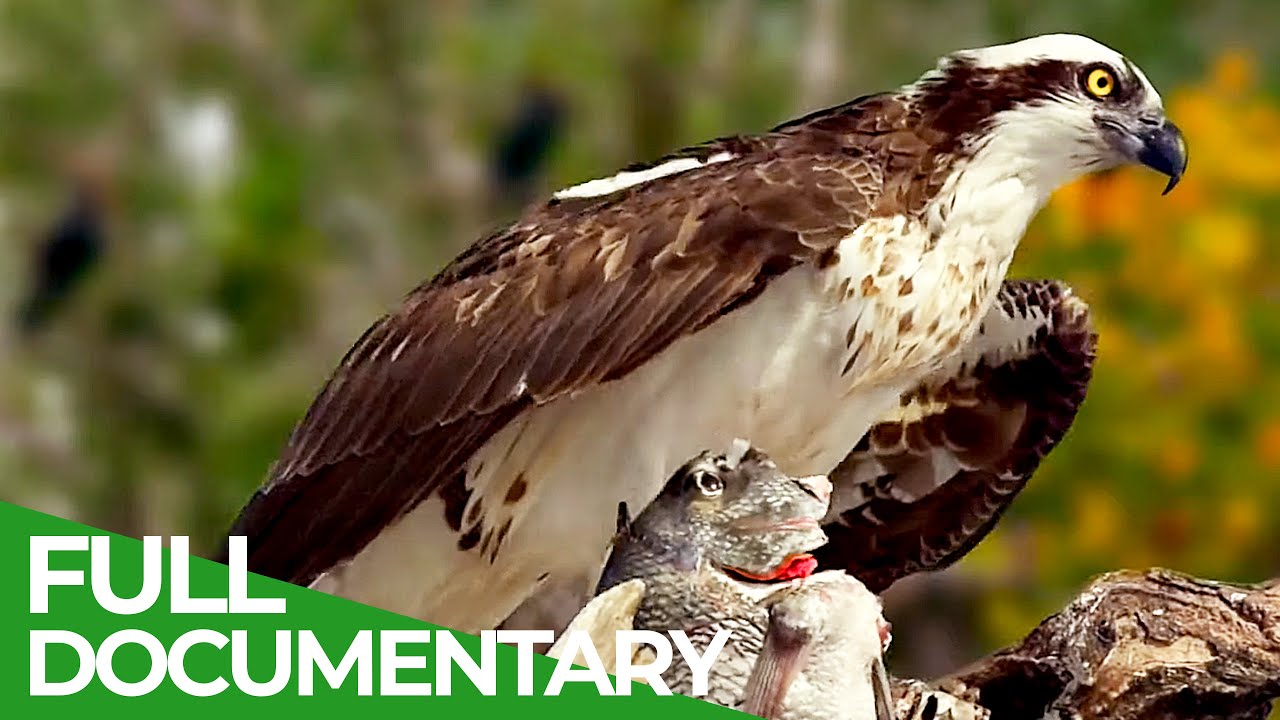
Scotland's 500 islands off the Atlantic coast are home to diverse wildlife, including red deer, grouse, and returning otters and ospreys.
Nearly 300 deaths have been linked to a six-meter-long crocodile named Gustave in Burundi over the past decade.
A female mountain lion and her eight-month-old cub search for food in the Grand Canyon, a chasm 277 miles long.
Cold seeps, formed by the subduction of oceanic plates, create unique ecosystems that support diverse chemosynthetic life, including mussels and tube worms.
A super volcanic eruption could release ash over half the United States, potentially leading to millions of deaths and widespread famine.
A grey seal pup weighs 14 kilos at birth, only a tenth of its mother's weight, and must quickly learn to find food and stay safe in the ocean.
A fighter jet that was more advanced than current models sits abandoned on an airfield after losing a multi-billion dollar competition in 1985.
The Mekong River produces an annual 2 million tons of fish, more than the entire Mediterranean Sea, supporting a rich ecosystem in Laos.
In Mumbai, Conor Woodman encounters a taxi scam upon arrival and explores the city's vibrant yet challenging landscape, including a Bollywood scam.
Steve Arnold unearthed a record-setting 1,430-pound meteorite in Kansas in 2005, which was later dubbed the million-dollar rock.
In a remote nature reserve in Sumatra, Indonesian tycoon Tomy Winata leads a unique conservation project aimed at rehabilitating and releasing captive-born Sumatran tigers into the wild.
Fossil evidence reveals how birds, the only surviving dinosaurs, adapted and evolved after the asteroid impact that caused the mass extinction 66 million years ago.
1,300 kilometers of the Alps present extreme conditions where animals like wolves and deer adapt to survive temperatures as low as minus 40 degrees.
A filmmaker ventures into the perilous depths of the ocean at night to capture the elusive creatures that inhabit this mysterious underwater world.
Jim and Jamie Dutcher spent six years living with a pack of wolves in Idaho to highlight the social and intelligent behaviors of these often-misunderstood animals.
A robber crab can weigh up to four kilograms and has a leg span of one meter, making it the largest terrestrial invertebrate on Earth.
A research vessel travels along the Hellenic Trench, where sperm whales navigate the Mediterranean's depths, reaching 5,125 meters.
In Indonesia's Jambi Province, the critically endangered Sumatran tiger faces extinction due to habitat loss and human conflict, prompting urgent conservation efforts.
Just 12,000 years ago, Tasmania separated from the Australian mainland, creating a unique environment for its diverse wildlife, including the Tasmanian devil.
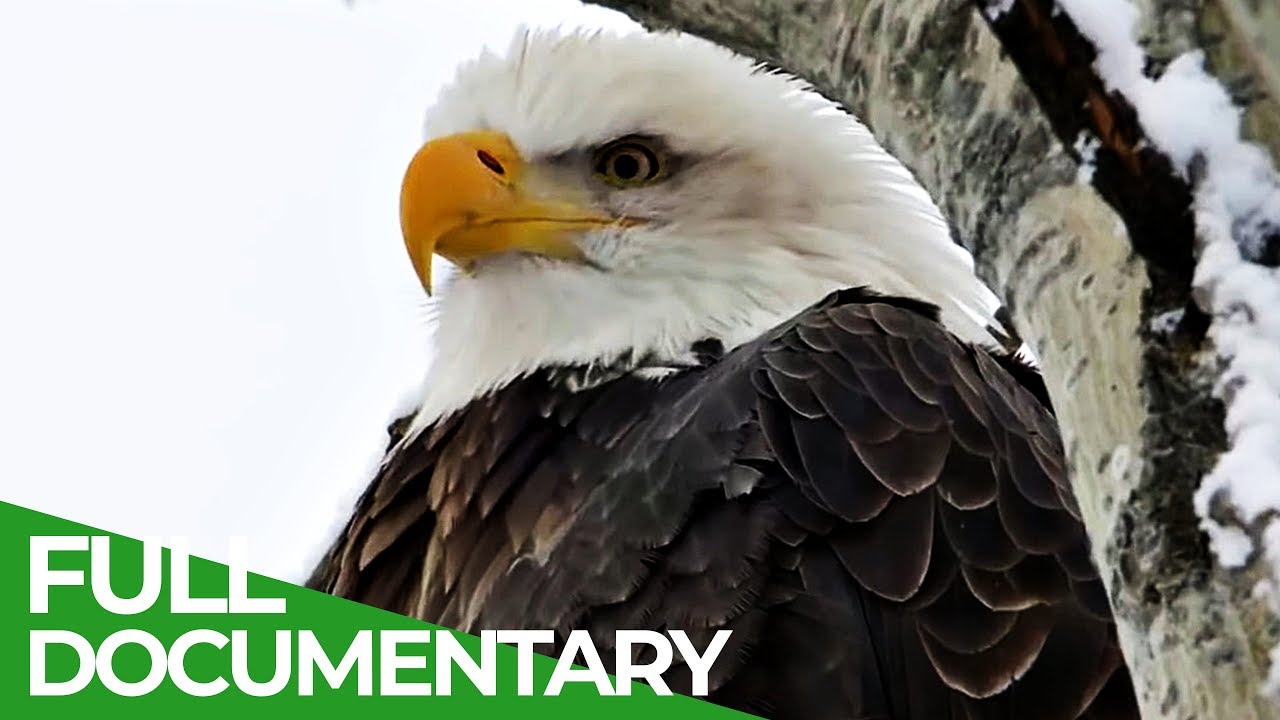
As many as 400 pairs of bald eagles live in Chilkoot State Park, Alaska, relying on the salmon migration in the Chilkat River for survival.
The Sava River floods by approximately ten meters each year, creating a vital floodplain that protects cities like Zagreb and Belgrade from disaster.