From over 100,000 films, discover the handful you'll love.
Free or premium access to the world's largest documentary library.
7951 films(Page 67 of 166)
In the rainforests of Central and South America, diverse species thrive in a lush environment characterized by over 300 days of rainfall each year.
Over 200 billion stars populate the Milky Way, which has guided animals for hundreds of millions of years without artificial light sources.
Berlin's urban landscape hosts a diverse array of wildlife, including sparrows, badgers, and raccoons, thriving alongside its human population.
In Katmai National Park, Alaska, an immense brown bear known as "Swap Meet Sam" navigates the challenges of survival as winter approaches and food sources dwindle.
In Serengeti, Tanzania, a lioness named Lucia and her cubs face the challenges of survival while humans contend with conflicts over livestock.
In California, towering redwoods create a unique ecosystem that supports diverse wildlife, including black bears, coyotes, and mountain sheep.
The Danube River's ecosystem is examined through its natural water fluctuations, the impact of human activities, and the challenges faced by its diverse wildlife.
Darkness in the countryside reveals a vibrant night sky filled with stars and northern lights, prompting questions about our fear of the night.
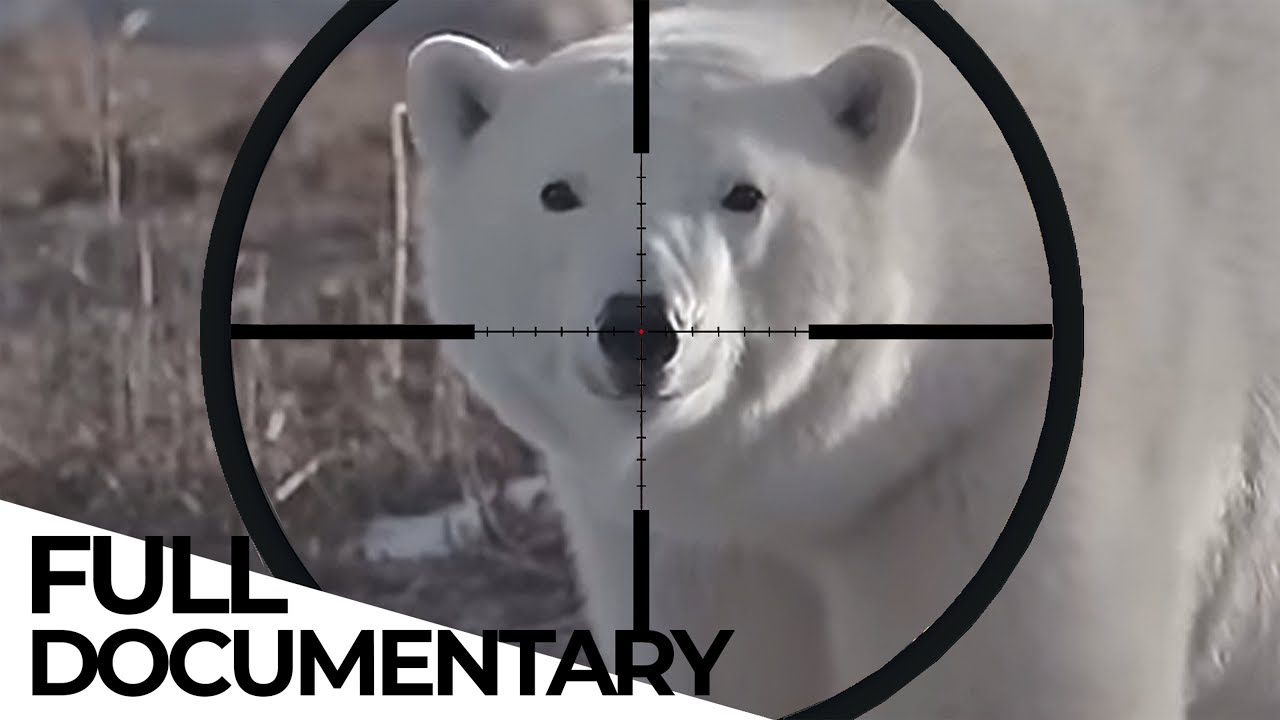
In Churchill, known as the 'Polar Bear Capital,' journalist Michel Abdollahi examines the legalities and ethical implications of polar bear hunting.
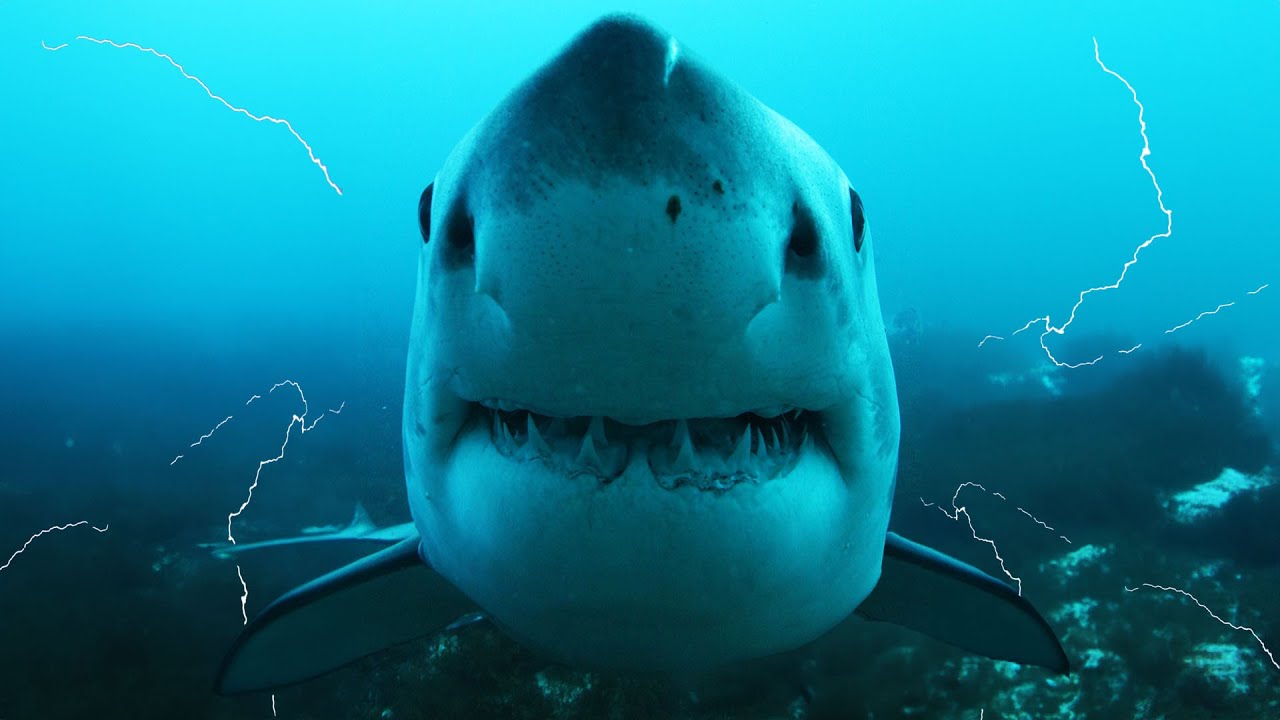
Sharks utilize electroreception to detect prey, showcasing their unique adaptations alongside other animals that perceive magnetic fields and electrical signals.
Over 2,000 guests gather for a Toraja funeral, where families must organize elaborate ceremonies and sacrifice more than 40 buffalo to honor the deceased.
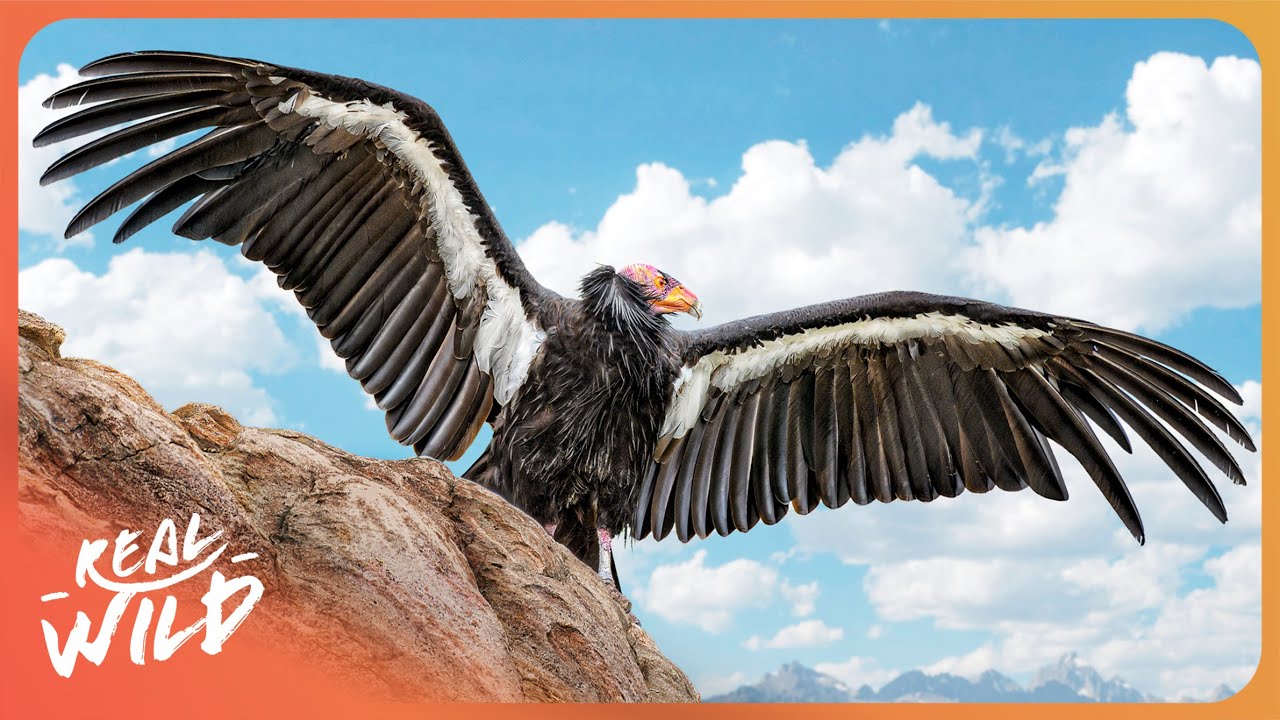
California Condors, once nearly extinct with only 22 individuals remaining, are being saved from lead poisoning through dedicated conservation efforts in Arizona.
Mart Stouffer examines the various functions of bird bills in species like pelicans, toucans, and hummingbirds, emphasizing their importance in feeding and communication.
Insects can lay eggs in various ways, with some species taking up to two years for their eggs to mature before hatching.
Hyenas, often misunderstood as mere scavengers, demonstrate their hunting prowess by attempting to steal a lion's prey and chase a wildebeest giving birth.
Interactions between humans and sharks at global diving sites like the Poor Knights Islands are explored, focusing on safety measures and research technologies.
A mock competition sees Stephen and his team practice flying to prearranged targets in New South Wales ahead of the Canowindra International Balloon Challenge.
Norway's stunning landscapes host glaciologist Heidi, snowkiter Aleksander Lyngberg, and ice musician Terje Isungset, showcasing the beauty of the Arctic.
Young predators in the animal kingdom, including lion cubs and killer whale calves, learn essential hunting skills and survival strategies from an early age.
In Thailand's wilds, animals face challenges in finding mates and raising their young, requiring commitment to ensure their survival against various dangers.
In the British countryside, tracker Ian Maxwell employs tactical techniques to locate and analyze apex predators, revealing their survival strategies in the wild.
Ian Max Maxwell tracks jaguars in Brazil's Pantanal, elephants in Namibia with the Himba tribe, and Himalayan bears in Nepal's rugged terrain.
The Pantanal region of Brazil features diverse ecosystems, including flood plains and dry forests, supporting unique wildlife like the maned wolf and hyacinth macaw.
A legendary population of coastal wolves in British Columbia's Great Bear Rainforest has developed unique survival traits, remaining untouched by human interaction.
In Greenland, polar bears coexist with traditional subsistence hunters while scientists study the impact of global pollution on Arctic ecosystems.
Hippopotamuses, responsible for more human deaths in Africa than any other animal, are explored through the tracking and survival skills of Brittany and Anga in the jungle.
Moles, capable of shifting twenty times their body weight and digging extensive tunnels, engage in fierce battles for territory while a diverse ecosystem thrives beneath the surface.
Urban foxes and resilient plant species adapt to human-altered environments, highlighting the importance of environmental protection for wildlife survival.
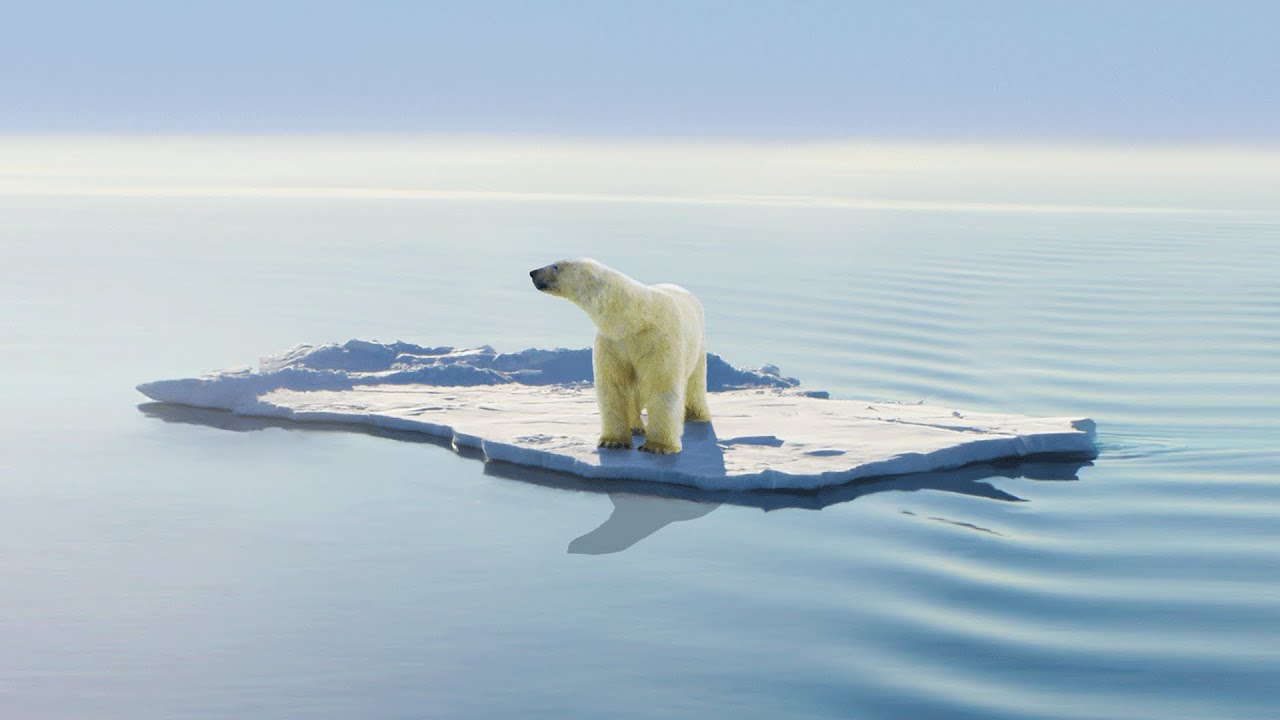
Polar bear cubs in the Arctic face challenges for survival as their habitat continues to shrink due to climate change and environmental pressures.
In Zimbabwe's Savé Valley Conservancy, the Sango Safari Lodge finances extensive anti-poaching efforts to protect critically endangered black and white rhinos.
A Maasai warrior in the Masai Mara reflects on the intricate relationship between humans and wildlife in one of Kenya's most iconic natural landscapes.
Exotic animal ownership raises significant concerns, as seen in cases involving Bengal tigers in suburban backyards and a Florida man's bond with an alligator.
Over half of Earth's surface remains unexplored, with the Kraken project aiming to capture images of the elusive giant squid in its natural habitat.
A 65-kilometer drive across ice leads to Mawson's Huts, a historic base camp from the 1911-1914 Australasian Antarctic Expedition.
Tisno, the youngest chief game warden in Java, tirelessly protects Indonesia's fragile ecosystems from poachers using only his determination and a rowing boat.
Madagascar is home to thousands of endemic species, including lemurs, which evolved in isolation for thousands of years, revealing unique evolutionary paths.
In India's Western Ghats, the Oriental Dwarf Kingfisher faces the challenges of breeding during the monsoon, battling predators and harsh conditions to raise its young.
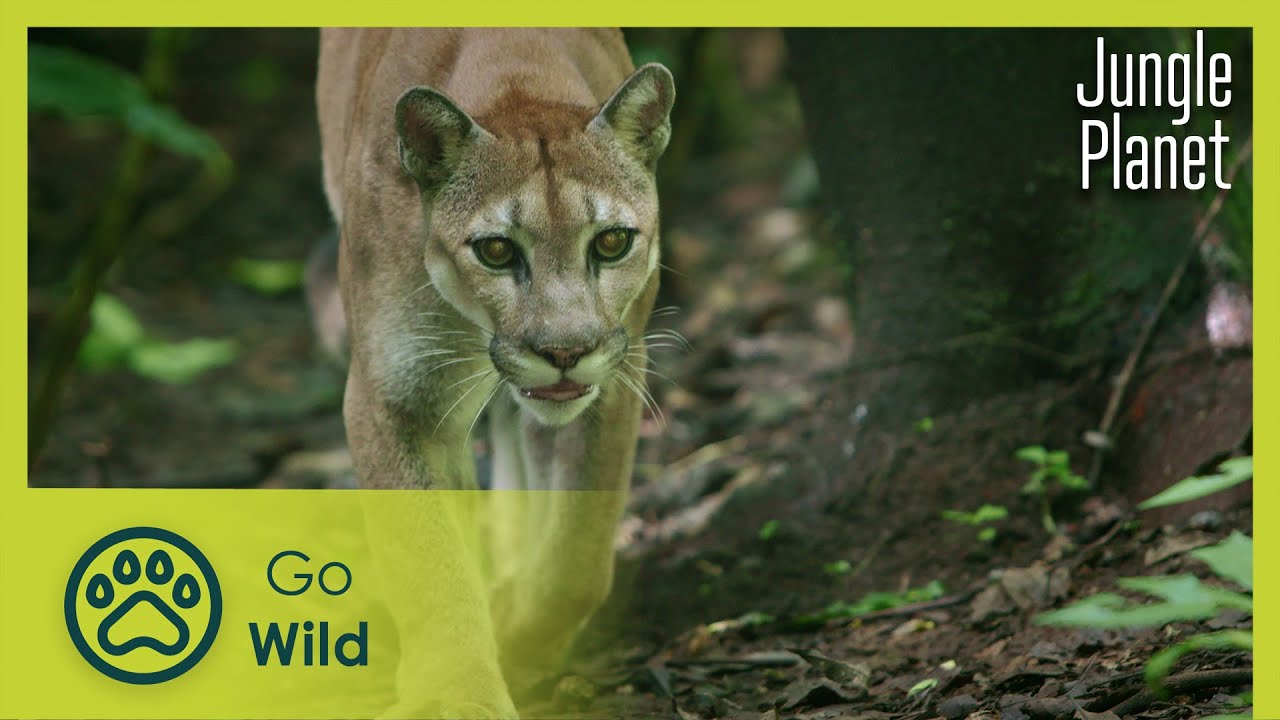
In Central and South America, drought-adapted forests host colossal trees and diverse wildlife, including pumas, agoutis, and red-faced buzzards.
Hippopotamuses can spend up to 16 hours a day submerged in water, yet they are responsible for more human deaths in Africa than any other large animal.
Red foxes and death's head Hawk Moths are examined for their survival skills, migration patterns, and essential roles in ecological balance.
A chameleon's tongue extends four times faster than a jet fighter, demonstrating its unique feeding habits at Longleat.
Sydney Harbour's marine ecosystems are thriving, showcasing a rich diversity of species due to successful conservation efforts and improved water quality.
Animals like grizzlies, wolves, and beavers adapt to rapidly changing habitats as glaciers retreat, showcasing their resilience in extreme conditions.
Chiru antelopes migrate hundreds of miles to give birth, evading predators in one of the world's most extreme habitats.
Australia's wildlife, including unique species like the platypus, faces significant environmental challenges while showcasing remarkable adaptations to their habitats.
In southern Florida, the American crocodile, once on the brink of extinction, is reclaiming its territory, showcasing its survival tactics against alligators.
In the underwater caves off the coast of Mauritius, diver Hugues Vitry and scientist Ryan Johnson investigate the unusual aggregation behavior of sharks in secret pits.
Forests and jungles, vital for Earth's wildlife and biodiversity, face significant threats that jeopardize their conservation and the future of countless species.