From over 100,000 films, discover the handful you'll love.
Free or premium access to the world's largest documentary library.
7951 films(Page 30 of 166)
Maryfield House in Cornwall is linked to the ghost of William, said to be the illegitimate child of local gentry who died in its tower.
In Singapore's urban environments, wildlife such as macaques, civets, pythons, and otters have adapted to coexist with the bustling city landscape.
Skunks, often misunderstood for their strong odor, play a vital role in the ecosystem and possess a variety of intriguing traits beyond their scent.
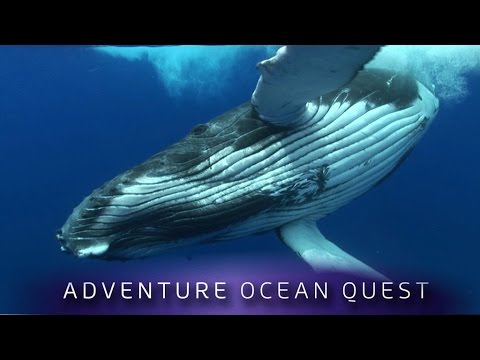
Humpback whales around Rurutu in Polynesia are studied by Dr Michael Poole and Dr Cecile Gaspar, utilizing freediver Frederic to enhance population monitoring efforts.
Fewer than 300,000 chimpanzees remain in the wild, with researchers in Uganda studying their social learning and tool use to understand their behavior.
Kemp's Ridley turtles, among the smallest sea turtles, were driven to the brink of extinction due to overharvesting of their eggs.
Leopards hunt impalas and aardvarks forage for insects, highlighting the unique behaviors and adaptations of Africa's diverse wildlife.
Sharks are often misrepresented in myths and legends, yet they are vital to ocean ecosystems, showcasing both beauty and danger.
Panna Tiger Reserve in Madhya Pradesh, India, faces the threat of illegal diamond mining, challenging conservation efforts in this vital ecosystem.
In the Mediterranean, underwater filmmaker Thomas Behrend captures sperm whales and monk seals, revealing their habitats and the challenges they face.
In the open plains of Australia, wild horses exhibit their natural behaviors and social interactions within a diverse and challenging ecosystem.
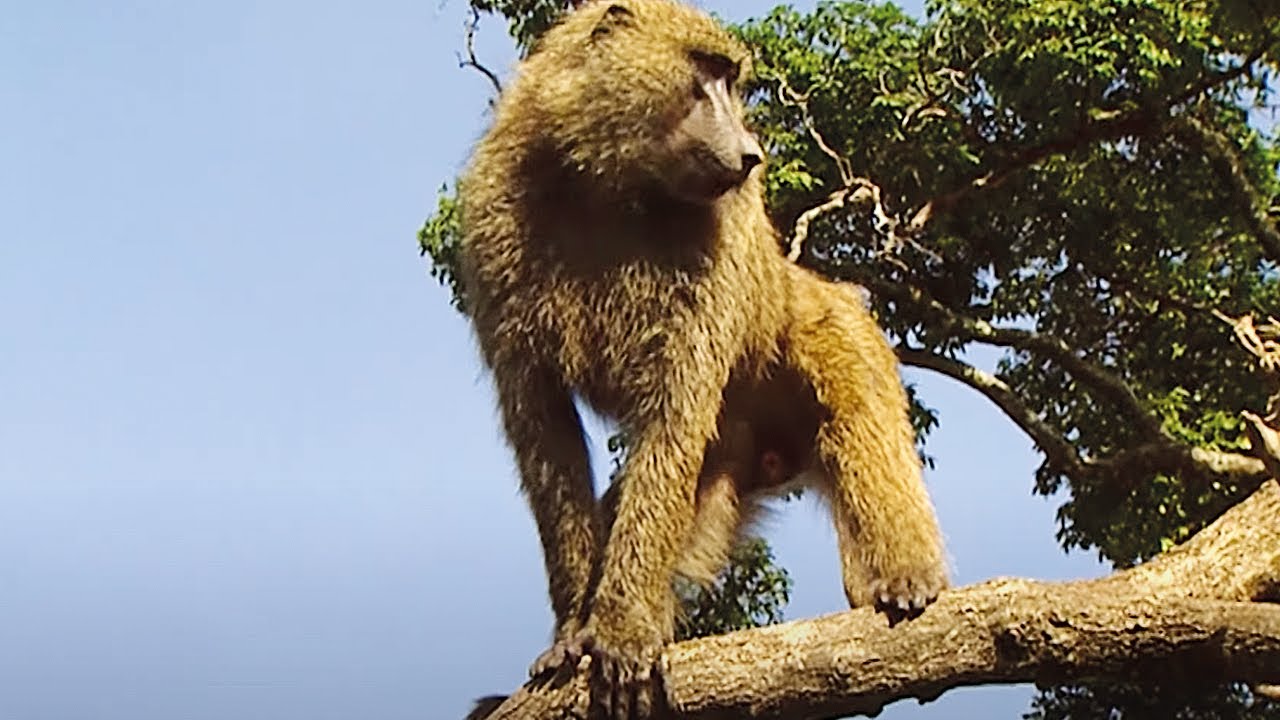
A fig tree with a trunk six meters in circumference serves as the central habitat for a troop of olive baboons in the Maasai Mara.
In Africa, a team of wildlife experts captures invasive pythons and Nile monitor lizards while promoting responsible pet ownership in schools.
Vis Island, known for its strategic position, features Tito's cave and the Blue Grotto.
In the animal kingdom, encounters such as a stingray ambushing crabs and a mother lioness hunting a warthog highlight the fierce struggles for survival.
More bears live in the Tatra Mountains than anywhere else in Central Europe, thriving in a protected environment with abundant food sources.
Wild dogs, including wolves, foxes, and lesser-known species like raccoon dogs and dholes, are explored for their roles as guardians of various ecosystems.
Great white sharks have existed for over 500 million years and play a crucial role in maintaining the health of marine ecosystems.
Rani and Kamal's troop of monkeys at Jaipur's Galta Temple face food scarcity, forcing them to navigate the city streets while confronting rival langurs.
Peregrine falcons, known for their incredible speed of 320 kph, are featured alongside vibrant parrots, bees, holy cows, and black rats in this episode of Amazing Animals.
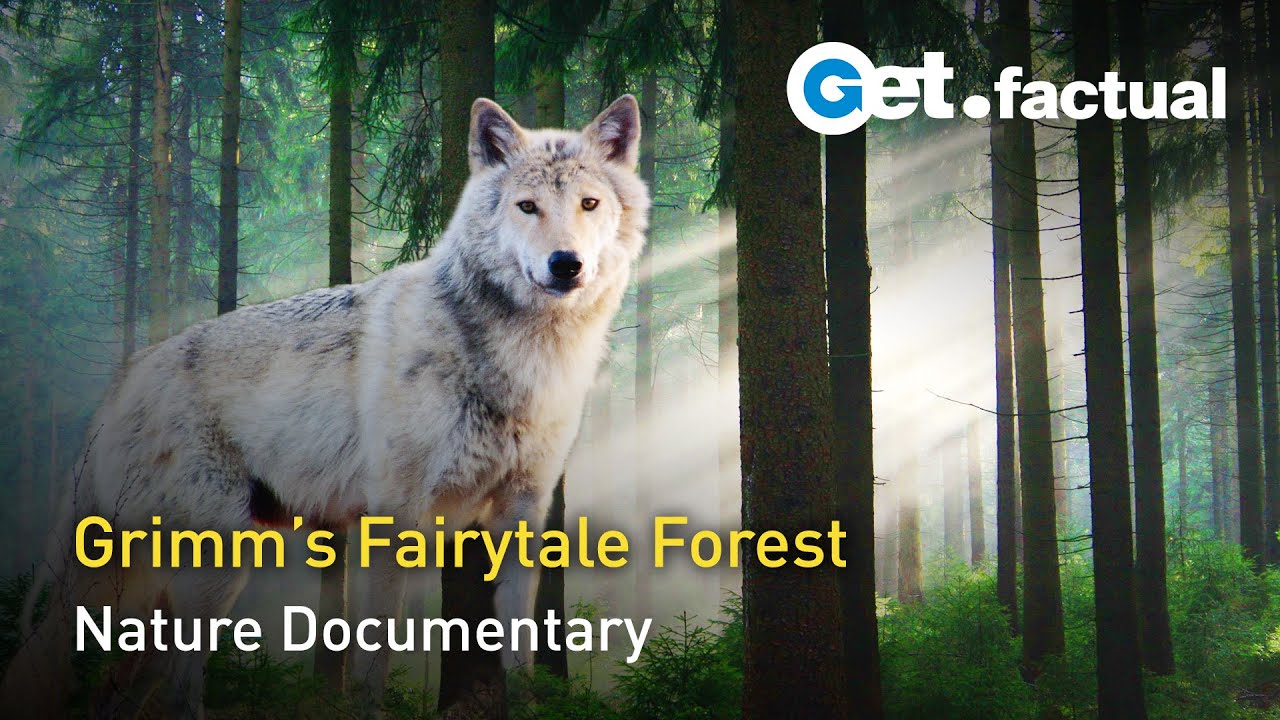
More than 200 years ago, Jacob and Wilhelm Grimm collected folk tales that reflected the realities of their time and the mysteries of the forest.
Massai children in Tansania walk over 20 kilometers daily in over 30 degrees Celsius heat.
Three bear triplets learn survival skills in the Scandinavian wilderness, facing challenges from predators and the harsh winter environment.
In the Trans-Pecos region of the Chihuahuan Desert, Patrick McMillan explores diverse landscapes and encounters unique wildlife, including North America's largest spider and the Javelina.
Manatees must consume up to 60 kilos of aquatic plants each day to survive in the waters of Florida's Gulf Coast and inland rivers.
The Grand Canyon's formation is explored through the interplay of tectonic uplift, erosion, and the Colorado River's powerful forces over millions of years.
Massive plant-eating dinosaurs are examined through the insights of paleontologist Jim Farlo and track expert Martin Lley, utilizing modern technology to enhance understanding.
Walruses possess enormous teeth and thick fat layers for survival in the Polar Seas.
Tropical cyclones cause catastrophic destruction, as seen in Cyclone Nargis and Cyclone Ida.
A dominant male ibex, known as Buck, faces the challenges of survival in the Italian Alps, including fierce competition and the dangers of winter.
Costa Rica's diverse ecosystems, including rainforests and underwater habitats, host unique wildlife such as White-faced Capuchins, Macaws, and hammerhead sharks.
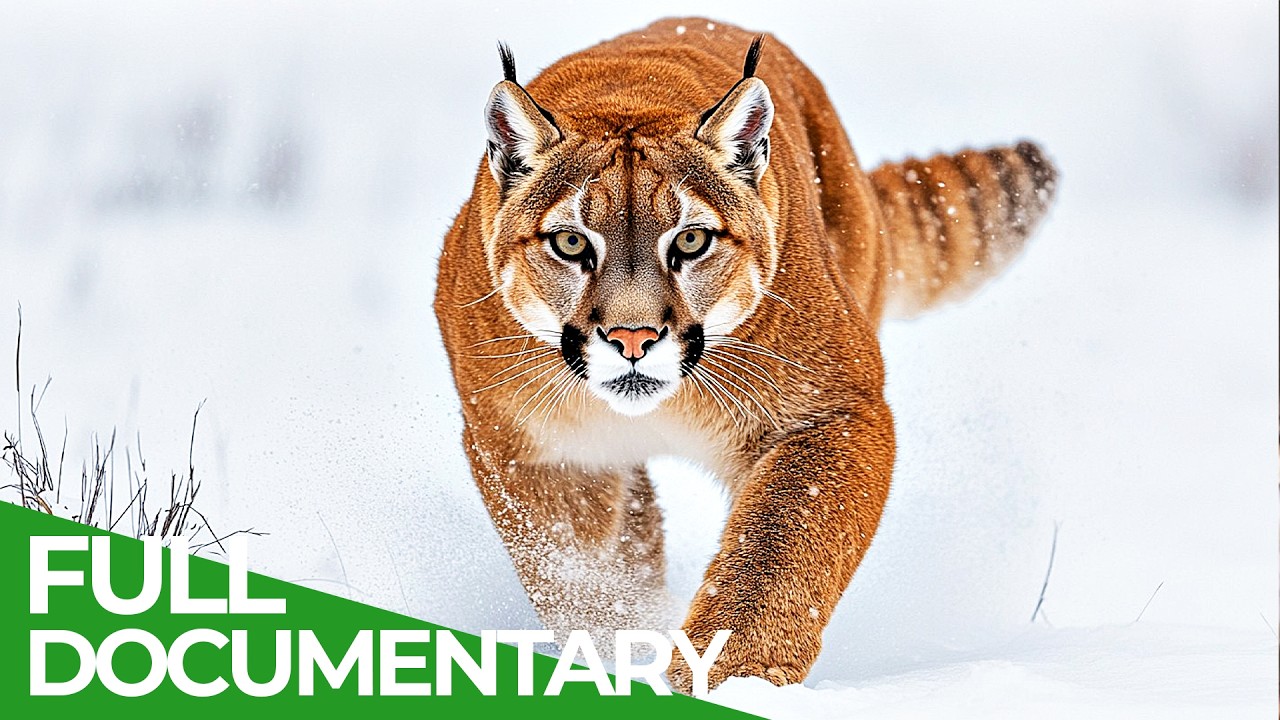
Wild cats across Africa, the Americas, and Asia demonstrate remarkable adaptability and survival strategies within their diverse ecosystems.
In China's far southwest, rich jungles and towering peaks create a unique ecosystem where wild elephants and ancient tribes coexist amidst vibrant biodiversity.
A mother polar bear produces some of the world's richest milk for her cubs while locked underground for three months during the harsh Arctic winter.
Great white and blue sharks feast on whale blubber while black-footed albatross chicks attempt their perilous first flight over tiger shark-infested waters.
The bald ibis, once common in southern Central Europe and Turkey, faces extinction, with only dwindling populations remaining in Morocco and Arabia.
The Rhone River flows 812 kilometers from the Swiss Alps to the Mediterranean Sea, impacting agriculture and ecosystems along its path.
Emperor penguin chicks, nearly a meter tall, face predators and harsh conditions as they leave their icy birthplace to reach the sea.
Villagers along the Zambezi River face deadly attacks from Nile Crocodiles, prompting a team to capture and relocate a 14-foot predator to protect both communities and wildlife.
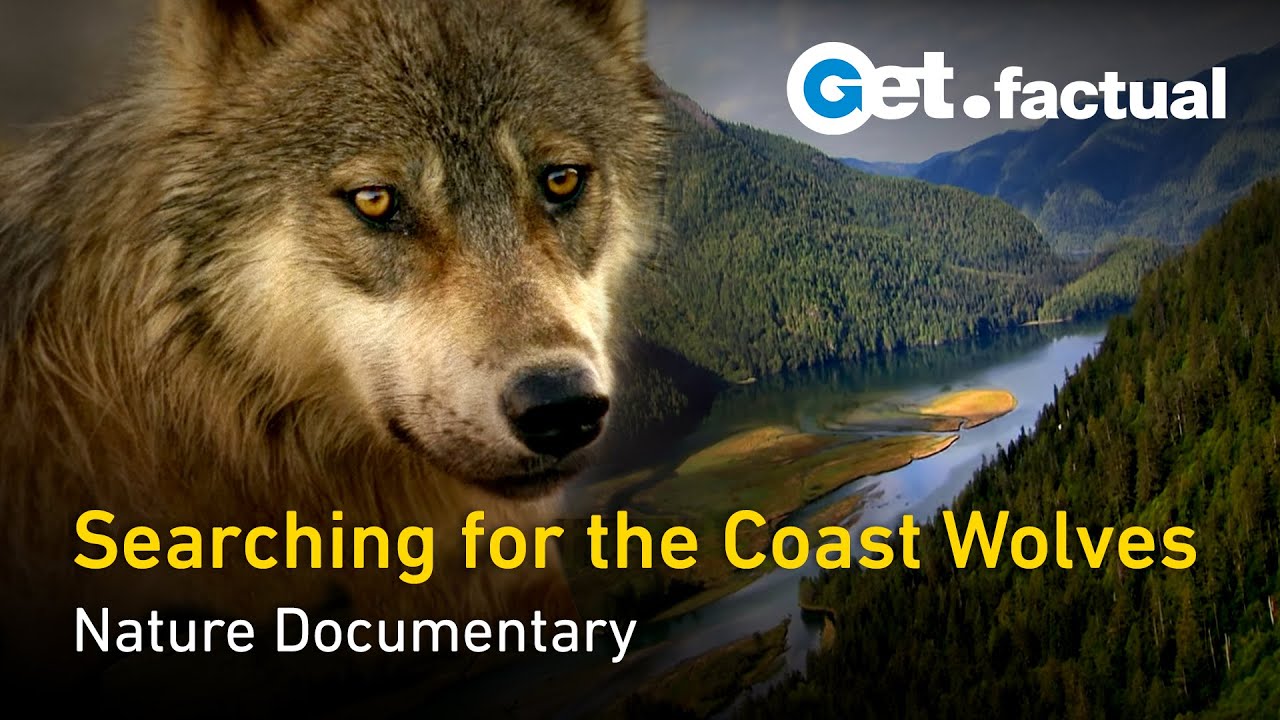
Less than 10% of the Great Bear Rainforest in British Columbia is currently protected from commercial logging, threatening the habitat of coast wolves.
Around 3,000 European bison still survive in the wild, making them rarer than black rhinos as they navigate the harsh conditions of the Carpathian Mountains.
2,500 hatchlings were counted on the Chambal River, indicating a positive trend for gharial populations in India.
Venom was created 600 million years ago by tiny living creatures in the oceans that combined peptides and proteins into lethal cocktails.
Panama, known for its canal, features rich biodiversity, vibrant Indigenous cultures, and historical sites that highlight its unique natural and cultural heritage.
Wildlife filmmakers risk their lives filming dangerous animals in various locations.
BBC Earth presents a compilation of memorable animal moments, showcasing dramatic encounters and heartwarming interactions from the natural world.
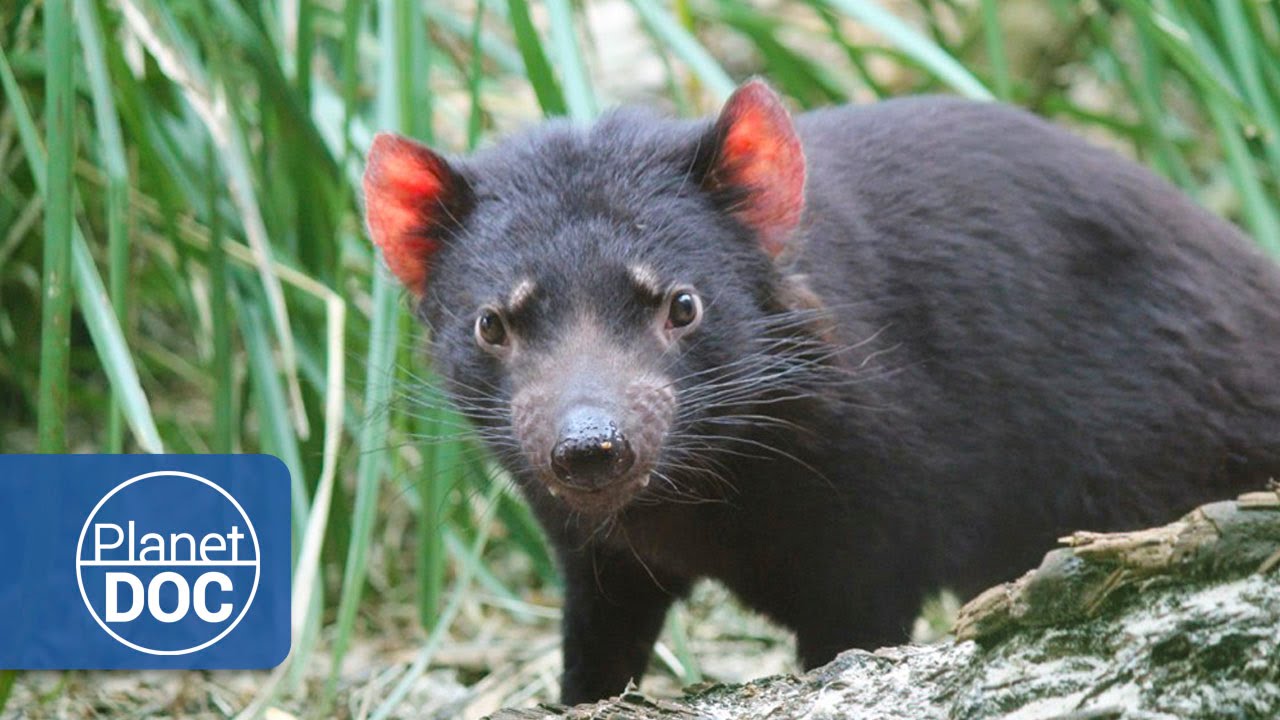
Tasmania separated from Australia around 13 million years ago, leading to a unique evolutionary path and the preservation of ancient ecosystems.
Australia's tropical Top End is home to lethal predators like Saltwater Crocodiles and Box Jellyfish, thriving in a landscape of extremes.











![Documentary backdrop image for West Texas's Incredible Desert Wildlife [4K] | Expeditions With Patrick McMillan (2021)](https://i.ytimg.com/vi/bB6BjII9Usk/maxresdefault.jpg)