From over 100,000 films, discover the handful you'll love.
Free or premium access to the world's largest documentary library.
7951 films(Page 38 of 166)
Tagus International Park, established in 2006, is home to over 400 vertebrate species and more than 1,000 plant species along the Tagus River.
Michel Denis-Huot brings back 7,000 to 8,000 photos from each trip to Kenya, with only three to ten images deemed exceptional.
Biologist Tomas Hulik spent over 300 days observing a family of beavers in the riverine forest along the March River, capturing unprecedented footage with an ORF camera team.
More than 450 species of animals engage in homosexual behavior, as revealed through recent scientific research and exclusive film footage.
In Trás-os-Montes, Portugal's most remote province, two small mountain ranges harbor a rich natural heritage, including unique flora, fauna, and geological features.
The English Channel and North Sea region serves as a vital migratory hub for numerous bird species, providing essential resting and feeding grounds along Europe's west coast.
In the remote Alaskan wilderness, Andreas Kieling explores the habitat of giant Kodiak bears, examining their size, behavior, and the ecosystem that supports them.
Peneda-Gerês National Park, Portugal's only national park, spans nearly 700 square kilometers and features diverse ecosystems, including oak forests and wild Garrano ponies.
Thomas explores the wild landscapes of his local mountains, guided by environmentalists, as he seeks to understand the intricate relationship between nature and modernity.
Vienna, the only major city with a vast forest area nearby, is home to the Vienna Woods, which boasts a rich diversity of wildlife and plant species.
In South Australia, the intricate relationship between native marsupials and poisonous plants is threatened by invasive species like foxes and rabbits.
Yunnan province in southwestern China, known for its diverse landscapes and rich biodiversity, is home to endangered species like the white-cheeked gibbon and China's elephants.
Animals use unique methods, like Capuchin monkeys rubbing citrus, to combat germs which cause disease.
Ifrane National Park, covering 50,000 hectares, is home to one of the largest populations of Barbary macaques in the world.
Giant Nomura jellyfish are invading Japan's coastal waters, with rising sea temperatures leading to a population surge that threatens local fishing industries.
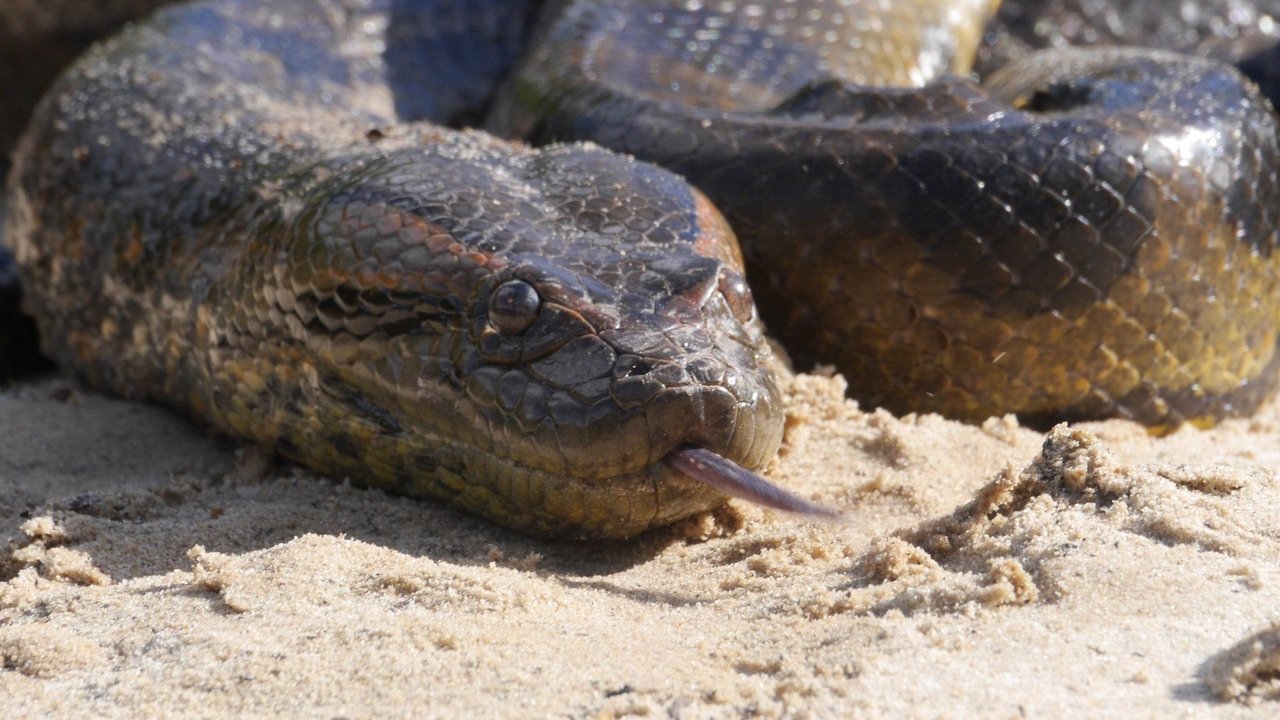
The large and powerful anaconda inhabits remote areas of the Amazon rainforest, revealing its role in the ecosystem and interactions with humans.
Biomimicry illustrates how natural phenomena inspire innovations in technology and medicine, showcasing examples from engineering to smart design.
Ten generations of eagle hunters in Mongolia rely on golden eagles, a practice that has survived for over a thousand years despite modern pressures.
The great auk, a flightless bird native to the North Atlantic, became extinct by the mid-19th century due to overhunting and environmental changes.
Wild horses in the Australian outback, descendants of British settlers, have adapted to survive extreme heat, drought, and predators in their harsh desert environment.
Two tiny queens, an orchid bee and a leafcutter ant, employ vastly different strategies-sacrifice and betrayal-to build their empires in the rainforest.
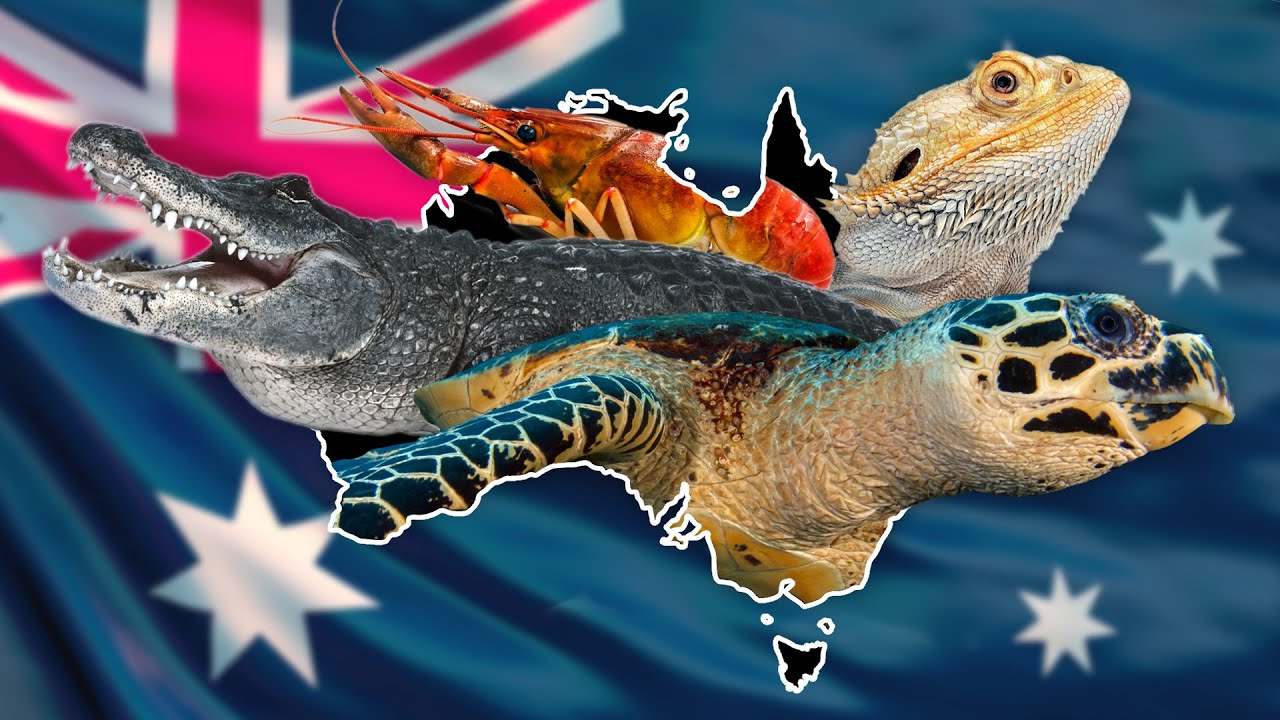
In Australia's wildlife oasis, diverse species such as lobsters, bearded dragons, turtles, and alligators thrive in their natural habitats.
500 millimeters of rain fell on Taiwan in 24 hours during a record-breaking typhoon, marking one of the extreme weather events of 2015.
Autumn showcases the vibrant transformations in wildlife, highlighting red deer's mating rituals, crane migrations, and the preparations of squirrels and hedgehogs for winter.
Robert Twigger attempts to capture the world's largest snake alive for $50,000 despite his fear.
In Earth's most extreme environments, animals like elephants, wolves, and orangutans exhibit remarkable adaptations to survive brutal conditions such as wildfires and icy winters.
A juvenile great white shark attacks a seal decoy, leaving a bite mark that helps the team estimate its size during a research experiment in Muscle Bay, South Africa.
Java became separated from mainland Asia just 10,000 years ago, leading to unique adaptations among its wildlife, including monitor lizards.
In 1994, a volcano on New Britain erupted, forcing residents to flee as ash rained down and reshaped their environment.
African penguins, the only penguin species native to Africa, are facing extinction despite conservation efforts on their breeding islands.
Danielle Lee studies how field mice thrive in urban parks, revealing that many wildlife species live unnoticed in neglected spaces.
Madagascar, the Galápagos Islands, and the South Pacific are home to unique wildlife and ecosystems that face threats from climate change and invasive species.
In four parallel stories from Asia, Greenland, Siberia, and the Gulf Stream, the vital role of oceans in climate regulation and their connection to human life is explored.
Kemp's Ridley sea turtles, an endangered species, are rescued annually by the Mass Audubon Wellfleet Bay Wildlife Sanctuary and the New England Aquarium in Cape Cod.
Hummingbirds must consume more than twice their body weight in food each day, competing fiercely for limited nectar supplies from flowers.
Great hammerhead sharks, studied by marine biologist Dr Johan Mourier in Rangiroa Atoll, face significant threats as their population has declined by 80% in 25 years.
In South Africa, great white sharks employ the explosive "Polaris breach" technique to hunt seals, while polar bears in the Arctic use their speed to catch walruses.
In Tanzania's Usumbara rainforest, wildlife photographer Todd Gustafson captures the diverse ecosystem, featuring over 800 bird species, flamingos, and ostriches.
The Red Sea's vibrant coral reefs and historic shipwrecks are showcased through immersive lenses, highlighting the region's rich marine biodiversity.
Masaya volcano in Nicaragua, active for over 30,000 years, hosts a unique ecosystem where wildlife thrives amidst toxic gases and the threat of eruptions.
A hummingbird can travel at speeds of up to 60 miles per hour, relying on nectar to fuel its high-energy lifestyle.
On a remote Mediterranean island, a unique species of lizard adapted to survive by developing intelligence and a varied diet amidst the extinction of flightless animals.
In the wild coasts of Patagonia, diverse wildlife such as southern right whales, elephant seals, and orcas thrive, particularly at Caleta Valdez during mating season.
Wildlife photographer James R. Page showcases the endangered Grasslands National Park in Canada, highlighting its diverse ecosystems and wildlife over two decades.
In the Masai Mara, lions, hyenas, elephants, and cheetahs navigate the ancient rhythms of the African savannah amid the annual migration of millions.
The Straits of Gibraltar serve as a critical migratory route for diverse wildlife, highlighting the ecological significance of this border between Africa and Europe.
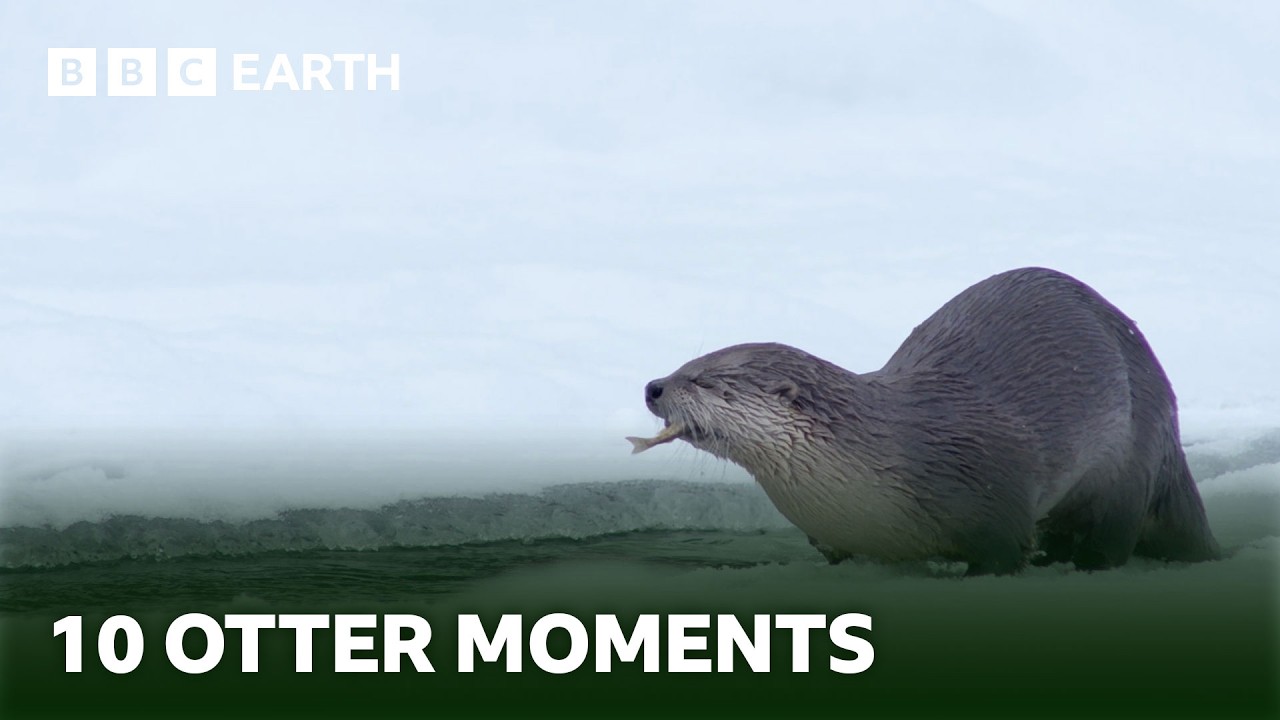
Otters exhibit remarkable survival skills, showcasing how they insulate themselves, learn to swim, and hunt under the guidance of their mothers.
Mount Nyiragongo erupts in Congo, destroying Goma and claiming thirty-three lives.









![Documentary backdrop image for The Spectacular Birds Of East Africa [4K] | To The Ends Of The Earth (2021)](https://i.ytimg.com/vi/4mswmdMknLQ/maxresdefault.jpg)