From over 100,000 films, discover the handful you'll love.
Free or premium access to the world's largest documentary library.
7945 films(Page 134 of 166)
In China's ancient stone forest, rock-climbers Matt Segal and Cedar Wright explore giant natural arches alongside photographer Carsten Peter.
531 megawatts is the amount of electricity the Alto Maipo hydroelectric project aims to contribute to Chile's central electric system.
Sakyong Mipham Rinpoche leads the Shambhala Buddhist tradition, promoting mindfulness and compassion.
The Dan people of Ivory Coast honor their sacred natural surroundings and mythology.
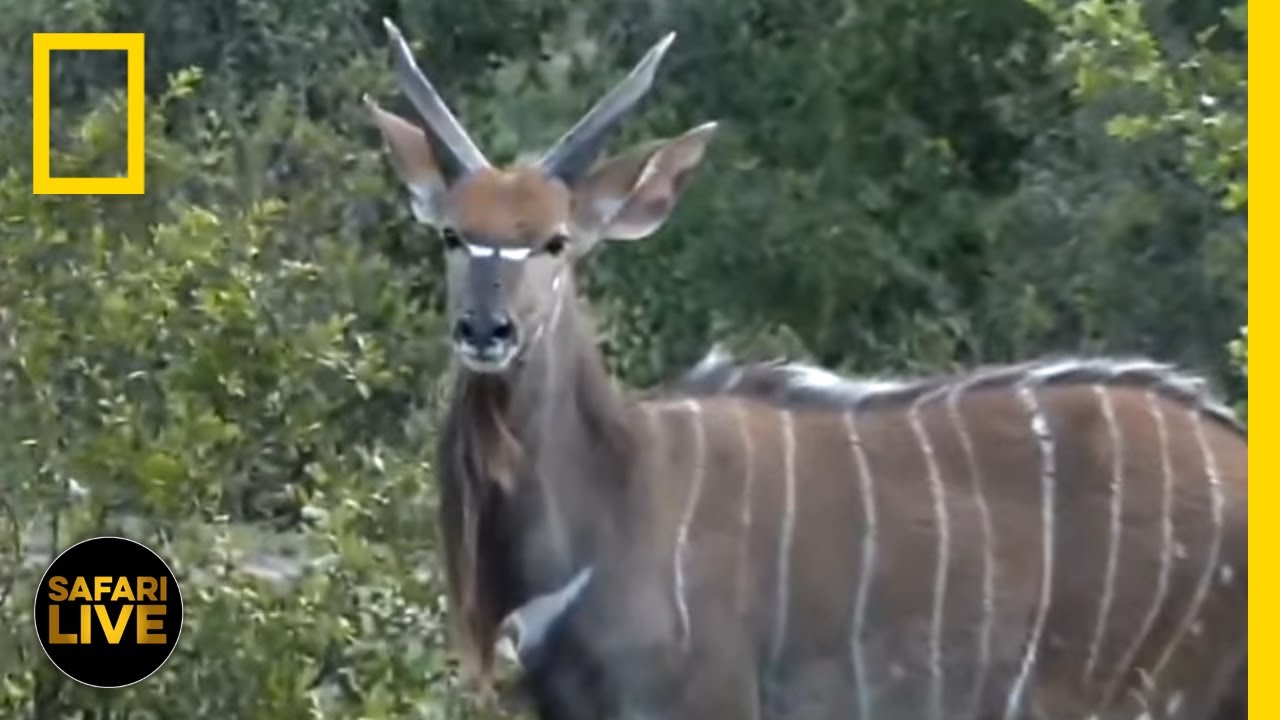
33 degrees Celsius marks a warm day in Sabi Sands as guides track wildlife, including elephants and leopards, during a live safari broadcast.
Two humpback whales dance gracefully around a marine biologist, who describes their movements as piouettes of ballerinas in the water.
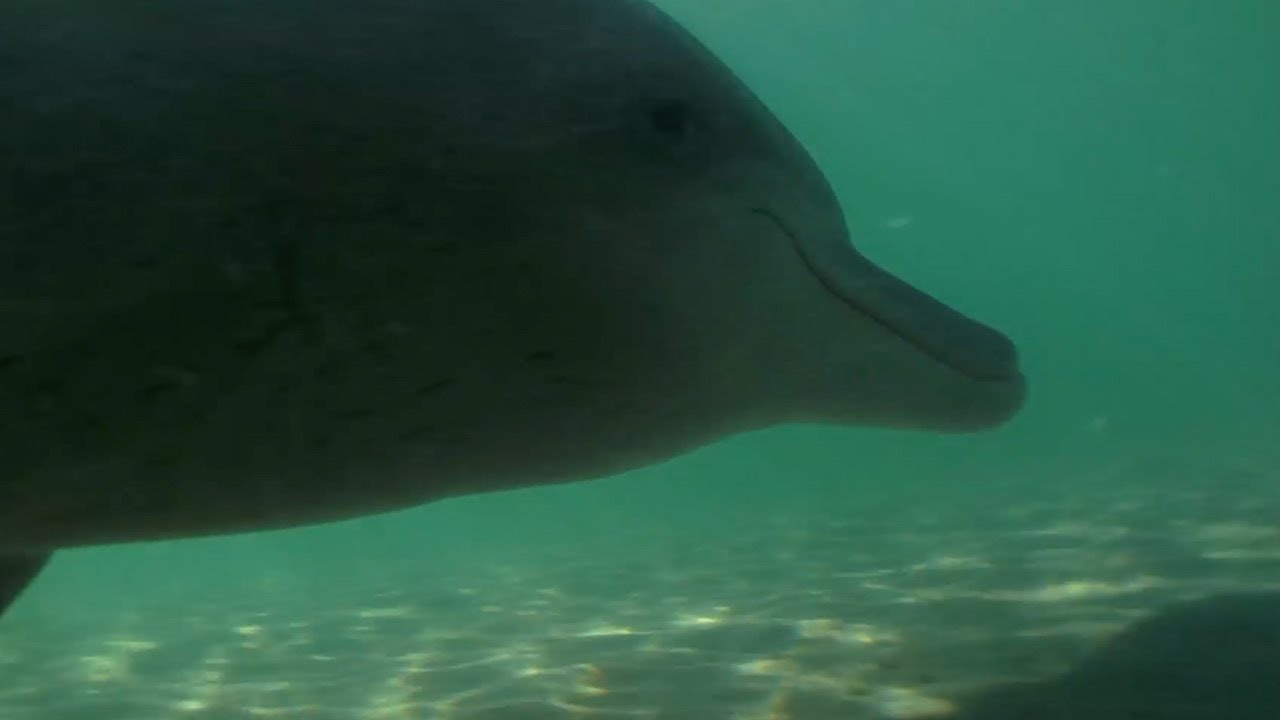
In Shark Bay, Western Australia, a newborn dolphin navigates social structures and survival challenges while learning essential skills from its pod.
Wildlife filmmaker Sandesh Kadur highlights remote ecosystems and endangered species, aiming to inspire conservation efforts through his visual storytelling.
Sarah and Eric McNair-Landry kite-ski over 2,000 miles through Canada's Arctic archipelago, facing polar bears and extreme weather conditions.
Over 200 otters have been rehabilitated and returned to the wild since the UK Wild Otter Trust began its work in 1998.
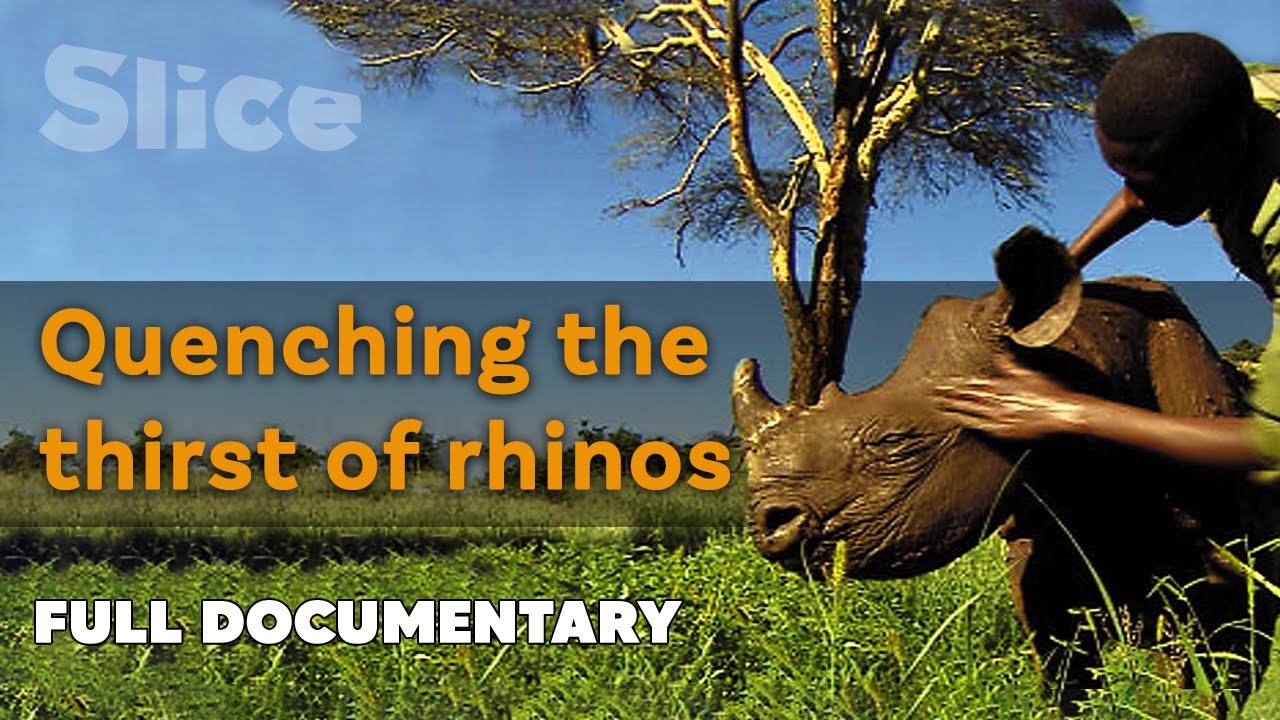
Rangers David and Leikeirio work to save rhinos in Lewa amid a devastating drought.
More than 10,000 animals have been photographed for Joel Sartore's Photo Ark project, but during the pandemic, he turns his lens to insects in his backyard.
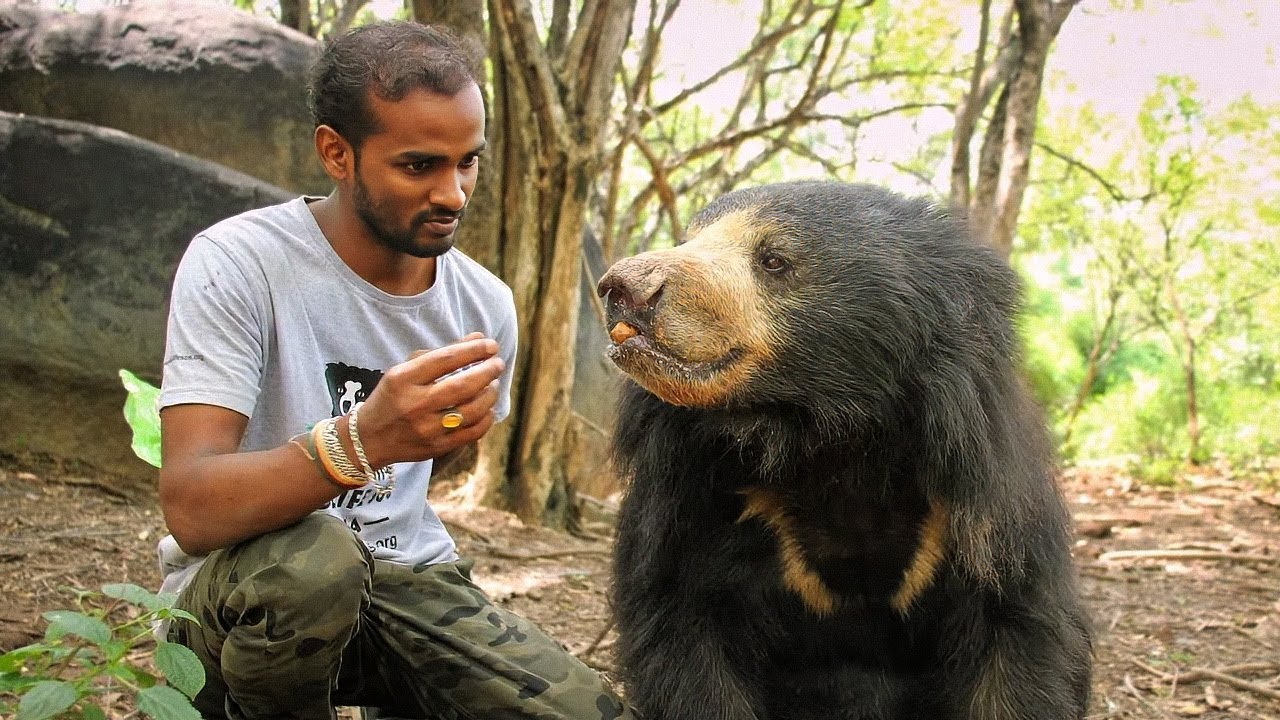
Over 400 years, sloth bears in India have been exploited for entertainment, with 628 bears rescued from captivity by Kartick Satyanarayan and Geeta Seshamani.
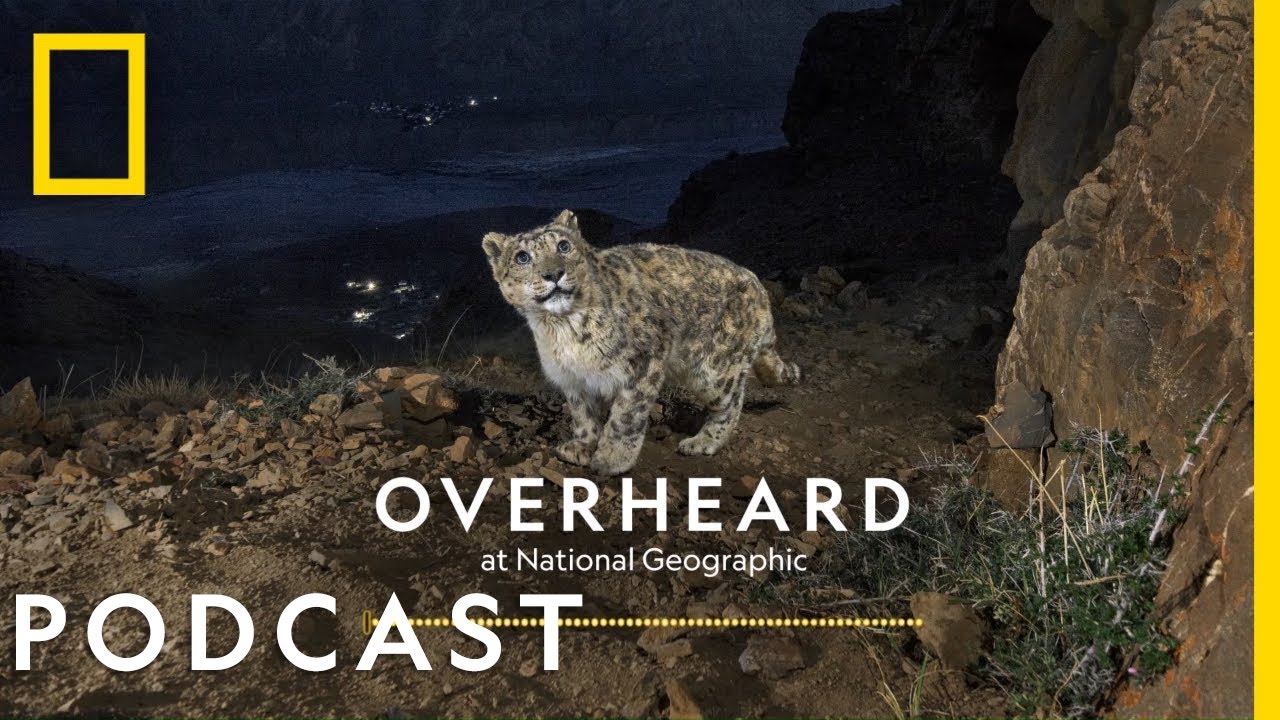
In Spiti Valley, local rangers are working to change perceptions of snow leopards as threats, highlighting their crucial role in the ecosystem.
Protecting the Florida Wildlife Corridor, a network of public preserves and private lands, highlights the collaboration needed among farmers, fishermen, and conservationists to balance growth and conservation.
Less than 70,000 kiwi birds remain in New Zealand, a sharp decline from 12 million, largely due to predation by stoats and rats.
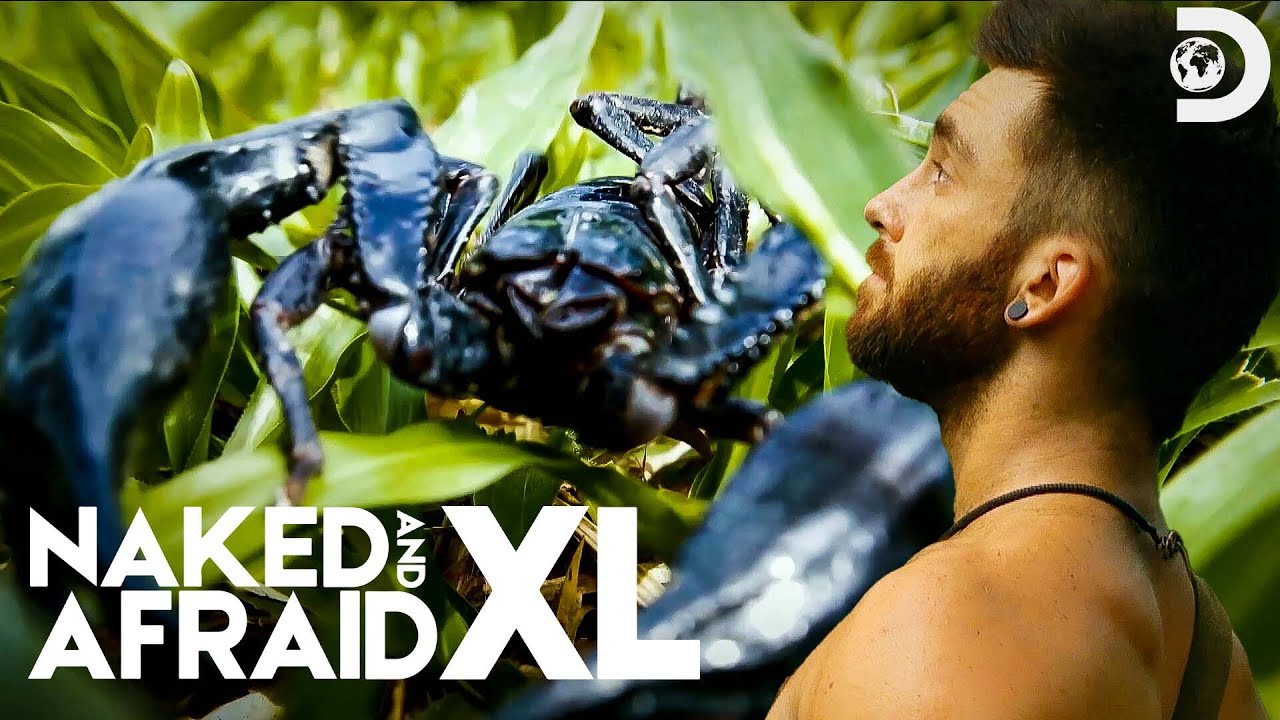
Participants face a dangerous scorpion encounter while surviving in the wild.
Footage from 'Scavengers of the Savannah' highlights the role of scavengers in the ecosystem.
Over 4,000 years ago, crocodiles became trapped in the Ennedi Massif when water receded, now surviving in the region's scattered gueltas.
They spend their early months learning to hunt alongside stripped marlin in the Sea of Cortez.
At the South Carolina Aquarium Sea Turtle Care Center, Hopper is ready for release while Glen requires a pioneering procedure to survive.
Two rehabilitated Kemp's Ridley turtles are released back into the wild at Folly Beach.
Sumter, a loggerhead turtle, receives cataract surgery to restore her sight at the care center.
Manny searches for a wild boar in North America's forests, highlighting the dangers posed by this formidable and aggressive animal.
Three snow leopard cubs were spotted in the Spiti Valley, but only two were visible in the camera trap footage months later.
Mokele Mbembe, a living relic, is said to stalk the rivers of central Africa.
In Central Europe, spring presents challenges for animals and plants as they focus on energy storage and raising their young, including bees, waterfowl, and wild boars.
Footage from the early 1930s captures Seattle's Ballard Locks, a sea voyage to Alaska, commercial whaling, and wildlife in the Pribilof Islands.
Ingaï introduces his grandson Abderahim to camel breeding amidst the stunning flora and fauna of the secret canyons in the Ennedi massif of northern Chad.
This episode reveals how Earth came to exist and how long will humans call it home.
The Yami people of Orchid Island celebrate the fishing season with the 'Night of the Silver Helmets.'
Men in Bengal risk facing tigers to gather wild honey in the Sundarbans.
Serengeti National Park, spanning 30,000 km² in eastern Africa, is home to the annual migration of hundreds of thousands of gnus seeking pasture.
Serengeti National Park, spanning 30,000 km² in eastern Africa, is home to the annual migration of hundreds of thousands of gnus seeking fresh pasture.
Serengeti National Park, spanning 30,000 km² in eastern Africa, is home to the annual migration of hundreds of thousands of gnus seeking fresh pastures.
Serengeti National Park in eastern Africa, spanning 30,000 km², is home to the annual migration of hundreds of thousands of gnus seeking fresh pastures.
Jaida Elcock profiles seven shark species, showcasing their unique adaptations and survival skills in various marine environments.
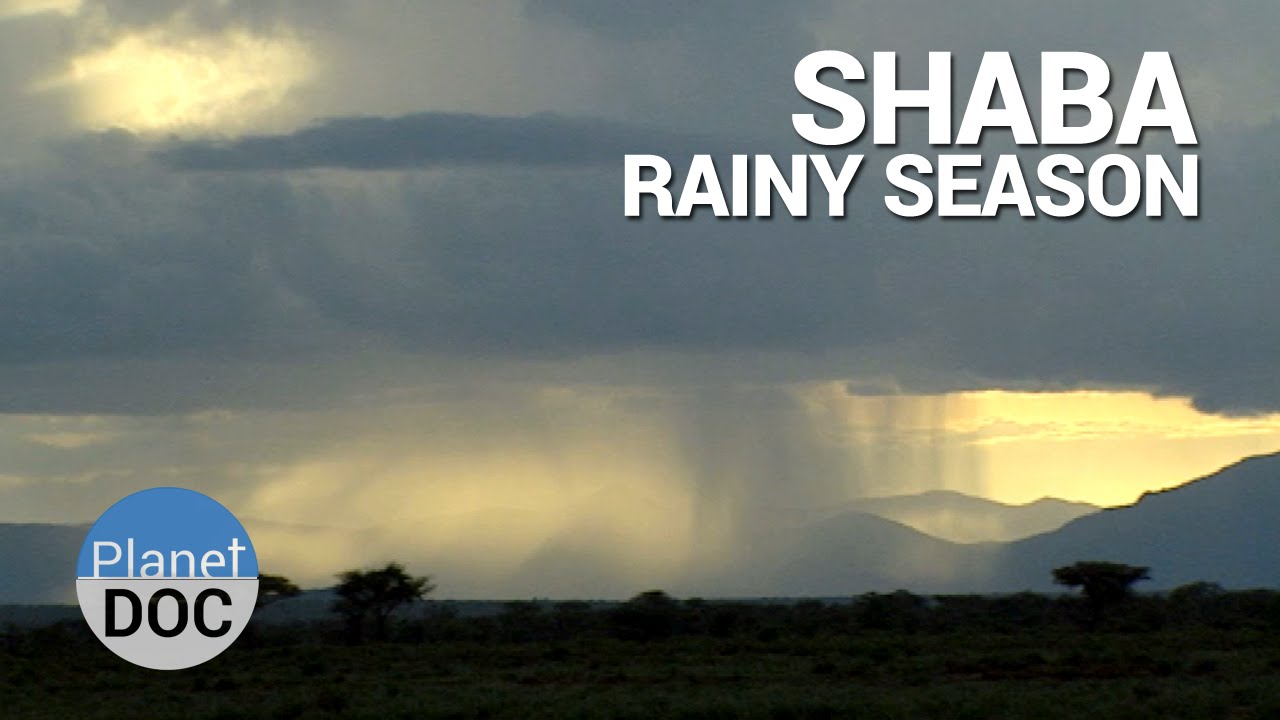
Grevy’s zebras and Burchell’s zebras form mixed herds in Shaba during the rainy season before migrating to the Aberdare mountains for year-round pasture.
In Kenya's savannah, drought severely affects wildlife, as elephants gather near the last green patches on limestone hills to survive the harsh conditions.
After three years of drought, the arrival of rain transforms the Shaba region, causing the Ewaso Ngiro river to flow vigorously once again.
Elephants in Shaba require between 80 and 160 liters of water daily, drawing large herds to the banks of the Ewaso Ngiro river.
100 million sharks are killed worldwide each year, prompting Palau to declare itself the first national shark sanctuary in March 2010.
In the South Pacific, a scientist from the Under the Pole team experiences a shark attack while exploring deep sea corals, highlighting the risks of marine research.
A family travels from Southeast Florida to Montauk, New York, to participate in a shark tagging program led by marine biologist Dr. Craig O'Connell.
120 kilometers are covered in four days by Shaul Ladany, an 81-year-old Holocaust survivor and former Olympic racewalker.
A 75-year-old man falls 4 meters while cutting trees in his garden, suffering shattered ribs and remaining in an induced coma for treatment.
Doctors at a busy trauma center assess the severity of Lula's brain hemorrhage to determine the need for urgent neurological surgery.
Shipwrecks in the Mediterranean, particularly around Marseille, are being transformed into artificial reefs that support marine biodiversity and inspire conservation efforts.