From over 100,000 films, discover the handful you'll love.
Free or premium access to the world's largest documentary library.
7945 films(Page 102 of 166)
In 1895, Edward Ned McIlhenny raised eight young snowy egrets in a rookery on Avery Island, establishing Louisiana's first wildlife preserve.
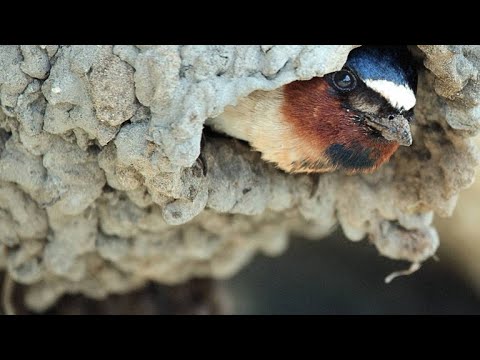
In Yellowstone National Park, bison contribute to the ecosystem by providing mud pellets essential for cliff swallows to build their nests.
One bridge can significantly reduce isolation in rural communities, breaking the cycle of poverty and opening up opportunities for residents.
Orangutan Jungle School orphans learn to avoid snakes in Borneo for their safety.
Vegan food interest rises as its health benefits and environmental impacts are examined.
Dinosaurs evolve into birds while facing survival challenges in this docu series.
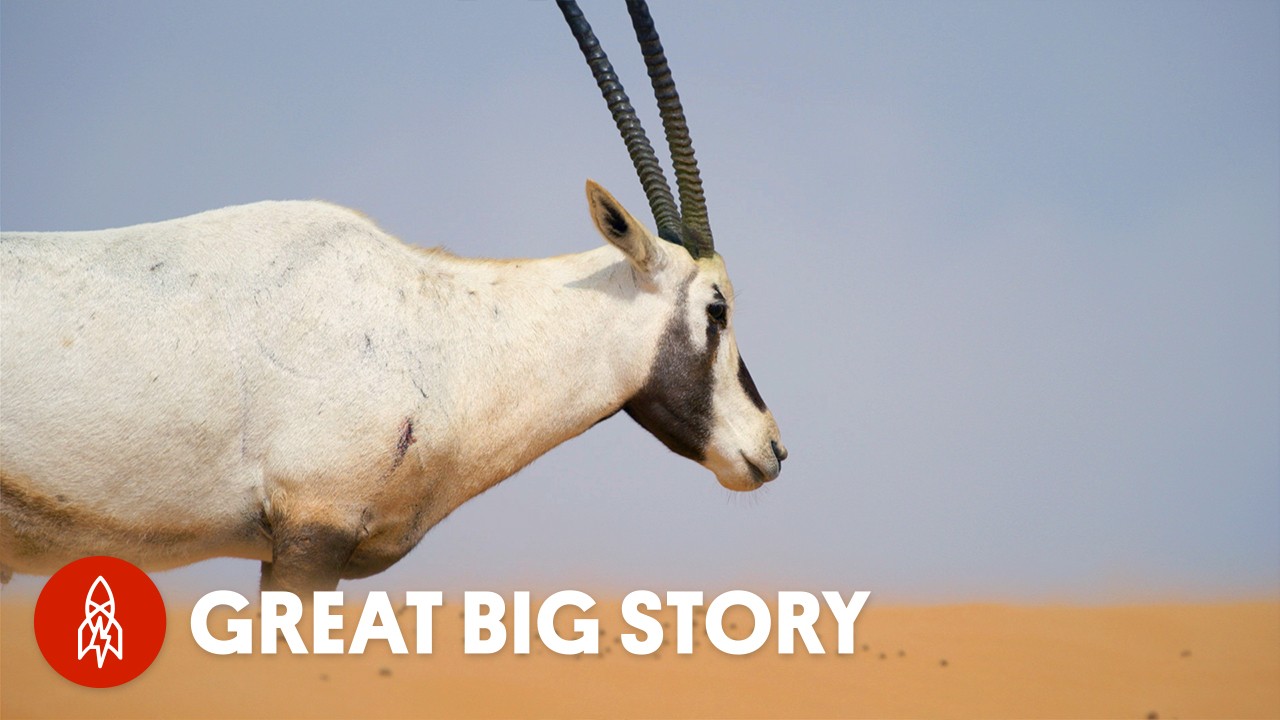
The Arabian Oryx survives extinction due to conservation efforts in the UAE since the 1970s.
In Kenya, animals like elephants adapt to survive in the wild, as Mufasa taught Simba.
Eagles engage in combat by using their powerful talons to pin each other down while throwing punches with their muscular wings.
In Tanzania's Ruaha reserve, elephants struggle to survive during extreme drought, competing for scarce resources with hungry lions.
A biodiversity survey in Pride Lands reveals essential wildlife data for conservation efforts.
Giant anacondas in the Amazon rainforest exhibit remarkable adaptations that enable their survival during periods of drought and changing environmental conditions.
In the Galapagos, Monty Halls and his family explore the unique sounds of the ocean while highlighting its diverse marine life, including tortoises and penguins.
At the Smithsonian Marine Station in Fort Pierce, staff meticulously manage the diets of various fish species during feeding time to ensure their health and nutrition.
Fungi play a crucial role in ecosystems by feeding on their environment and interacting with other life forms, including humans, as potential hosts.
Geladas have unique adaptations for grazing, making them the only true grazing primates.
Grooming in baboon society enhances reproduction and group cohesion among Geladas in Ethiopia.
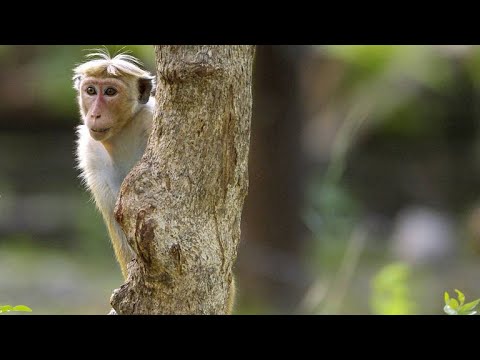
Toque macaques exhibit a strict hierarchical system that dictates their social interactions, mating rights, and feeding order, mirroring human social structures.
Meet Jeremy Fragrance as he arrives in New York City to share his wisdom and fragrance.
New York City's subway system relies on a complex network of maintenance operations to ensure its functionality and safety for millions of daily commuters.
Lizard biologists in the Caribbean reveal surprising traits shared among island lizard species.
Kodiak bears, the largest brown bear subspecies, are shown consuming large amounts of salmon during the spawning season on Kodiak Island in Alaska.
An 8-meter-high mushroom fossil, discovered on the Arabian Peninsula, dates back 500 million years and illustrates the ancient power of fungi.
A digital artwork sold for $69 million at Christie's auction house in March 2021, marking a shift in the traditional art market.
In Patagonia, orcas demonstrate advanced hunting techniques and teamwork as they pursue sea lions, highlighting their status as apex predators in the ocean.
Religious tensions among ethnic groups in the former Yugoslavia significantly contributed to the violent conflicts of the 1990s, reshaping the region's political landscape.
Carla Dove works to prevent bird strikes, enhancing safety for birds and planes in aviation.
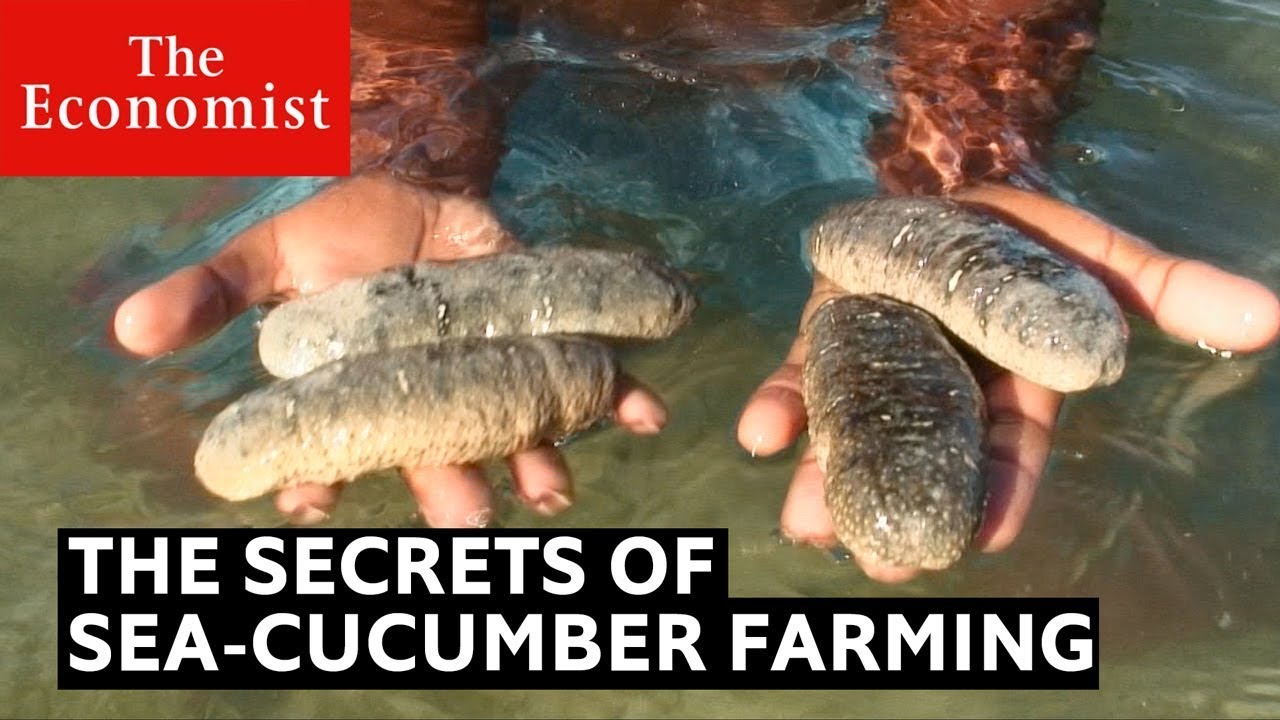
In a remote coastal village in Madagascar, local entrepreneur Dini cultivates sea cucumbers to combat overfishing and restore marine ecosystems.
Scientists train reef sharks to control the invasive lionfish population in the Atlantic Ocean.
Yunnan snub-nosed monkeys adapt to extreme cold with unique physical features.
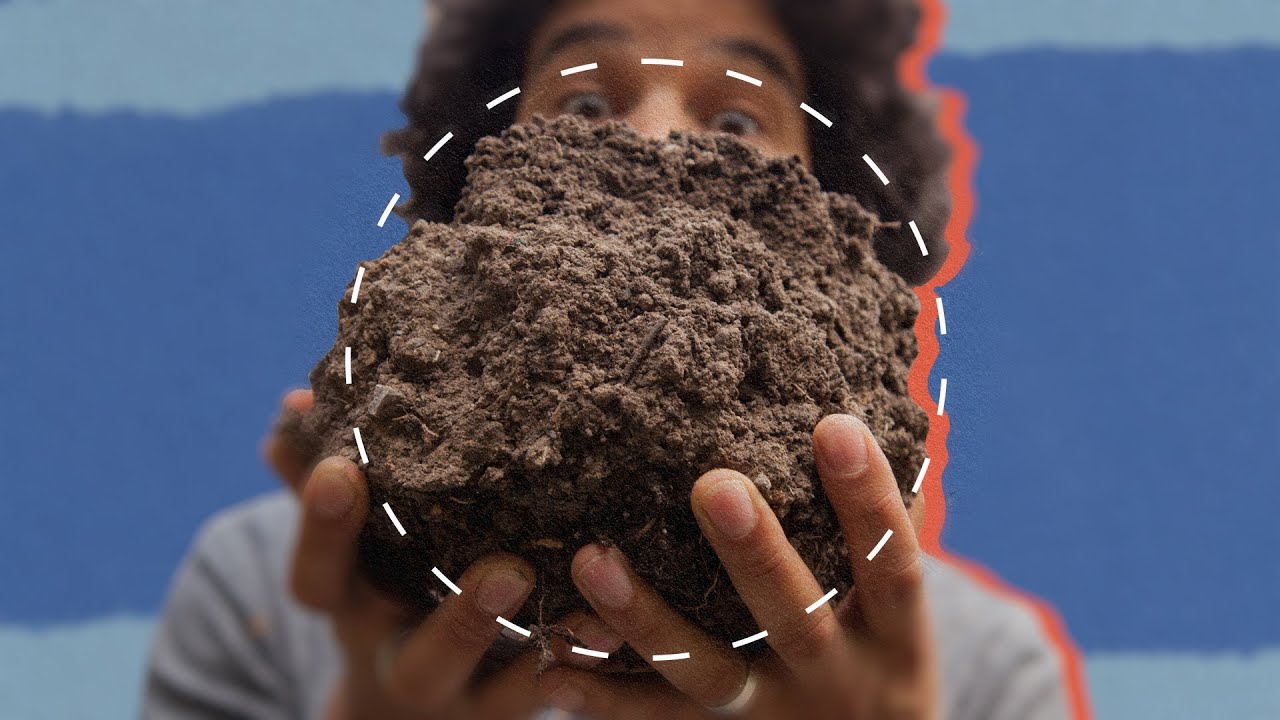
Lindsey Blake from the University of Sheffield discusses the vital role of soil in food production.
NASA's James Webb Telescope visualizes star formation in the Eagle Nebula's dense clouds.
Dr Graham Phillips investigates evidence from ancient teeth to reveal dietary impacts on health.
Svalbard has about 1,100 glaciers, which melt in summer, creating rivers of cold fresh water that attract thousands of seabirds and marine life.
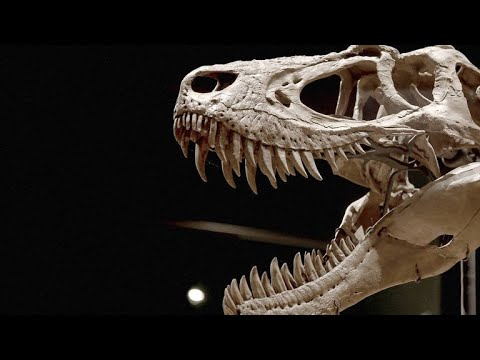
The T-Rex's 400,000 pounds per square inch biting force allows it to prey on Triceratops.
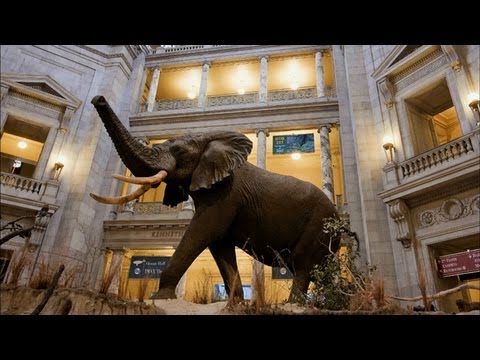
The largest elephant ever prepared for a museum weighs approximately 27,000 pounds and was installed at the Smithsonian in 1959 after extensive taxidermy work.
Levittown serves as a key example of post-World War II suburban development in America, highlighting issues of inclusivity and accessibility in these neighborhoods.
The Black Death in 14th-century Europe catalyzed significant social and economic changes, leading to the rise of the middle class and shifts in labor dynamics.
The desert-dwelling oryx survives extreme heat through a unique panting mechanism.
The Peregrine falcon dives at 242 mph to catch prey, showcasing its triumph as the fastest animal.
Pelagornis sandersi, the largest flying bird, uses ocean currents to stay airborne with a 24-foot wingspan.
Great white sharks raise their body temperature to hunt fatty prey in colder waters.
Desert elephants consume up to 600 pounds of vegetation daily to survive in the harsh conditions of northwestern Namibia's dry riverbeds.
Estimates of the number of shots fired during a 1954 attack in the U.S. House of Representatives range from 15 to 30, demanding attention to Puerto Rico's status.
In the year 1001, Leif Erikson and his crew reached Newfoundland after sailing for five days from Greenland.
Greg Turner, a wildlife biologist, manages animal care for the Pennsylvania Game Commission.
Sudeley Castle transitions from pheasant hunting ground to sanctuary for rare breeds today.
A unique lizard from Namibia uses its fringed toes to dive through hot desert sand, showcasing its remarkable adaptation to survive in harsh environments.