From over 100,000 films, discover the handful you'll love.
Free or premium access to the world's largest documentary library.
7945 films(Page 108 of 166)
A pottery tablet found in Tutankhamun's tomb bore the inscription "death shall come on swift wings to him that touched the tomb," but it has since disappeared.
Scientists use high-speed cameras to document bats flying from a cave to feed.
The Mississippi River, a vital resource for power and wildlife, also conceals approximately 10,000 bodies and poses significant flooding risks to surrounding communities.
The male burying beetle buries animals to attract females for mating and egg-laying.
By 2050, 80% of Switzerland's glaciers are projected to vanish due to global warming, raising critical concerns about mountain ecosystems and permafrost.
Ancient trees are vital for biodiversity, and Meg Lowman leads efforts to protect them.
Thai researchers track the elusive clouded leopard for three years without a sighting.
Animal testing remains a contentious issue in drug development, with the EU enforcing strict regulations while the US moves towards eliminating such requirements.
This episode shows many different ways wildlife prepares for winter survival.
Forest elephants in Central Africa, including a female named Lean, play a crucial role in seed dispersal and exhibit strong social bonds within their herds.
Ukrainian armed forces are losing about 10,000 drones each month as they adapt to new technology on the battlefield.
The Galapagos host The Giant Galapagos Tortoises, which can survive a year without water.
The South Island giant moa is a massive bird native to New Zealand, towering over its ecosystem.
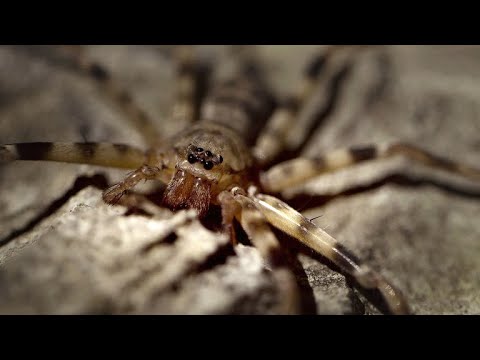
The Giant Huntsman spider, discovered in the Pak Ou Caves of Laos in 2001, is notable for its impressive size and unique habitat.
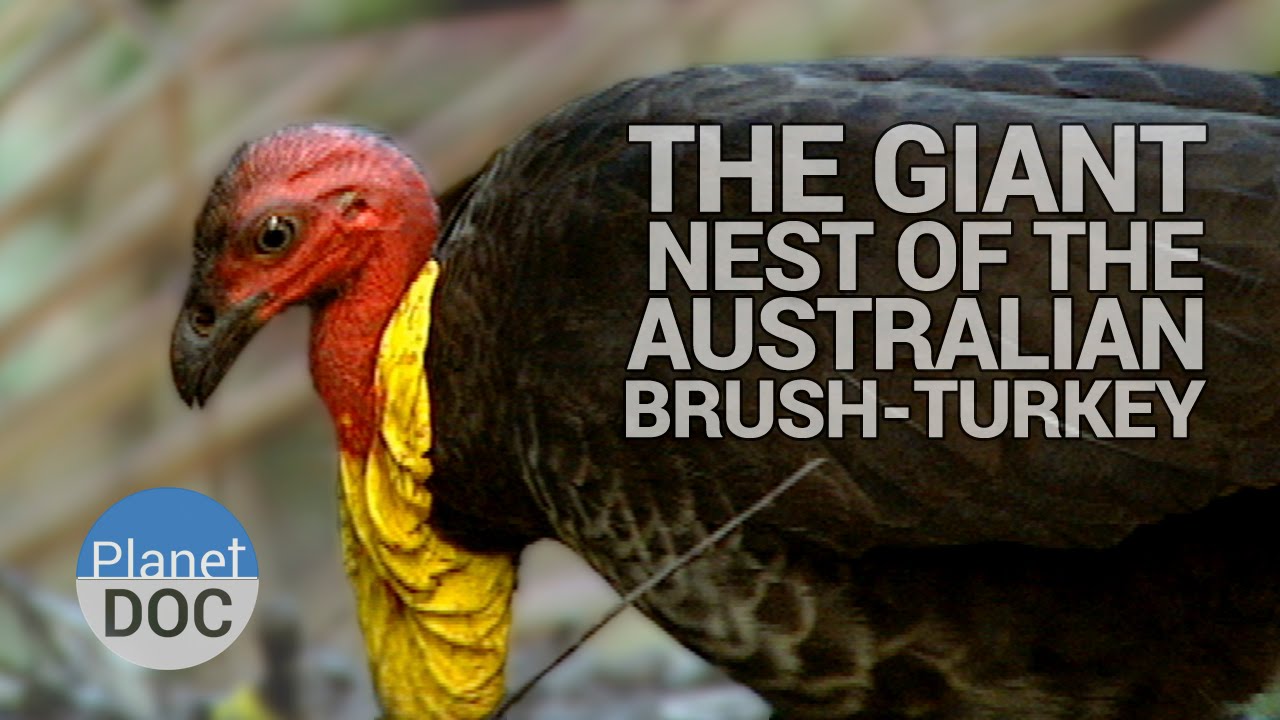
The australian turkey builds a giant nest for laying eggs in this short documentary.
Great White sharks engage in fierce competition during mating season, showcasing their unique behaviors and interactions in the underwater ecosystem.
The Gurung tribe collects honey in a deep valley at the foot of Annapurna peaks.
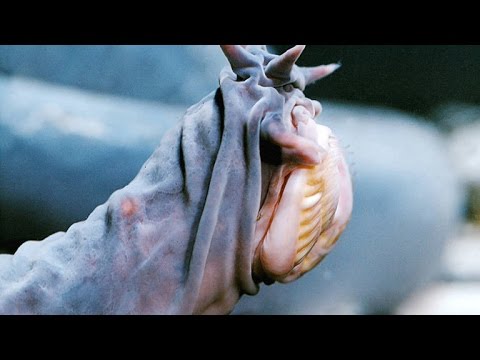
The hagfish is a slime-emitting ocean dweller that has remained unchanged for 300 million years.
The Galapagos Marine Iguana, the only lizard that can live in the sea, showcases unique adaptations that enable it to thrive in marine environments.
Bob Mankoff reflects on exercise and cartoons in The New Yorker, including the NYC Marathon.
The fossil reveals the amazing body structure of the dimorphodon, an early flying reptile.
Reaching the summit of Mount Bromo in Probolinggo, East Java, presents significant climbing challenges and rewards with stunning views of the volcanic landscape.
Researchers track a black rhino bull using spoor after his transmitter fails.
A Patagonia crew sails the Pacific, enjoying kiting, fishing, and surfing adventures.
In the rainforests of Sumatra and Borneo, the habitat of the orangutan is explored, highlighting the need for conservation efforts to protect these endangered species.
Speedy predatory dinosaurs like the cathus thrived in Europe during the Jurassic period, which lasted from approximately 201 to 145 million years ago.
The video features a lake of jellyfish, highlighting their Literally Photosynthesis ability.
In the Kalahari Desert, meerkats exhibit complex social behaviors, showcasing their teamwork, communication, and survival strategies against predators.
Orphaned bears struggle to survive as other mothers rarely adopt them in 'The Return of the Bears.'
Wild salmon, once abundant in the Americas, now face extinction in the West due to genetic decline.
Mandarin fish couples perform a beautiful courtship dance in the Great Blue Wild series.
Yellowstone, America's first national park, is home to grizzly bears and Old Faithful geyser.
A cartoonist for the New Yorker shares the thrill of unexpected creative moments.
The Lake District National Park highlights Wast Water and its picturesque landscapes, including rolling hills and tranquil woodlands in Northern England.
From the 8th to the 4th century BCE, ancient Greek city-states expanded their influence from modern-day Spain to Russia and Egypt.
The Tswaing Crater in South Africa is a wildlife haven formed by a meteor impact 220,000 years ago.
Nazaré's waves, reaching heights of up to 80 feet, are among the tallest and most dangerous in the world, demonstrating the immense power of nature.
Ed White's iconic spacewalk suit exemplifies the essential gear that ensures astronaut safety and comfort during missions, highlighting the challenges of space travel.
Many people know hippos in the Luangwa Valley can reach 115 decibels in sound levels.
The Knights Templar, a medieval military order, played a crucial role during the Crusades and have left a lasting impact on history and popular culture.
Nine in 10 of the world's volcanoes are concentrated along the Pacific Ring of Fire, with Kawa Ijen on Java being one of the most dangerous.
Chris Hemsworth explores ways to enhance well-being while showcasing the planet's wildlife, ancient civilizations, and the expertise of Nat Geo's scientists and filmmakers.
King Thutmose IV uncovers the Great Sphinx, gaining kingship through this legendary discovery.
More than half of Earth's surface remains unexplored, particularly the ocean depths, raising questions about the existence of unknown creatures like the Kraken.
The Zambezi River offers thrilling rafting experiences in Zambia and the Democratic Republic of Congo.
Komodo dragons use stalking and venom to kill prey, showcasing their unique hunting skills.
Cleopatra's reign as the last active ruler of the Ptolemaic Kingdom of Egypt is examined through historical accounts and archaeological evidence.
The Tsaatan tribe in Mongolia relies on reindeer herding for their nomadic lifestyle.