From over 100,000 films, discover the handful you'll love.
Free or premium access to the world's largest documentary library.
7945 films(Page 131 of 166)
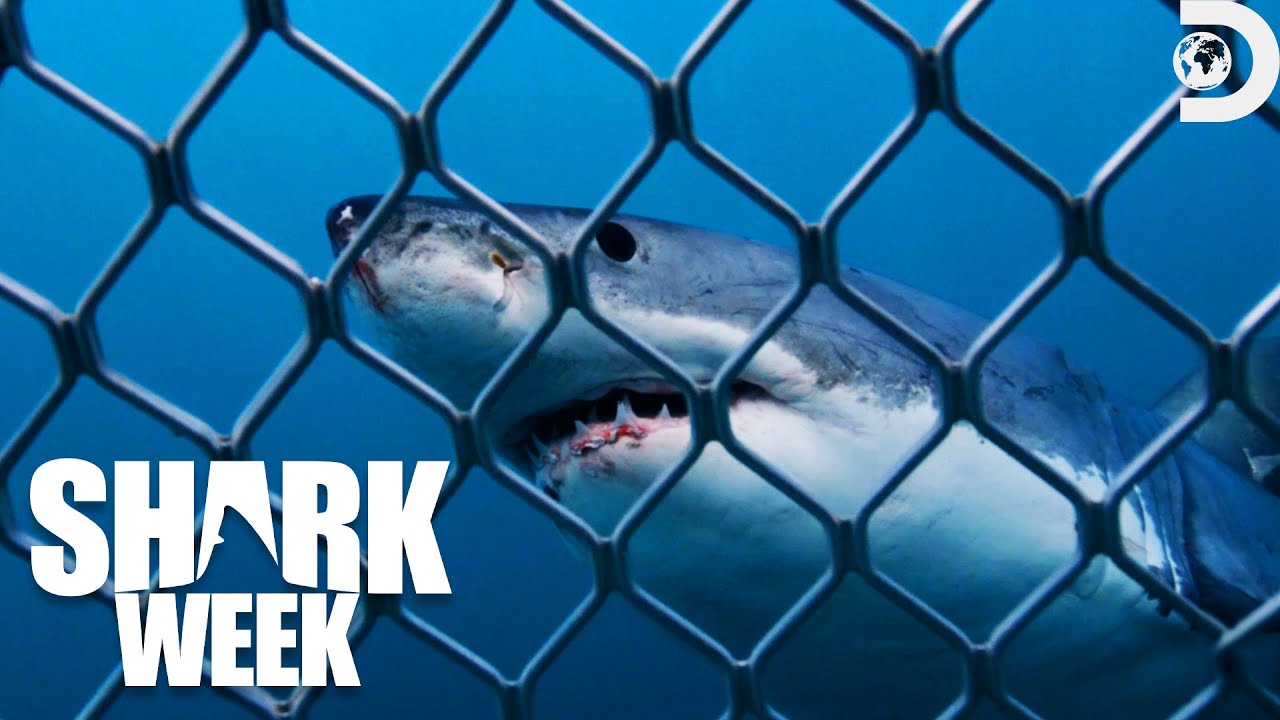
A massive great white shark, measuring over 18 feet long, attacks a life-sized whale decoy during a chaotic feeding frenzy off the coast of South Africa.
BBC Earth revisits some of the most tense moments in nature, featuring injured elephants and critical life-and-death scenarios across various ecosystems.
Sir David Attenborough shares soothing moments from nature, including the world's smallest lemur and the hatching of chicks, in a 26-minute compilation.
A 20-foot great white shark named Deep Blue has given birth to 100 pups and reemerged in 2015 during a Shark Week research trip.
Watch thrilling moments from Shark Week 2023 featuring giant sharks and daring divers.
Sixteen species of sharks, including the rare mega mouth, are tagged by researchers in their quest to learn more about these powerful creatures.
Unique mating rituals across various species are explored, showcasing the diverse and often surprising behaviors in the animal kingdom.
The video showcases the world's most venomous animals, including the Box Jellyfish and Stonefish.
A team of researchers tags an 18-foot great white shark using a life-sized whale decoy during a feeding frenzy off the coast of South Africa.
Animal mothers across various species demonstrate their vital roles in nurturing, protecting, and teaching their young essential survival skills.
Mount Rainier has 34 square miles of glacier ice, shaped by volcanic activity and weathering over thousands of years.
In 2010, a census counted 480 mountain gorillas in Rwanda, marking the only increasing population of apes in the world due to conservation efforts.
Wildebeest, macaques, brown bears, hyenas, and caterpillars exhibit unique survival strategies in various climates and environments around the world.
In the Mustang region of Nepal, young Nima trains to become a skilled horseman as he prepares for the prestigious Dzar horse race, reflecting local cultural values.
Tortoises, previously believed to be mute and deaf, exhibit complex verbal communication, shedding light on their social interactions and behaviors.
Oarfish, the longest bony fish in the ocean, remains largely mysterious, often encountered only when washed ashore or caught in nets.
BBC Earth compiles the top five leopard moments from its natural history archive, highlighting their hunting techniques and interactions in diverse habitats.
Forest ecologist Nalini Nadkarni collaborates with diverse groups, including artists and prisoners, to highlight the vital connection between nature and human life.
In the Ansel Adams Wilderness of the Sierra Nevada, photographer Peter Essick captures the region's stark beauty, honoring the legacy of the iconic American artist.
Vincent J.
Nobel Laureate Martin Chalfie and Nat Geo Explorer Beth Shapiro analyze the factors influencing species survival and extinction.
Biologist David Rubik has studied the wildlife in Panama for 30 years, noting nearly 500 different kinds of butterflies in just one acre of tropical forest.
Approximately 4 billion birds migrate south for winter, with key locations like Bosque del Apache National Wildlife Refuge and Aransas National Wildlife Refuge featured.
In the Yukon territory, National Geographic showcases the region's stunning landscapes and diverse ecosystems through the expertise of scientists and filmmakers.
Wildfires play a crucial role in various ecosystems, providing hunting opportunities for species that adapt to these natural events.
Nature showcases a variety of surprising projectiles, highlighting the unique adaptations of animals and plants that utilize these mechanisms for survival.
Biodiversity on Earth showcases a variety of distinctive and quirky animals, highlighting the unique adaptations that enable their survival.
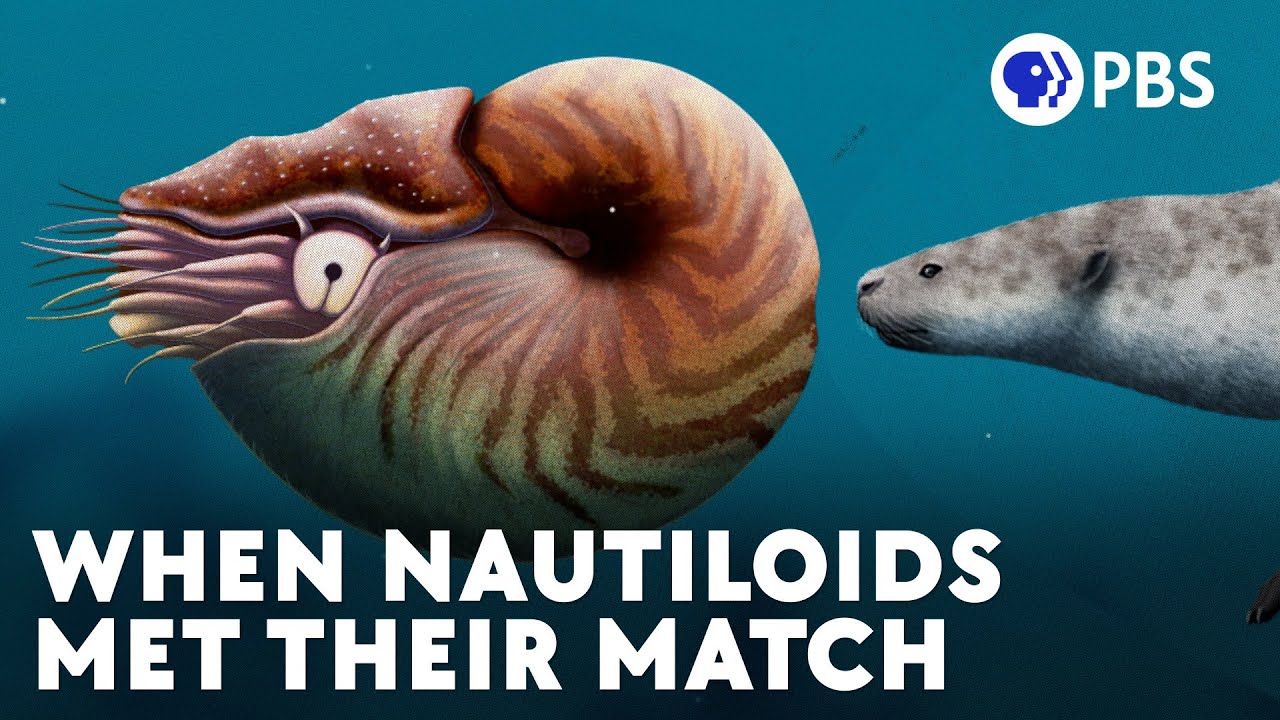
Around 30 million years ago, new predators like seals and whales began to displace nautiloids from their global habitats into a single refuge.
The Baka Pygmies hunt for duiken in the Dzangha-Sangha reserve of the Central African Republic.
In New Caledonia, the Kanak people's daily lives reflect their deep connection to the land and sea, emphasizing traditional practices and cultural reverence.
A new male member joins the women's team in Naked and Afraid XL, impacting their survival dynamics.
Heart disease, the leading cause of death worldwide, is examined through new research focusing on cardiac health and the impact of heart attacks.
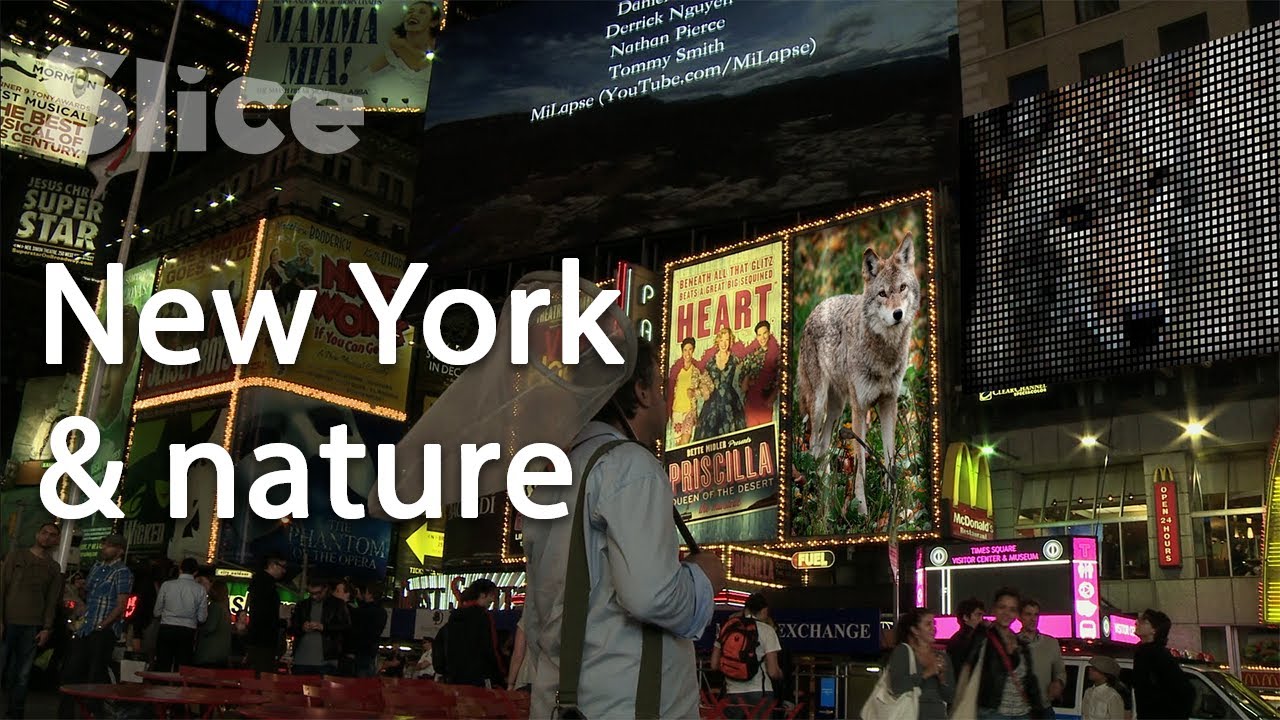
New York City confronts the urgent challenge of rising waters and natural disasters, exploring innovative solutions for sustainable urban coexistence with nature.
Manhattan once had 35 hills and a complete ecological system with bears, whales, and river otters before urban development transformed the area.
New Zealand's rich Maori culture, unique wildlife like the kiwi bird, and diverse landscapes illustrate the challenges of modern life in this isolated archipelago.
More than 25,000 large mammals inhabit the Ngorongoro Crater during the rainy season, thriving in its unique ecosystems and abundant resources.
More than 25,000 large mammals inhabit the Ngorongoro crater during the rainy season, attracting one of Africa's highest concentrations of predators.
Two species of flamingos, the greater and lesser, flock to Lake Magadi in Ngorongoro each year to feed on algae and crustaceans.
An adult male African elephant can weigh as much as six tons and consume around 300 kilos of food daily, impacting the fragile larai forest ecosystem.
Ten million years ago, the Mediterranean Sea basin transformed from a desert valley into a vast body of water following the collapse of the rock dike in the Strait of Gibraltar.
Ten million years ago, the Mediterranean Sea basin was a desert valley until the collapse of the rock dike in the Strait of Gibraltar transformed it into a vibrant sea.
Ten million years ago, the Mediterranean Sea basin transformed from a desert valley into a thriving marine environment following the collapse of the rock dike in the Strait of Gibraltar.
A female marbled torpedo ray can give birth to between five and thirty-five offspring, which are self-sufficient and measure seven to ten centimeters long.
Ten million years ago, the Mediterranean Sea basin was a desert valley, transformed into a vibrant sea after the collapse of the rock dike in the Strait of Gibraltar.
In 1964, Nikita Khrushchev was ousted from power, marking the end of a leadership that brought the world to the brink of nuclear disaster.
9,000 helicopter trips crisscross New York City on the busiest day, but now empty skies and abandoned streets signal nature's return.
Sai owns 50 Mongol horses, a breed adapted to the harsh climate of the Mongolian steppes, where he continues traditional horse rearing despite modern pressures.
Seven meters of rock will be removed in a single day at the deepest mine in western Europe, located on the northeast coast of England.