From over 100,000 films, discover the handful you'll love.
Free or premium access to the world's largest documentary library.
7945 films(Page 24 of 166)
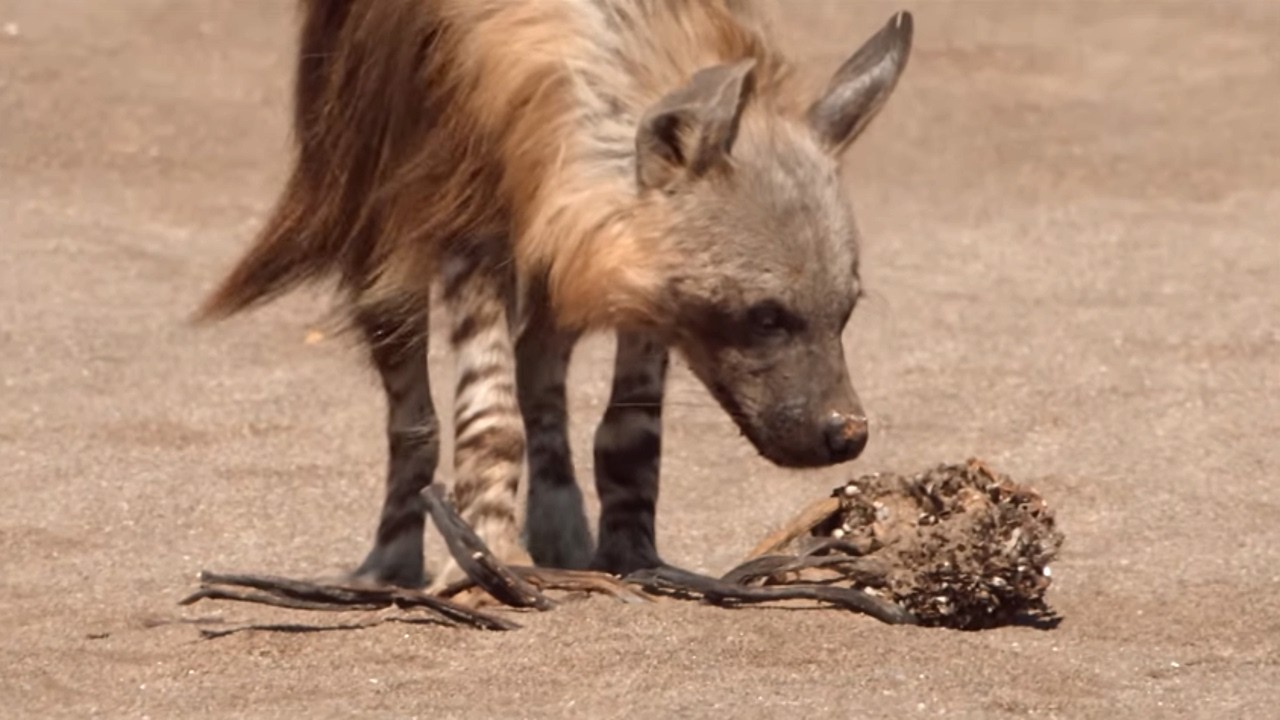
Only eight thousand brown hyenas remain in the wild, with many finding refuge along Namibia's Skeleton Coast, a harsh and arid environment.
The Cyclades, around the sacred isle of Delos, showcase unique islands and the pelican Petros.
Dave Cowburn breeds turbot in a WWII bunker while Jersey's potatoes thrive.
Two million wrinkly bats emerge from their cave at dusk, while raptors wait to prey on them, illustrating the region's rich biodiversity.
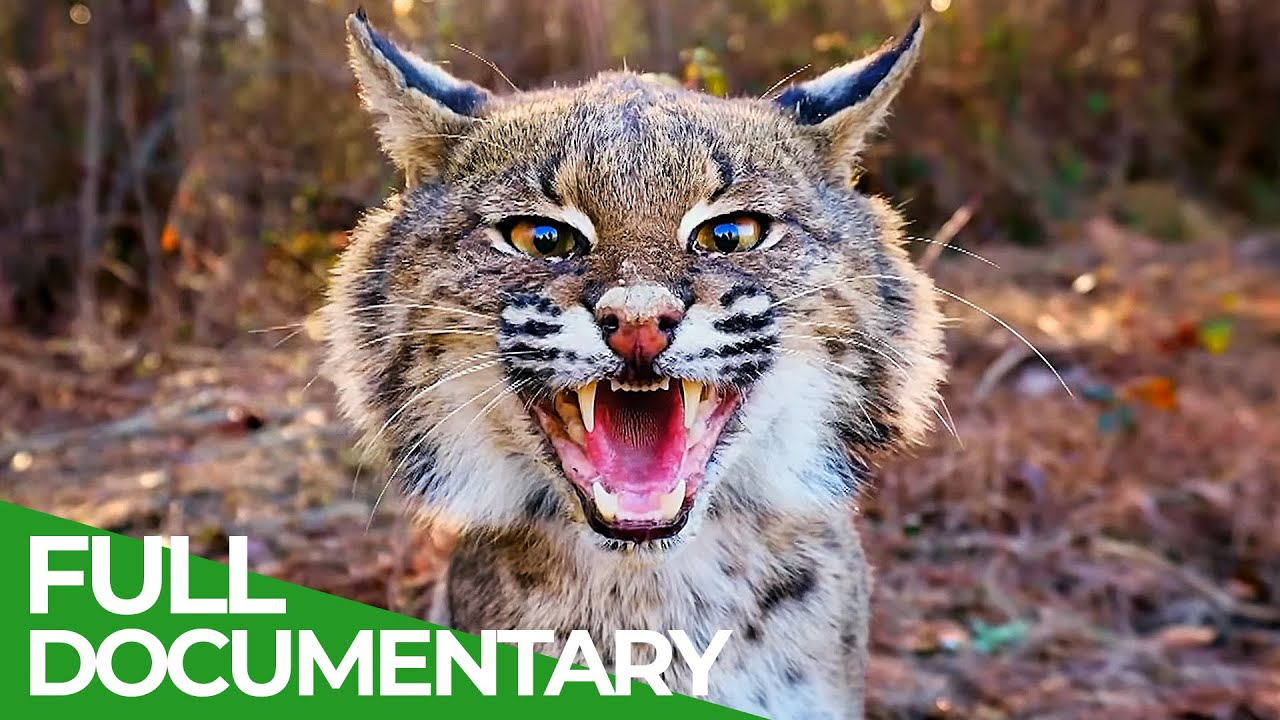
Wild cats, including Cheetahs, Pumas, Jaguarundis, Ocelots, and Bobcats, are explored for their unique behaviors and adaptations beyond the well-known big cats.
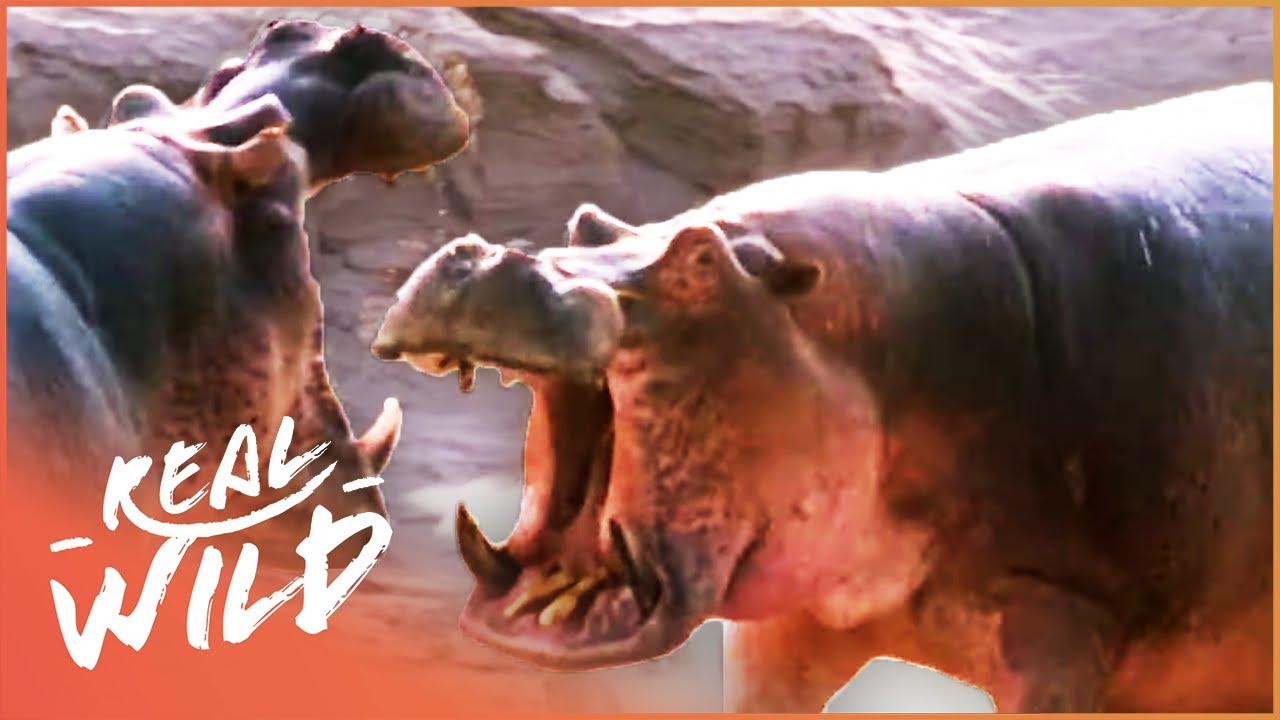
Hippopotamuses, often perceived as harmless, are responsible for more human fatalities in Africa than any other animal, driven by aggressive territorial behavior and violent social dynamics.
A hurricane can unleash as much energy in a day as 10,000 nuclear bombs, causing catastrophic damage to low-lying areas when they make landfall.
In the Bohemian Forest, Vaclav adopts two bear cubs orphaned by their mother, highlighting the challenges of survival and the bond formed in the wild.
North and South America, rich in biodiversity, are home to 14 wild cat species that face significant challenges in their fight for survival.
Kanga Pan in Mana Pools National Park serves as a vital water source for diverse wildlife, while a hidden predator poses a threat to the gathering animals.
On August 6, 2002, the discharge of the Vltava River in Prague reached an alarming 1,500 cubic meters per second during a catastrophic flood event.
In Argentina, the Giganotosaurus emerges as a formidable rival to the T-Rex, while the Linder family’s discovery of Bambi sheds light on dinosaur family dynamics.
More than 100 million monarch butterflies take to the air in Mexico each spring, beginning the longest insect migration on Earth.
Richard Fox operates his family ranch at an altitude of 2,300 meters in Wyoming, where he faces challenges feeding horses and cattle amid late spring snow.
In Dry Tortugas National Park, scientists conduct a comprehensive fish census while exploring the health of bottlenose dolphins and the importance of seagrasses and mangroves.
Wild animals display humorous behaviors, such as sliding down snowy hills and engaging in playful interactions, highlighting their unique personalities and family bonds.
A natural choke point between two lakes helps Bear Grylls catch fish using a makeshift net in the high mountains of northern Scotland.
Around 800 brown bears inhabit the Tatra Mountains, where they coexist with domestic animals and face legal hunting limits of 70 to 80 bears each year.
A mother bear with three cubs, just 8 months old, forages for food in autumn to build fat reserves before winter hibernation.
Michael "Nick" Nichols employs advanced technologies to photograph lions and elephants in Africa, aiming to reduce human-animal conflict and prevent extinction.
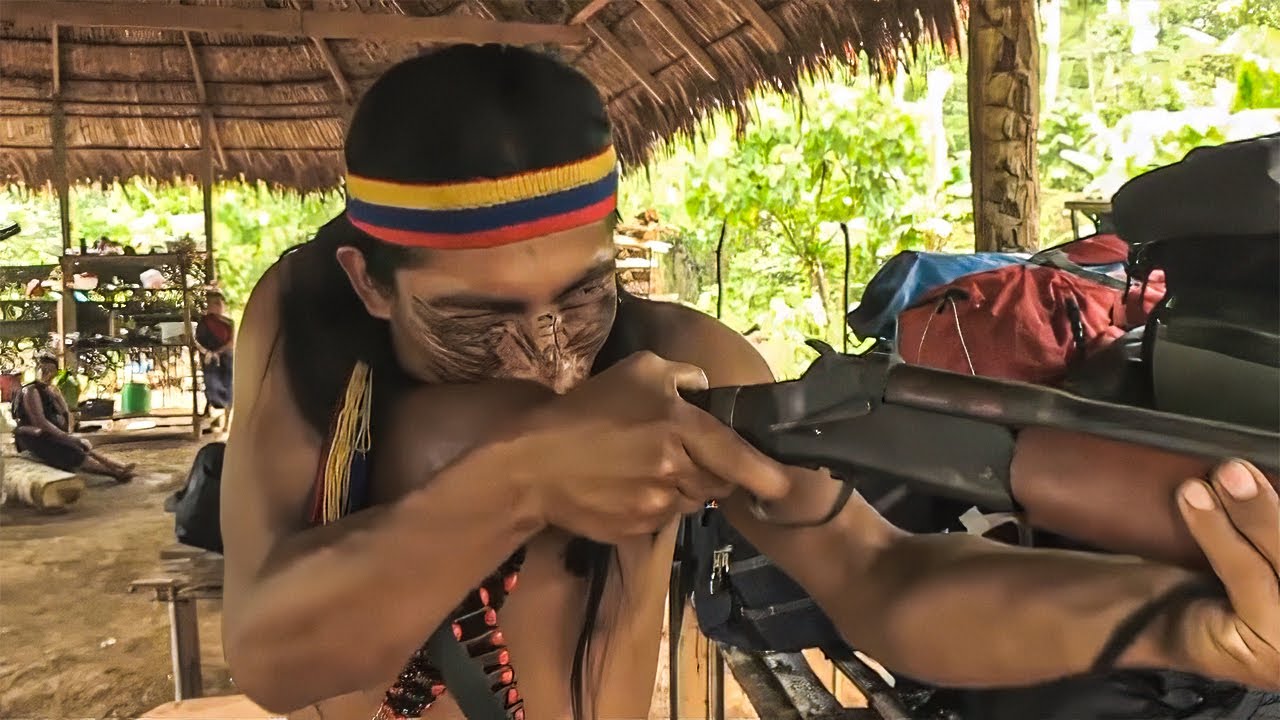
Géraud Burin des Rosiers attempts to hunt crocodiles with his bare hands and confronts venomous snakes in the Amazon rainforest.
In the Gobi Desert, Mongolian scientists document the rare Gobi bear, one of the world's most elusive species, as part of a new conservation effort.
In the icy waters surrounding the Crozet Islands, a young female killer whale named Delphine learns essential survival skills, including hunting techniques and navigation.
In Bonaire, Dr. Jennifer Mather and her team of scientists investigate the complex communication of reef squid through skin patterns and document their unique behaviors.
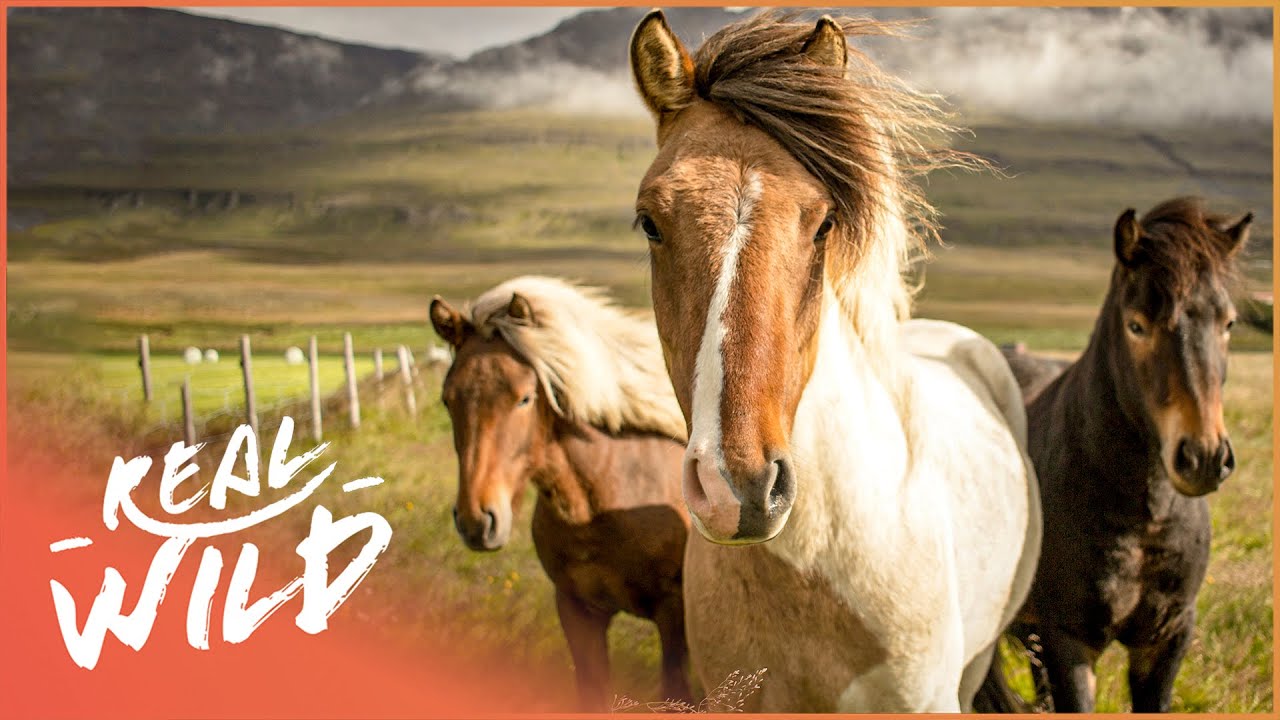
In the North American West, only a few hundred wild mustangs remain, while many in captivity experience severe psychological distress.
In the Florida Everglades, an unprecedented cold snap challenges the invasive Burmese python population, prompting Python Hunters to study and manage their impact.
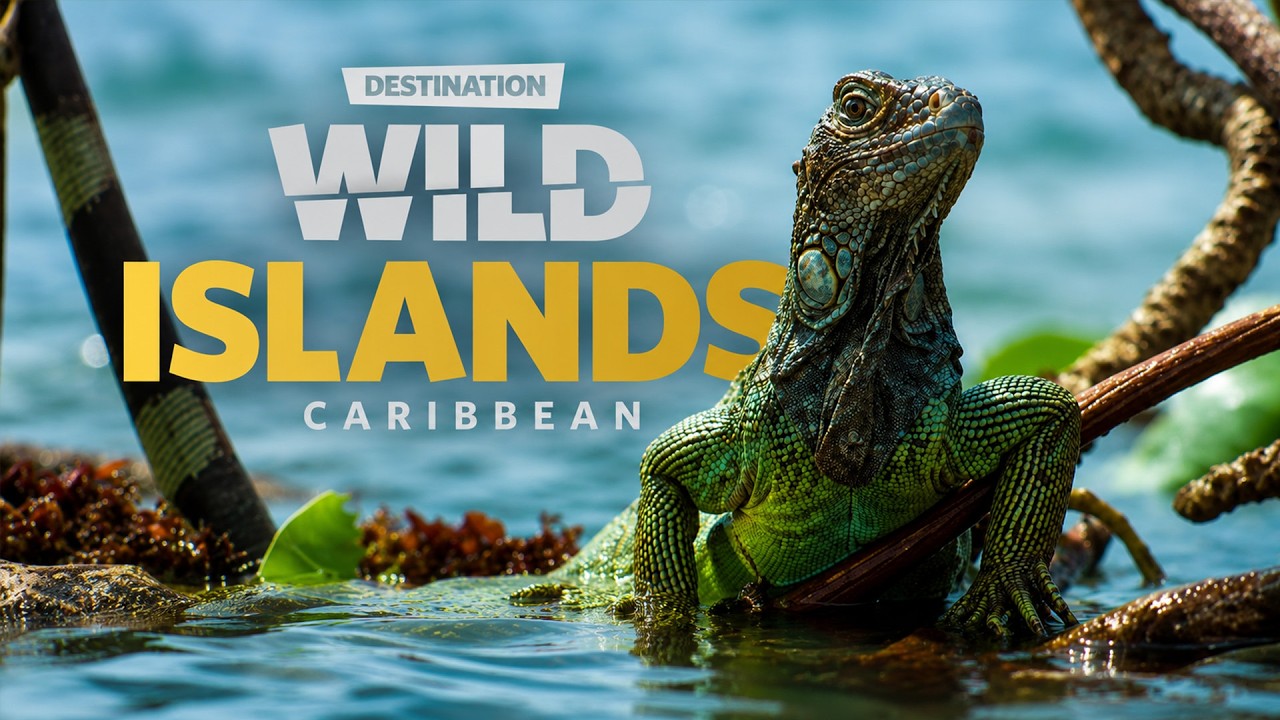
The Caribbean archipelago showcases diverse wildlife, including nesting leatherback turtles, humpback whales, and resilient island reptiles, shaped by its unique geography.
Asteroids cause death and destruction on Earth, as shown in Season 1, Episode 10.
In Vienna, the birth of Fu Long, a giant panda cub, marked a historic moment for European zoos, showcasing the early life of this endangered species.
In the Straits of Gibraltar, migratory animals, including over 300 million birds and orcas, navigate a complex ecosystem shaped by historical and contemporary challenges.
In the cold steppe of China's wild west, the endangered Wild Yak, a resilient species thriving at 6,000 meters, faces challenges amid rapid development.
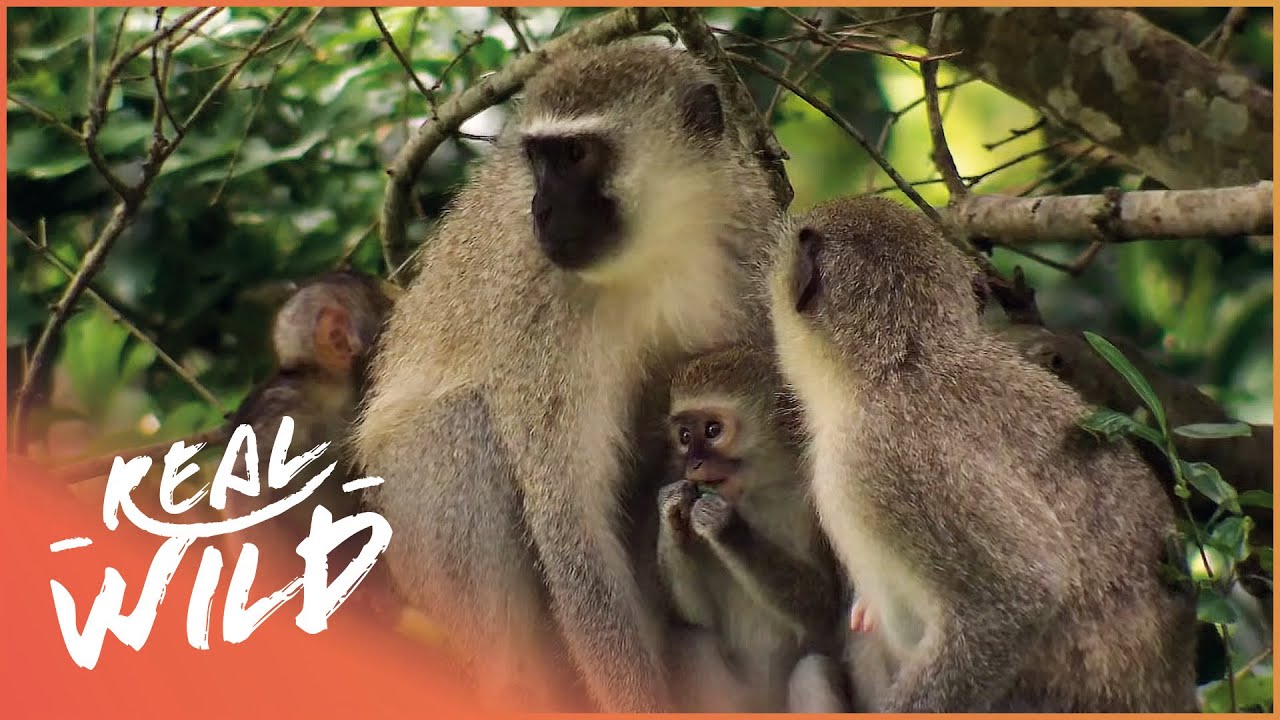
In a luxury golfing estate in South Africa, Vervet Monkeys contend with the encroaching Sugar Cane Gang during the critical Mating Season.
Three lionesses and their nine cubs navigate the challenges of survival and rivalry in the Masai Mara reserve, forming coalitions and facing hunger.
The 2016 Disaster Diaries captures La Nina's powerful impact on global weather in Ultra High Definition.
In Öland, Sweden, a moose detective investigates the mysterious deaths of moose calves, linking potential causes to climate change and food shortages.
In Uganda's Rwenzori mountains, brothers Makumbi and Musa guide a group of foreigners through a surreal landscape of giant bamboo forests and diverse wildlife.
Mosquitos transmit pathogens that kill over 700,000 people each year, making them the deadliest creatures on the planet.
In the Bahamas, Dr. Denise studies the communication and social behaviors of Atlantic Spotted Dolphins, documenting their interactions across multiple generations.
Around 140 Cantabrian brown bears inhabit the rugged mountains of northern Spain, thriving in a region with an annual rainfall of about 2,000 millimeters.
A newborn elephant weighs almost 100 kg at birth and must quickly learn to navigate the dangers of the African savannah to survive.
The evolution of the bond between humans and dogs is explored, highlighting the complexities of their relationship from early domestication to modern times.
Carinthia's Nockberge region, Austria's oldest landscape, features a unique harmony between wildlife and traditional mountain farming, preserved from tourism expansion.
A school of up to 300 dolphins is spotted off the coast of São Tomé, where local conservationists work to protect the island's marine life.
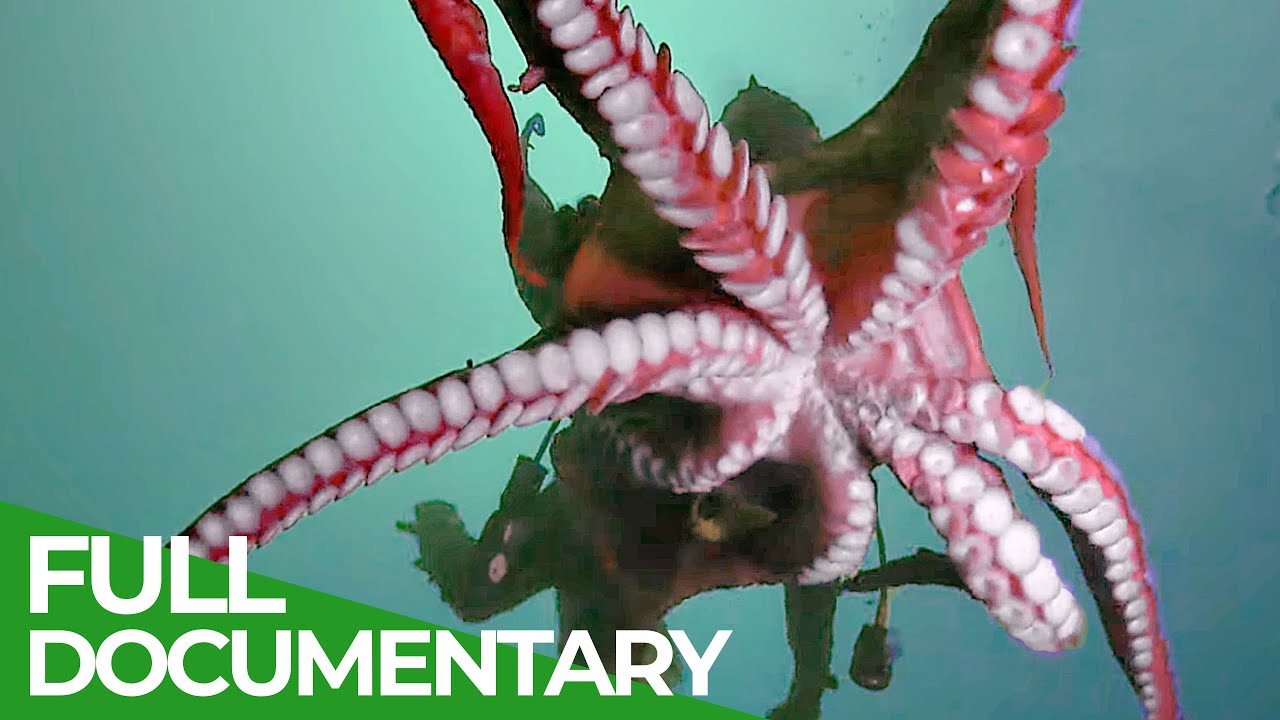
Octopuses and their relatives, including squid and cuttlefish, are examined for their intelligence and unique adaptations in the marine environment.
Gibbons, agile tree-dwelling apes native to Asia, are critically endangered due to habitat destruction and hunting for food.
Butterflies, with over 150,000 species and remarkable life stages from egg to caterpillar to cocoon, exhibit complex behaviors captured in stunning global footage.
Arlberg, a renowned ski resort in Austria, features stunning snow-covered landscapes and untouched nature in its remote valleys and rugged mountain ridges.
Wild animals rely on their sense of touch for survival, navigating the fine line between pleasure and pain in their daily lives.