
Deadly Disasters: Hurricanes
Synopsis
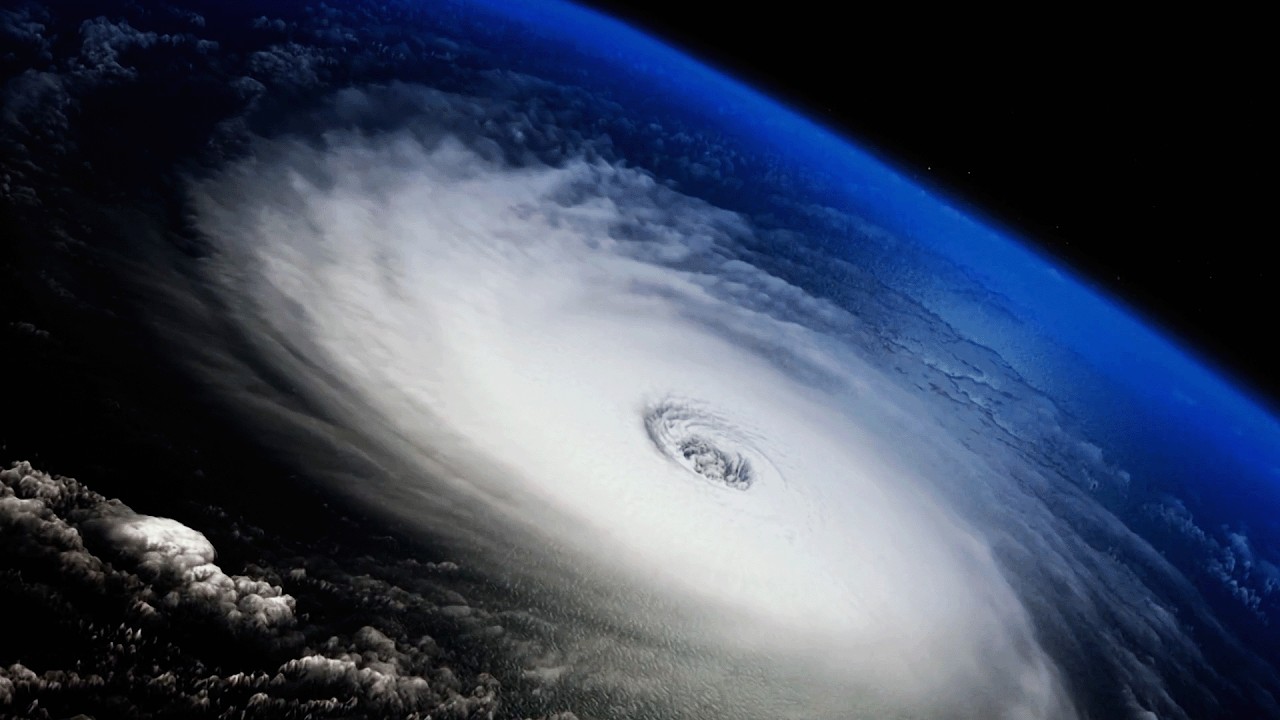
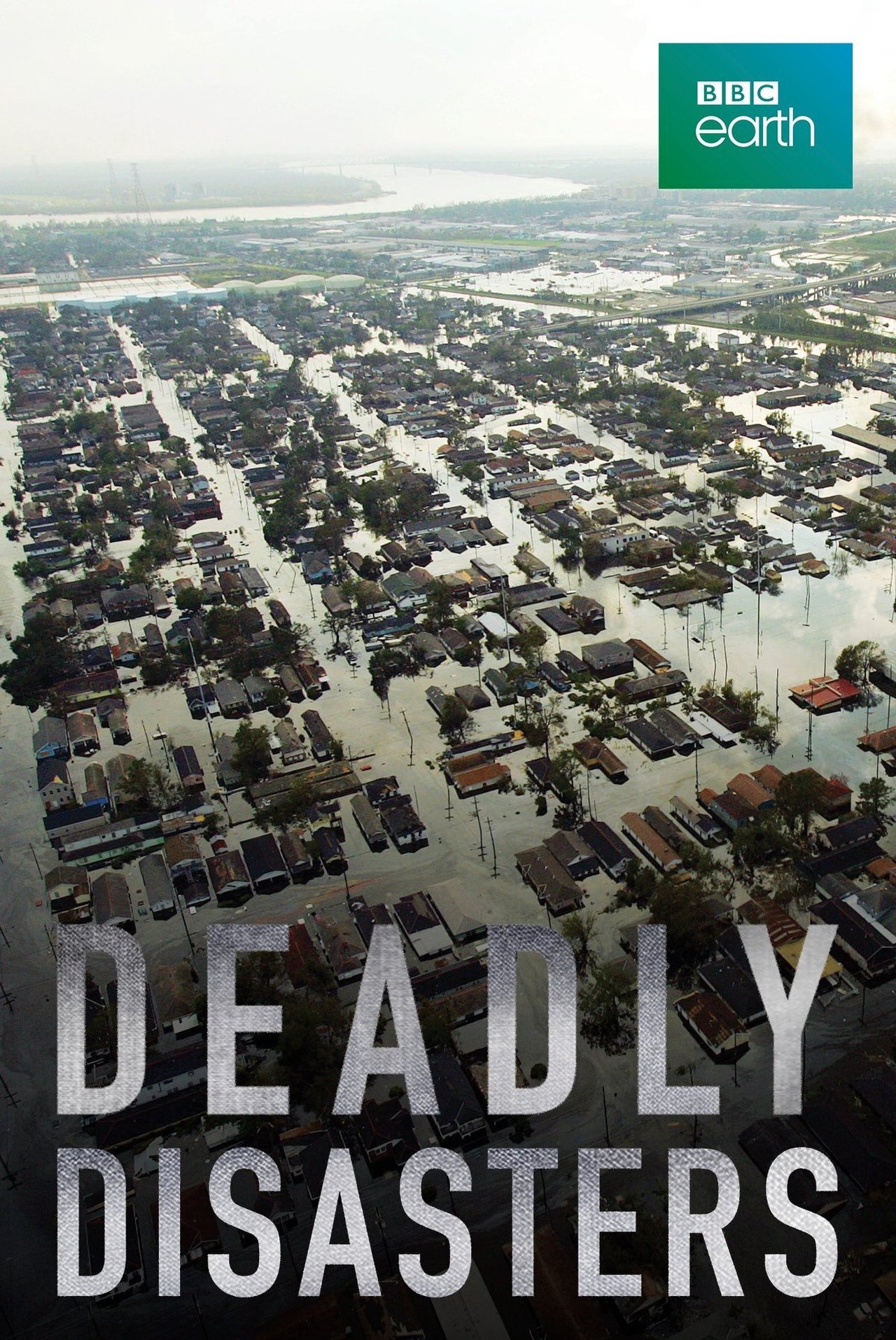
A hurricane can unleash as much energy in a day as 10,000 nuclear bombs, causing catastrophic damage to low-lying areas when they make landfall.
Synopsis
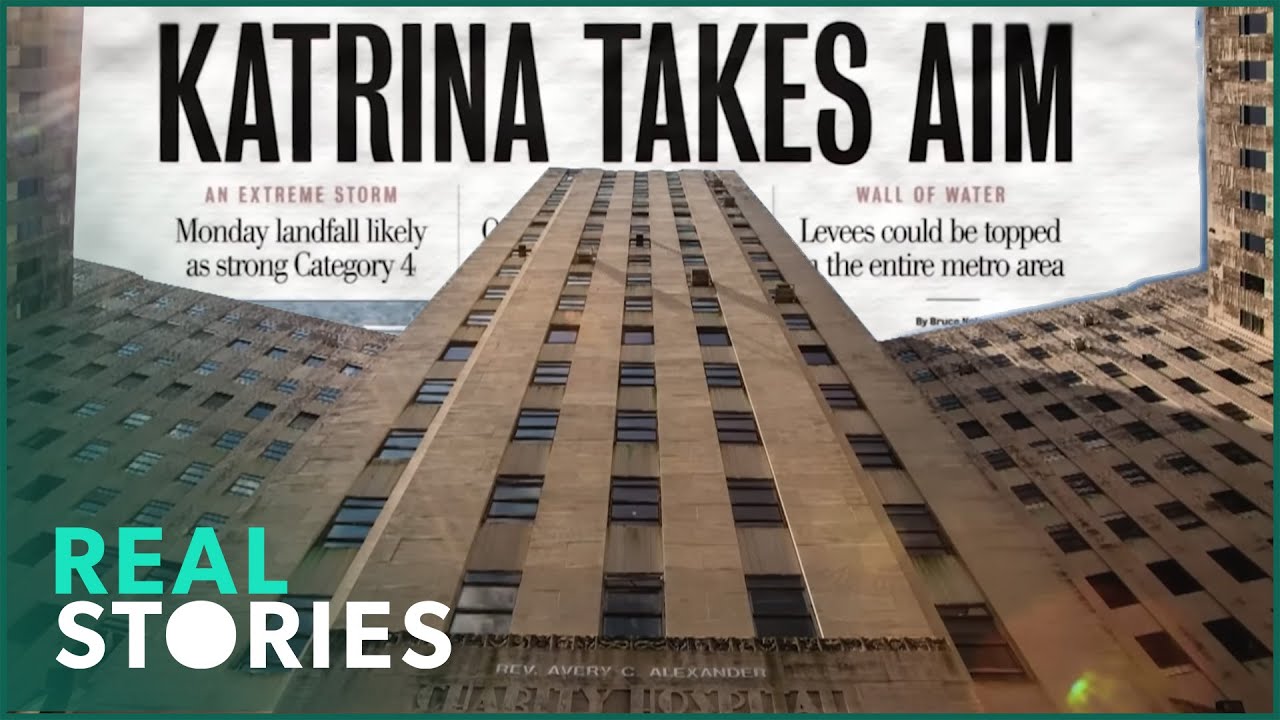
New Orleans and Puerto Rico faced devastating storms in 2005 and 2017, respectively. Hurricane Katrina struck the Gulf Coast, while Hurricane Maria hit Puerto Rico. The film presents survivor accounts and expert commentary on the destruction caused by these hurricanes. It outlines the conditions necessary for hurricane formation and the scale used to classify their intensity. The documentary also addresses the challenges of recovery in affected areas and the role of climate change in increased storm severity.
Deep Dive
Why Watch
- See how Hurricane Katrina devastated the Gulf Coast.
- Find out why urban development increases hurricane risk.
- Meet experts discussing climate change's impact on storms.
Did You Know
- Hurricanes can release energy equivalent to 10,000 nuclear bombs.
- Hurricane Katrina struck the Gulf Coast in 2005, while Hurricane Maria hit Puerto Rico in 2017.
- Hurricanes are classified from Category 1 to Category 5 based on wind speed.
Perfect For
Frequently Asked Questions
What is the minimum wind speed for a hurricane to be classified as category one?
A hurricane is classified as category one when wind speeds reach at least 119 km/h.
What scale is used to rate hurricanes?
Hurricanes are rated using the Saffir-Simpson scale, which categorizes them from category 1 to category 5.
What are the three names given to rotating tropical storms based on their location?
They are called hurricanes in the western North Atlantic, cyclones in the Bay of Bengal and Arabian Sea, and typhoons in the western Pacific.
What are people saying?
Play More Like This



Where else to watch


Related Films
Is this your film?
If you made this film or hold the rights to it, we'd like to talk. We can license it and pay you a share of what it earns.

Comments