From over 100,000 films, discover the handful you'll love.
Free or premium access to the world's largest documentary library.
7943 films(Page 109 of 166)
Myrtle Beach, South Carolina's most famous coastal town, showcases beautiful winter beach views and aerial shots of the Little River inlet and Cherry Grove.
A thermal camera captures hippos grazing at night while avoiding lions in Zambia.
The Knights Templar, a medieval Christian military order, are examined for their historical influence and the enduring mysteries surrounding their mission and activities.
Robber crabs, known for their ability to steal household items and their impressive size of up to 3 feet across, are showcased in their natural habitat in this short documentary.
Shells serve as protective structures for numerous marine and terrestrial species, influencing food chains and habitats across various ecosystems.
Earth's sixth mass extinction, driven by human activity, threatens biodiversity as up to 58,000 species vanish annually, prompting calls for innovative solutions like De-Extinction.
Over 20 banded mongooses gather to help warthogs by eating ticks and lice, creating a mutually beneficial relationship on the African savanna.
In a sanctuary run by the Jane Goodall Institute, rescued chimpanzees undergo 'The Snake Test' to assess their readiness for life in the wild.
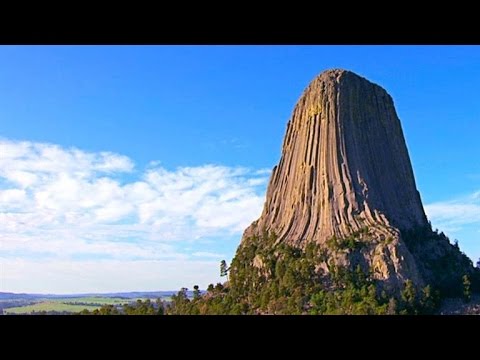
Devils Tower National Monument attracts 400,000 visitors each year, drawn in part by its connection to UFOs and its appearance in Close Encounters of the Third Kind.
Four weeks after entering her chrysalis phase, a female Cairns birdwing butterfly emerges and pumps fluid into her new wings to prepare for flight.
Victoria Falls offers extreme sports and stunning views on the Zambia-Zimbabwe border.
Giant Japanese salamanders showcase their unique features in this episode of Seriously Amazing Objects.
The Blotched Fantail's venomous stinger can be lethal if it connects with a vital organ.
The Kodiak Bear, North America's Giant Bear, feeds on salmon and grasses throughout the year.
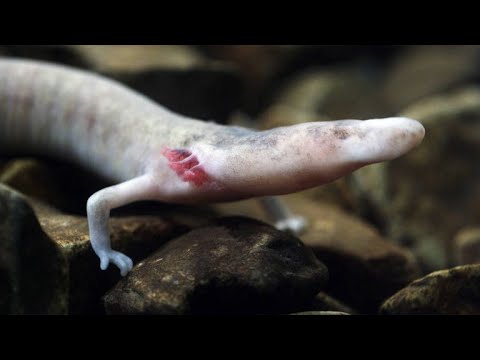
Olm salamanders can grow to almost a foot and a half long and can survive up to 10 years on a single meal in the dark caves beneath Predjama Castle.
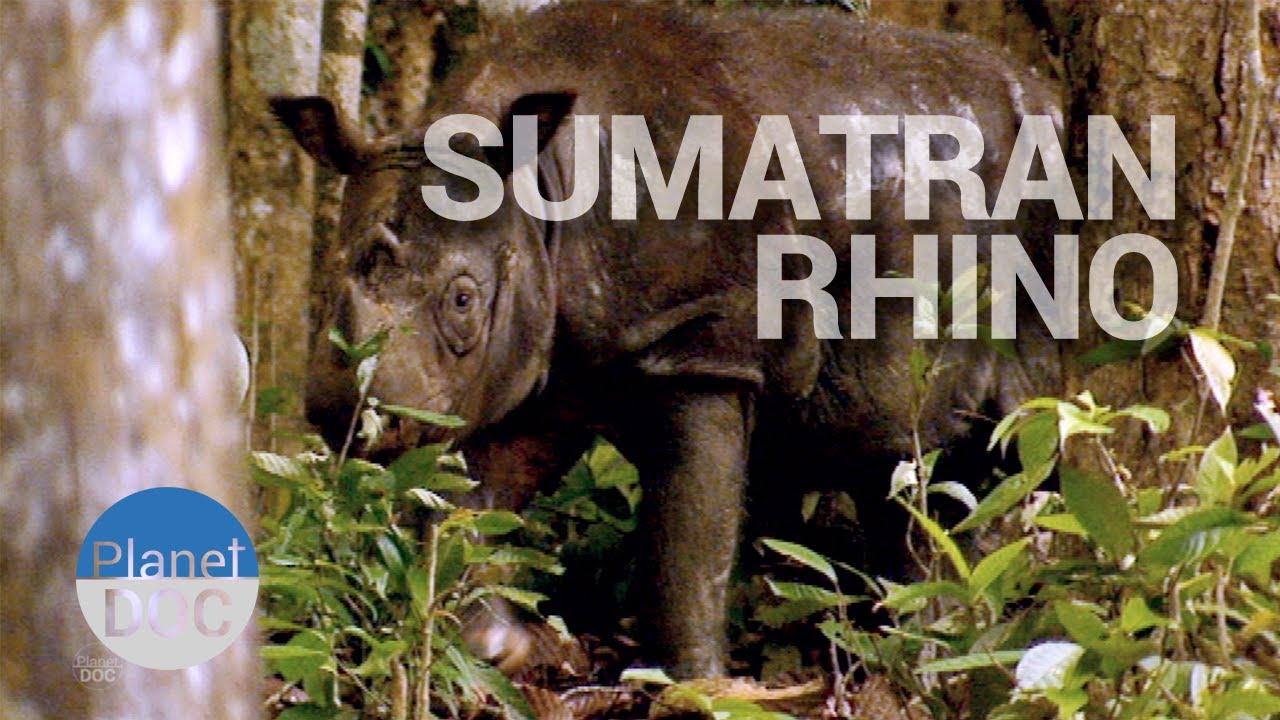
A Sumatran rhinoceros weighs about 1,700 pounds and requires four square miles of jungle space to survive, complicating its conservation.
Birds grew feathers 150 million years ago for insulation, not flight, as shown by Attenborough.
Male common toads compete violently for a female in Neuschwanstein's wild setting.
The tiger beetle can run up to 5.5 miles per hour, illustrating its adaptations for survival as shown in Macro Worlds: God's Darlings: Beetles.
An immigrant male baboon may kill infants during battles for dominance, leaving younger troop members emotionally affected by the violence.
Male peacocks display vibrant feathers to attract mates, while females remain a dusty brown to avoid drawing attention during incubation.
Lane Greene from The Economist discusses the nature of lies and human deception.
The Tuskegee Airmen become the first African American pilots in World War II combat training.
The Yorkshire Dales cover 800 square miles and feature a patchwork of fields divided by dry stone walls, earning the nickname God's own country.
The Kunene River contrasts the barren Namib desert with its emerald green hue.
In 1788, British mariner John Meares named the Olympic Mountains in northwest Washington after Mount Olympus due to their striking, snow-capped peaks.
A British mariner names the Olympic Mountains in Washington after Greek gods in 1788.
Hawaii, formed 40 million years ago, features the most active volcano on Earth since 1983.
In 2021, the world will start to address issues beyond the pandemic that consumed everything.
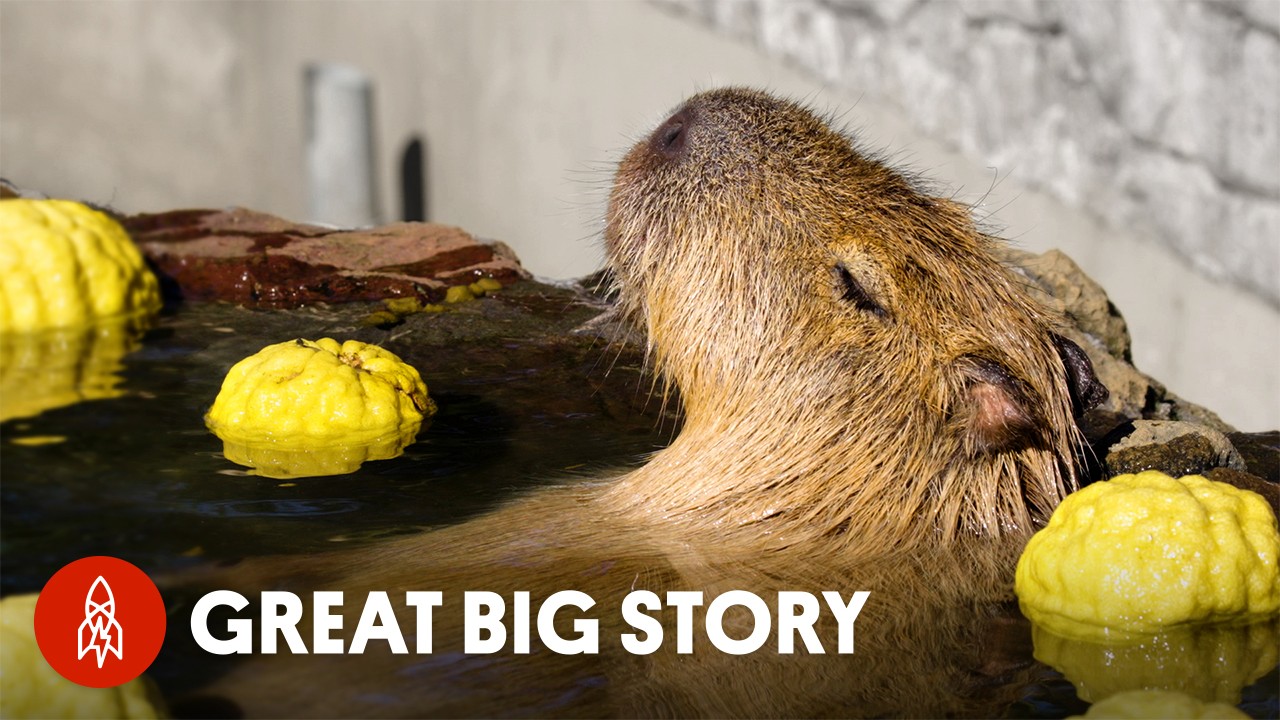
Capybaras, the largest rodent, enjoy a pampered life in Japan's Izu Shaboten Zoo.
Meet Bandar and Suuch, two cubs with distinct personalities and playful interactions.
Seven pride lands in the Aavango Delta are each as large as Manhattan, where lions defend their territory against intruders.
Yellow baboons in Kenya exhibit strong male-female bonds through extensive grooming habits, highlighting their affectionate nature year-round.
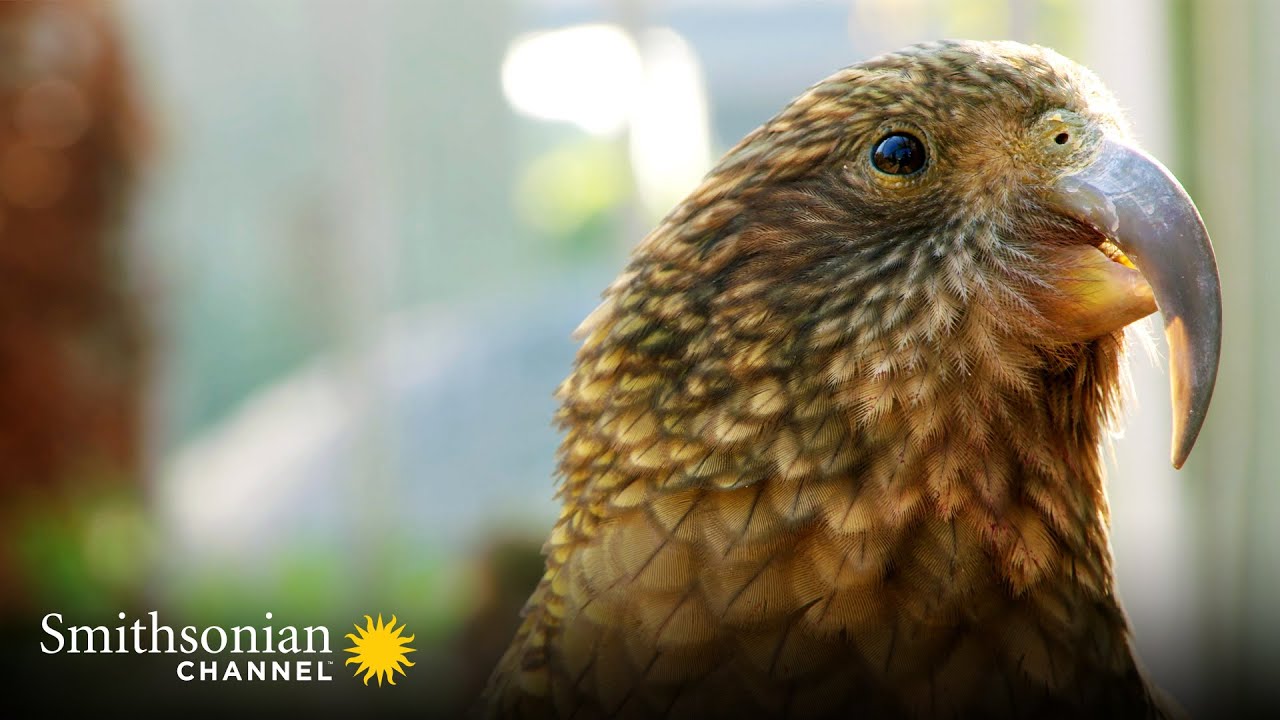
Biologist Raul Schwing studies Kia birds and their contagious playfulness through sound.
Barbets love crateva fruit and steal it from Indian mynas after they open it.
These insects have munched through Smithsonian specimens for over 70 years, aiding decomposition.
Cheetahs use their speed and teamwork to hunt a wildebeest in a dramatic display.
Melanie Bilenker uses human hair to draw small portraits, reviving Victorian hairwork art.
Dwarf crocodiles hunt grubs at night in Gabon, showcasing their unique abilities.
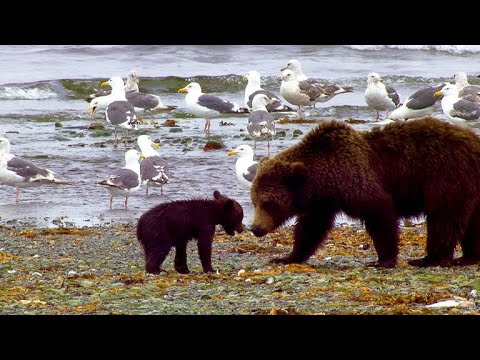
Grizzly bear cubs in Russia's Wild Seas learn to fish for slippery salmon in summer ponds.
Darril and Syahrini appear to engage in unusual kissing behavior for orangutans.
Orangutans learn nest building in a special class at the orangutan jungle school.
A quarter of a million POWs were held in a secret prison camp in Thailand, where many were forced to build a railroad under brutal conditions.
A scientist places a taxidermied bird in monarch flycatcher territory to study their aggressive behavior.
Marabou storks thrive in finding food, featured in the Series: Tales From Zambia: Pride Lands.
Various animals, including a black and white cow, cat, skunk, crows, and doves, exemplify peaceful coexistence and the beauty of diversity in nature.
Bahama feral pigs thrive in the wild, attracting tourists with their swimming skills and charm.
Female fire salamanders use a fountain in Heidelberg to give birth while evading male toads.