From over 100,000 films, discover the handful you'll love.
Free or premium access to the world's largest documentary library.
7945 films(Page 101 of 166)
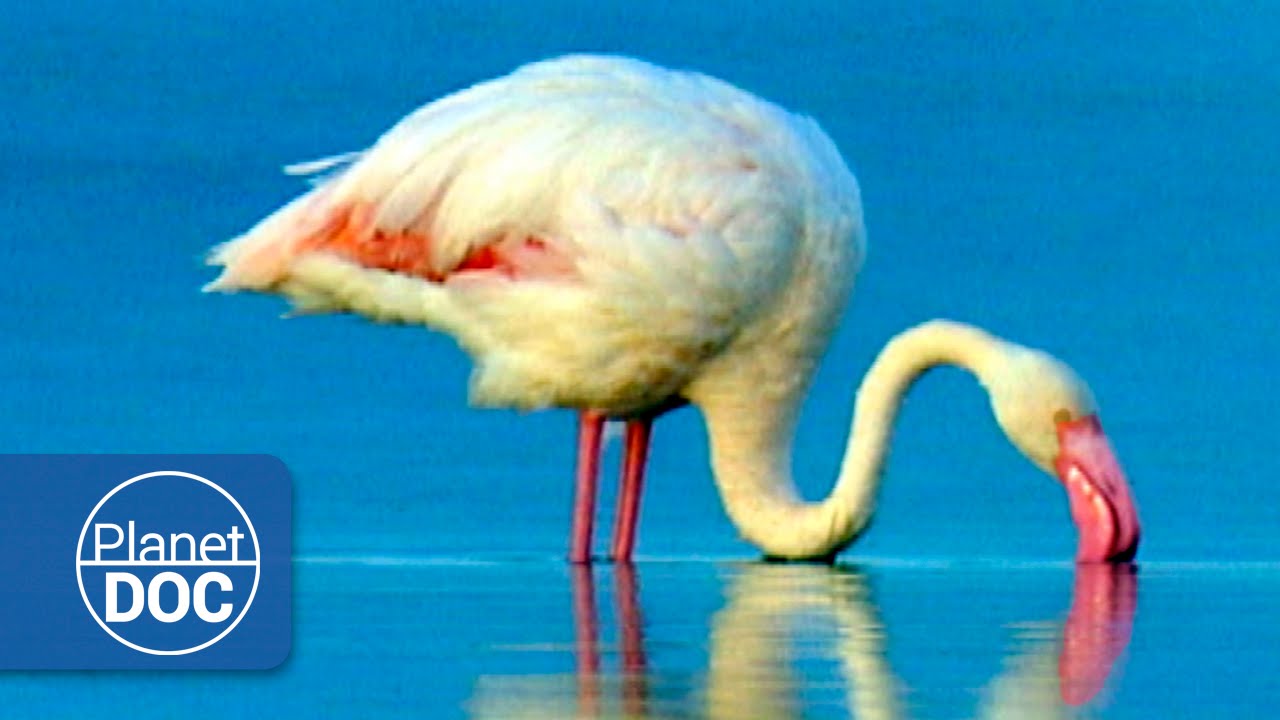
Baby flamingos are not born pink; they develop their characteristic color from microorganisms in their food as they grow.
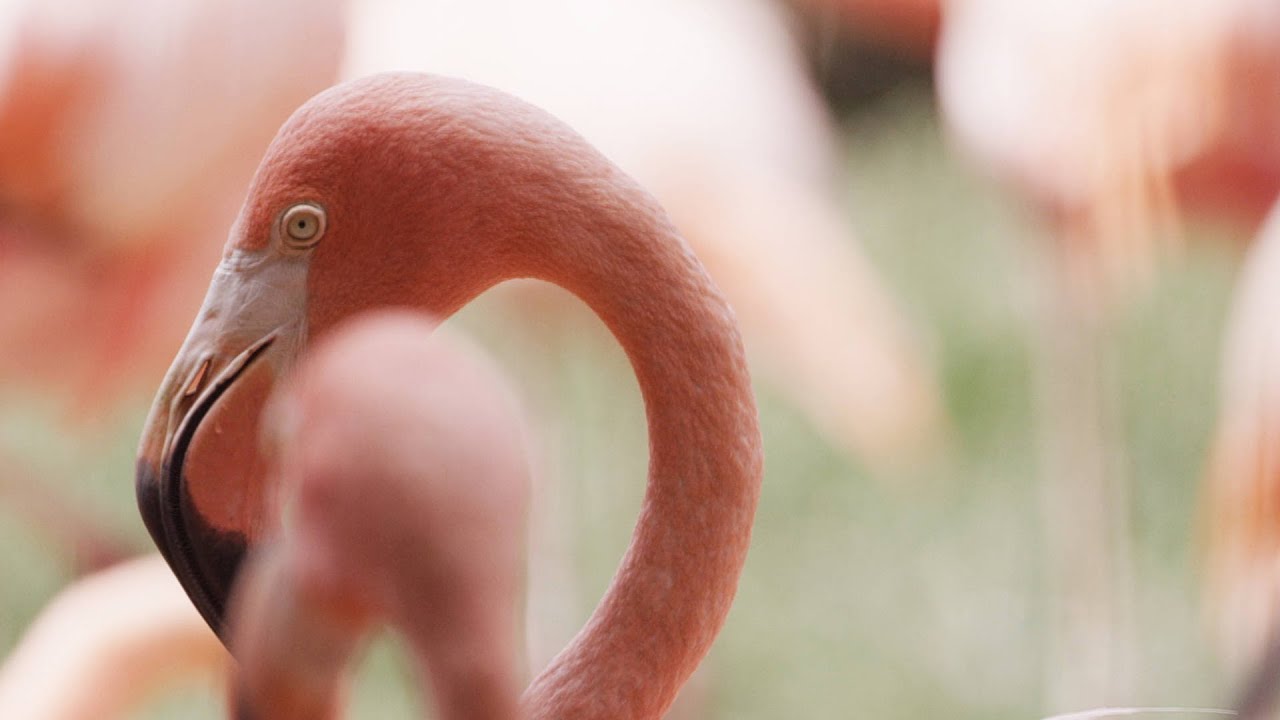
Flamingo chicks join a crèche after 10 days, highlighting their family dynamics in Animal Empires.
Flamingos must tire of constantly perching, as explained by a caretaker at Smithsonian's National Zoo.
Pollution threatens the coral reefs of the Florida archipelago and the North Atlantic Ocean.
The video showcases a flight down into the Marianas Trench and Challenger Deep.
In South Africa, sharkologist Michelle Jewel investigates the communication behaviors of great white sharks, focusing on their breaching patterns.
A Neanderthal murder case highlights the broader implications of species disappearance, connecting ancient history to contemporary ecological challenges.
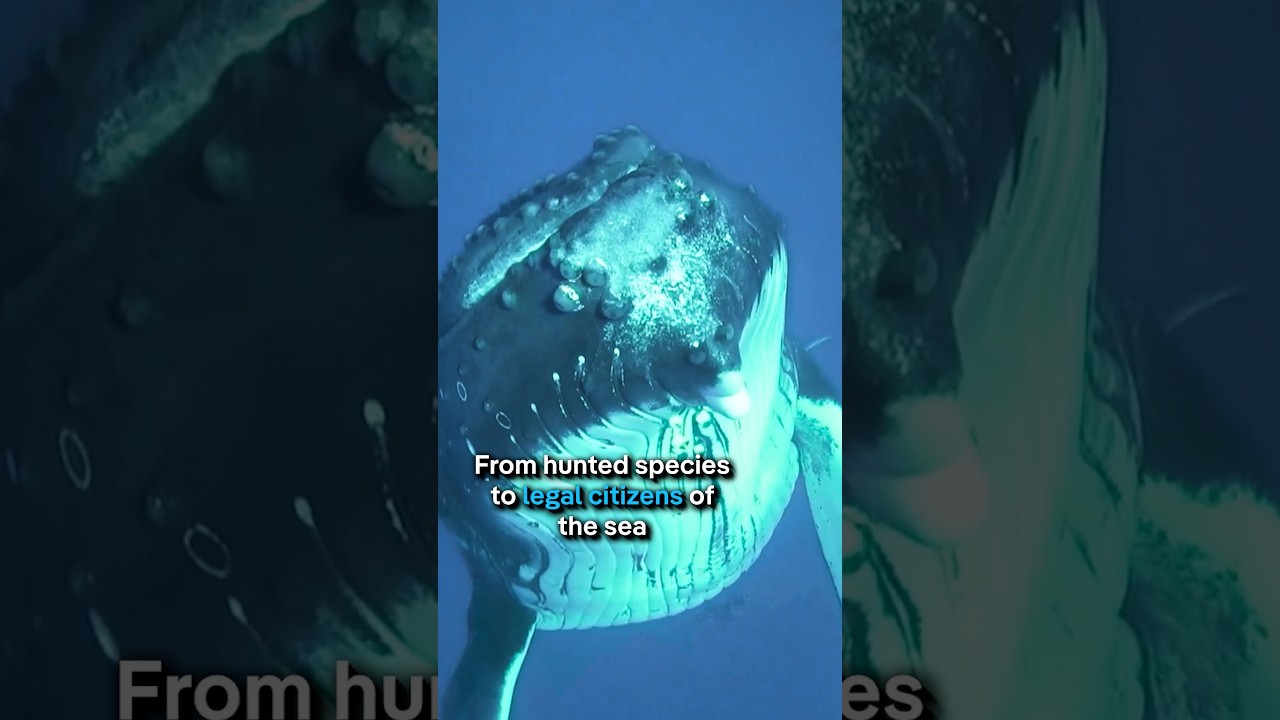
In 2024, indigenous leaders from Polynia signed a declaration recognizing whales and dolphins as legal persons with inherent rights.
Young storks along the Danube River in Serbia prepare for their migration to Africa, facing various challenges during their critical two-month preparation period.
The Cape Gannet dives into the ocean, showcasing its unique hunting skills in Nature's Dive Bombers.
Villafáfíla lagoon in Spain serves as a vital stopover for approximately a thousand cranes migrating to Extremadura and Andalusia each autumn.
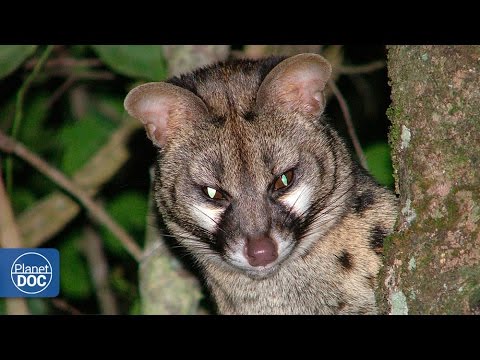
The genet cat is a nocturnal predator known for its keen senses, agility, and climbing skills, primarily feeding on small mammals, birds, and insects.
Gerenuks thrive in Shaba Reserve, adapting to drought with unique feeding habits.
Astronauts aboard the International Space Station capture timelapse sequences of Earth's luminescent phenomena, showcasing city lights, thunderstorms, and aurorae.
Cuba's largest hutia faces threats from predators like the boa constrictor in its habitat.
Field biologist and conservationist O'Neill Wildlife presents a five-episode series on the largest living examples of animals, including the African Bush Elephant and Whale Shark.
A 23-year study in Cirs Marshland reveals that many native plants struggle to adapt to rising CO2 levels, allowing invasive species to thrive.
Arched bridges, from ancient Roman aqueducts to modern engineering marvels, illustrate significant advancements in architecture and structural design throughout history.
The golden eagle hunts on mountain slopes, targeting prey like rabbits and deer.
The Goliath tigerfish is a terrifying predator, likened to a shark crossed with a piranha.
In a serene valley, Mary reflects on the enduring connection between nature and home as water flows through the landscape once occupied by Blue Star.
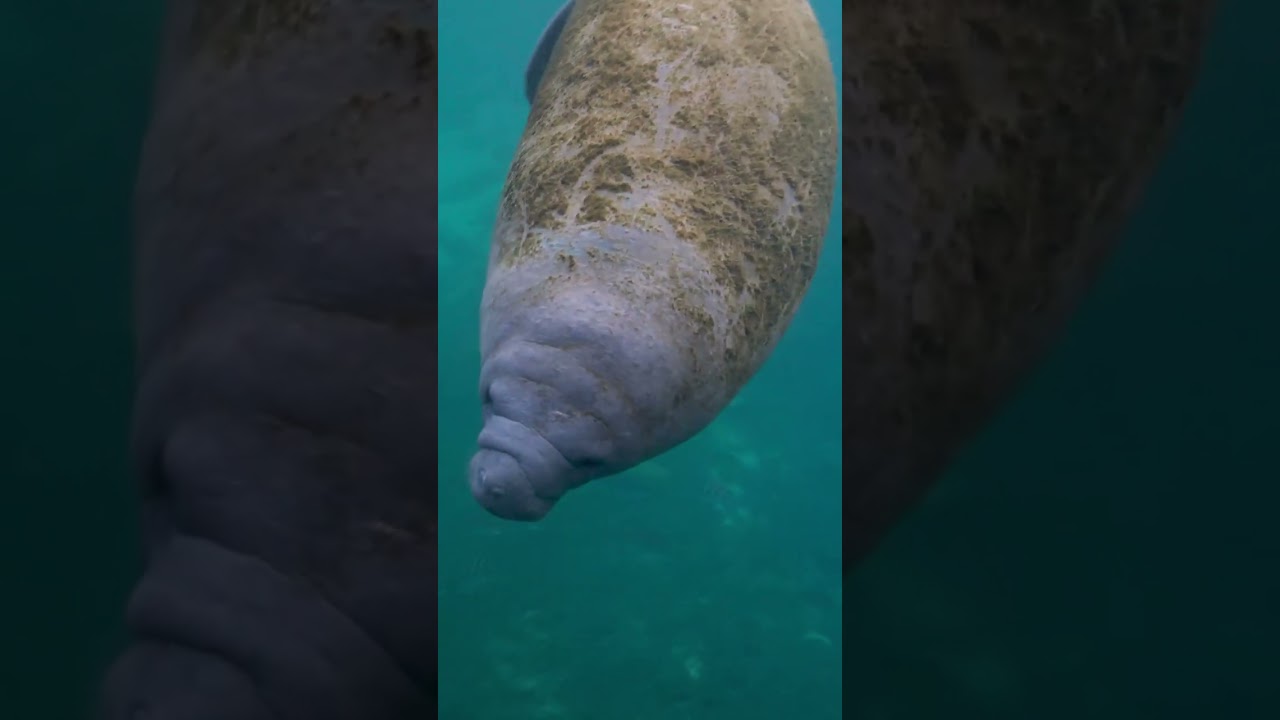
Manatees are shown in their natural habitat, interacting with humans and seeking fresh water, while grazing on seagrass in a serene marine environment.
Over 150 million years before the Tyrannosaurus Rex, the Gorgonopsian was the Earth's most efficient carnivore, armed with serrated interlocking teeth.
The goshawk, or Ghost Hawk, hunts prey in lush forests with exceptional precision.
Great white sharks launch out of the water when attacking seals, showcasing their smart behavior.
NASA's Operation IceBridge has flown over Greenland more than 100 times since 2009, collecting data to create a 3D map of the ice sheet's age.
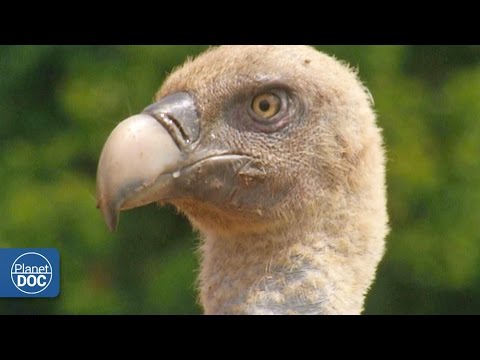
The Griffon vulture uses thermals to fly efficiently, showcasing its impressive adaptation.
Griffon vultures gather to feed on carcasses, creating impressive displays and disputes.
Gustave Whitehead's contributions to aviation are examined, questioning whether he was a pioneering genius or merely a delusional dreamer in the field.
A manatee can live for over 50 years and is often injured by motorboats, contributing to its status as an endangered species.
A 2,000-pound Great White Shark named Bruce is closely observed by scientists who aim to challenge misconceptions about shark behavior and intelligence.
Cheyenne Bottoms is the largest inland marsh and a key stop for migrating shorebirds.
A hammerhead shark locates a hiding stingray, prompting a frantic escape attempt.
Hammerhead sharks can hear injured fish from over a mile away using low-frequency sounds.
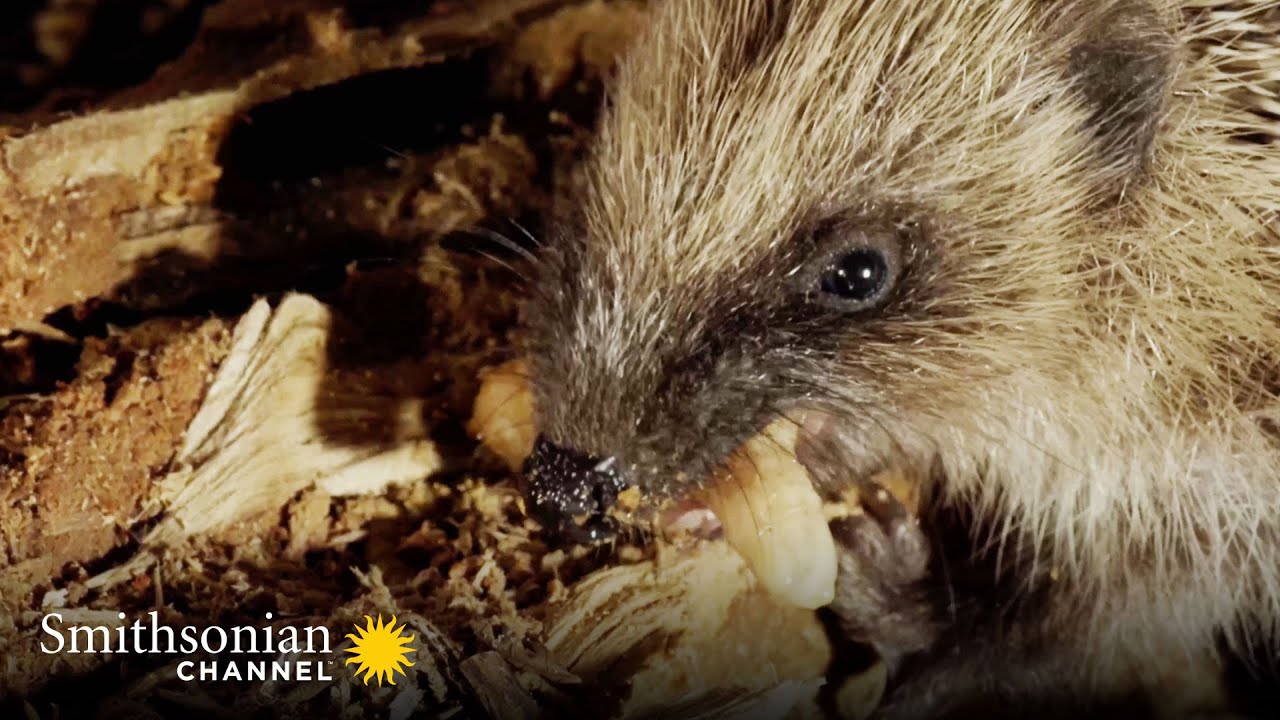
A hedgehog in New Zealand travels nightly for food to prepare for winter hibernation.
World-class scientists and filmmakers from National Geographic explore how science can enhance quality of life and promote sustainable living for the future.
Male Hercules beetles engage in a fierce battle for feeding rights, demonstrating their remarkable strength and competitive behavior in nature.
The Komodo dragon is the largest lizard, known for its powerful claws and deadly bite.
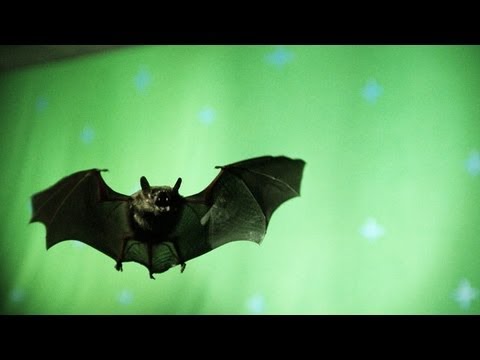
High-speed cameras capture a bat's flight in super slow motion, revealing its unique anatomy and impressive agility as part of the series 'Killer in the Caves.
Hippos are dangerous, often killing more people than sharks each year.
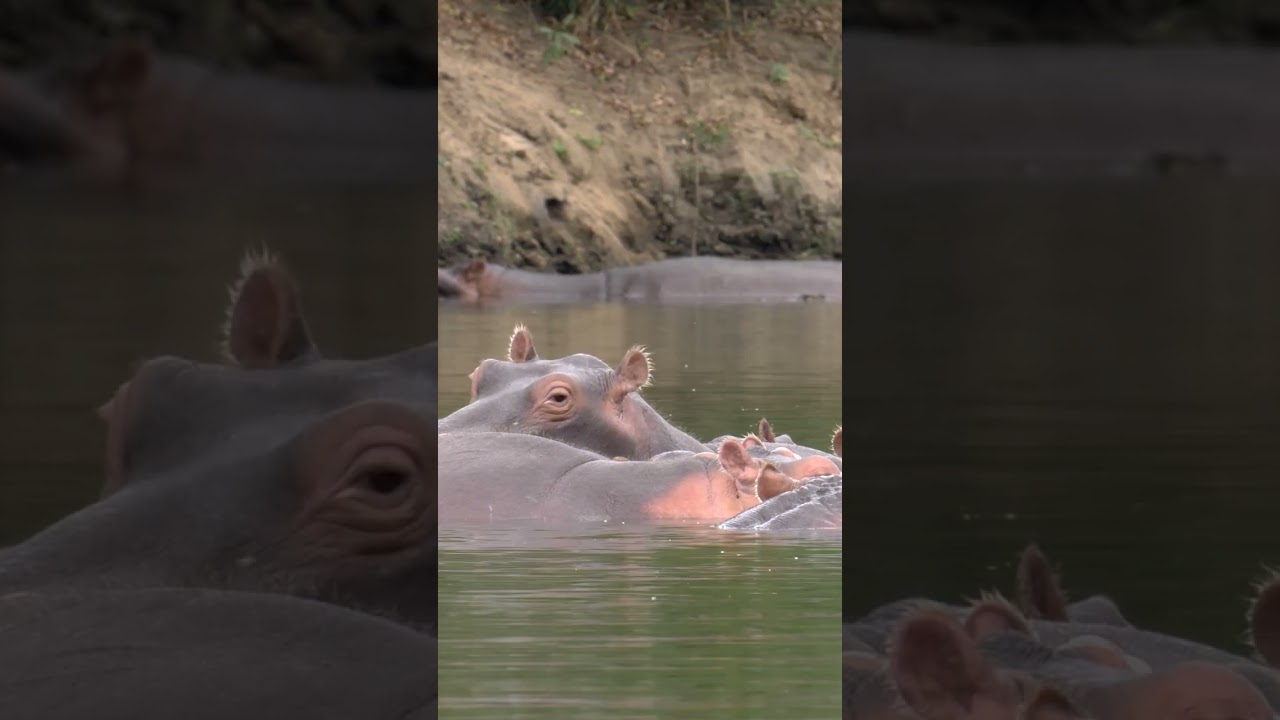
A 15-foot male hippopotamus in Zambia climbs a steep cliff to access water, showcasing the species' agility and adaptability in its natural habitat.
Hippos lead a semi aquatic life, diving for 30 minutes and facing crocodile threats.
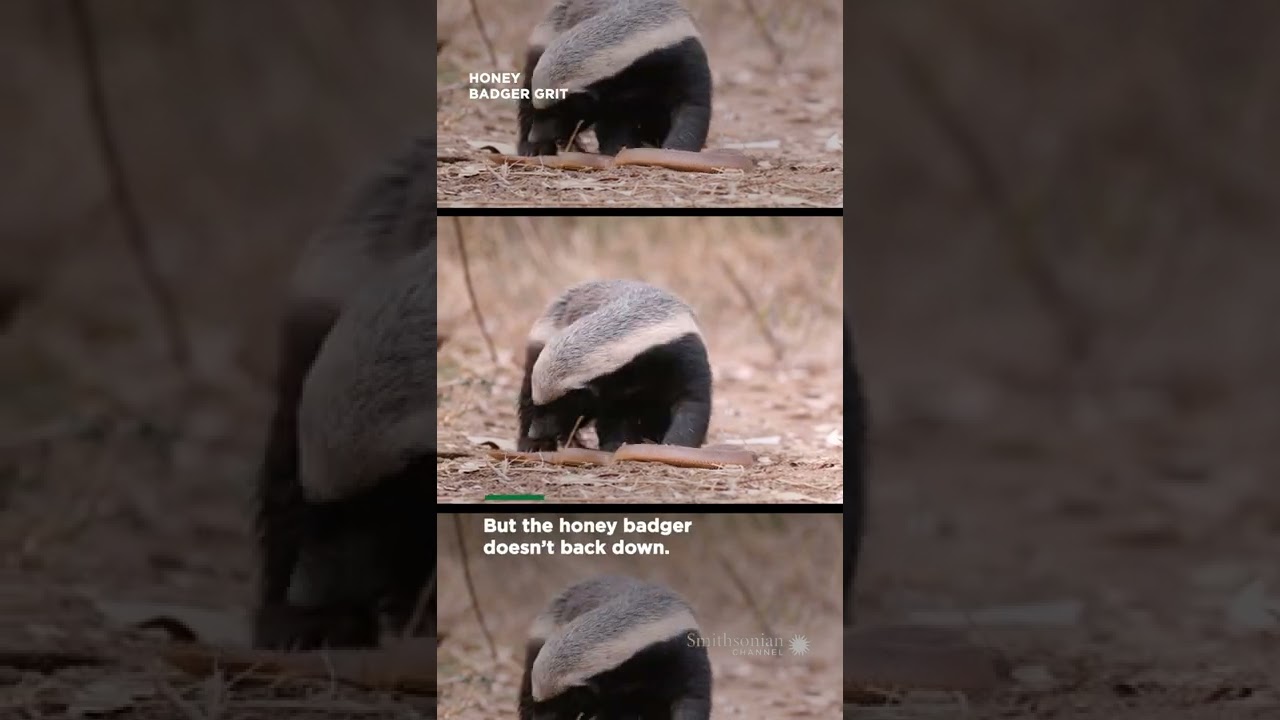
Both predators inflict deadly pain in a fierce battle between a honey badger and a mole snake.
Geological processes and significant historical events shaped the formation of Europe, revealing the continent's complex evolution over millennia.
A vast slow-moving river of grass, 60 miles wide and 100 miles long, meanders through South Florida, forming the Everglades' diverse ecosystems.
Specialists in Alabama use fire to clear hundreds of acres for replanting in a controlled burn.
In a post-pandemic world, major companies like Ericsson and Standard Chartered are transforming office spaces in cities like Delhi into collaborative environments that prioritize wellness.
Caretakers at the Smithsonian's National Zoo explain the difference between seals and sea lions.