From over 100,000 films, discover the handful you'll love.
Free or premium access to the world's largest documentary library.
7945 films(Page 11 of 166)
A male lynx patrols a territory that can cover several hundred square kilometers in the Bohemian Forest, where he hunts and raises his young.
More than 40 feet of snow can fall in a single season at Grand Teton National Park, creating a challenging environment for its wildlife.
The Punan tribe, numbering a few thousand, live in small groups across Borneo's vast forest and have developed unique hunting techniques for survival.
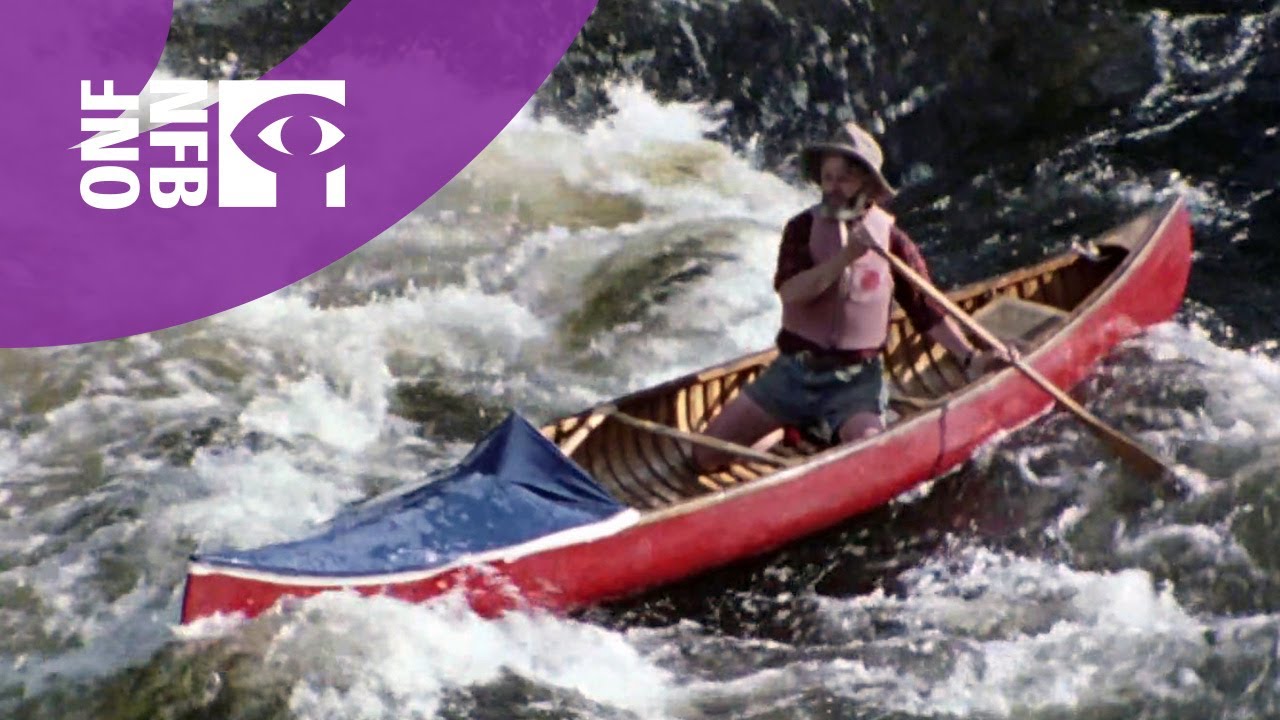
A strong backwater sculling slows the canoe to buy time for choosing a course through difficult rapids in turbulent waters.
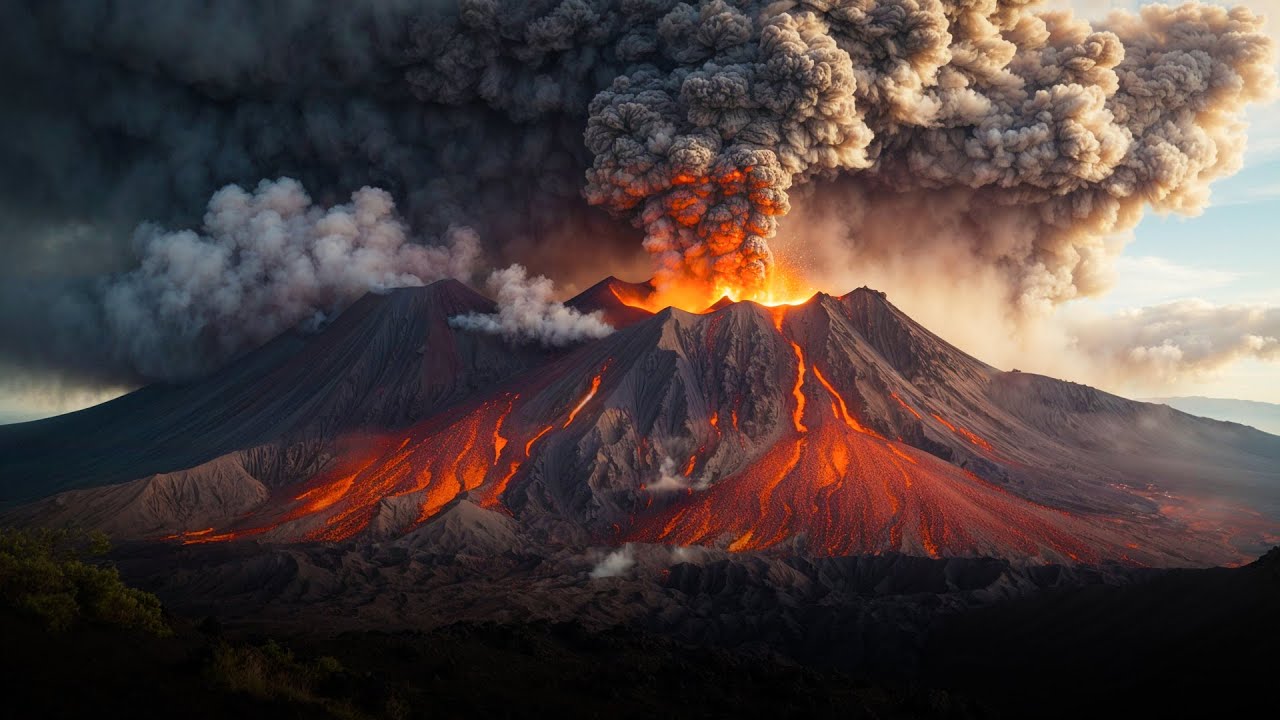
On 27th August 1883, the eruption of Krakatoa generated a tsunami that wiped out 165 Indonesian towns and villages, killing over 36,000 people.
A red lionfish can swim to depths of 40 meters, evading divers and contributing to its rapid spread across the Atlantic Ocean.
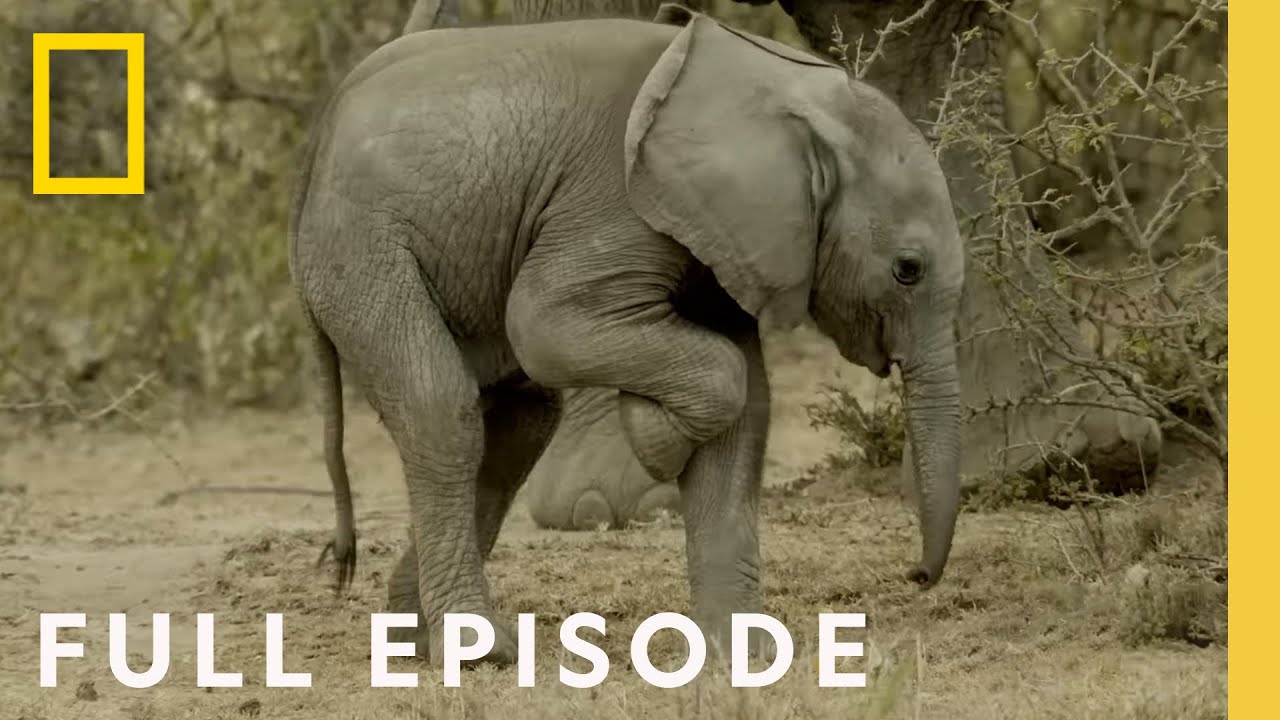
In the wilds of Kenya, an elephant calf navigates its first year of life, facing the challenges and experiences that shape its development.
Pigeons possess extraordinary navigational skills, leading to an exploration of the scientific and mysterious factors that enable animals to find their way home.
2,500 people in Lamalera, Indonesia, depend on the traditional practice of harpooning sperm whales for survival amid dwindling catches and modern pressures.
Twenty-five million years ago, the great apes emerged, leading to the evolution of Homo Sapiens and the development of language, culture, and technology.
Narrated by Sir David Attenborough, this three-hour program showcases unique wildlife behaviors, including zebra confrontations and sex-shifting fish.
Since the early 1960s, scientists have attempted 46 missions to Mars, with over half failing at launch or upon arrival.
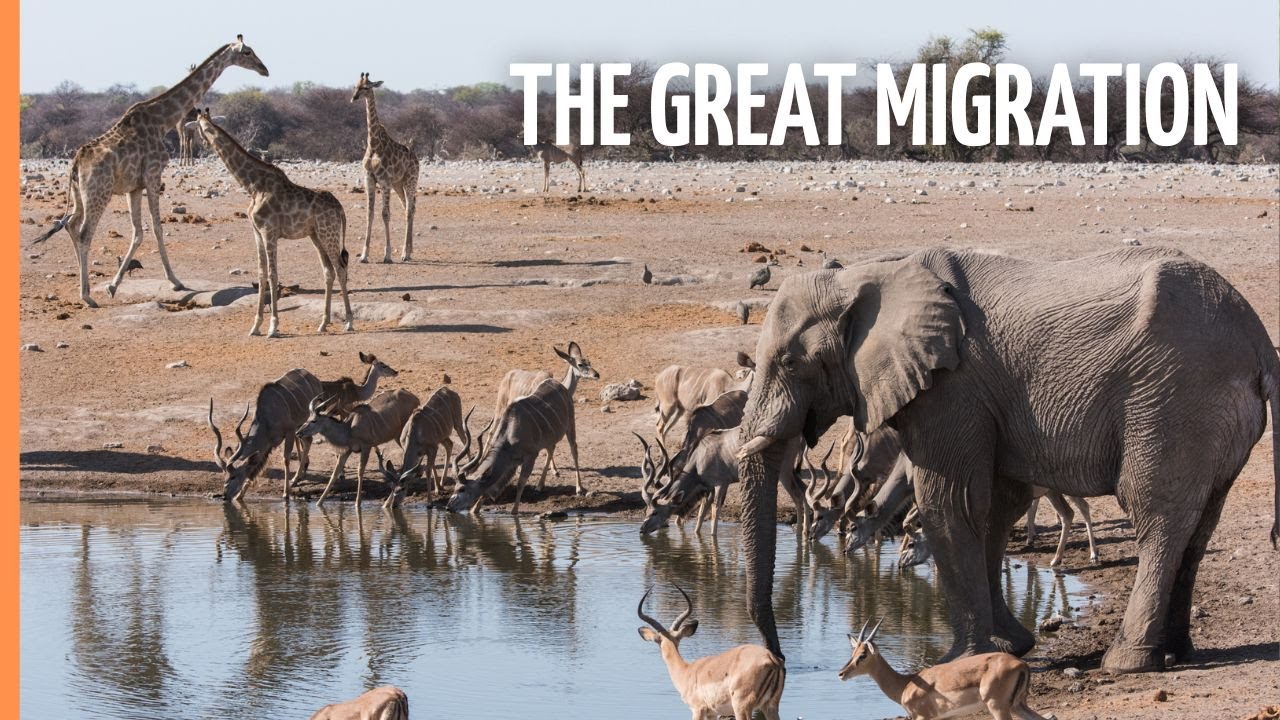
A herd of wildebeest stretches up to 40 kilometers in length as they migrate from Tanzania to Kenya in search of fertile grazing land.
An adult bear can gain up to 180 kilos during the summer months as it feeds on plants and prepares for hibernation.
Earth ploughs through about 40 tons of material in space each day, a process that has shaped its formation over 4.5 billion years.
A mole can build up to 20 meters of tunnel per day, creating a network of underground homes that often frustrate gardeners each spring.
Coral reefs are the largest structures in the world, serving as bustling underwater cities where various fish communicate through sounds and body language.
Half of Belize's territory is covered in jungle, and its shores are home to the world's second largest barrier reef.
Andreas Keeling and his friend Greg search for giant grizzly bears in Alaska, where they encounter a caribou cornered by wolves in a dramatic hunt.
300 kilometers per hour winds whip across the ice plains of South Georgia, posing a constant threat to wildlife filmmakers in the field.
This touching documentary about Norway showcases its fjords, glaciers, and unique culture.
Poison dart frogs, chameleons, and praying mantises exhibit remarkable survival strategies, showcased through advanced 3D visualization techniques.
Three young bears-polar, brown, and sloth-navigate the challenges of survival in diverse landscapes of Alaska and British Columbia under their mothers' guidance.
Globally, the coffee industry is worth over $100 billion annually, with more than 2 billion cups consumed every day.
Booker, a black waiter in Mississippi, speaks candidly about segregation during a 1960s NBC News interview, stirring controversy and altering his life forever.
NASA's Juno mission explores Jupiter's extreme environment, revealing its massive ocean of liquid metallic hydrogen and the technology that enables this research.
Robber crabs on Christmas Island showcase thievery and complex lives in their habitat.
One drop of Sydney funnel-web spider venom can kill a human in 15 minutes.
In August 1980, a sniper shot and killed two young men in Salt Lake City, prompting a nationwide manhunt for Joseph Paul Franklin, a white supremacist.
More than half of all life on Earth was extinguished during the mass extinction event that eliminated the dinosaurs 65 million years ago.
Stefan Scharfe has planted 14 tiny forests in urban areas, demonstrating a method that can restore ecosystems and combat climate change.
Red deer, the largest and most common species in Central Europe, face threats from wolves, bears, and human encroachment while adapting to their changing habitat.
Busy beavers, sparring sea lions, and fledgling falcons highlight the top wildlife moments captured by BBC Earth in 2024.
Oymyakon, Russia, is the coldest inhabited town, with winter temperatures averaging -58° F.
Indigenous Peoples of Alaska prepare for the harsh winter by securing food and safety in the challenging environment of the Alaskan bush.
Four Paws, an international animal welfare organization, faces a medical emergency while transporting six tigers from the Netherlands to South Africa.
Apex predators such as lions, cheetahs, and polar bears are shown in action as they hunt for survival, highlighting the brutal realities of the animal kingdom.
In Alaska's Chilkoot State Park and the Dolomites, bald and golden eagles are examined for their hunting techniques and cultural significance.
Sardinia features diverse landscapes, including Capo Testa's underwater paradise and lagoons of Cabras.
Orangutans have been studied for more than five years in a remote corner of the Sumatran rainforest, revealing their complex social behaviors and intelligence.
Fifteen passengers cram into a communal taxi in Cameroon, where only 2% of the roads are asphalted, making public transport a daily struggle.
Giant otters, nearly 2 meters long, hunt cooperatively in the Amazon, consuming 10% of their body weight each day during the dry season.
A bobcat with two kittens hunts for food, targeting squirrels, rabbits, and fish to sustain her family in the wild.
Marine mammals, including sperm whales and elephant seals, exhibit remarkable adaptations and survival strategies to thrive in the extreme depths of the ocean.
In the 1850s, a Mexican farmer found a massive meteorite in Arizona known as the Tucson Ring, prompting meteorite hunters Arnold and Notkin to search for its fragments.
Charles Darwin published his ideas on evolution in 1859, claiming that life began with a few simple organisms that evolved into millions of species.
A fox can steal over 800 eggs from geese in just three weeks, demonstrating its opportunistic feeding habits in challenging environments.
The Mekong River, the world's tenth longest at 4,350 kilometers, flows through Laos, shaping the lives of its six million inhabitants.