From over 100,000 films, discover the handful you'll love.
Free or premium access to the world's largest documentary library.
7945 films(Page 17 of 166)
Crab Island, off Northern Australia, serves as a crucial breeding ground for flatback turtles while also being home to predatory crocodiles, as documented by marine expert Ben Cropp.
In the Ngorongoro Crater of Tanzania, a lion pride's sisterhood competes against a powerful hyena queen and her clan in a fierce battle for dominance.
Five days of processing at the Marine Corps Recruit Depot in San Diego, California, mark the beginning of a rigorous training program for recruits.
In the Mendip Hills Area of Outstanding Natural Beauty, live wildlife cameras showcase the sights and sounds of nature during spring 2020.
Eight astronauts with over 1,000 days in space share their experiences and insights about Earth's violent and beautiful nature.
Hippos can hold their breath underwater for up to five minutes while spending up to 16 hours a day submerged to stay cool in the African sun.
Cheetahs, typically seen as solitary hunters, are now observed forming packs of non-related individuals in East Africa, challenging traditional perceptions of their behavior.
Sir David Attenborough's career spans over sixty years, showcasing the evolution of natural history filmmaking from black-and-white television to advanced series like Planet Earth.
In various locations, individuals face life-threatening encounters with wildlife, including bear attacks in North America and a lion attack during a veterinary procedure in Africa.
In the waters surrounding Niue, Dr. Bryan Fry studies the highly venomous Niue Sea Krait, exploring its unique adaptations and the island's cultural legends.
Naked mole rats, small rodents known for their unique appearance and social behavior, are studied by biologist Rosie Koch, who explores their insect-like colony structure.
Coral spawning on the Great Barrier Reef occurs in a synchronized event, where millions of coral polyps release eggs and sperm into the water.
Wildlife photographers share techniques for capturing animals in their natural habitats, featuring bird photography in Brazil's Atlantic Forest and Yellowstone National Park.
In this MEGA episode, Will Smith and astronauts Mae Jemison, Mike Massimino, and Leland Melvin explore the genesis of life, terraforming, and human intelligence on Earth.
During a heatwave, thousands of exiles, including wildebeests and buffaloes, invade Savannah Lane, leading to fierce competition among wildlife.
The changing relationship between humans and sharks is examined through interviews with attack survivors and footage of both shark hunts and encounters.
The Great Barrier Reef stretches 2,300 kilometers long and is built by billions of tiny coral polyps working together over half a million years.
Gates of the Arctic National Park and Preserve in Northern Alaska protects diverse wildlife, including brown bears and migrating caribou, within the largest contiguous wilderness in North America.
300 kilometers south of the Buccaneer Islands, divers gather wild oysters to cultivate pearls for one of the world's leading pearl companies.
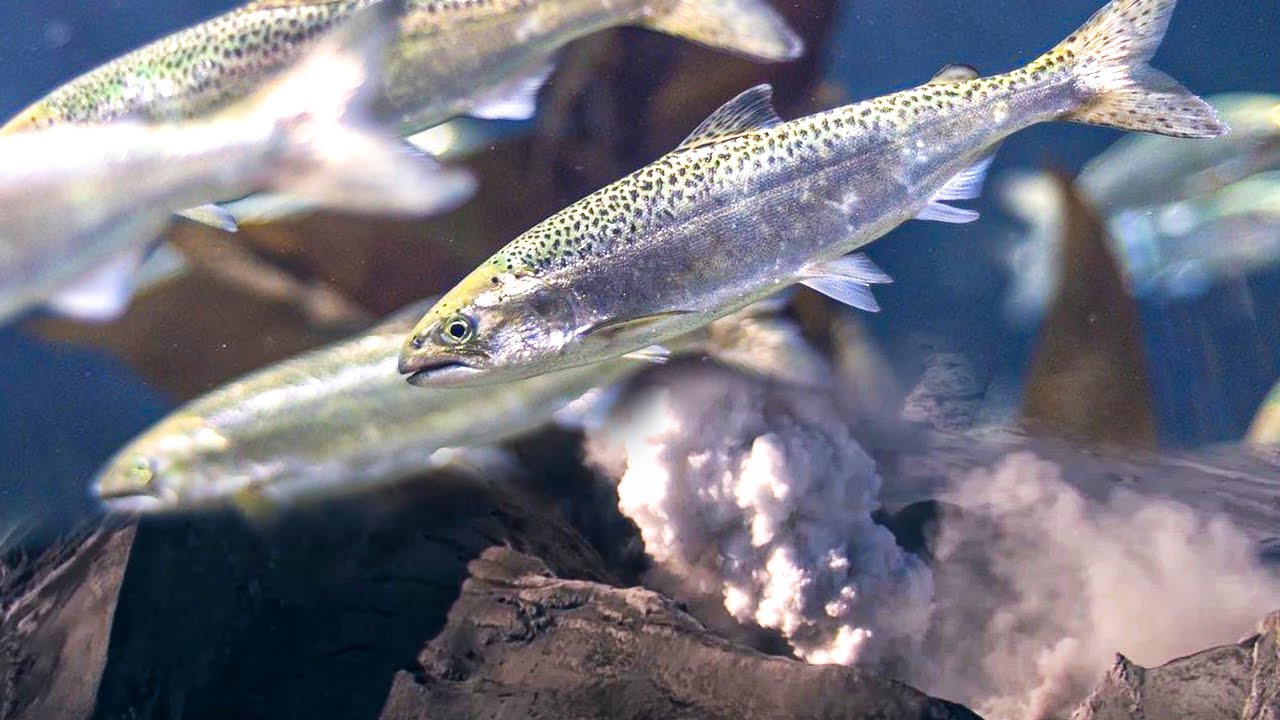
In Alaska, volcanic eruptions poison fish, impacting salmon and river ecosystems over 2000 years.
A 14-foot-long fish once swam in what is now Kansas, revealing a time when much of the Midwest was underwater.
In the mid-80s, zoologists underestimated the adaptability of the European otter, which has since reclaimed its habitat in Austria and other parts of Europe.
A man recounts his experience of surviving an alligator attack in the swamps of Florida, illustrating the dangers posed by wild predators.
The Galapagos Islands, located about 600 miles off the South American coast, are home to unique species like the marine iguana, which can hold its breath for up to 30 minutes.
At least 14 active volcanoes are found in Katmai, more than any other national park in the United States.
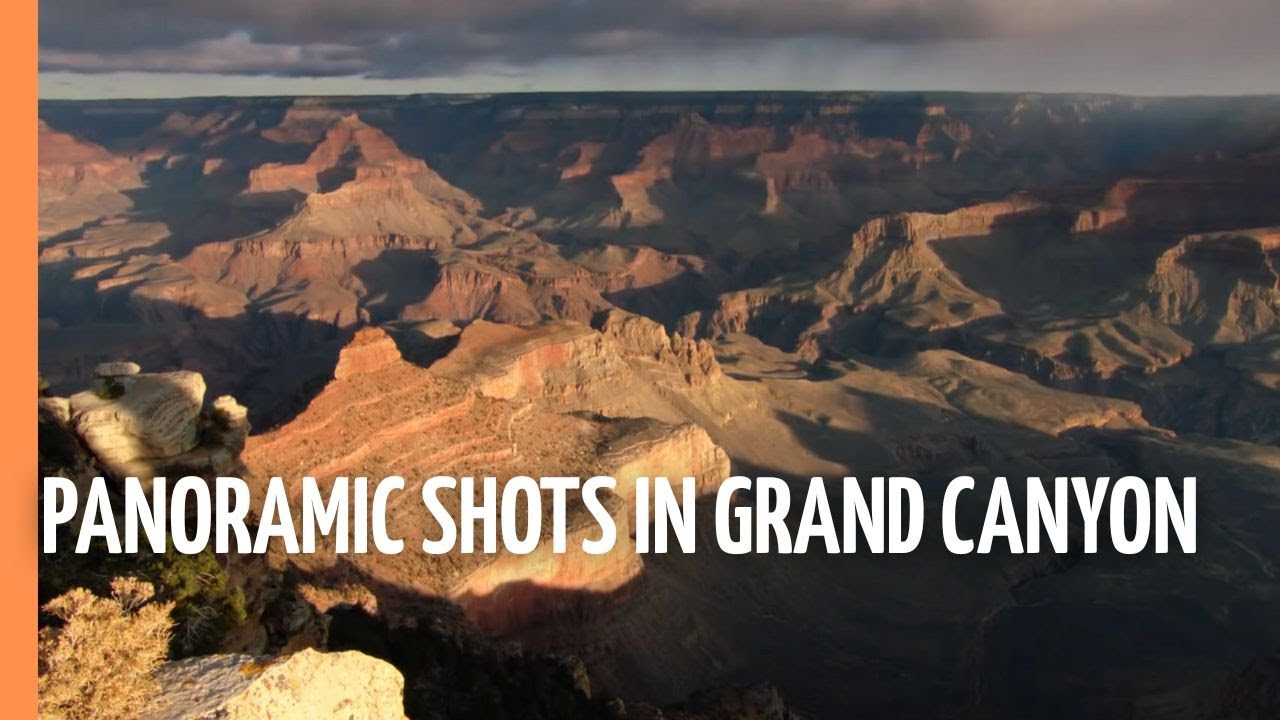
Grand Canyon National Park in Arizona showcases its 277-mile canyon, diverse ecosystems, and wildlife while highlighting the importance of conservation efforts.
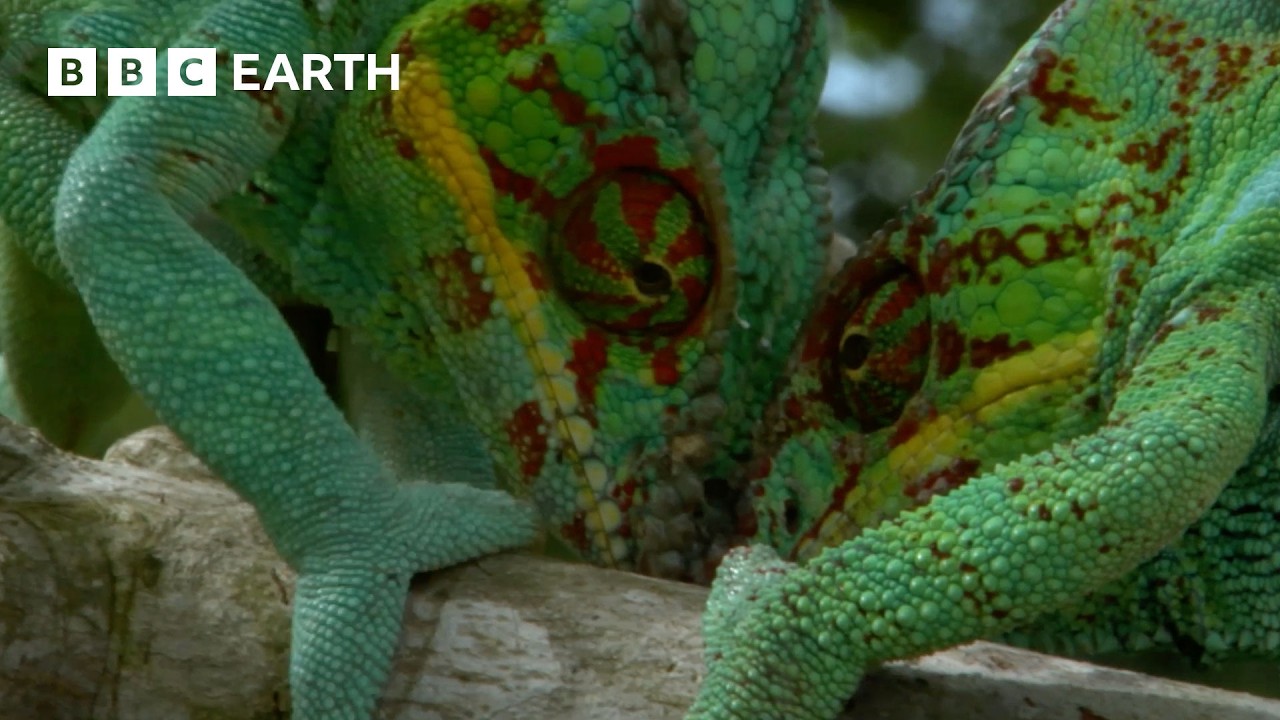
Madagascar's unique wildlife showcases intense chameleon battles and lemurs seeking refuge from predators in their natural habitat.
For the first time in 50 years, jaguars now live in the wild in the Iberá wetlands, marking a significant step in a large rewilding project.
Mountains without water would become deserts, but they create their own water from clouds.
Permafrost in the Arctic Circle contains twice the amount of carbon found in the atmosphere, posing risks as it melts and releases greenhouse gases.
Eagles, known for their acute eyesight and powerful hunting skills, are followed from hatching to independence in this stunning 4K wildlife documentary.
Giovanni Granati vive una giornata nella vita di un falconiere in Abruzzo con i suoi animali.
A harpy eagle chick weighs about 80 grams at birth and will rely on its mother for food for the next 10 months in the Guyanese rainforest.
Every autumn, millions of Florida mullet migrate from freshwater inlets to the ocean, facing threats from predators, algal blooms, and hurricanes.
In the Caribbean, powerful natural forces such as volcanoes, storms, and ocean currents shape the islands' wildlife, culture, and ecosystems.
Big cats, bears, and reptiles evolve from innocent young animals into formidable predators, mastering survival skills essential for their habitats.
Natural wonders around the globe, from remote landscapes to hidden gems, are showcased in stunning 4K visuals that highlight Earth's extraordinary beauty.
A model project launched in Vancouver in 2010 aims to understand the behavior and population of rats in urban environments, challenging long-held beliefs about them.
Dr. Kirk Johnson found a fossil walnut and a dolphin vertebrae near his childhood home, sparking his interest in paleobotany and fossil hunting.
Shark attack survivors and scientists in Hawaii and California discuss strategies to minimize shark attacks while showcasing the creatures' behavior from a surfboard perspective.
Hana Stitfall searches for wild hamsters in Vienna's Central Cemetery, a green space of over 500 acres, where urban wildlife thrives alongside humans.
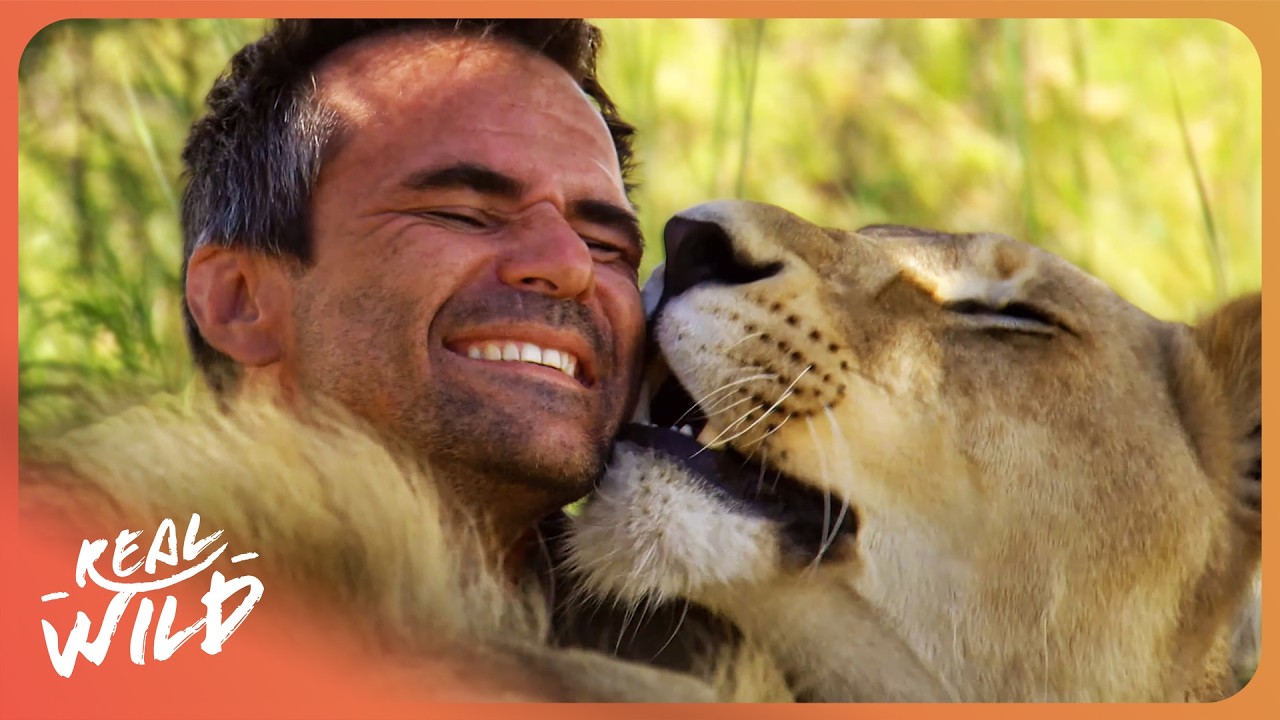
Animal behaviourist Kevin Richardson relocates 27 lions and 14 hyenas to a new sanctuary, navigating complex logistics while ensuring their safety and comfort.
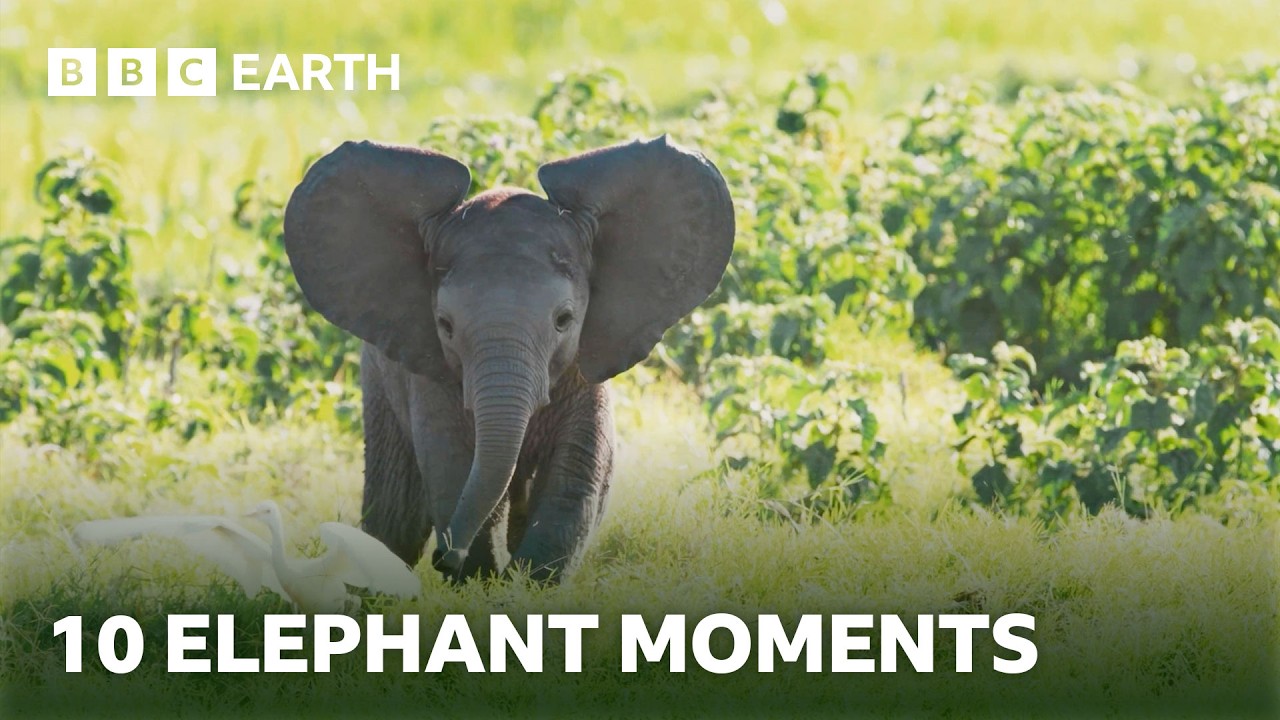
Elephants in various habitats are shown in remarkable moments, highlighting maternal care and herd movements captured by BBC Earth.
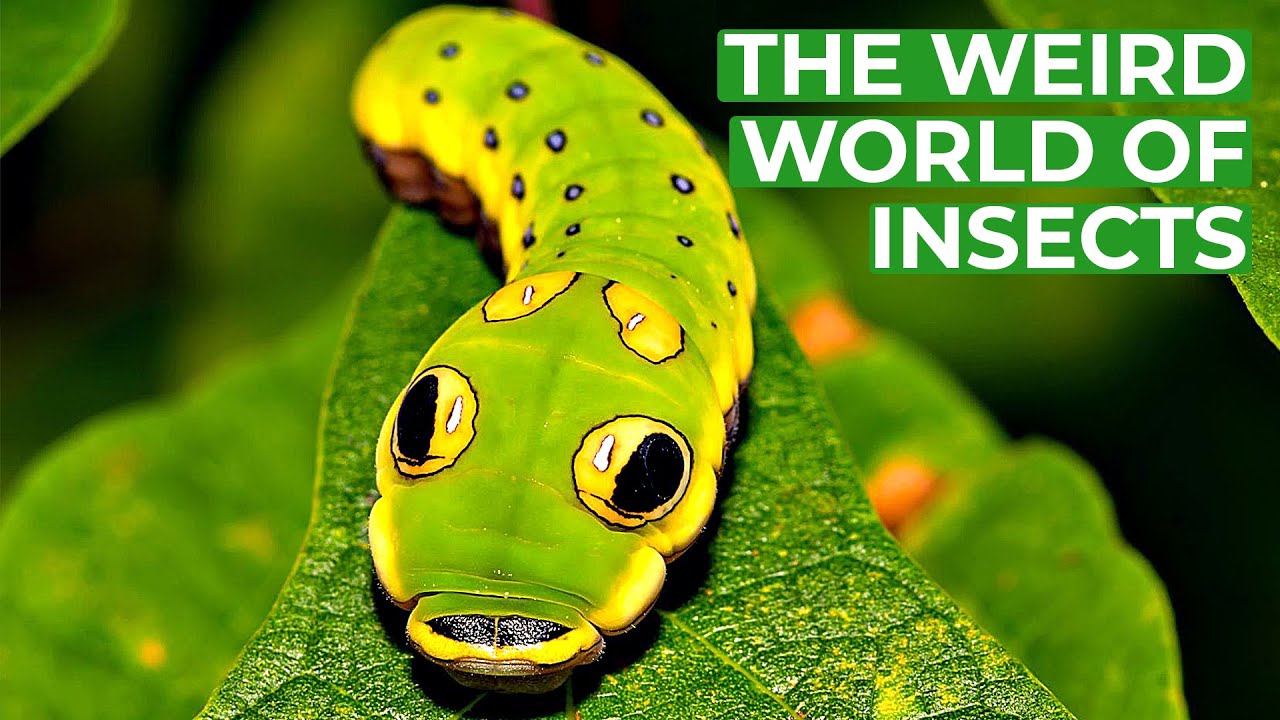
Earth hosts an estimated 1.4 billion insects for every human, showcasing their remarkable strength, endurance, and unique adaptations in diverse environments.
A female badger and her two young cubs navigate the challenges of their forest habitat, highlighting the dangers they face in their early development.
Fossils of thousands of prehistoric creatures lie in a cliff face near the peak of Mount Steven, 8,000 feet above sea level in British Columbia.
Scientists recreate lost animal species like the mammoth using ancient DNA from Siberia.
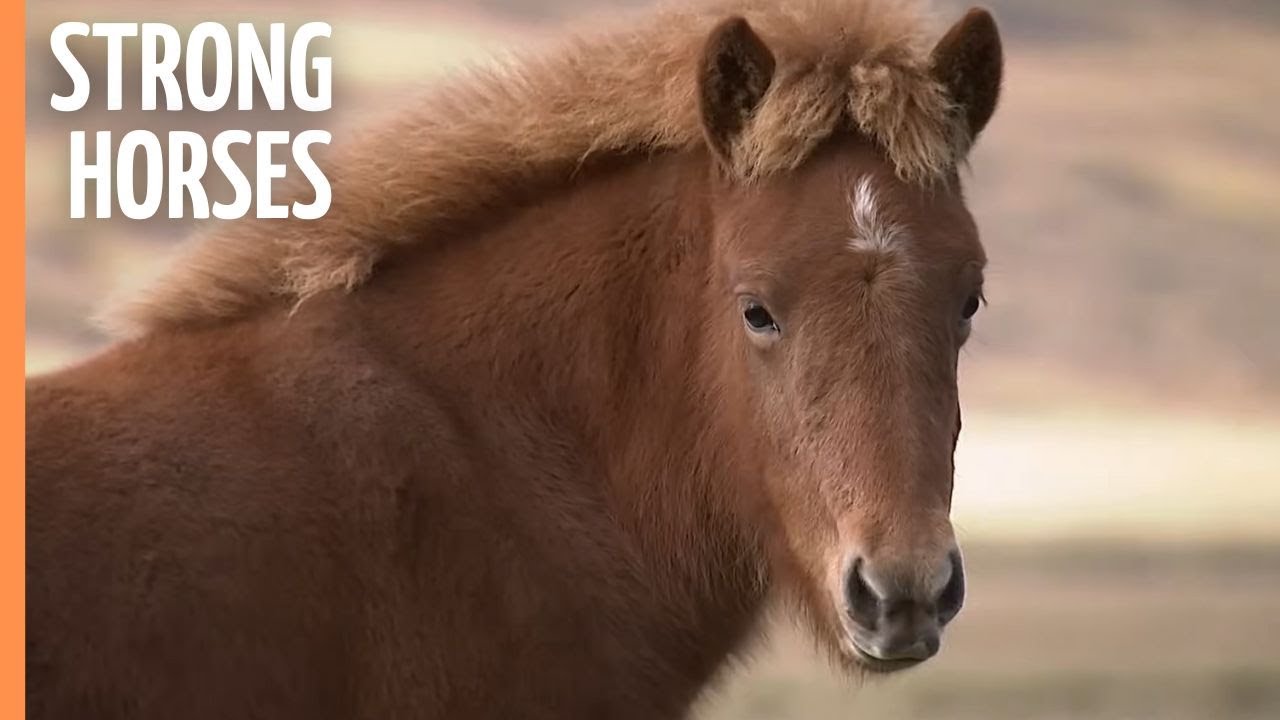
Iceland is home to the biggest volcanic island and the lively Icelandic horses of Europe.