From over 100,000 films, discover the handful you'll love.
Free or premium access to the world's largest documentary library.
7943 films(Page 32 of 166)
Great White Sharks have evolved over 11 million years, adapting alongside seals and other pinnipeds in response to a cooling climate, as documented by cameraman Andy Casagrande.
Half of Belize's territory is covered in jungle, and its shores host the world's second largest barrier reef, making it a key ecological area.
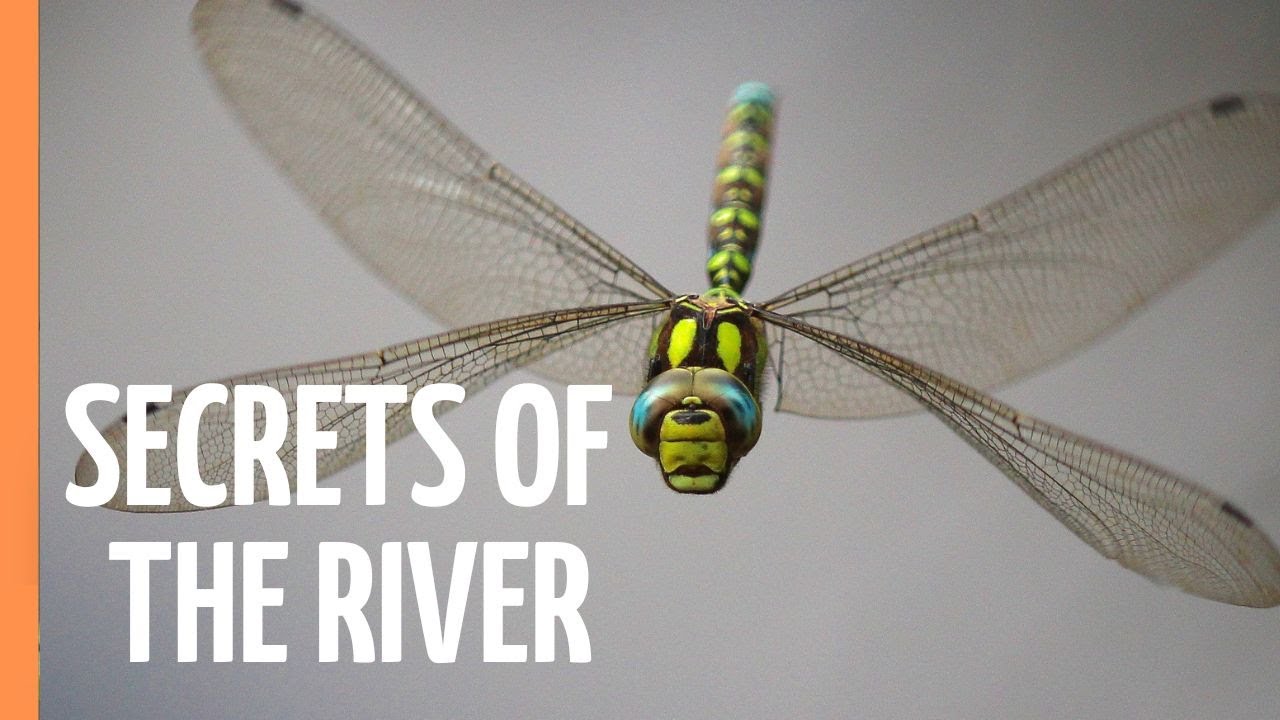
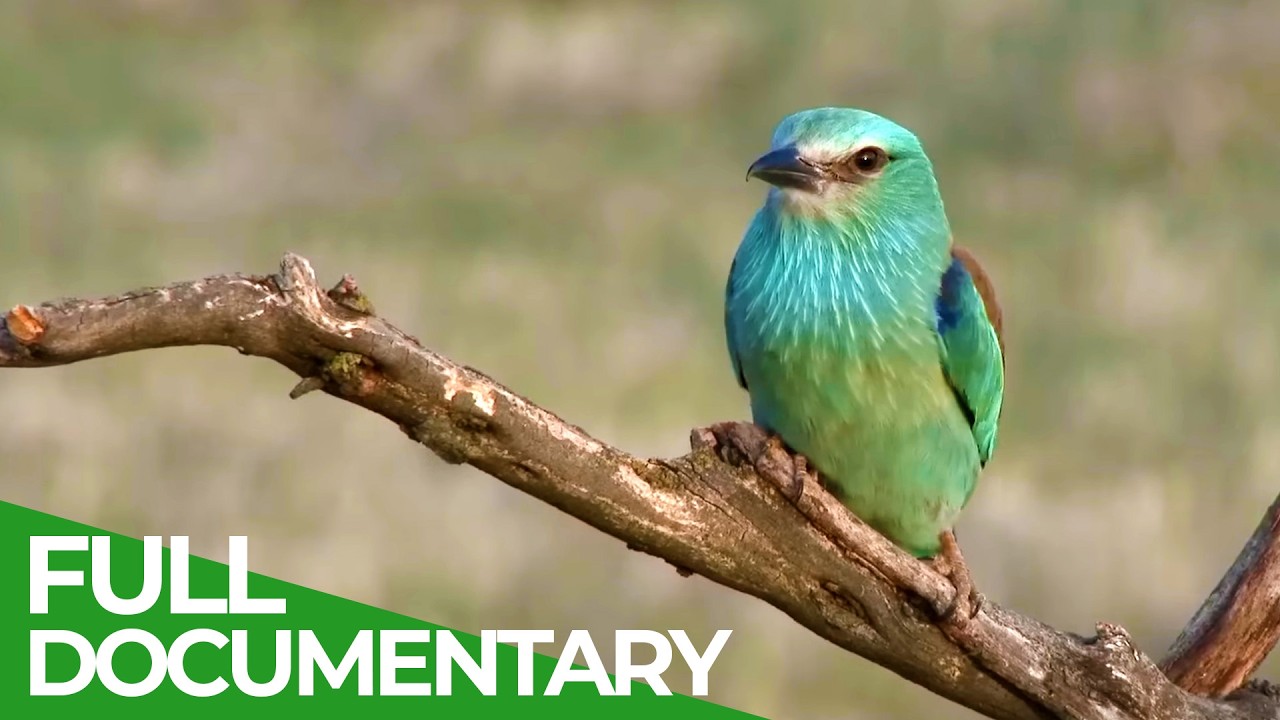
Kingfishers and dippers, the only songbirds that swim and hunt underwater, are showcased alongside the intricate life of river ecosystems in stunning slow-motion.
Only 120 leopards and 500 Siberian tigers remain in the wild, prompting a team to capture their elusive movements in the Russian Far East.
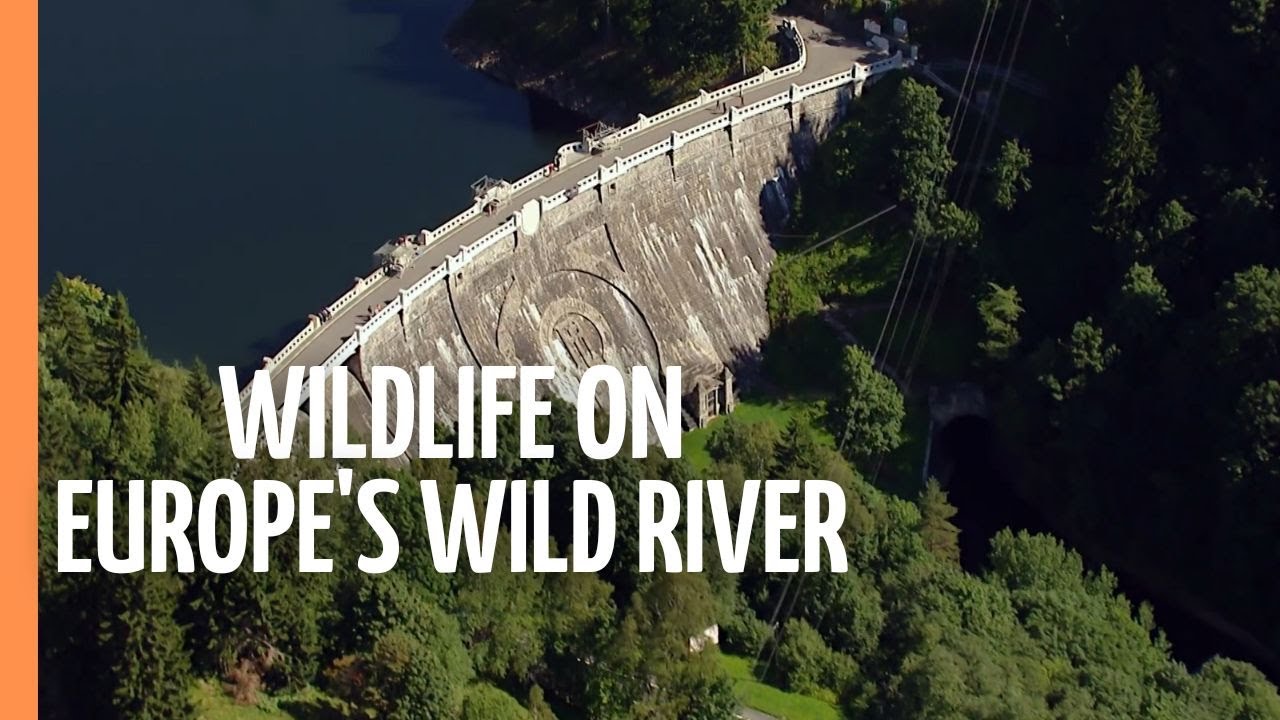
Central Europe's diverse habitats are showcased through high-definition footage, highlighting the impact of climate and astronomy on nature's seasonal cycles.
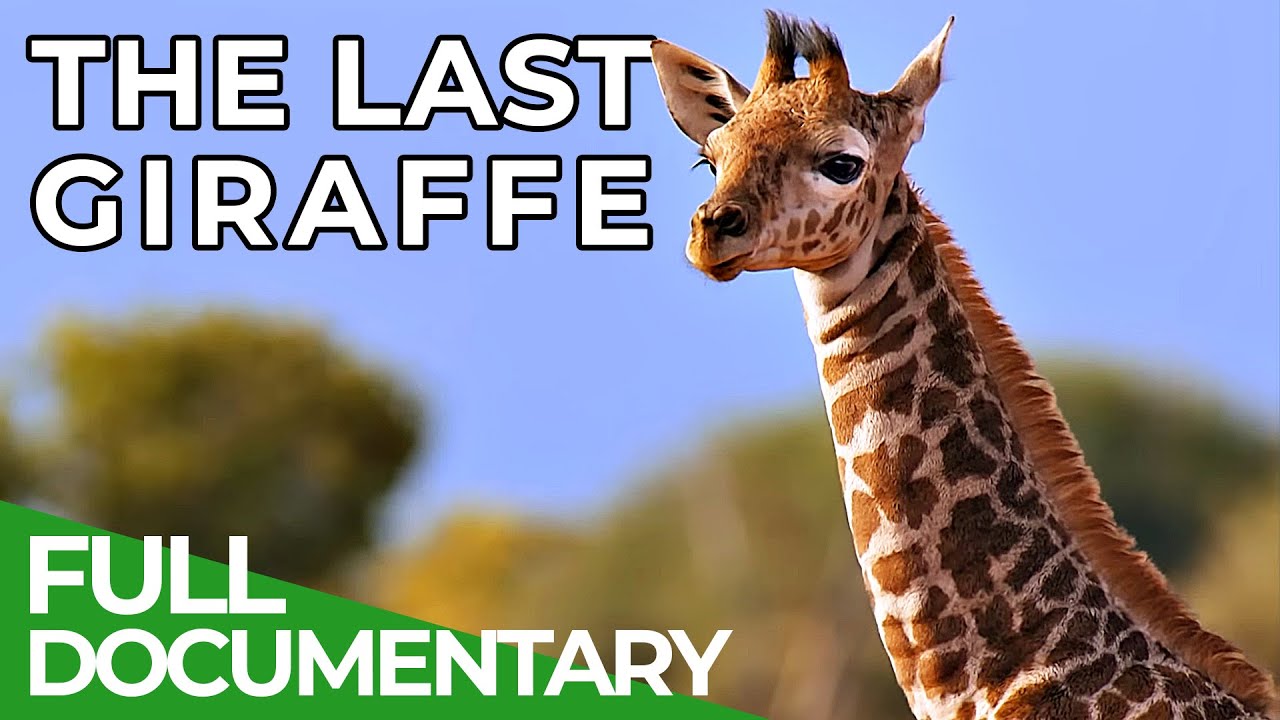
Only 80,000 giraffes remain in Africa today, a sharp decline from millions at the beginning of the 20th century, primarily due to poaching and habitat loss.
1,200 kilometers from Lisbon, the Azores experience fierce winter storms that reveal the raw power of the Atlantic Ocean.
Evolutionary biologist Mike McHargue joins hosts Sebastian and Rutendo to explore how animals like rats and spiders inspire human innovation through their unique abilities.
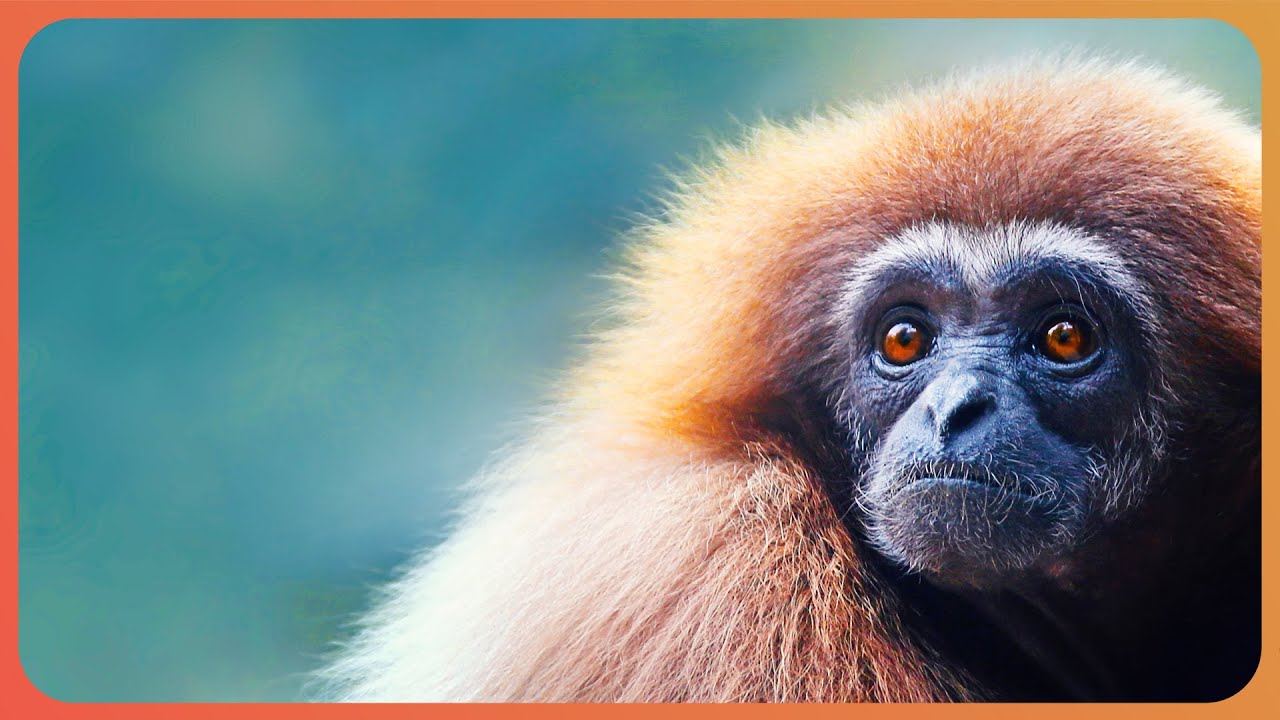
Aurélien Brulé's efforts in Indonesia focus on saving gibbons from habitat destruction caused by oil palm production and the illegal pet trade.
Indigenous peoples such as the Kalahari Bushmen, Australian Aborigines, and Arctic Inuit utilize traditional tracking skills for hunting and wildlife conservation.
Winter temperatures in Lapland can drop to 40 degrees below zero, forcing wildlife to adapt to one of the harshest climates on Earth.
Australia and New Zealand's unique ecosystems feature ancient species like sperm whales in Kaikōura Canyon and longfin eels that migrate thousands of kilometers.
In the Falkland Islands, unique flora and fauna thrive, including diverse penguin species that inhabit this windswept archipelago in the southern Atlantic Ocean.
BBC Earth showcases ten significant wildlife moments from 2025, featuring a baby elephant's lessons and nature's most intense mating rituals.
The Andes mountain range, spanning over 7500 kilometres from Tierra del Fuego to the Bolivian Altiplano, showcases diverse ecosystems and dramatic landscapes.
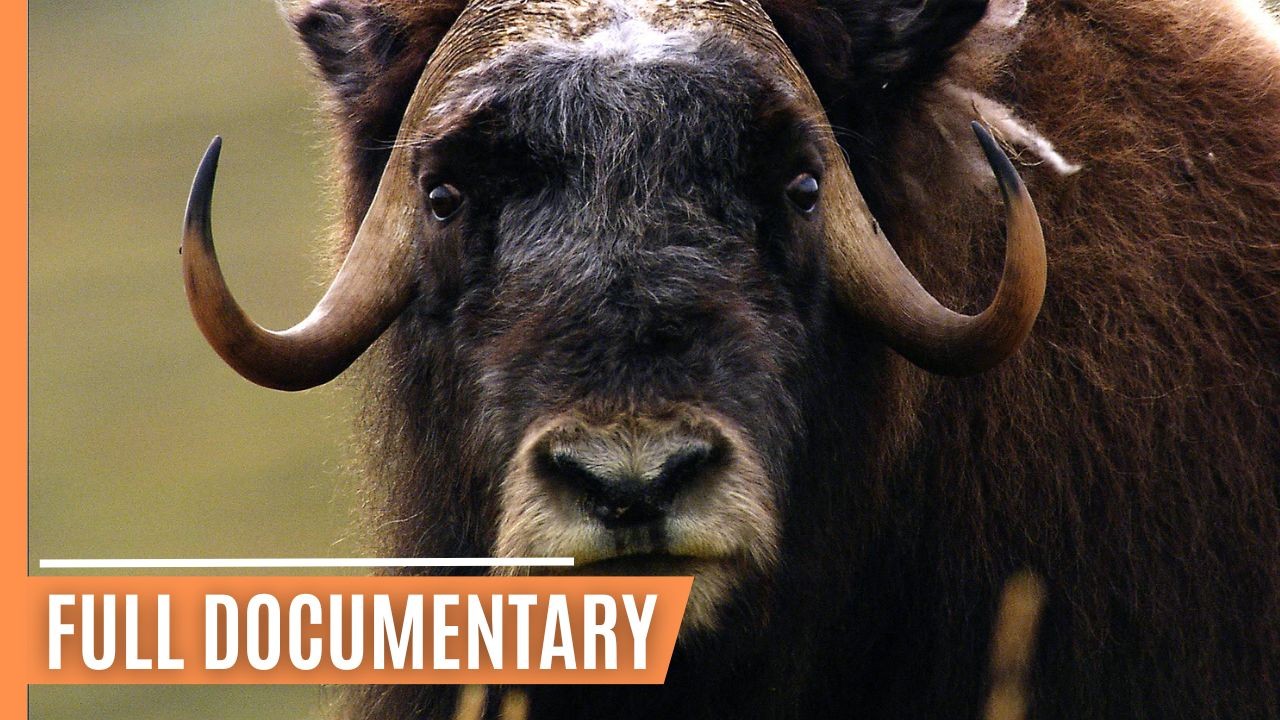
Mutton thrive in extreme environments, from deserts to tundra, showcasing their resilience.
German forester Peter Wohlleben and scientist Suzanne Simard explore the complex communication and relationships among trees, supported by recent forest science research.
Spain's unique geographical position between Europe and Africa, along with its diverse climates, creates an ideal habitat for a rich variety of migratory bird species.
Bowhead whales, which may live over 200 years, are studied by biologists using new research techniques alongside Alaskan Inupiat during a traditional hunt.
Hundreds of thousands of Nazis gathered in Nuremberg in 1934 for a meticulously choreographed rally that combined spectacle with political messaging.
Animal survival strategies are explored through various adaptations, including teeth, claws, camouflage, and toxins, highlighting nature's ingenuity in the wild.
At 80 years old, biologist Bruce Means embarks on an expedition to the Weiassipu tepui in Guyana to document rare frog species and study its unique ecosystem.
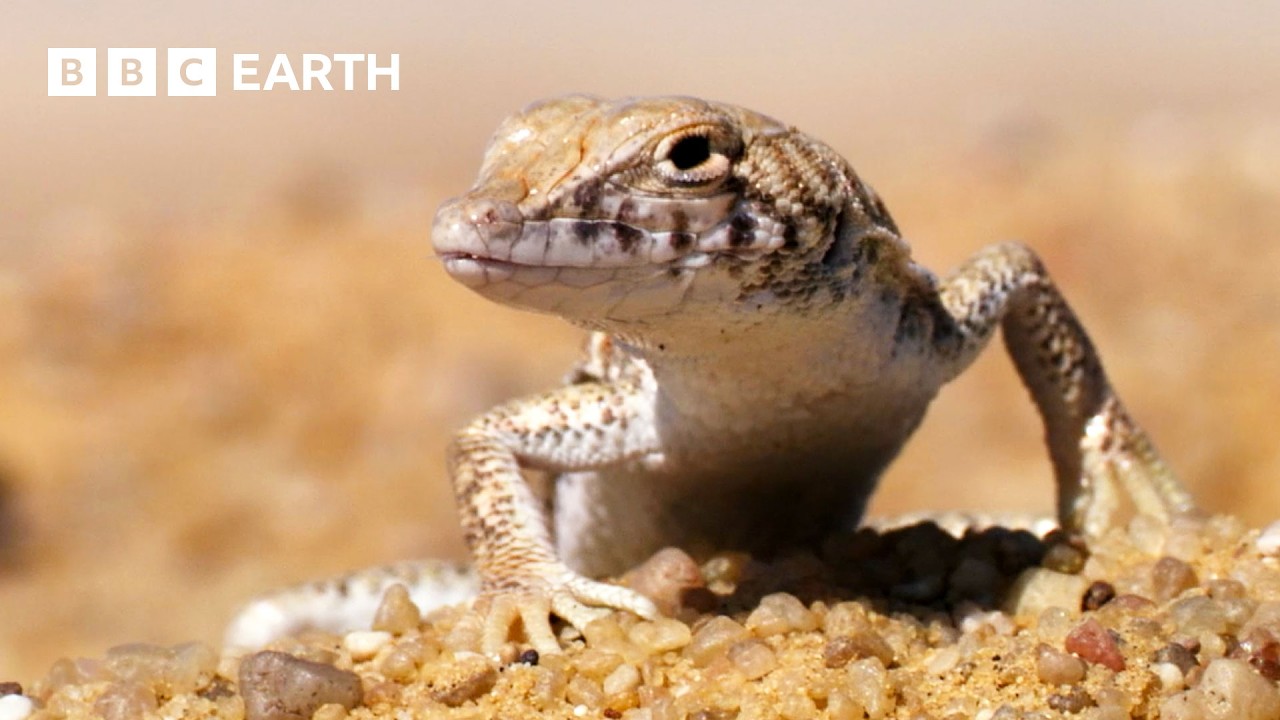
In the world's deserts, extreme wildlife adaptations are showcased, featuring ants enduring intense heat and giraffes engaging in fierce confrontations.
The Black Mountain region in Wales serves as a stunning backdrop for exploring diverse wildlife and the importance of conservation efforts in natural habitats.
New Zealand's unique biodiversity, including the flightless kiwi and kakapo, is explored through its geological history and evolutionary connections to Australia.
Fossilized dinosaur footprints found by a palaeontologist in the 1960s suggest a dramatic hunt and kill, revealing a one hundred million year old battle.
In Assam, Dieter Plage documents the final operation to capture elephants for forestry work, a practice now prohibited by the Indian government.
Polar bears in the Arctic face extinction within 50 years as climate change rapidly diminishes their sea ice habitat, impacting their survival and health.
In Zambia's Lower Zambezi Valley, the story of Big Boy, an iconic elephant bull, highlights the impact of poaching and the efforts of safari operators Boet and Chris Liebenberg in conservation.
Lionesses on Savannah Lane engage in repeated couplings every half hour to ensure successful reproduction and select the strongest males for mating.
Montenegro features Black Mountains, Venetian architecture, and fjords like those in Norway.
Eighty thousand barnacle geese rest by the lower Elbe each year, making up one-fifth of their world population before migrating to the Arctic.
In Alaska's Glacier Bay and Katmai Coast, Art Wolfe explores the habitats of humpback whales, orcas, and the world's largest population of grizzly bears.
The whale hunting industry faces increasing scrutiny as marine conservationists and scientists advocate for sustainable practices to protect these majestic creatures.
In the animal kingdom, devoted parents care for their quirky offspring, featuring a baby moose and singing parrots in a lighthearted exploration of wildlife parenting.
Almost one in five herds in northern Kenya are orphan herds, led by inexperienced young elephants like 13-year-old Habiba, who faces constant danger.
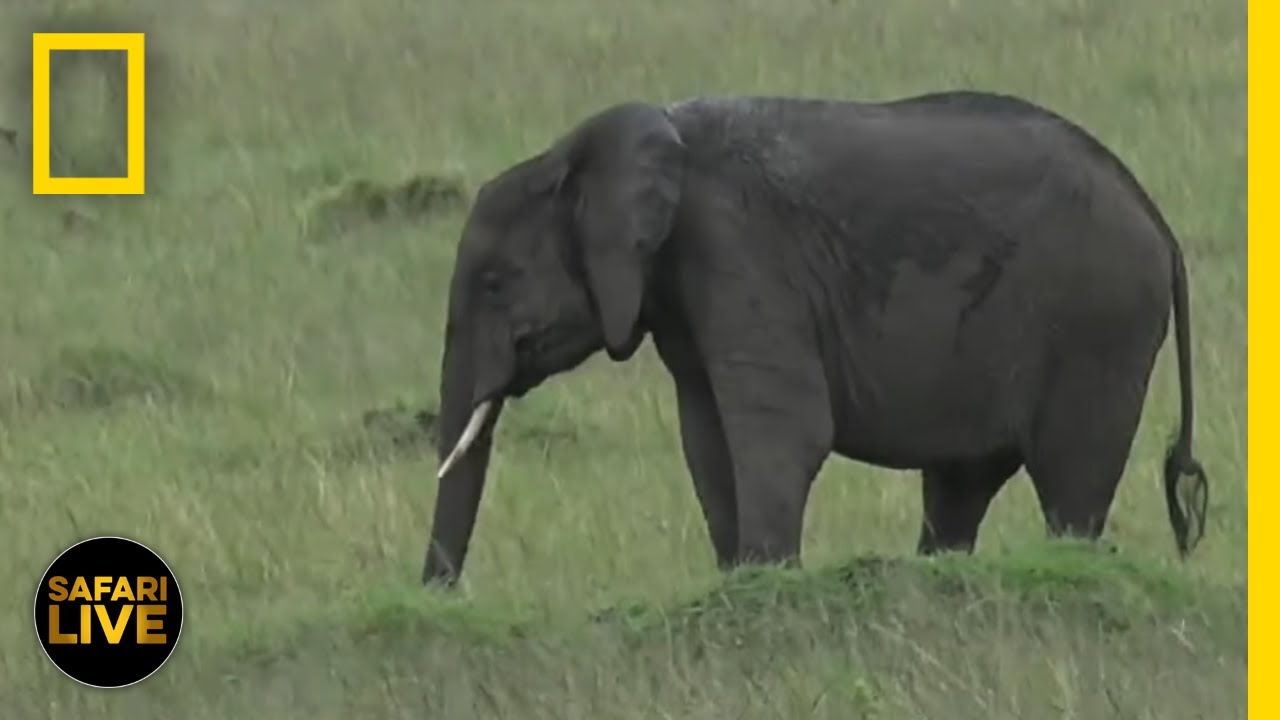
A birthday celebration for Scotty 2 Hotty takes place during a live safari in the Juma Game Reserve, featuring interactions with local wildlife.
Clemson University Experimental Forest in South Carolina, restored over 70 years, serves as a biodiversity hub, featuring migratory birds and unique plant species.
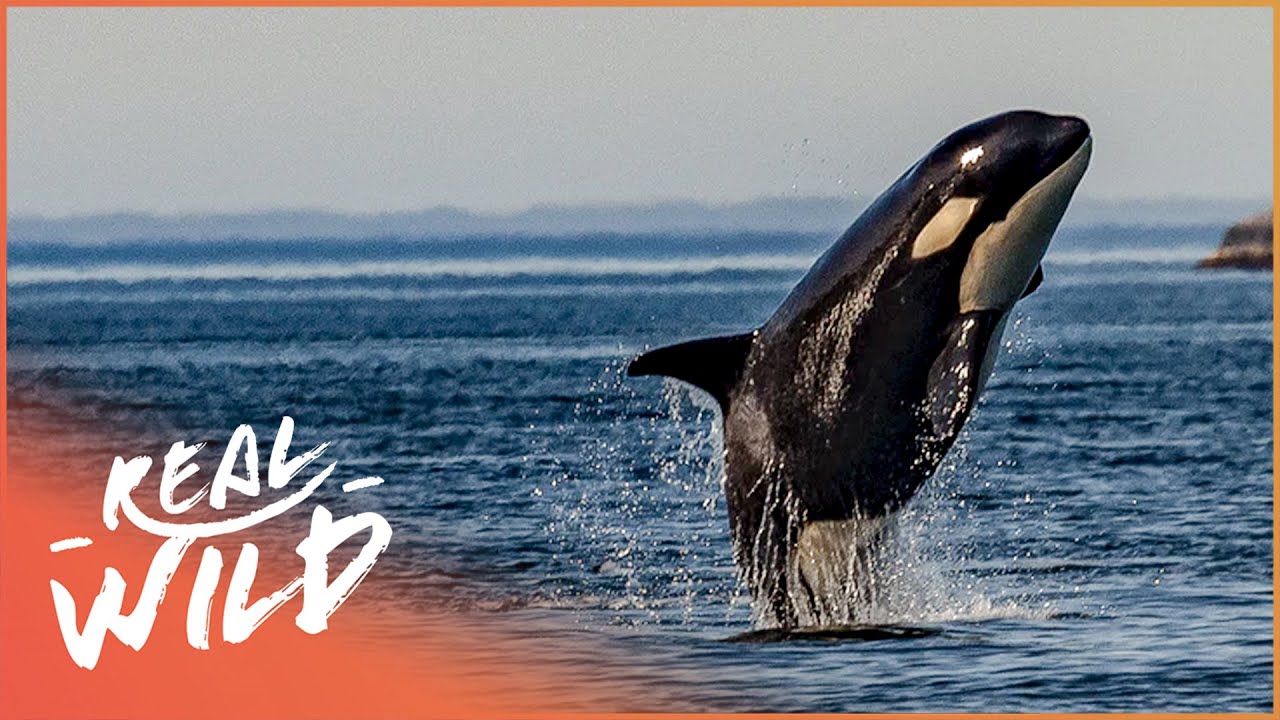
Killer whales along the Pacific coast of North America are facing severe threats from ocean pollution, as ongoing studies reveal alarming impacts on their health and survival.
Over 300 chimpanzees live at Chimp Haven in Louisiana, a sanctuary for animals retired from biomedical research.
On the Iberian Peninsula, the endangered Iberian lynx faces survival challenges due to habitat fragmentation while conservation efforts aim to restore its environment.
About 80% of Guyana is covered by pristine forests, which are home to diverse wildlife including jaguars, giant otters, and the harpy eagle.
In Mumbai, glowing wildlife coexists with urban life, while elusive red pandas and snow leopards inhabit the remote Himalayas and Mongolia's vast landscapes.
Home to over 200,000 known venomous species, the natural world features creatures that use venom to paralyze prey and defend against predators.
Elephant shrews, tiny mammals endemic to Africa, are endangered and serve as mascots for Arabuko National Park in Kenya, supporting local education through tourism.
Dinosaurs' extinction significantly influenced the evolution of modern wildlife, including crocodiles, insects, and fish, as explored through rare animal footage.
The Tarahumara people of Northwestern Mexico are known for their endurance running and sustainable lifestyle, deeply connected to the Sierra Madre mountains.
Lake Skadar is home to 270 bird species, while Montenegro's Tara National Park features a gorge that is 1,300 meters deep.


















![Documentary backdrop image for Clemson's Extraordinary Experimental Forest [4K] (2022)](https://i.ytimg.com/vi/f6JmiuEMoIc/maxresdefault.jpg)


![Documentary backdrop image for The Tiny Endangered Elephant Shrews of Africa [4K Animal Documentary] | Elephant Shrew (2021)](https://i.ytimg.com/vi/r_8qzrZY9io/maxresdefault.jpg)