From over 100,000 films, discover the handful you'll love.
Free or premium access to the world's largest documentary library.
7951 films(Page 12 of 166)
Kali struggles to feed her cubs while Moto searches for his lost love, Nyota, in the Serengeti.
In northern Norway, Ian Wright works on the fishing trawler Hermes before exploring the Spitsbergen islands and sites linked to Roald Amundsen's expeditions.
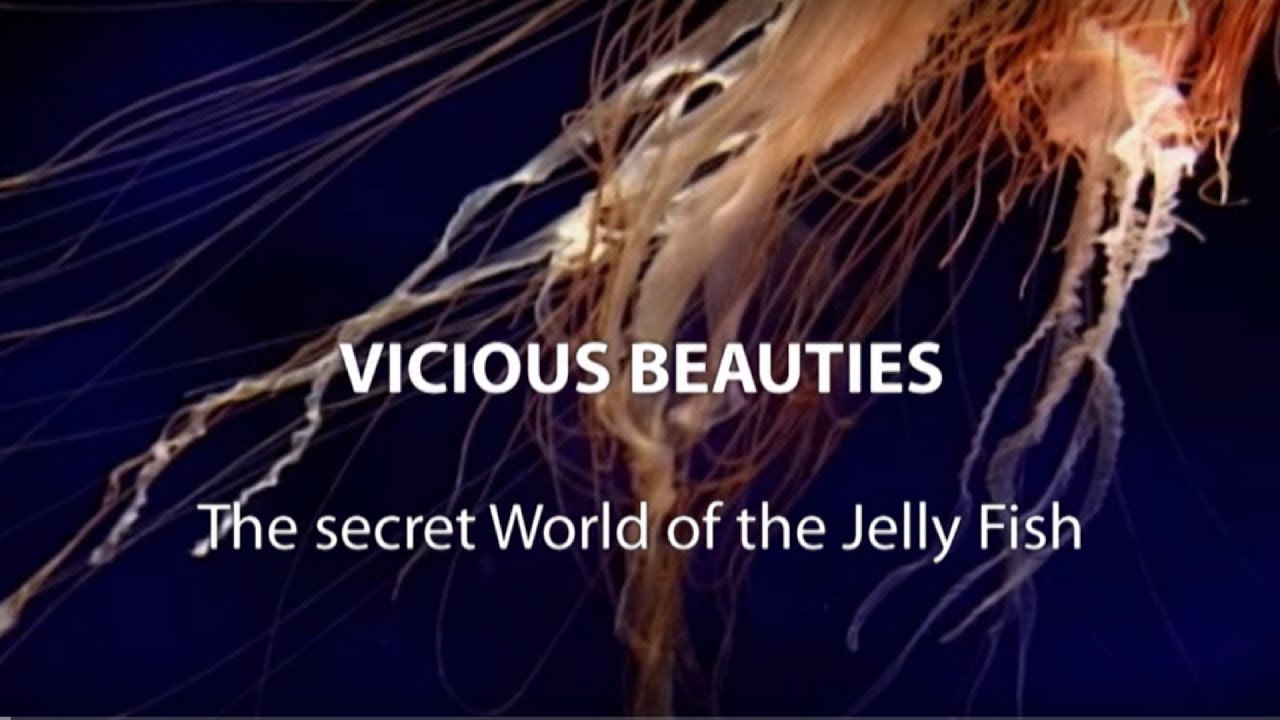
Jellyfish, some of the most venomous ocean inhabitants, play a crucial role in marine ecosystems, as explored by scientist Gerhard Jarms in various global locations.
A bison can shovel 5 tons of snow a day to reach withered grass buried beneath a meter of snow during harsh winter conditions.
In Yellowstone National Park, the reintroduction of wolves in 1995 has led to a complex dynamic where coyotes, once top predators, now face competition.
In the Okavango Delta, Mosweo, a solitary leopard mother, faces challenges in raising her cubs amid competition from Buddah, the dominant male, and her older son, Tipa.
150 pairs of vultures roost in the Tswapong Hills, competing for the best ledges as they prepare to raise their young.
Saint Vincent and the Grenadines, an island nation in the Lesser Antilles, features stunning beaches, lush vegetation, and a welcoming local population across its 33 islands.
27,000 hectares of fragmented forest remain along the Kinabatangan River, threatened by deforestation and the expansion of palm oil plantations.
In Antarctica, emperor penguin societies demonstrate the crucial bonds formed from birth that enable their survival in extreme conditions.
Azuma Makoto, a Japanese artist, creates plant sculptures that connect humanity and nature.
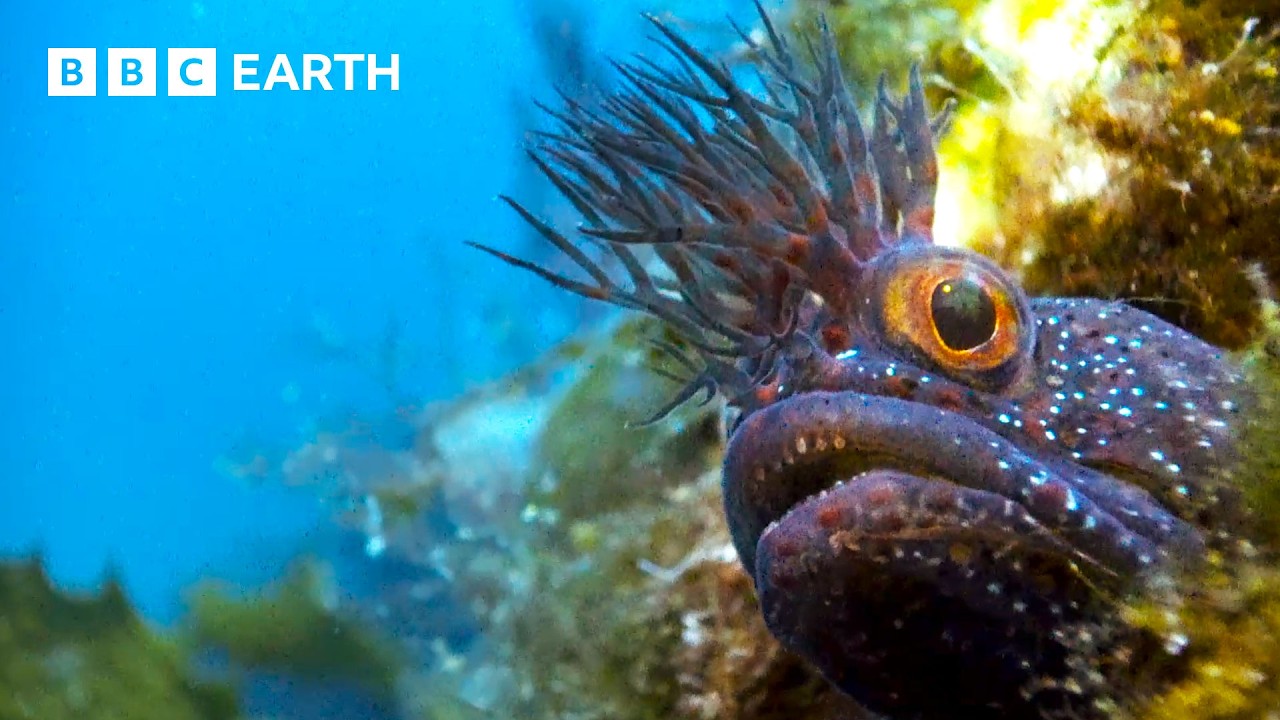
Spring moments from the BBC Earth archive showcase the beauty and diversity of nature across various ecosystems and species.
Baffin Island's harsh climate and breathtaking landscapes challenge explorer Steve Hall as he becomes the first to backpack to Mount Thor in nearly two years.
In oceans and rivers worldwide, diverse aquatic species must master swimming skills to survive against environmental challenges and predators.
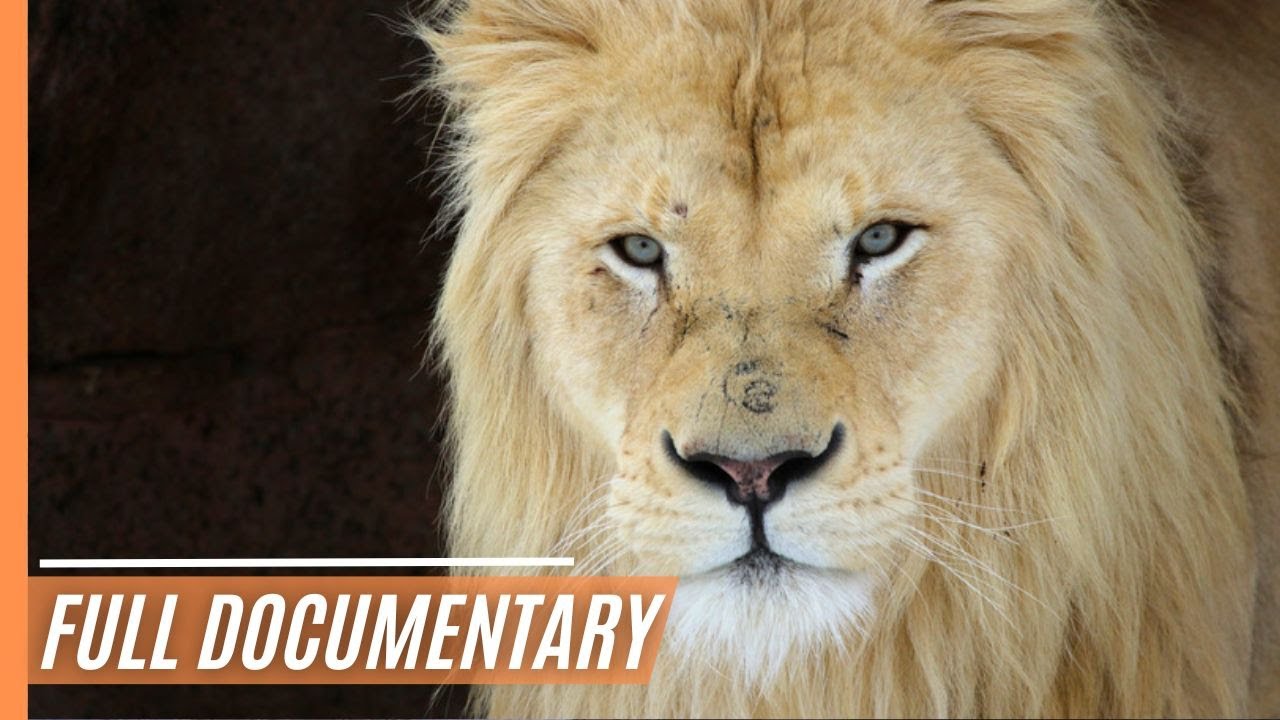
Two white lion cubs, Shinga and Ingan, navigate the dangers of South Africa's Kruger Park as they learn to hunt and survive in the wild.
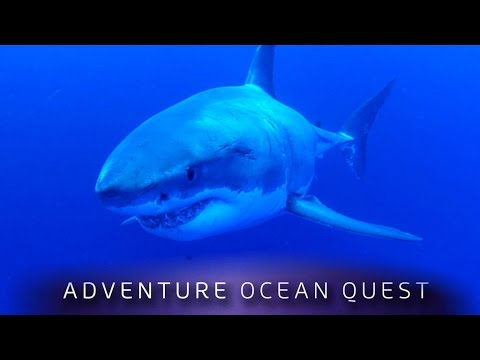
Great white sharks, studied by Dr. Mauricio Hoyos and freediver Frederic, reveal unique behavioral patterns when approached without conventional diving equipment.
In South Africa’s Kruger Park, two rare white lion cubs face the challenges of survival and the dangers posed by their distinctive coats as they grow to adulthood.
Heimo Korth, the last year-round resident of the Arctic National Wildlife Refuge in Alaska, survives in a 19 million-acre wilderness alongside polar bears and caribou.
Survivors of tiger attacks share their harrowing experiences, highlighting the dangers posed by these lethal predators in various parts of the world.
In the Philippines, a nation of over 7,000 islands, wildlife and human populations have adapted to the unique challenges of one of the world's oldest archipelagos.
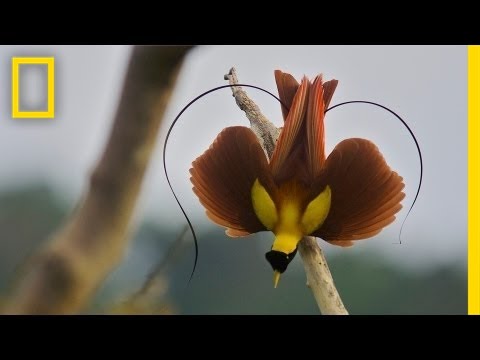
Tim Laman and Ed Scholes collaborate with the Cornell Lab of Ornithology to document the unique courtship behaviors of birds of paradise in Papua New Guinea.
Dinosaurs, the dominant species of the Mesozoic Era, evolved through diverse adaptations in response to environmental changes and challenges.
The Volga River flows 2,200 miles from its source in the Valdai hills to the Caspian Sea, creating one of the world's richest river systems.
Over 10 billion herring gather in the Norwegian fjords each winter, attracting orcas and humpback whales that hunt them in coordinated groups.
A red squirrel hides acorns and nuts in over 100 different places throughout gardens to prepare for the scarcity of food in spring.
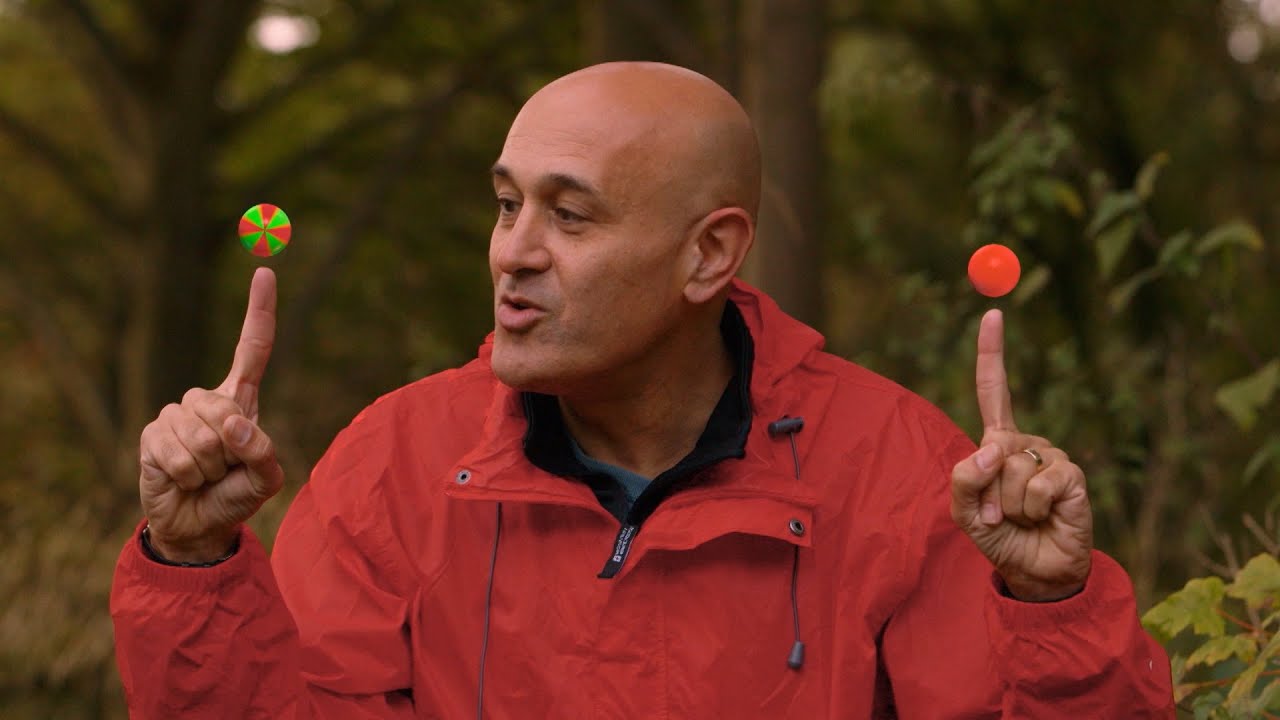
Physicist Jim Al-Khalili connects quantum mechanics to biological mysteries in nature.
In Rwanda's Virunga National Park, Dr. Mike Cranfield and the Gorilla Doctors conduct medical check-ups and surgeries to safeguard endangered mountain gorillas.
The Giant Irish Elk, with antlers reaching 12 feet, inhabited Ireland until its extinction nearly 11,000 years ago, prompting inquiries into its disappearance.
Over 60,000 acres of protected land in Palm Beach County, Florida, serve as the backdrop for dangerous encounters between humans and wildlife.
In the Okavango Delta, a team of filmmakers explores the hidden underwater ecosystem shaped by seasonal floods, revealing the complex interactions of its wildlife.
Climate change is altering the survival strategies of big cats in the Serengeti, forcing species like cheetahs and lions to adapt in unprecedented ways.
Vaquita marinas, the world's most endangered porpoises, face extinction due to bycatch in illegal totoaba fishing nets, prompting urgent conservation efforts.
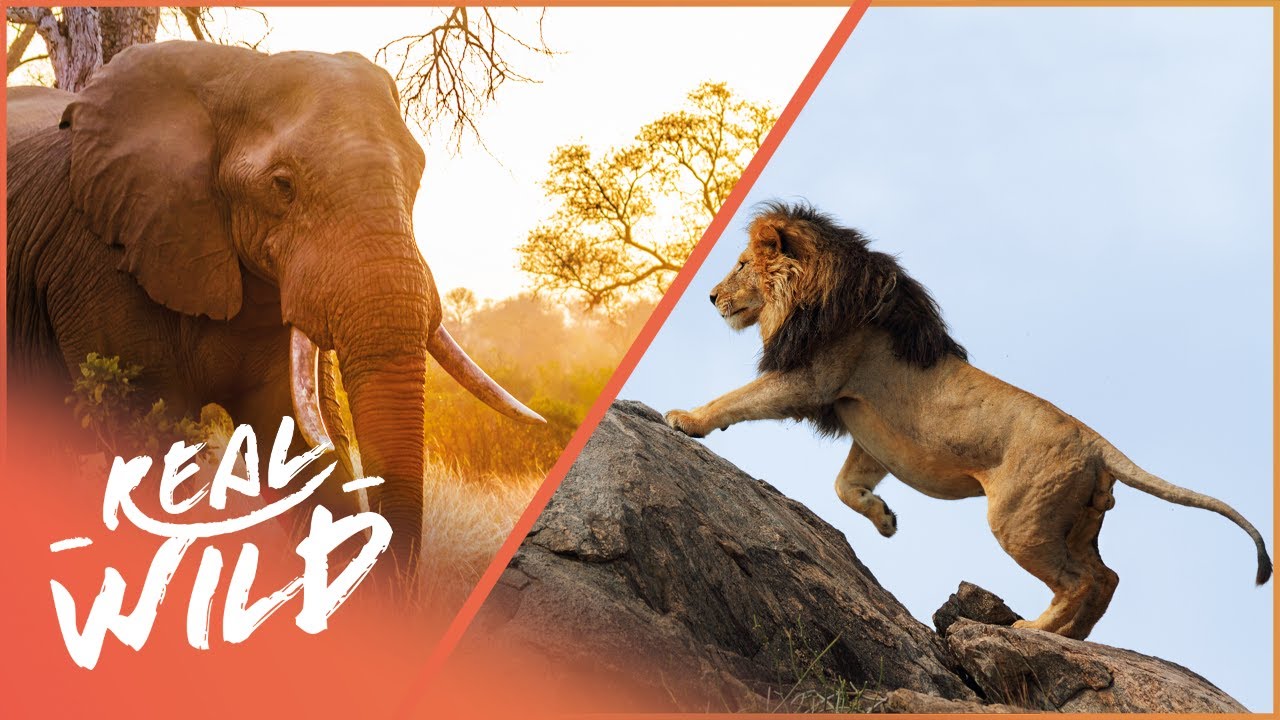
David Sheldrick Wildlife Trust's breeding and rehabilitation program for elephants highlights their emotional bonds and conservation efforts in the wild.
Sir David Attenborough's 100th birthday is marked by a celebration of 100 iconic wildlife scenes from his extensive career in natural history broadcasting.
70% of Malaysia is covered by tropical forests, which are facing intensive exploitation as the country balances natural heritage and industrial activities.
One-third of total greenhouse gas emissions come from the food system, making a drastic change in dietary habits essential to combat climate change.
The Grand Canyon, a natural wonder nearly 300 miles long and over a mile deep, has been shaped by geological forces including floods, volcanoes, and earthquakes.
Temperatures in the Arabian Desert can reach 130 degrees during the day, forcing nocturnal predators to emerge under the cover of darkness.
Nearly 100 inches of rain fall on Port Protection each year, challenging residents to adapt and survive in their isolated environment.
Four fox cubs are born after 50 days of gestation, weighing around 100 grams and relying on their mother for warmth and milk.
Inland lakes and fens in Europe support a diverse range of wildlife, showcasing unique adaptations of species that thrive in these fragmented ecosystems.
Experts suggest creating an immortal version of oneself is now possible through AI advancements.
In various habitats, elephants exhibit complex behaviors such as grieving, celebrating, and communicating through vibrations, highlighting their emotional depth and social structures.
More than half of the over 500 shark species are less than one meter long, with many being timid and harmless to humans.
In the wild, animals like the inland taipan, blue-ringed octopus, and stonefish utilize potent toxins as lethal weapons, influencing both survival and medical advancements.
In Costa Rica's Cloud Forest and Alaska's Boreal Forest, soothing nature sounds provide a calming backdrop for relaxation, meditation, and sleep.
One-third of Germany is covered in forest, providing a habitat for rare species like the wildcat, which returned to the Black Forest after a 90-year absence.
On Fraser Island, Australia, a dingo family with nine pups navigates challenges such as inter-pack conflict and forest fires to ensure their survival.