From over 100,000 films, discover the handful you'll love.
Free or premium access to the world's largest documentary library.
7945 films(Page 107 of 166)
Raccoon dogs steal food to survive winter in Amazing Dogs: Africa series.
A young diver describes a whale shark as being bigger than his arm span while snorkeling in the Great Barrier Reef.
Jaguars in South America showcase their hunting skills in 'The Phantom Cat' documentary.
Southern Right Whales return to the Valdes Peninsula in Argentina to breed and give birth, a vital habitat for their survival after years of hunting.
A young sparrowhawk, expelled from its parents' territory, navigates the forest in search of hunting grounds while honing its predatory skills.
The Phoenician alphabet, originating in ancient Phoenicia, significantly influenced modern writing systems and communication throughout history.
Laika, the first dog in space, tragically died after they sent that poor dog into orbit.
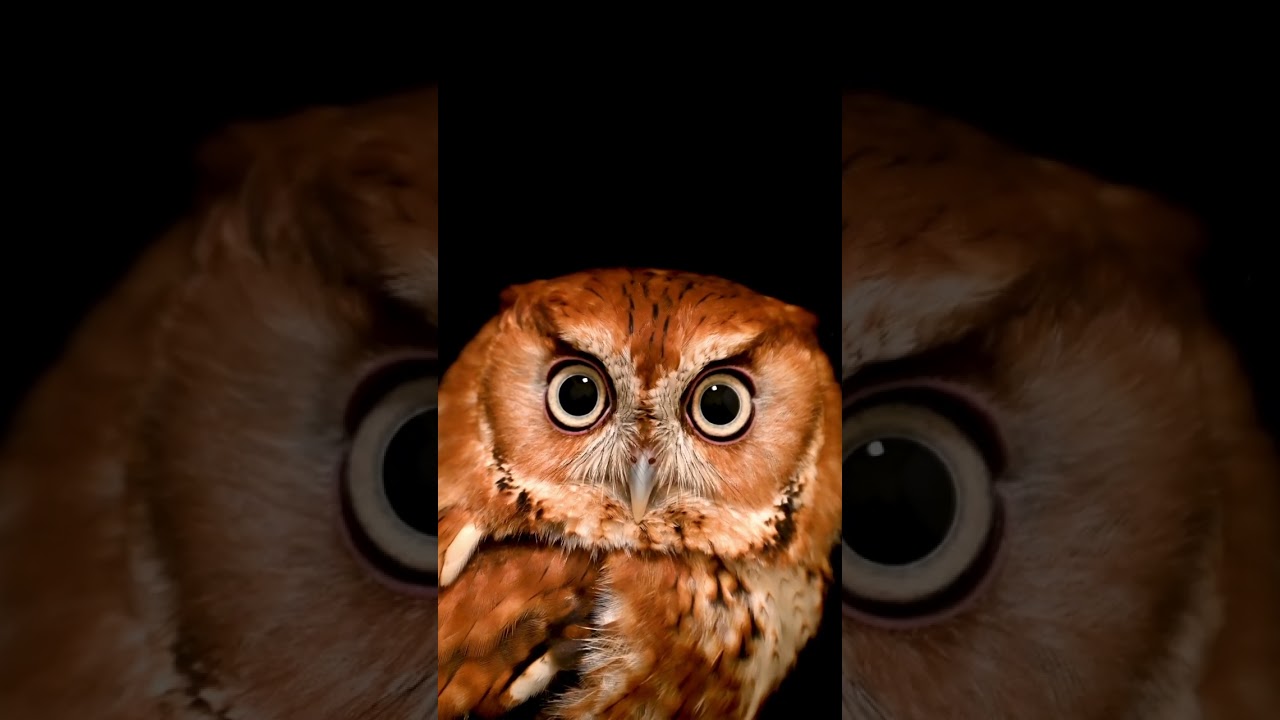
Joel Sartore's video highlights the cultural significance of owls and their unique traits.
Bryce, Mireya, and Russell find Bigfoot-like tree structures in Northern California.
Victoria Falls, known as the 'Smoke That Thunders,' features aerial views of its vast waterfall and ravine in Zambia, highlighting its natural beauty.
Kubongs, or colugos, are shown gliding through Malaysian forests, demonstrating their ability to leap over 100 meters and their unique adaptations for flight.
A dragonfly larva emerges from water, showcasing the transformation of its back lumps into wings, marking a crucial stage in its life cycle.
A lioness in the African savanna hunts zebras, illustrating the intense dynamics of predator-prey relationships in the wild.
The latest episode of Cosmic Journeys examines the rise of super hurricanes and their impacts.
Benedict Cumberbatch narrates the story of the Toba eruption in Sumatra, 74,000 years ago.
The sun has been a giant fusion engine for over four billion years, with plasma loops rising large enough to dwarf Earth.
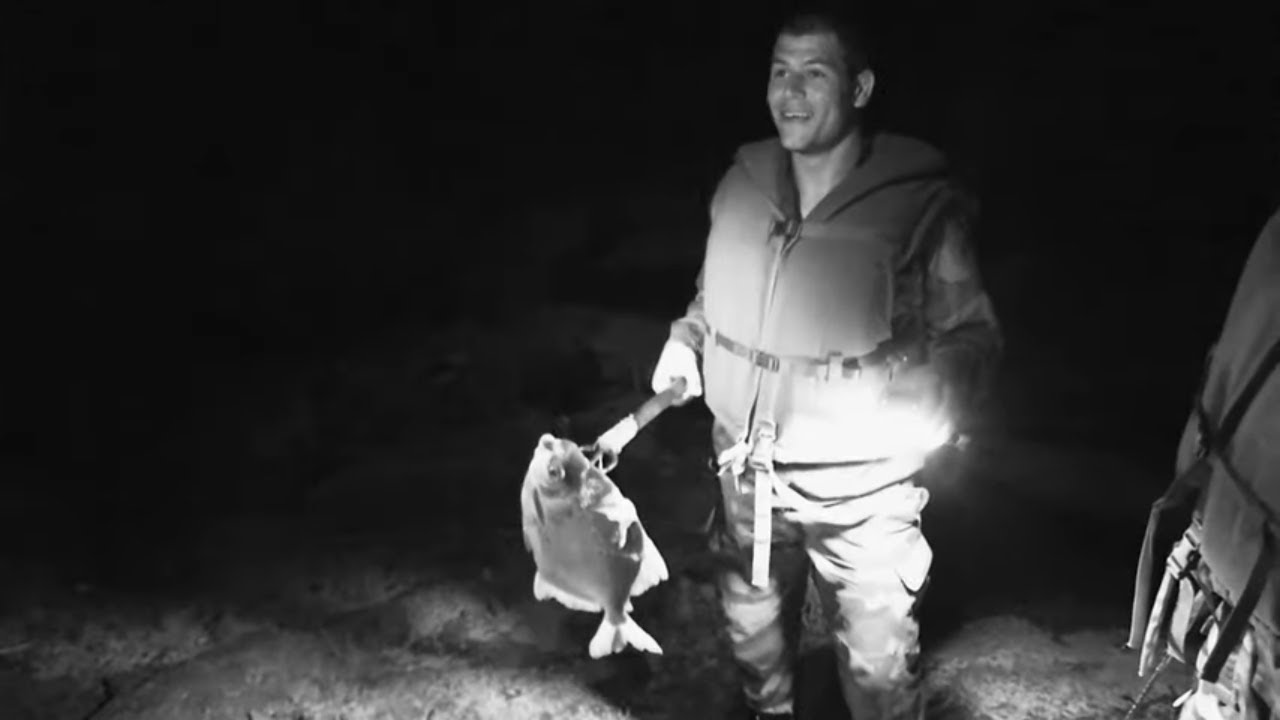
Febreze, a Guyanese instructor, teaches apprentice hunters to catch caiman and fish using traditional methods in the Amazon rainforest.
Plant-eating animals in various ecosystems face numerous threats from predators, relying on their instinct to run and adapt for survival in the wild.
The video discusses split infinitives and their use in English grammar, including Star Trek examples.
Tapirs, often misunderstood, exhibit their unique behavior of diving into water for food, highlighting their surprising relation to horses and hippos.
Telstar 1, launched by NASA in 1962, was the first satellite to transmit television images, revolutionizing global broadcasting and communication.
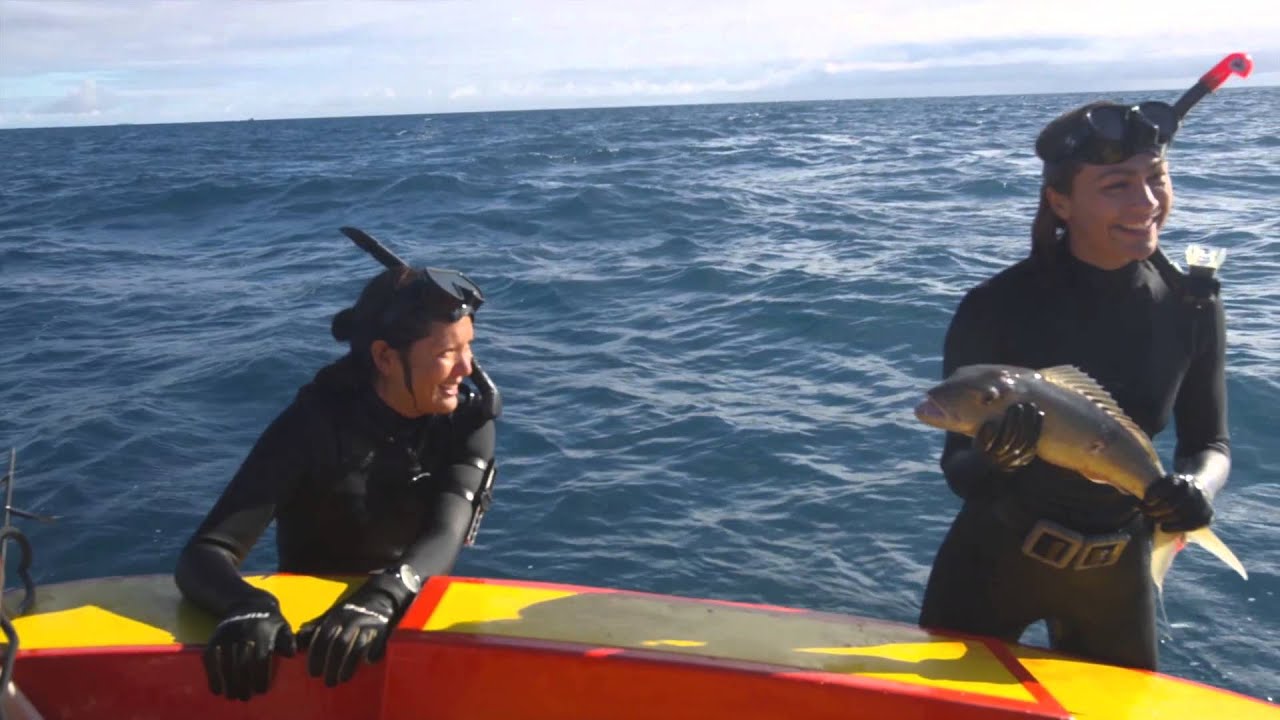
Kimi Werner reflects on her transition from competitive diving to sustainable fishing in the Tuamotu Archipelago, emphasizing community, cultural connection, and knowledge-sharing.
Termites are social insects found in Australia, with colonies reaching millions in size.
In a dark cave, a creature encounter prompts discussions about the shift in programming quality on the Discovery Channel, highlighting viewer nostalgia for educational content.
Early American inhabitants in the Chesapeake Bay faced threats from formidable predators like the short-faced bear while developing survival strategies.
A sidewinder snake can travel at speeds of up to 18 miles per hour while minimizing contact with the hot desert sand.
Two rival lemur troops in Southern Madagascar face off over territory and resources.
Four surfboards, each with different liquids, are placed in the ocean to test how sharks respond to blood compared to other scents.
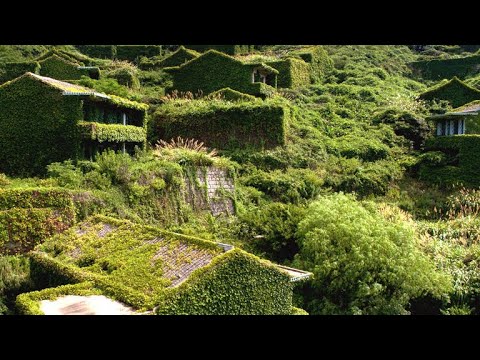
Houtouwan, a deserted village in China, has become a popular tourist destination as nature reclaims its structures, raising concerns about environmental degradation.
The Ocean Twilight Zone, a mesopelagic region rich in undiscovered life, is explored by scientists seeking insights into climate change and global ecosystems.
Fewer than 2,000 giant pandas exist in the world, making each new birth a significant achievement for this endangered species.
Arianna Huffington discusses journalism's role in a populist political world.
Weddell seals thrive in Antarctica's cold waters, showcasing their resilient adaptations.
The Asian lion lives in Gir, India, coexisting with humans in a unique environment.
Each strand of Sargassum can grow almost the length of a school bus, forming vast mats that stretch several football fields long in the Sargasso Sea.
Coyote outsmarts the giant Nuwuzo'ho to save the animal people from danger.
In the Galapagos Islands, world-class scientists and filmmakers from National Geographic explore unique ecosystems, ancient civilizations, and conservation efforts.
A baby shark pushes through its tight eggshell at the Bright Now Aquarium, marking a significant moment in its early life.
Moorish geckos in Carcassonne exhibit unique adaptations for evading predators, particularly during vulnerable moulting stages in their historic habitat.
Bees use pollen for protein, while wasps rely on meat, highlighting their key differences.
Chineskikan in Chichibu showcases rocks resembling human faces, two hours outside Tokyo.
Carmel, California, showcases stunning coastlines and a vibrant marine ecosystem, attracting nature lovers and notable figures like Clint Eastwood.
In extreme environments, participants in Naked and Afraid face survival challenges that test their skills and highlight the urgency of their training.
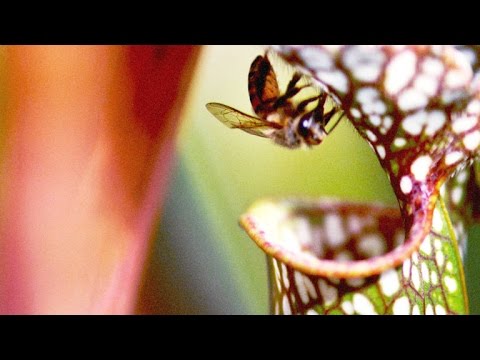
The pitcher plant consumes mice, showcasing its unique carnivorous cravings and feeding methods.
Cappadocia in Turkey reveals its underground secrets in this short documentary.
Carthage's ancient civilization is examined through the lens of its construction techniques, exploring the myths and realities that shaped its legacy.
Transporting superyachts involves extensive planning and coordination, showcasing the logistics and safety measures required for successful delivery.
Some nests built by the Talégalo red-headed turkey can weigh as much as four tons, serving as incubators for their eggs through a unique decomposition process.