From over 100,000 films, discover the handful you'll love.
Free or premium access to the world's largest documentary library.
7951 films(Page 56 of 166)
Wildlife along the southern coast of Africa, from the Cape Peninsula to the Mozambique wetlands, adapts to diverse climates and prepares for tropical storms.
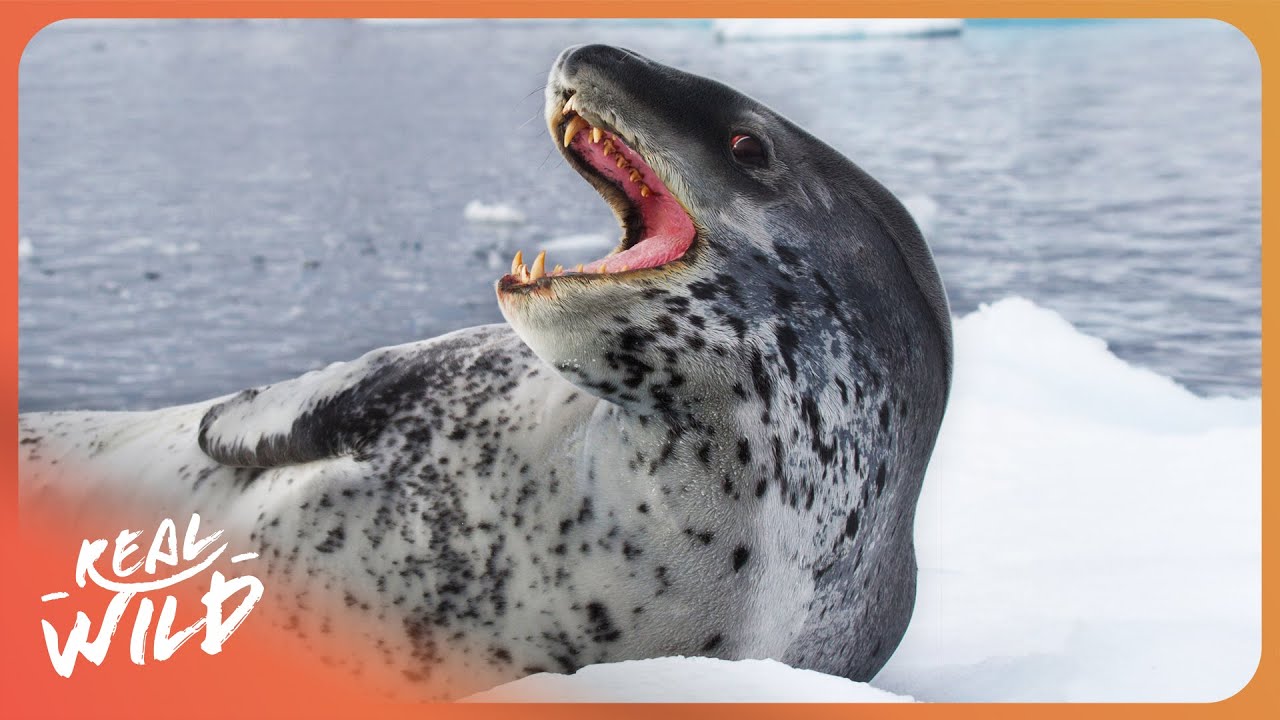
In the polar regions, polar bears and leopard seals exhibit extreme survival tactics, while a tracker investigates big cat sightings in the UK.
Africa's grasslands host some of the largest wildlife gatherings on the continent, showcasing the intricate relationships within these ecosystems.
In various natural and domestic environments, baby animals such as cougar cubs, koala joeys, and baby monkeys are showcased in their daily lives.
Marine experts Trevor Long and David Blyde respond to critical cases involving sick, injured, and orphaned marine animals along Australia's east coast.
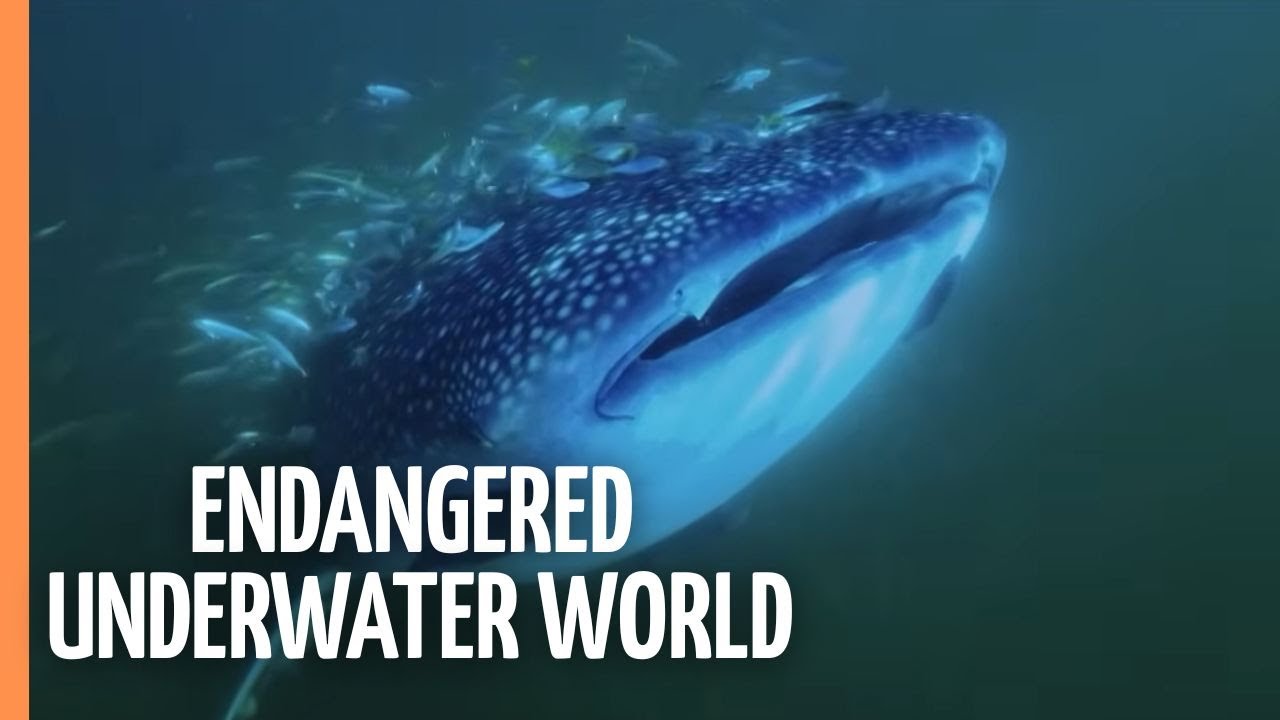
Whale sharks, the largest fish in the world, can grow up to 13 meters long and visit the Gulf of California every summer to feed on plankton.
In the Blue Mountains, Dr. Pel studies the ecological role of dingos as apex predators and their complex social structures, highlighting their impact on Australia's ecosystem.
Giraffes are experiencing a 40% population decline in thirty years, prompting wildlife investigator Ivan Carter and the Giraffe Conservation Foundation to combat poaching in Uganda's Murchison Falls National Park.
Eight Asian elephants travel from rural Thailand to new homes in Sydney and Melbourne Zoos after months of quarantine and a complex relocation process.
Giant manta rays in Australia, tracked by Project Manta, exhibit mysterious six-month migrations that researchers study using underwater listening stations and photo identification.
Bolivia's diverse landscapes, from the Andes mountains to the Amazon Basin, showcase the rich cultural heritage and adventurous spirit of its people.
Vibrant coral reefs and storm-battered shores of Southern Africa illustrate the complex ecosystems of the ocean, highlighting the survival of its extraordinary creatures.
Madagascar's Indri lemurs face territorial challenges in a shrinking forest.
Barrow Island, home to rare and endangered species, balances its role as a vital conservation reserve with being Australia's second largest oil producer.
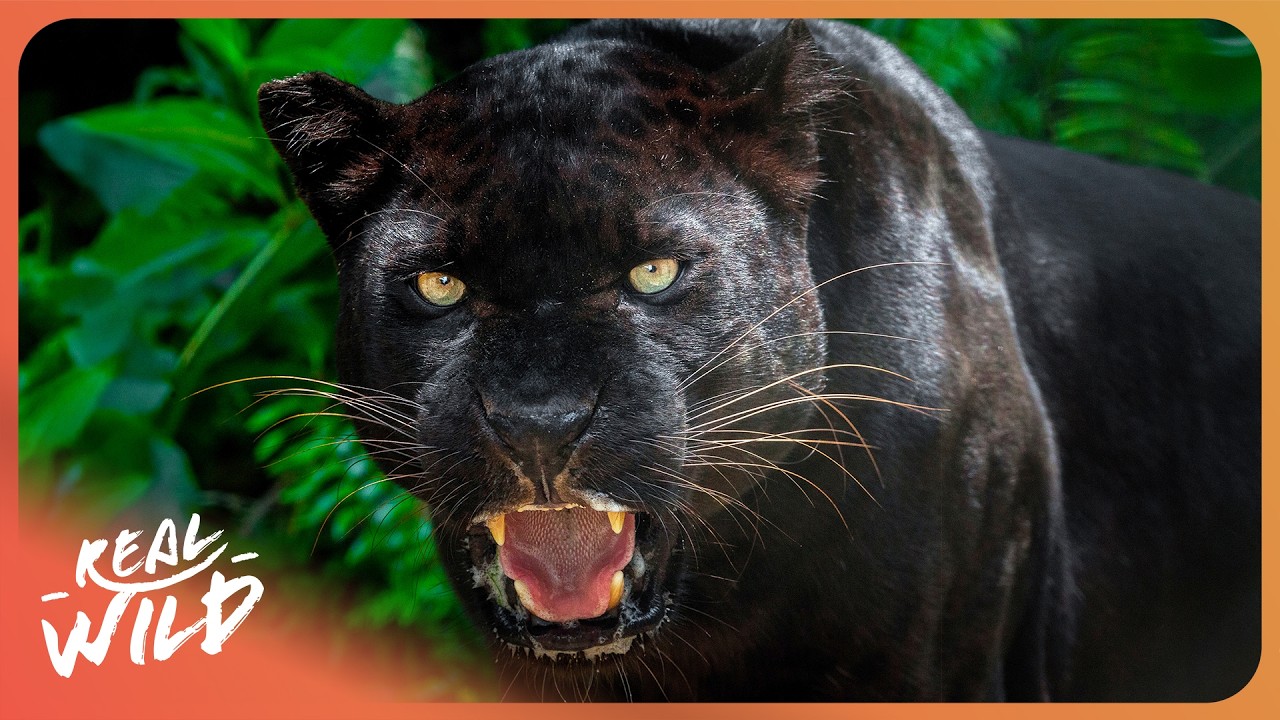
In the Amazon Rainforest, jaguars and ecitom ants exemplify survival strategies, while the Maasai Mara showcases the complex interactions between baboons and cheetahs.
Fiji's vibrant culture and stunning landscapes are showcased through the lives of a diver, a surfing champion, and a rugby coach exploring their passions.
In the Naica Mine of Mexico, a team of international scientists confronts extreme conditions to study colossal crystals and their geological significance.
The Mediterranean Sea, identified as the most polluted sea globally, faces a critical plastic waste crisis, particularly highlighted by the 'Plastic Island' off Corsica.
It took almost 400 years for the condom to evolve from a sheep intestine covering to a modern latex product that holds 18 liters of air.
Dolphin expert Ute Margreff and filmmaker Florian Graner explore their deep connections to ocean habitats, highlighting their unique relationships with marine life.
Australia's Dugong population, the largest in the world, faces significant threats, prompting consultations with scientists from the Great Barrier Reef Marine Park Authority.
Snow is vital for ecosystems, but global warming threatens its future in the Alps and United States.
The North and Baltic Seas are explored through unique wildlife moments, including the Ghost Forest in Germany's Mecklenburg and rare footage of a Gotland grass snake.
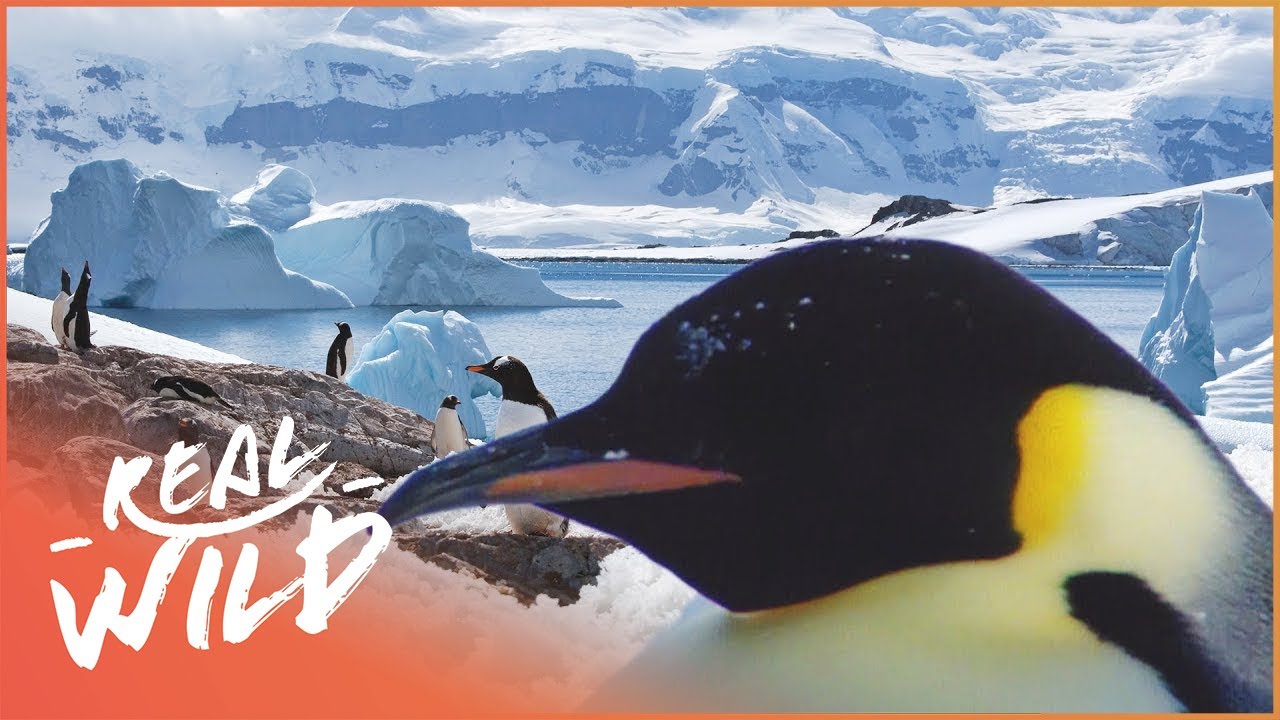
A team of marine scientists conducts an unprecedented expedition across the Great Southern Ocean to study the unique ecosystems of Antarctica.
The Namib desert in Namibia features golden sand and unique wildlife like desert elephants.
The Namib Desert, home to the last 150 desert elephants, faces extreme drought, challenging the survival of its resilient wildlife and ecosystems.
Antarctica covers an area of over 14 million square kilometers, home to leopard seals that hunt penguins in a harsh and unforgiving environment.
A 320-ton magnet is transported over 100 kilometers through southern France for the world's largest nuclear fusion reactor, set to begin operations in 2025.
Rising global temperatures are causing significant changes in alpine landscapes, with permafrost retreating and increased snowmelt impacting ecosystems by the end of the 21st century.
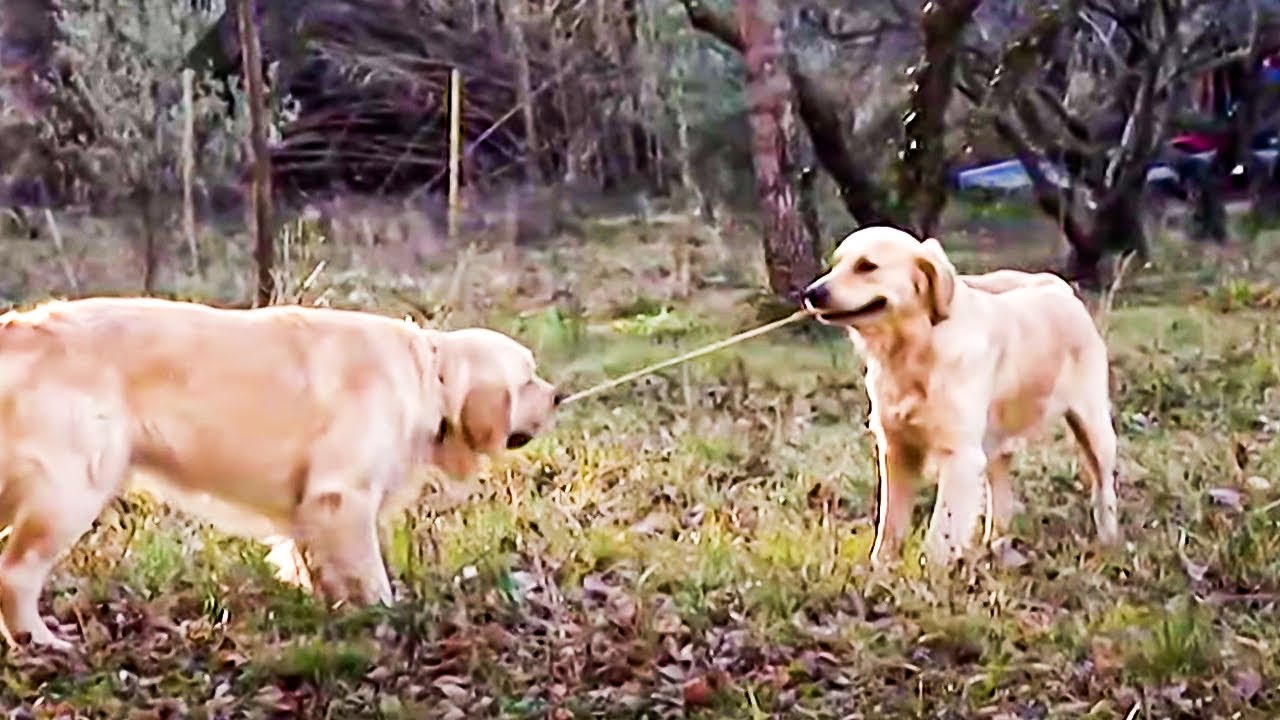
Young animals play more often than adults, engaging in activities that promote social, cognitive, and physical development.
In Africa's rivers, hippos, crocodiles, and fish eagles dominate the landscape, creating a perilous environment for both wildlife and humans.
A rare early dinosaur skull, sealed for 200 million years in an unopened crate from Africa, challenges existing knowledge of prehistoric life.
In Kwazulu-Natal, giraffes and their calves navigate the bush, engaging in feeding, drinking, and facing off against lions.
More than half of the over 500 shark species are less than a meter long, many of which are harmless and often misunderstood.
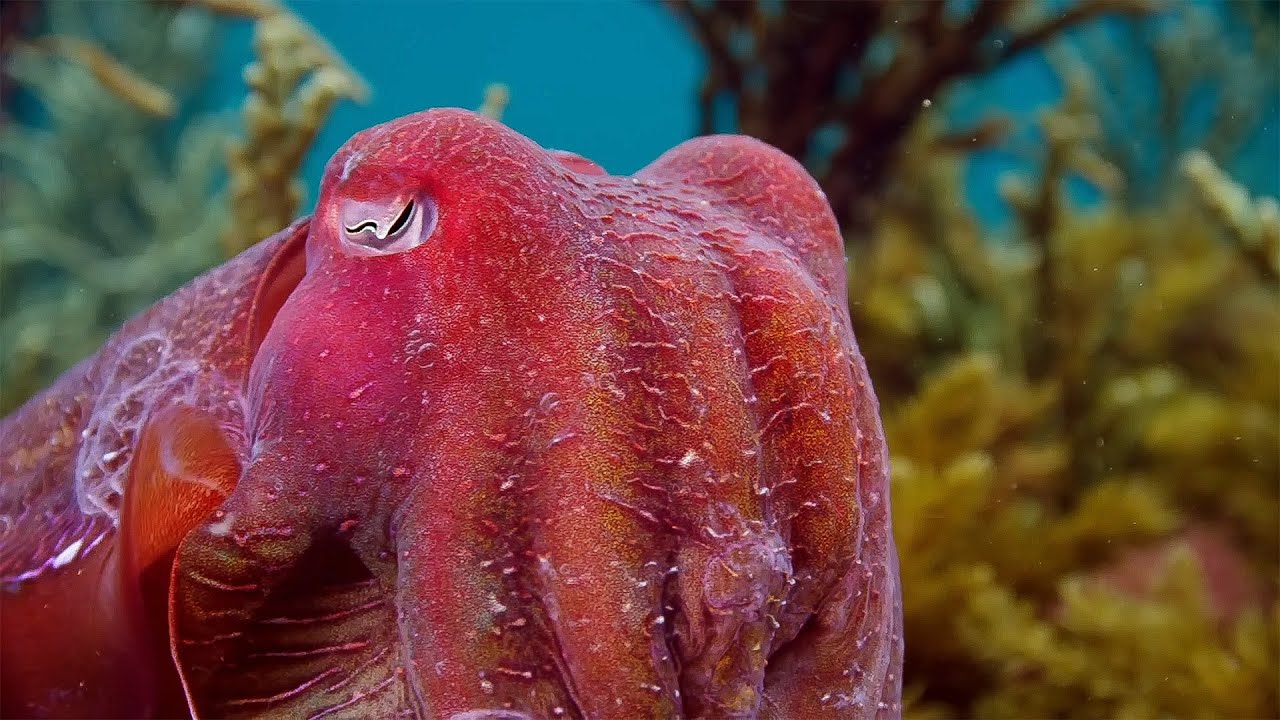
Australia's marine wilderness showcases a vibrant array of life, from sharks and seabirds to giant cuttlefish and whale sharks, highlighting fragile ecosystems.
Europe's raptors, including the Goshawk and Golden Eagle, showcase their hunting prowess while facing challenges from human-induced environmental changes.
Alpine streams in Tasmania provide a serene backdrop in this one-hour film featuring looped footage captured during a 2019 expedition amid the Covid-19 lockdown.
In the Pacific Ocean, diverse marine terrains like the Coral Triangle host unique species such as the Titan triggerfish and peacock mantis shrimp, revealing complex ecosystems.
Aerial cinematography captures Canada's diverse landscapes and iconic landmarks from a helicopter, showcasing the country's beauty from a unique perspective.
Professor Brian Cox connects tornadoes in Oklahoma to the origins of our Solar System.
In various natural and domestic settings, playful baby animals, including cheeky ferrets, are highlighted through humorous narration.
Andreas Kieling encounters gorillas in the Congo, Rwanda, Uganda, and searches for crocodiles in Australia.
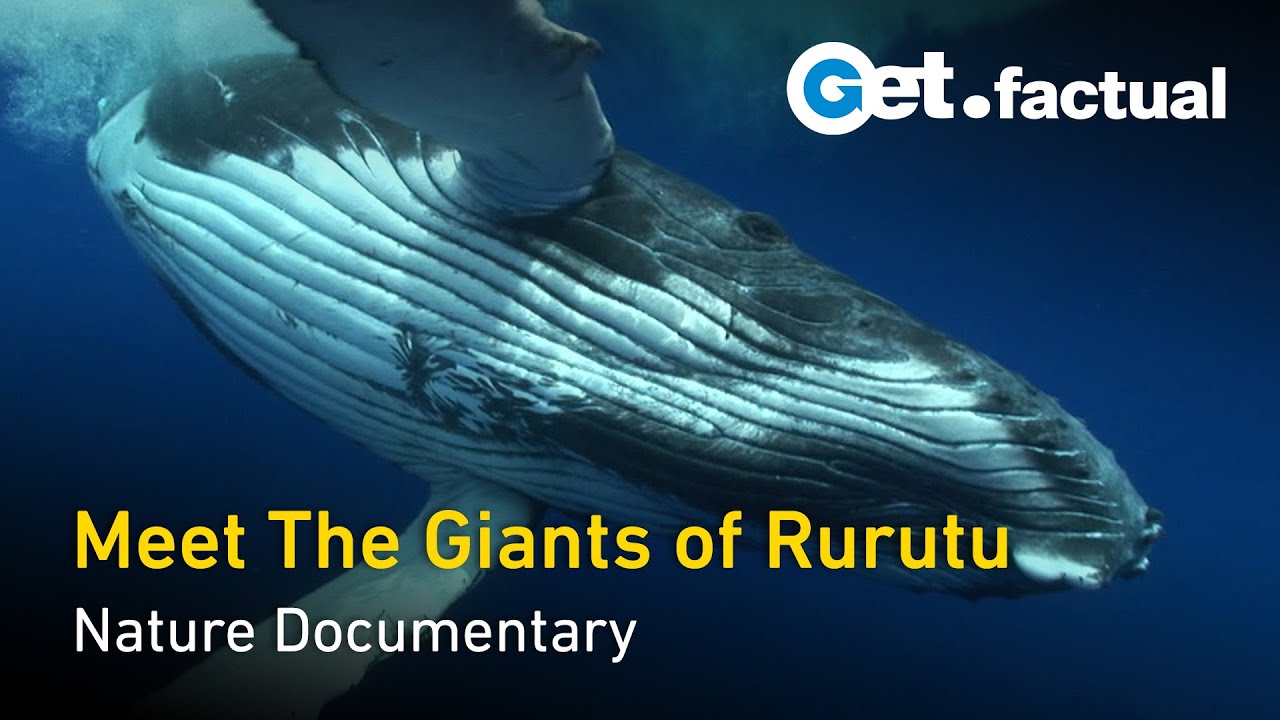
Humpback whales, weighing up to 36 tonnes and measuring 19 metres long, migrate 7,000 kilometres from Antarctica to the island of Rurutu each year.
Insects are vital to ecosystems, and their unique perspectives reveal significant insights into their environmental impact.
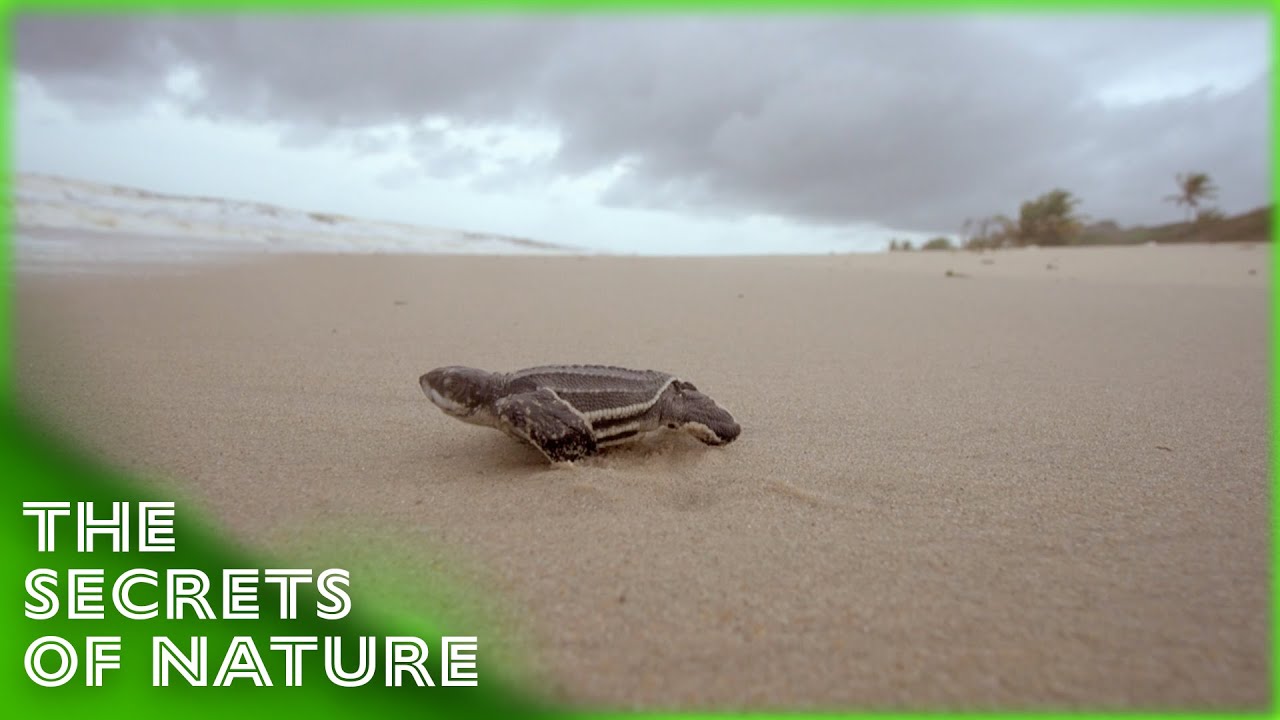
Leatherback turtles, once believed to be tropical, are shown by Canadian scientist Dr. Mike James to have a much broader range across the world's oceans.
On March 28, 2005, the first litter of Iberian lynxes was born in captivity, marking a significant step in efforts to prevent their extinction.
A team of 14 people carries enough food and supplies for several weeks while traveling 400 kilometers on rough dirt roads to reach the Essequibo's source.
More than 200 million years ago, the first crocodile appeared, inspiring legends and beliefs across various cultures, from worship to fear.