From over 100,000 films, discover the handful you'll love.
Free or premium access to the world's largest documentary library.
7951 films(Page 136 of 166)
A foot-long snake with two heads is discovered in a sunroom in Taylorsville, North Carolina, prompting questions about its survival and origins.
Estimates indicate there are 1 million homeless children throughout Russia, with 16,000 living on the streets of St Petersburg alone.
Madagascar, Borneo, and Hawaii are showcased from above, highlighting their unique ecosystems, diverse wildlife, and vulnerable human cultures.
Hyalite Canyon features a beach by a cool lake, popular for swimming, located just outside Bozeman, Montana.
Forty thousand eyes, noses, and mouths are attributed to a mythical bull in medieval folklore, paralleling themes in Lovecraft's cosmic horror.
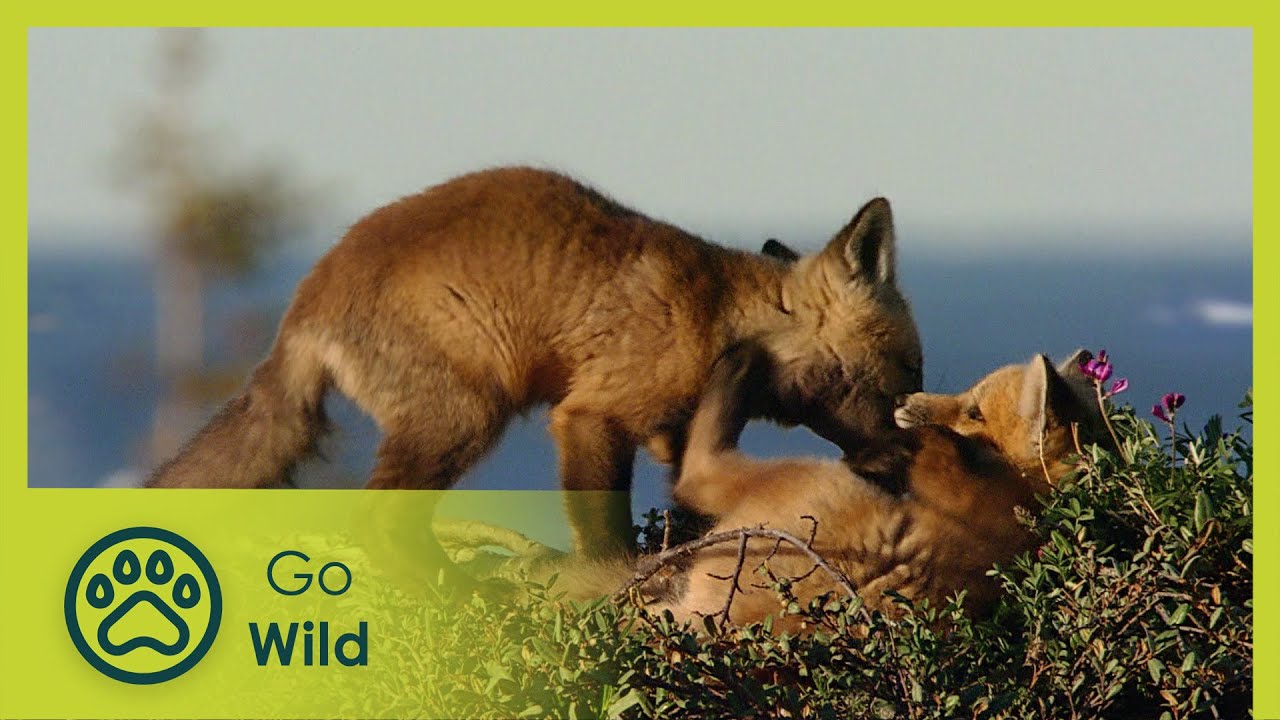
Hudson Bay's brief summer transforms the region into a vibrant ecosystem, supporting diverse wildlife and plant life in its untouched wilderness.
Over 70 percent of the world's coral species are found in Southeast Asia's Coral Triangle, where scientists study super corals that resist climate change.
Half of the coral population in the Southern Line Islands was lost during a 2015-16 warming event, but a 2021 return visit showed significant recovery.
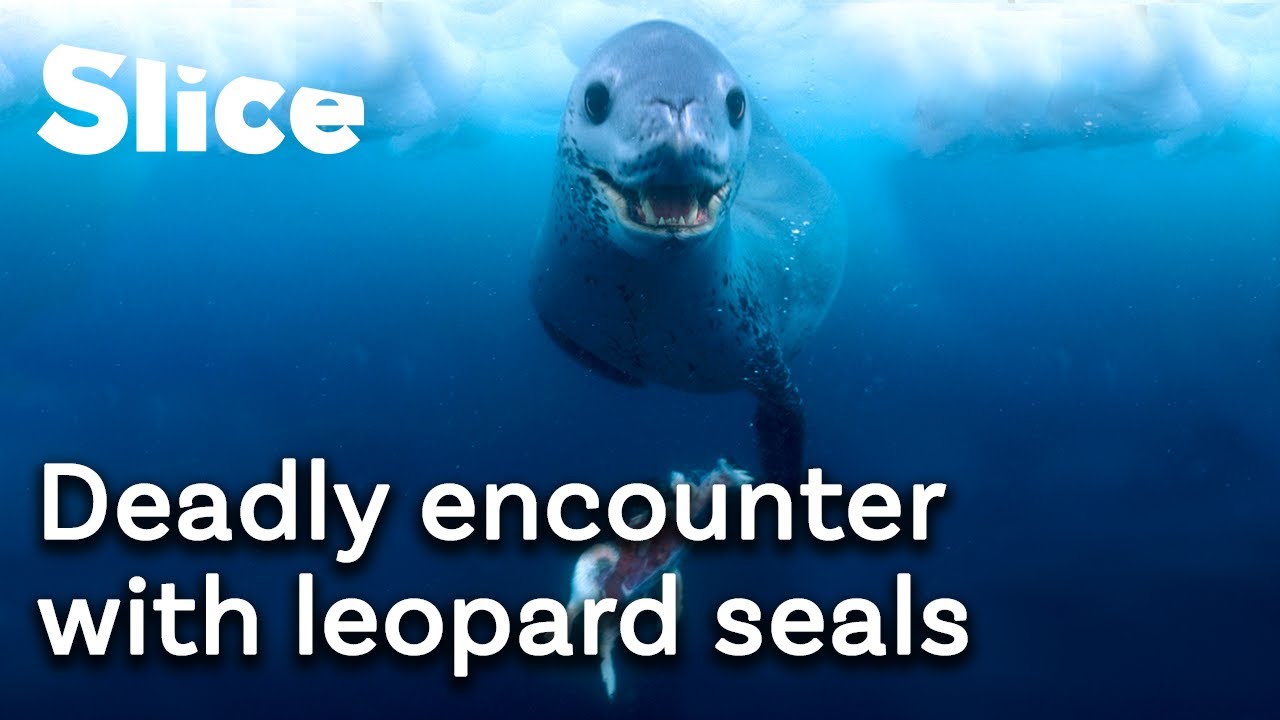
Antarctica, covering over 14 million square kilometers, is home to the leopard seal, a three-meter-long predator that weighs more than 500 kilos.
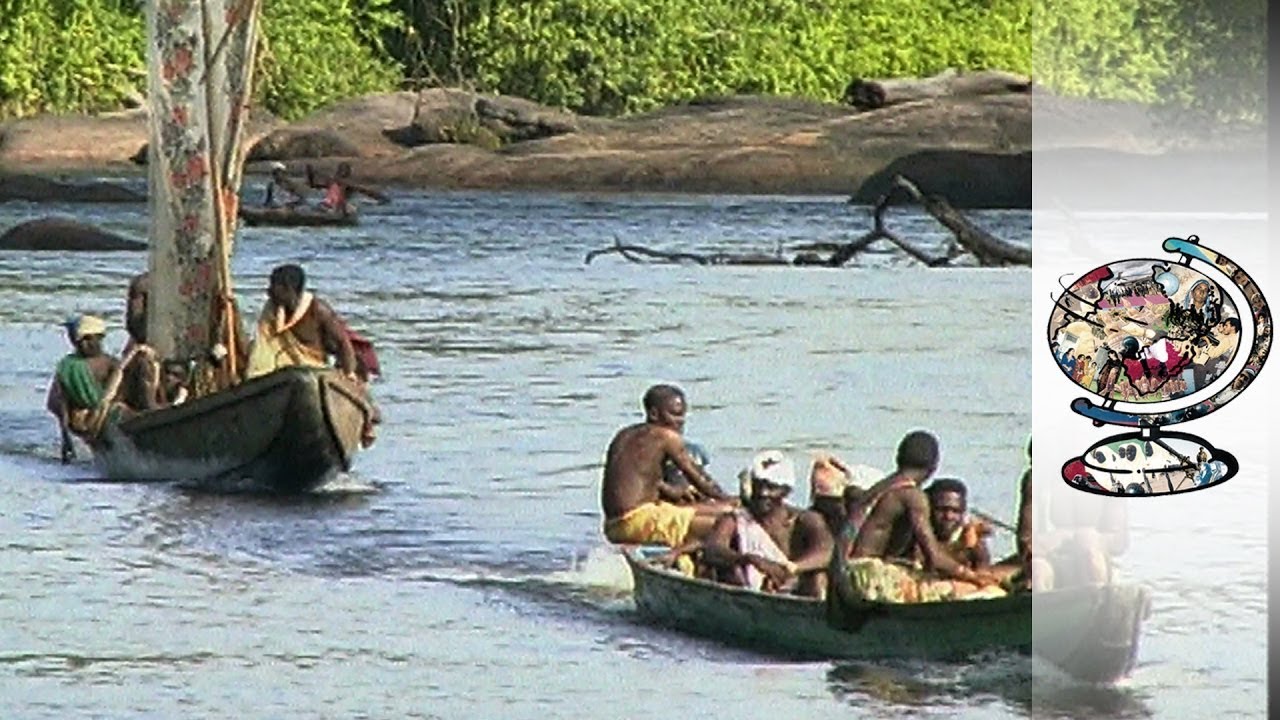
Three centuries ago, men, women, and children escaped from sugar plantations in Suriname to establish a free community deep in the jungle.
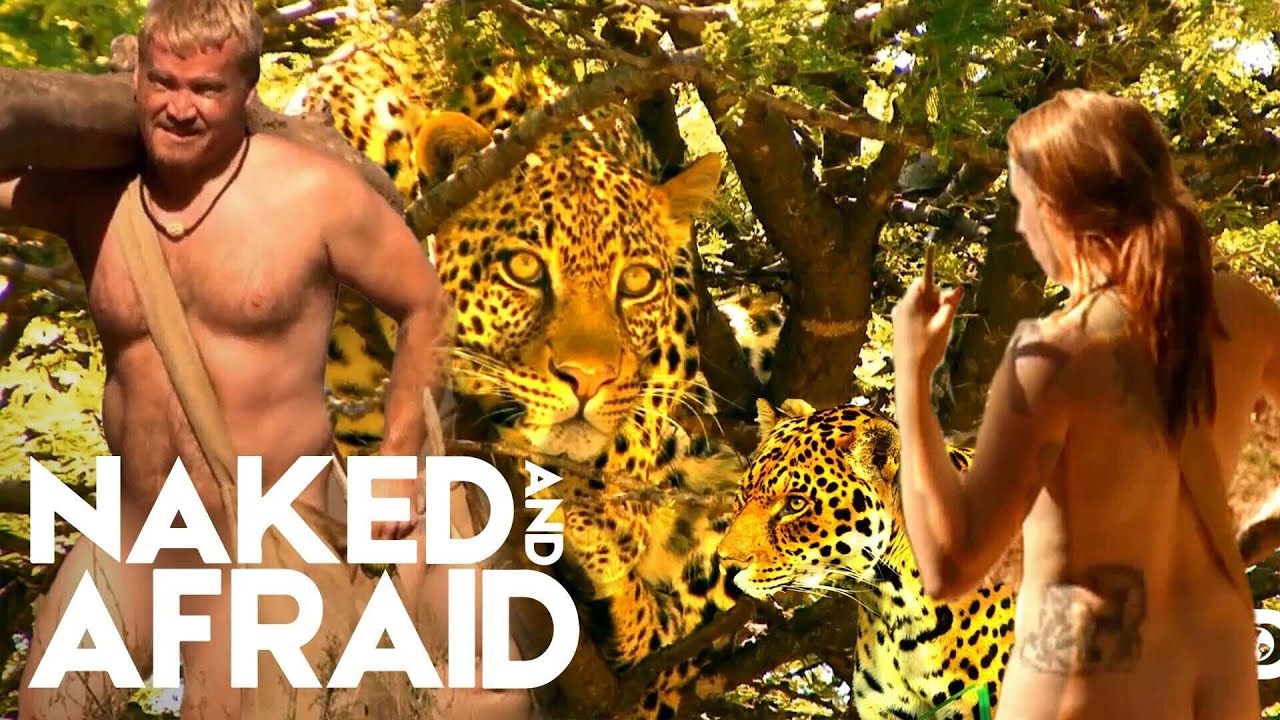
Two participants attempt to survive in the Luangwa Valley, home to the largest concentration of leopards in Africa, while facing various dangers.
A participant suffers from toxic resin exposure after cutting a katawa tree, requiring medical attention to neutralize the effects on his eyes.
I Kwan, a ten-year-old Mnong, hunts for snakes with his father, Ma Kwan, in the forest today.
A massive hippo moves near a fig tree as survivalists search for food and shelter in a harsh environment filled with wildlife dangers.
The fire ant, Solenopsis Invicta, ranks among the hundred most devastating invasive species.
Polar bears along Hudson Bay face survival challenges during summer months as melting ice limits their hunting grounds and food sources.
After 21 days in the Colombian jungle, Sunny lost 6 pounds and Steven lost 13 pounds while facing severe weather and dangerous wildlife.
Crocodiles have survived for over 230 million years, adapting through multiple extinction events and significant environmental changes.
In the savanna of Africa, host Brittany Bristow and ranger Bruce Hedges track a young elephant to reunite it with its herd among several large groups.
Four tons of microplastics flow daily from the Danube into the Black Sea, prompting chemistry professor Andreas Fath to swim the river's entire 2,700 kilometers.
Manny returns to the swamps of Florida in search of the giant alligator he encountered during his previous expedition.
In the deep marshes of Florida, wildlife expert Manny explores the underwater ecosystem and its diverse inhabitants, including alligators.
Over a thousand manatees gather in Crystal River during winter months, providing a unique opportunity for families to swim alongside these gentle giants.
Brian Skerry swam outside a shark cage for the first time in 1982, encountering a six-foot female blue shark off the coast of Rhode Island.
The Jura Mountains in Switzerland offer a diverse landscape, featuring the fruit orchards of Ajoie, the wild Doubs River, and the expansive Franches-Montagne area.
The Jura region in Swiss Romandy showcases its diverse landscapes, from the serene Vallée de Joux to the frigid winters of La Brévine in Canton Neuenburg.
Zanskar, a remote region in the Himalayas, features a perilous 120-kilometer trek along the Chaddar river, highlighting the resilience of its inhabitants.
Ten years have passed since Kye Petersen first skied in the Tantalus Range, a location known for its difficult access and dramatic weather changes.
Tasmania is the last refuge for ancient wildlife in Australia, including Tasmanian devils.
In Tasmania, early European colonists share exaggerated tales by the fire, reflecting their fears and the island's unique wildlife, including marsupials.
The Tasmanian Devil is a shy scavenger, not the fearsome predator it's believed to be.
The thylacine, also known as Tasmanian tiger, was last seen in 1930 and is now extinct.
Campi drives 15 passengers and a bullock over a 90-kilometer track to a mountain village for a funeral, facing treacherous road conditions.
In Chihuahua, Mexico, security footage captures a flock of birds crashing to the ground, featured in a series that includes bizarre phenomena like Bigfoot sightings.
In 2022, a massive tornado outbreak in Texas and Kansas devastates communities, impacting homes and schools while capturing the raw power of nature on film.
In Bora Bora, Teuira seeks to restore harmony between humans and sharks by capturing a shark with a lasso and communicating with the Spirits.
In the Northwoods of Minnesota, three black bear cubs face the challenges of survival in their first weeks of life amidst various natural threats.
Earth and the Sun navigate the Milky Way together, showcasing their intricate relationship and the cosmic forces that shape their existence.
During the Carboniferous Period, approximately 315 million years ago, insects and other arthropods thrived in enormous sizes, vastly outnumbering early terrestrial life.
Reptiles evolved during the Mesozoic era, showcasing their transformation from modest creatures to some of the largest life forms on Earth.
In Florida's waters, the Alligator Snapping Turtle poses a hidden threat with its powerful bite and unique hunting techniques.
Rhett McLaughlin and Link Neal create a commercial for a car wash in North Hollywood themed after U.S. presidents, aiming to capture local charm.
Animal packs across various species demonstrate resilience and adaptability through cooperative behaviors essential for survival, protection, and hunting techniques.
Evgenia Arbugaeva reflects on her childhood in Tiksi, a Siberian village that became a ghost town after the Soviet collapse, exploring the Arctic's hidden beauty.
Spiders and their ancestors have driven an evolutionary arms race that led to the development of powered flight in insects long before they inhabited land.
In the Amazon rainforest, the use of the toxic plant Strychnos toxifera by indigenous tribes highlights its role in traditional hunting practices and its potential medicinal properties.
Black Bears in Yellowstone National Park are displaying cannibalistic behavior, a significant shift in their natural interactions.
Giant beavers, which lived both on land and in water, lacked the dam-building abilities of their modern counterparts, highlighting significant evolutionary differences.