From over 100,000 films, discover the handful you'll love.
Free or premium access to the world's largest documentary library.
7944 films(Page 15 of 166)
Antarctica's prehistoric past reveals a lush, forested continent during the early Jurassic period, home to unique dinosaurs like Cryolophosaurus and Glacialisaurus.
Great Smoky Mountains National Park, straddling Tennessee and North Carolina, is known for its diverse ecosystems and rich wildlife.
The Nordland Railway traverses 729 kilometers from Trondheim to Bodø, crossing the Arctic Circle and showcasing Norway's remote, snow-covered landscapes.
Newfoundland's dramatic coastline, home to the Puffin & Petrel Patrol led by biologist Sabrina Wilhelm, plays a crucial role in seabird conservation and Titanic history.
A 2,000-pound Great White Shark named Bruce challenges misconceptions about his species as scientists interact with him and conduct a groundbreaking experiment.
Analaz lives in the cloud forest at an altitude of 1,400 meters, where he has formed a bond with hundreds of birds he has tamed.
Gardens serve as vibrant habitats for a myriad of unseen creatures, providing essential refuge for wildlife in an ever-changing environment.
A bee colony's life over a year is explored, highlighting their social structure, labor division, nectar collection, and defense against threats.
A 3-year-old tigress in Madhya Pradesh has lost two sisters to poachers and faces ongoing threats in her struggle for survival.
In Rajasthan, the Marwari horse population declined to just 500 specimens due to British colonial policies aimed at eradicating the breed.
The Congo River, a vital habitat for diverse wildlife, supports species such as the shoebill stork, metre-long pythons, and massive hippos.
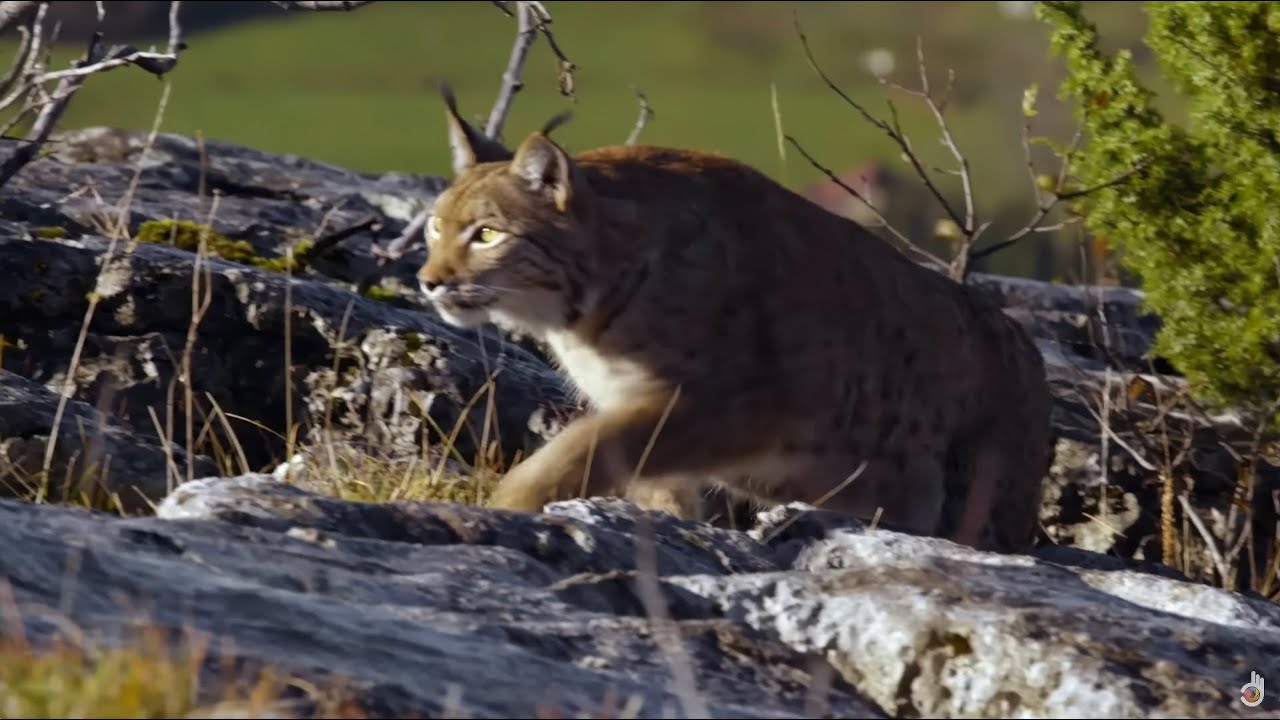
A wall of mountains 300 km long rises at the border with Switzerland, home to diverse wildlife and the efforts of conservationists like Stefan Regazzoni.
A sperm whale can dive to depths of 600 meters, relying on echolocation to navigate the dark abyss and hunt for prey.
More than 80 percent of the global population lives with light pollution that disrupts natural ecosystems and threatens various species' survival.
The series 'Elephants Up Close' presents insights into Africa's gentle giants and their behaviors.
A leopardess carries the remains of a young eland through the gallery forest of the Serengeti to provide for her five-month-old cub.
The Wupper River in Germany, once heavily polluted by industrialization, has undergone significant renaturation efforts, resulting in a thriving ecosystem and revitalized wildlife.
A snowy owl mother must abandon one of her chicks due to a shortage of lemmings on Wrangel Island.
A 24-foot tiger shark, one of the largest predatory fish, is a key focus for divers in the Atlantic Ocean near the Bahamas.
In Grand Canyon National Park, various animal species demonstrate interdependence and adaptability in their survival strategies amid a challenging environment.
Two hours of foot travel through harsh Alaskan winters separates Alex Javor's A-frame cabin from his main hunting grounds.
Gustav Weindorfer's expedition to Cradle Mountain highlights Tasmania's unique landscapes and its largely unknown wilderness that attracts adventurers and scientists.
In the Adirondack State Park, passionate characters share their distinct perspectives on the region's complex balance between progress and preservation.
In the depths of the ocean, two OceanX submersibles monitor the nightly migration of bluntnose sixgill sharks, featuring insights from scientists and journalists.
Between 1914 and 1918, the British Army requisitioned over a million horses for military service during World War I.
A nearly 2,500-mile migration of pregnant scalloped hammerhead sharks is linked to the phases of the moon, potentially changing shark conservation efforts.
Bugis families on Sulawesi Island maintain a sacred bond with varanuses, intertwining their lives and legends with these large lizards.
In rural areas, young boys have survived terrifying wolf attacks while sleeping, underscoring the dangers posed by wild predators.
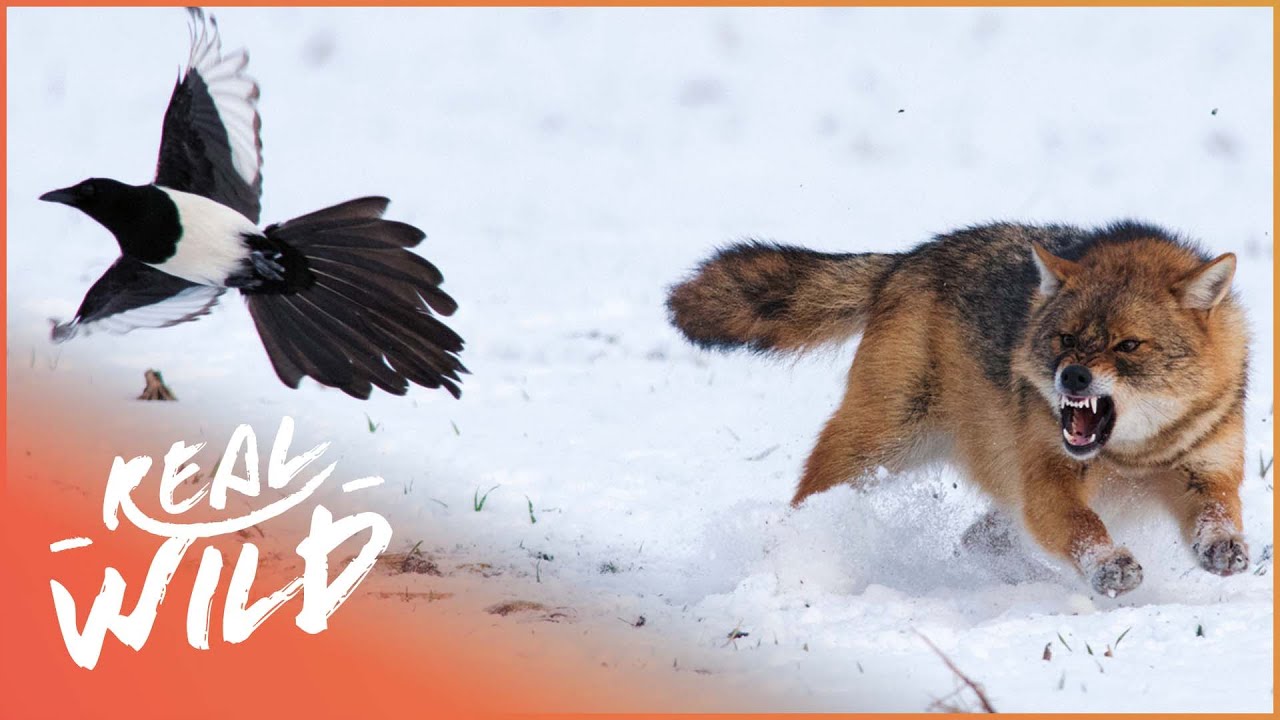
Remarkable instances of animals evading predators illustrate the extraordinary survival tactics employed in the natural world.
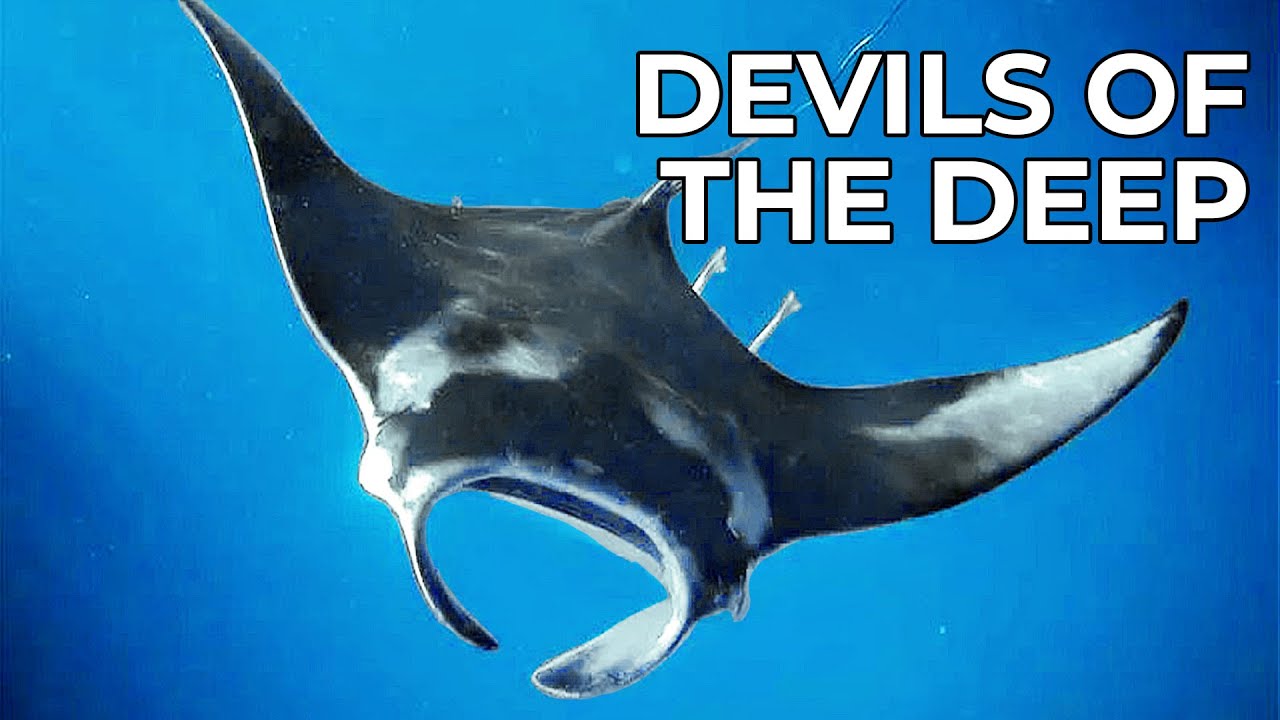
Manta rays, known for their intelligence and complex behaviors, are studied by Dr. Kathy Townsend and her PROJECT MANTA team across locations like Mexico and Australia’s Great Barrier Reef.
The Anavilhanas and Mariua archipelagos along the Rio Negro host over 1,000 river islands that are home to a diverse array of unique wildlife.
In Forillon National Park of Gaspésie, Quebec, a mother black bear and her two cubs navigate the challenges of survival over three years.
The Wajãpis in Brazil's Amazon preserve their identity through ancient traditions.
Anilao's diving industry has transformed the local economy, providing jobs and keeping families together as they engage with the region's rich marine life.
This episode presents the natural beauty of the Curonian Spit and Latvian Baltic Sea.
Germany's rivers, streams, and lakes host a vibrant aquatic ecosystem, featuring bizarre moss animals, exotic jellyfish, and the formidable Wels catfish.
300 dolphins are spotted off the coast of São Tomé, where local conservationists work to protect the islands' unique marine life and ecosystems.
Elephant cows are only fertile every four to six years, creating significant challenges for male elephants seeking to mate on the savannah.
In the Serengeti, a leopardess navigates the challenges of motherhood while raising her son and two new female cubs destined to inherit her territory.
Guyana, wedged between Suriname and Venezuela, reveals its dangerous and beautiful wilderness.
Wolves, reintroduced to Yellowstone in 1995 after a 70-year absence, have restored ecological balance by controlling elk populations and revitalizing vegetation.
In Singapore's rainforests, the Raffles' banded langur, one of the world's least-known primates, coexists with diverse species like ambush hunting scorpions and mouse-deer.
In the 1950s, David Attenborough's early career in natural history is highlighted through archival footage from the BBC series Zoo Quest.
Animals on the African plains face constant threats and live seconds from disaster.
In diverse habitats from Australia to Borneo, species like Bat-eared Foxes and Proboscis Monkeys demonstrate their remarkable auditory abilities.
Great white sharks, often seen as aggressive, may exhibit calmer behavior when disturbances in their environment are minimized, according to zoologist Mauricio Hoyos.
The Marianas Trench is the deepest place on earth, deeper than Mt. Everest is high.
Volcanoes have shaped life on Earth for four billion years, destroying empires and civilizations.