From over 100,000 films, discover the handful you'll love.
Free or premium access to the world's largest documentary library.
7943 films(Page 16 of 166)
The Boreal forest spans almost 5.5 million square miles across the northern hemisphere and stores approximately 703 gigatons of carbon in its biomass.
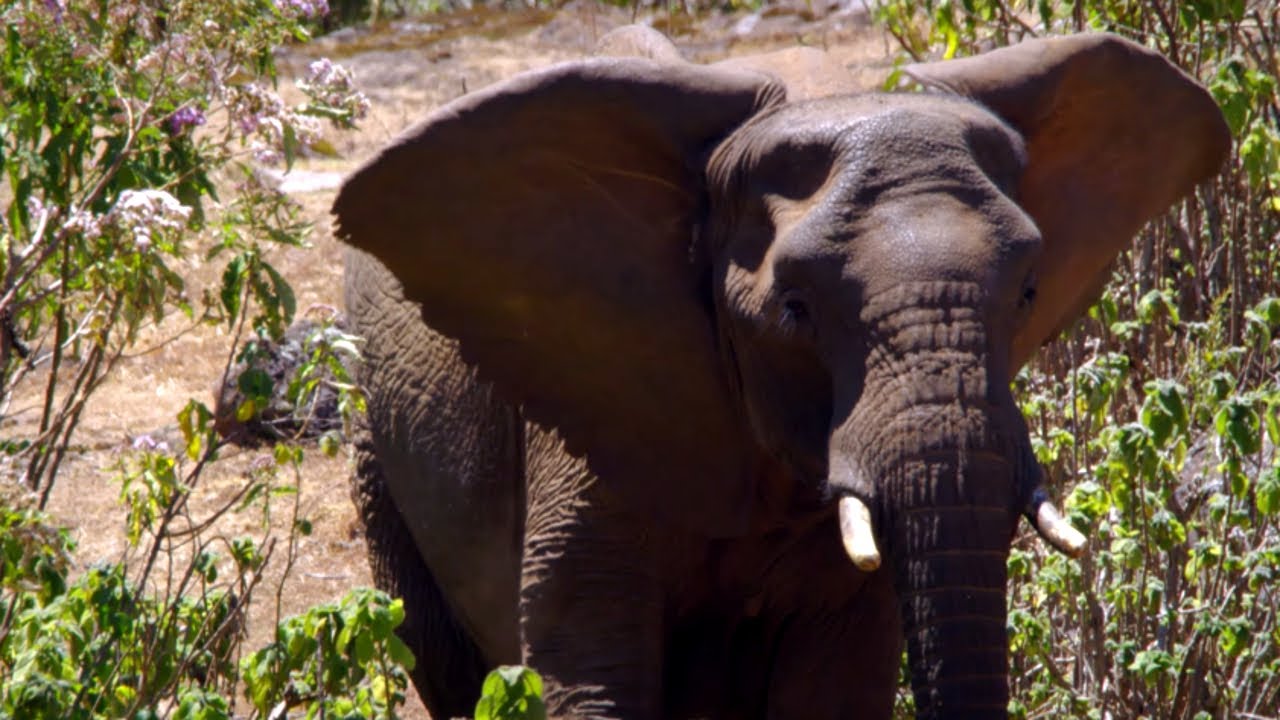
In May 2016, researcher Ian Redmond is injured by an elephant named Carly while studying a unique population of cave elephants in Mount Elgon, Kenya.
Over 120 breathtaking natural wonders, including towering mountains, vast deserts, and crystal lakes, are showcased in stunning detail across the globe.
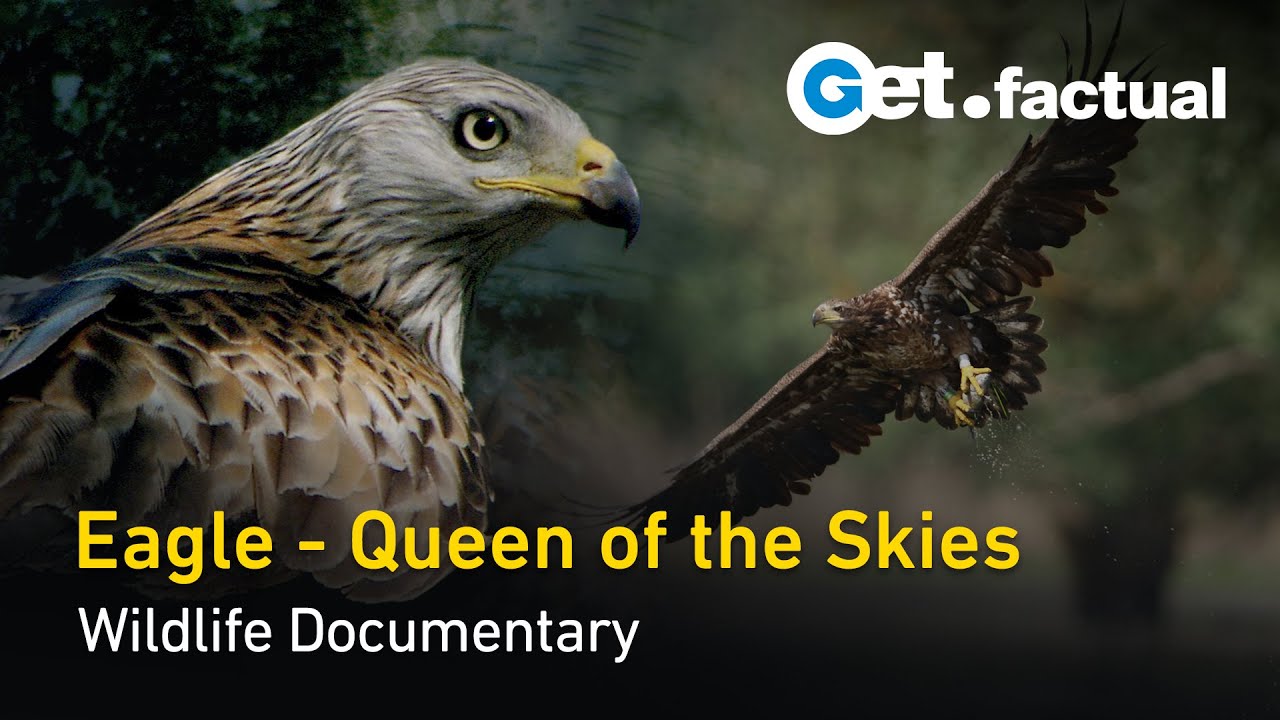
Eagles battle fiercely for survival and work hard to raise their young in this wildlife documentary.
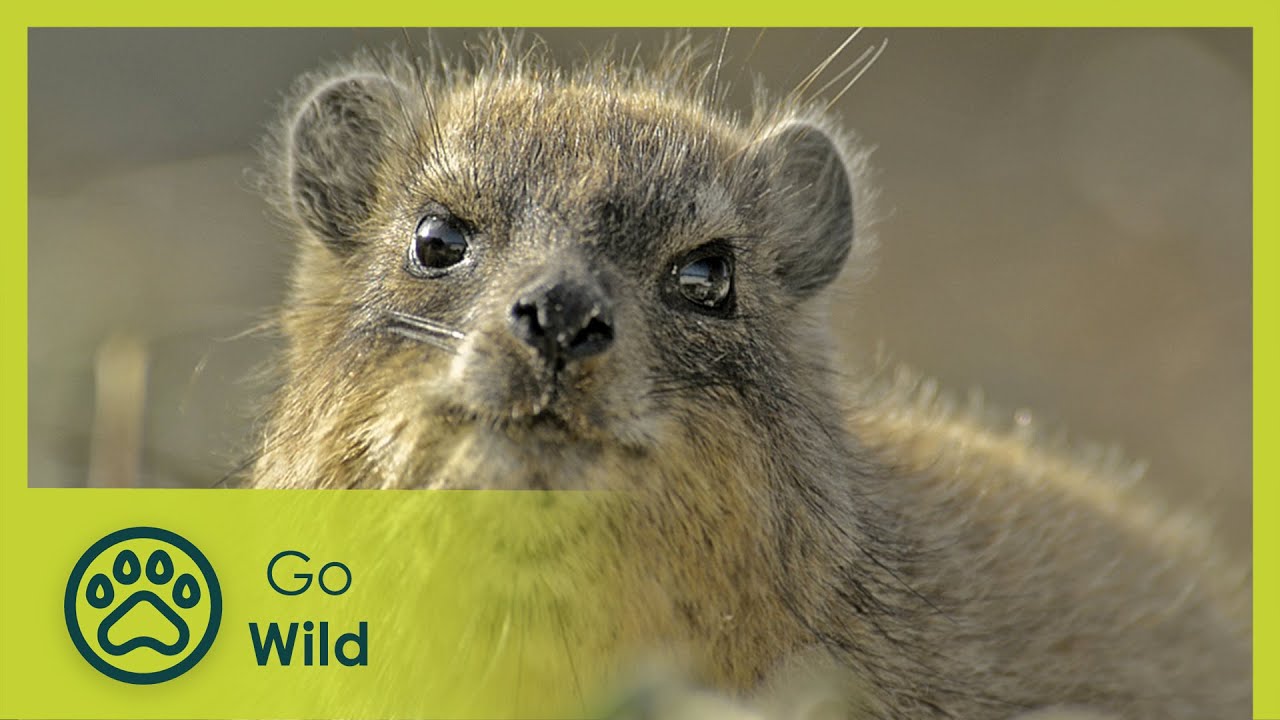
Rock hyraxes, or dassies, thrive along the South African coastline, showcasing their unique behaviors, social structures, and adaptations to their rocky habitat.
Elephants exhibit remarkable intelligence and emotional depth, as highlighted by research from the African Wildlife Foundation on their adaptive behaviors in changing environments.
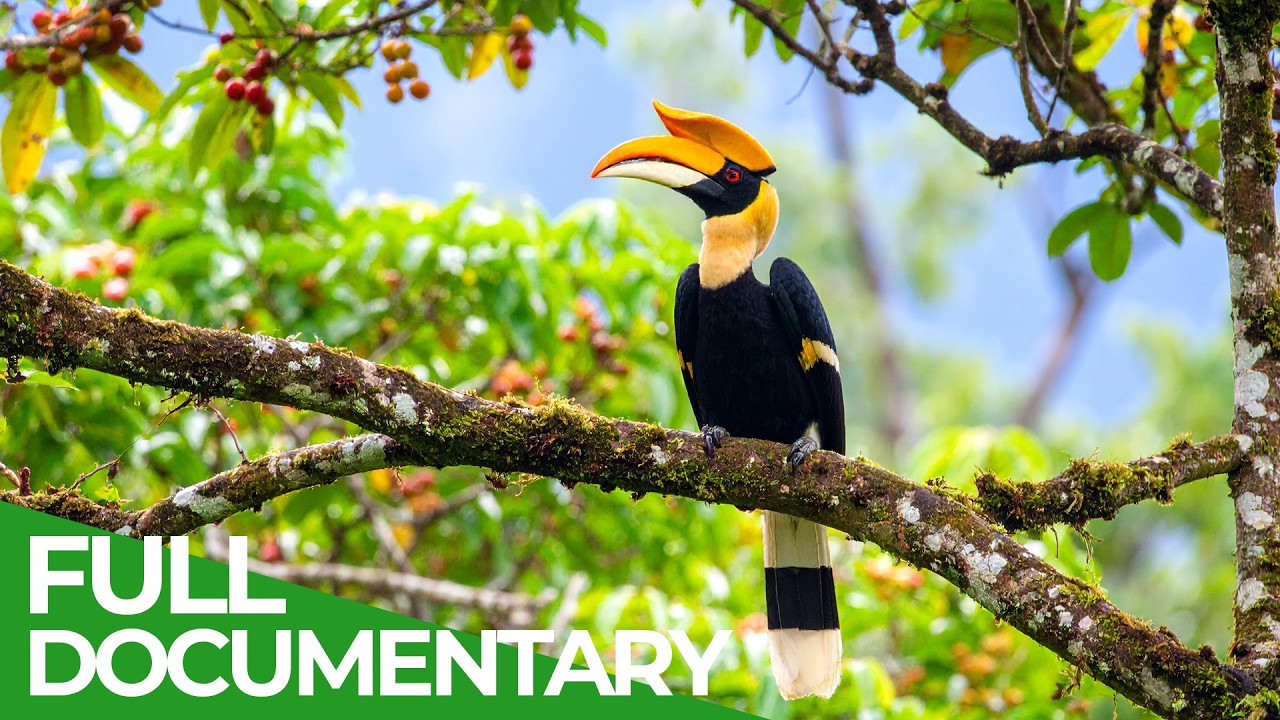
Borneo, the oldest tropical rainforest on Earth, showcases unique ecosystems where carnivorous plants, male orangutans, and pied hornbills compete for survival.
In the coastal region of Brittany, France, harbor and grey seals exhibit playful behavior and fierce mating rituals on the islands that serve as their breeding grounds.
The expedition team must travel 100 miles by boat to reach Masakenari village, facing treacherous conditions and the threat of fever among members.
A young white-tailed eagle searches for food in the frozen Puszta as wildlife and humans share Hungary's rivers and plains.
1,400 sheep are driven over 3,000 meters of elevation gain from South Tyrol to Austria, crossing glaciers and rivers along the way.
Seven residents in Port Protection, Alaska, gather firewood and hunt for food as they prepare for the impending winter months.
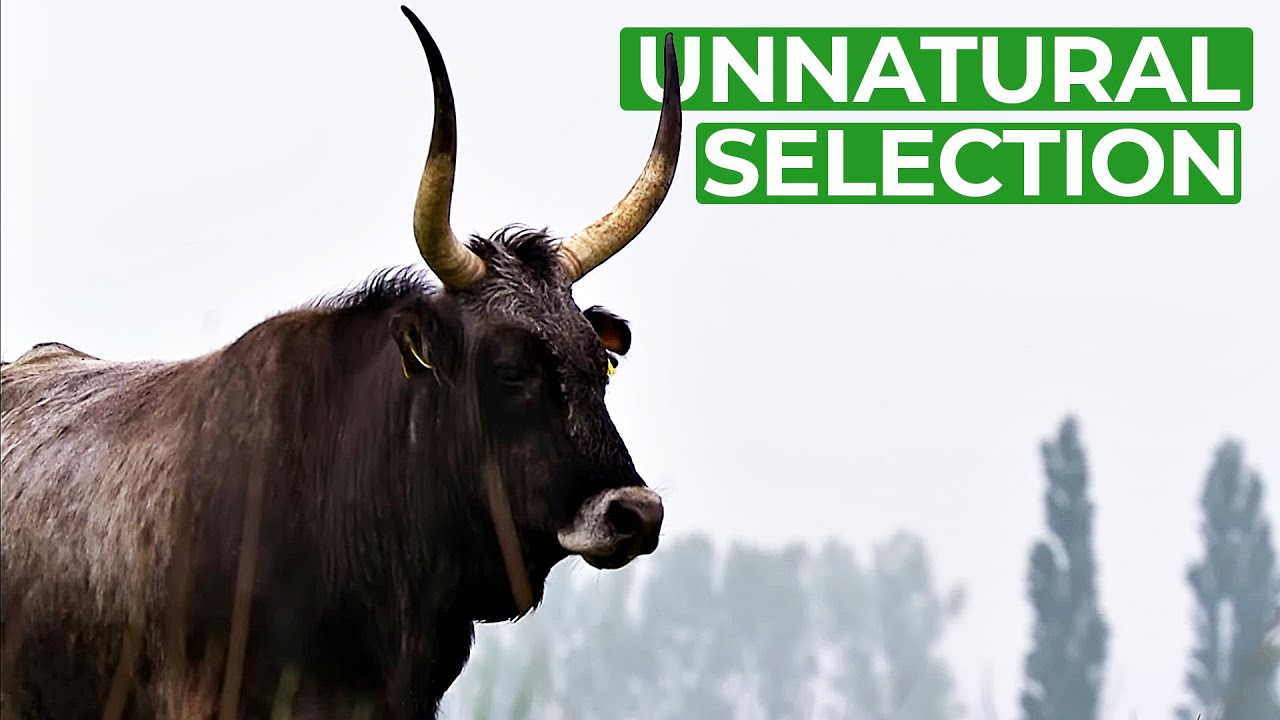
Human activities are reshaping evolution, as seen in shorter cliff swallow wings in Nebraska and larger female turtles in Chesapeake Bay.
Europe's ancient past is explored, from the reign of dinosaurs during the Carboniferous period to the emergence of Homo Heidelbergensis around 600,000 years ago.
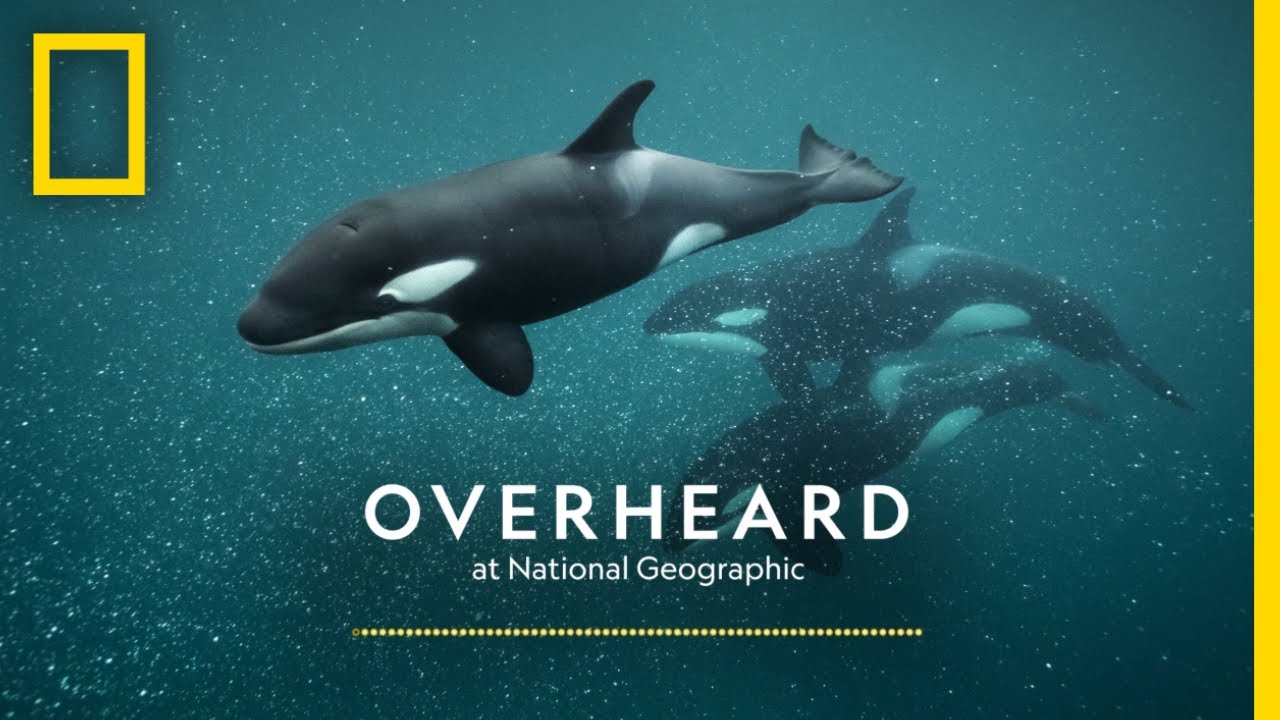
Orcas exhibit unique family structures and behaviors that are passed down through generations, as documented by photographer Brian Skerry.
Indochina, encompassing Laos, Vietnam, and Cambodia, is home to the Mekong River and one of the world's most biodiverse ecosystems shaped by monsoon forces.
In eastern Slovakia, the Carpathian Mountains host a diverse range of wildlife, including brown bears, wolves, lynx, and rare species like the Blue slug and Tatra chamois.
Bespoke cameras fitted to wildlife by Gordon Buchanan and conservationists provide new insights into animal behavior and habitats, enhancing scientific understanding.
More than 1 million people died in earthquakes over the last century, with predictions suggesting that number could increase tenfold in the next century.
In the depths of the ocean, whales adapt their feeding techniques while crabs battle eels and sharks feast on various sea creatures.
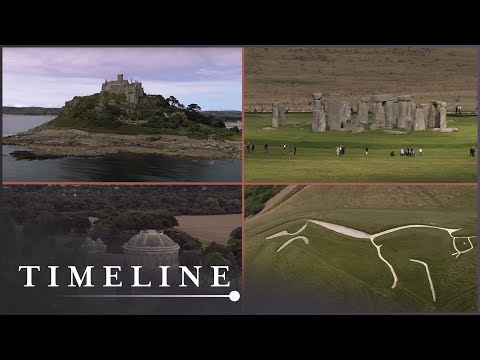
Each year, the National Trust's open spaces are visited over 100 million times, reflecting its role in preserving Britain's natural and historic landscapes.
Sir David Attenborough narrates a two-hour compilation of wildlife moments, featuring crabs evading predators and stallions competing for dominance.
Three million Cambodians depend on the Tonle Sap lake, which floods and droughts shape their daily lives and cultural practices.
An African elephant can weigh up to 6,000 kilograms and stand 4 meters tall, making it the largest land animal on Earth.
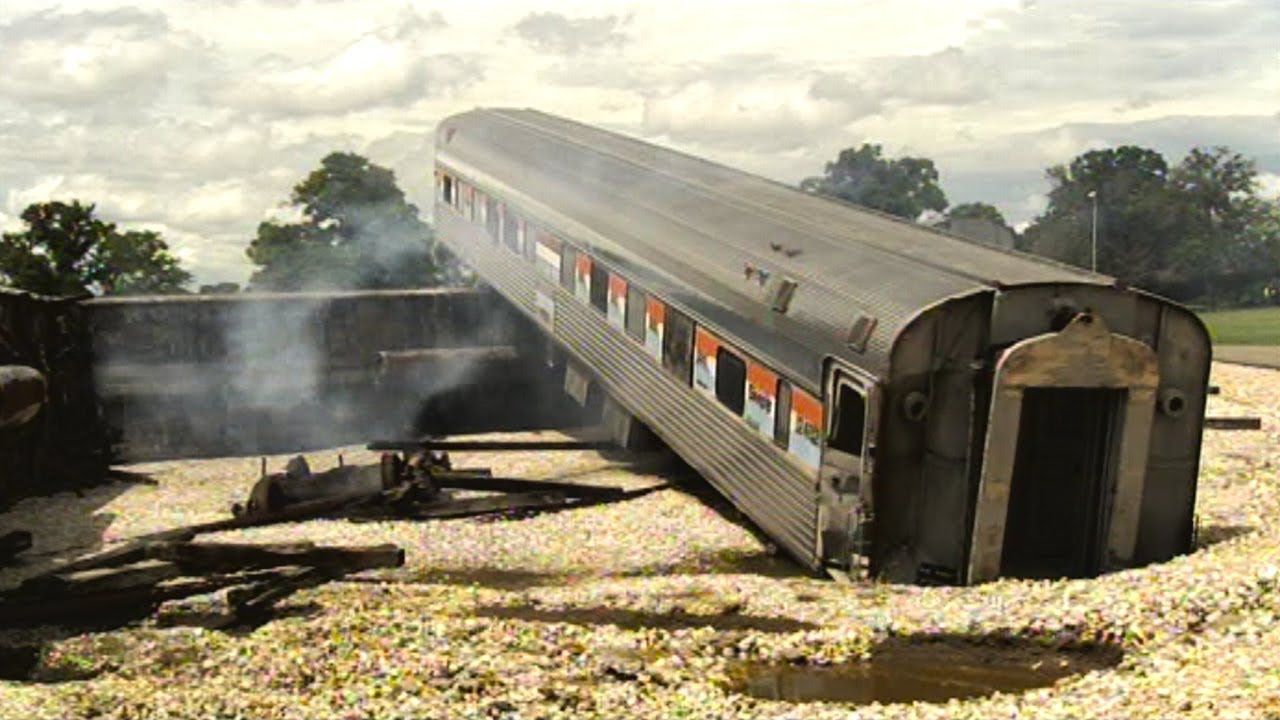
Blizzards are deadly disasters that pose significant risks with ice and freezing temperatures.
Australia's Great Dividing Range hosts diverse ecosystems and unique wildlife, including koalas, lyrebirds, and the rare corroboree frog.
Autumnal landscapes and wildlife are showcased through a curated selection of moments from the extensive BBC Earth archives.
A four-dog team pulls a freight sled on an overnight trip to Little Donna Lake, testing equipment and training for upcoming expeditions.
In the wild, determined animal mothers engage in intense moments of hunting and rescuing their young, narrated by Sir David Attenborough for BBC Earth.
On Costa Rica's Pacific coast, the interaction between sea turtles and jaguars highlights the ecological dynamics of their unique volcanic and tropical habitats.
A bison can shovel five tons of snow a day to reach withered grass buried beneath a meter of snow during harsh winter conditions.
The Tatra Mountains, home to one of Europe's oldest forests, provide a unique habitat that attracts a high population of bears and other large predators.
Whales, having evolved from land mammals over 50 million years ago, exhibit complex communication and hunting techniques, as explored by oceanographer François Sarano.
In California and Guadalupe Island, shark scientists conduct research to estimate the population of Great White sharks in a newly identified hot spot.
In the Essequibo River region of Guyana, Rainer and Sandy explore the rainforest in search of the Harpy Eagle, a formidable predator with impressive claws and beak.
The flightless Kiwi bird, native to New Zealand, has evolved unique traits that enable its survival in dark, isolated environments.
More than 10,000 people gather annually in Costa Rica for a week-long hippie festival focused on eco-conscious living and community sharing.
In Canada's badlands, renowned paleontologist Dr. Philip J. Curry leads teams of experts as they excavate dinosaur fossils and investigate ancient mass extinctions.
Port Jackson sharks migrate to a secluded bay in Australia each year to mate and lay uniquely spiraled eggs, which they sometimes consume for nutrients.
More than 40 species of small felines, known as Felinae, are found worldwide, yet many remain elusive and rarely seen by researchers.
Approximately half a million raccoons now inhabit Germany, originating from fur farms in the early 20th century, with studies by biologists Frank Uwe Michler and Berit Köhnemann examining their impact on native species.
Thomas Behrend captures the life of western lowland gorillas in Dzanga-Sangha National Park.
Four of the world's eight species of marine turtles lay their eggs at Shell Beach, which attracts up to a thousand turtles each year from April to September.
Cheetahs, hyenas, and hawks showcase their incredible speed and evolutionary adaptations in the Serengeti, where survival hinges on rapid movement.
Animals fight for many reasons, each have their own rules and weapons in combat.
In the Essequibo River of Guyana, Rainer and Sandy search for the elusive Black Caiman, the largest predator in the South American rainforest.
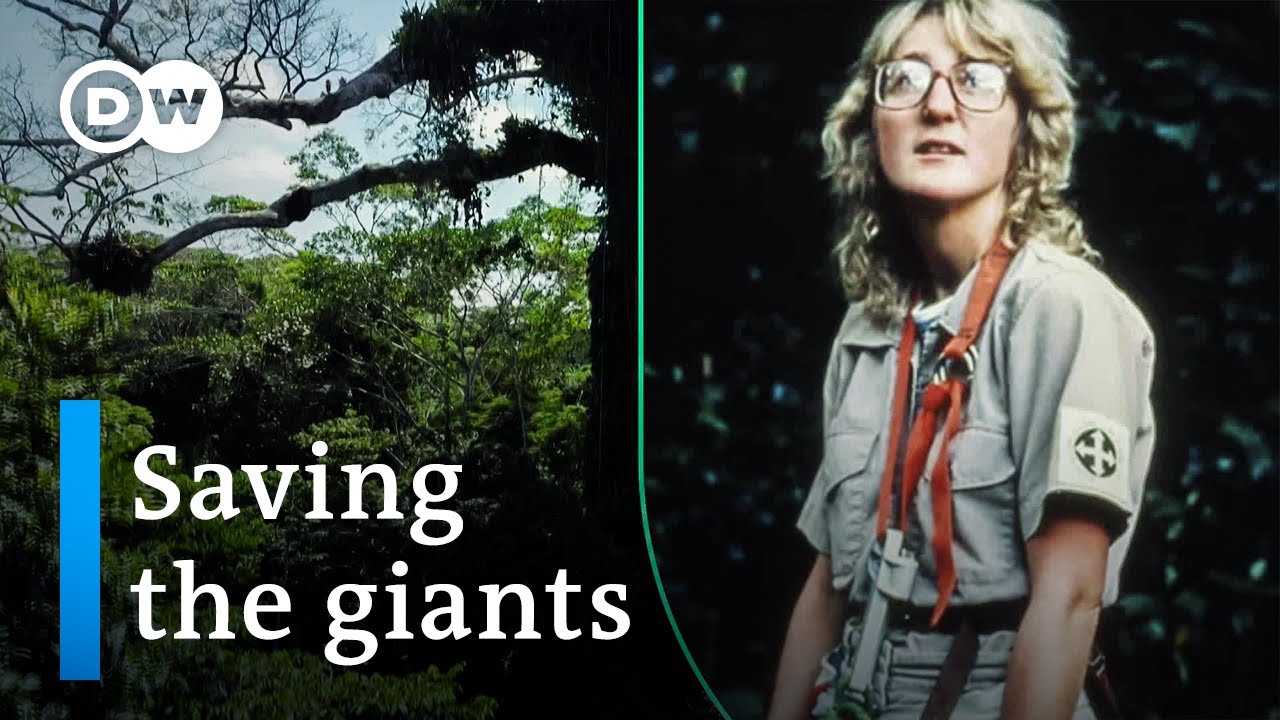
Over 400-year-old kapok trees are among the giants threatened by deforestation and climate change in the Amazon rainforest.
In the animal kingdom, species like the inland taipan, blue-ringed octopus, and box jellyfish utilize potent toxins as lethal survival mechanisms.