From over 100,000 films, discover the handful you'll love.
Free or premium access to the world's largest documentary library.
7945 films(Page 104 of 166)
Female chital give birth every six months, contributing to a thriving population that interacts with langurs in the diverse ecosystems of Kanha National Park.
Some Grey Seals turn cannibal after mating season, hunting young seals for food.
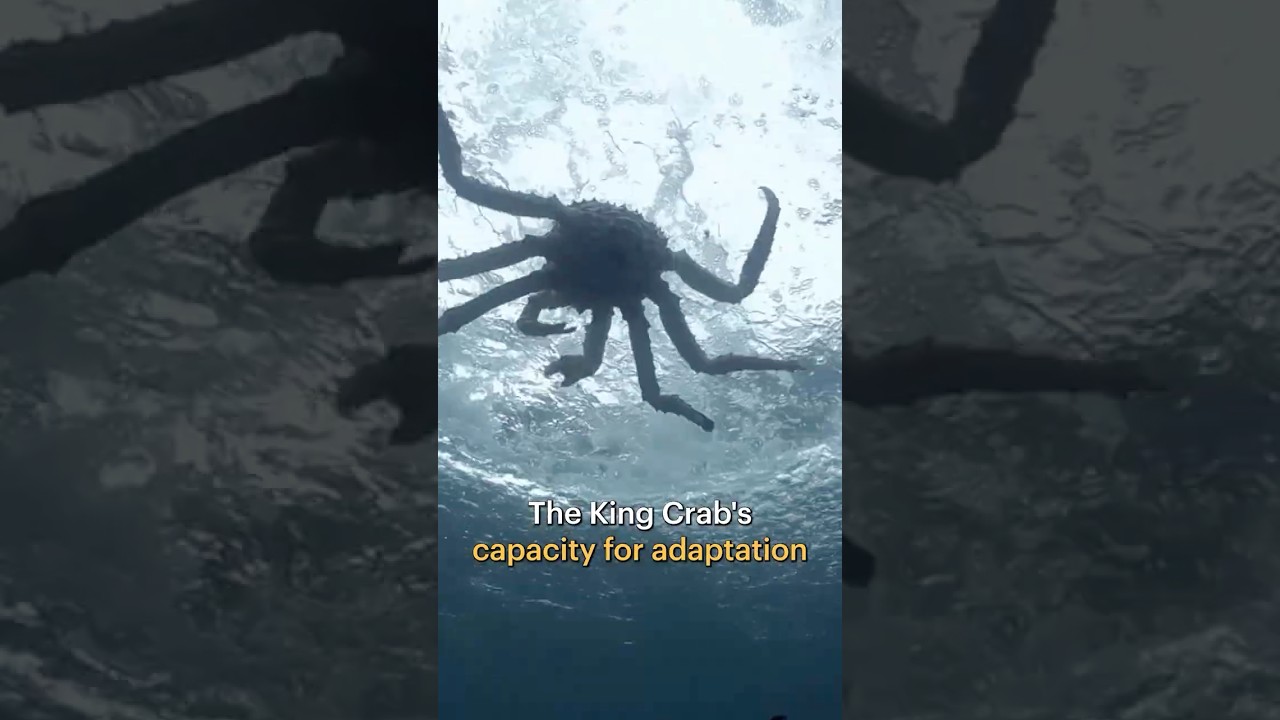
King crabs are expanding into the Atlantic as they adapt to warming ocean temperatures.
A naked survivor humorously kisses every fish he catches in a wild setting, prompting disbelief and laughter from viewers on social media platforms.
The Komodo dragon, the largest lizard, relies on smell to hunt and measures up to 3 meters long.
The Komodo dragon uses its strongest sensory organ to detect prey from miles away.
A leopard confronts individuals in a survival scenario, raising questions about their nudity and the dangers of such encounters in the wild.
A leopard seal offers her catch to a diver, showcasing very fascinating animal behavior.
A guinea fowl goes about its day, unaware of the lurking leopard in Africa's Predator Zones.
Bob, the cartoon editor of The New Yorker, shares lunch tips and cartoon insights in this episode.
This Spanish video highlights the diverse life in Cuba's beautiful mangrove forest.
Rome, the capital of an immense empire, had a population of one million inhabitants who enjoyed a diverse range of goods from their provinces.
The North Island brown kiwi is a unique bird featured at the Smithsonian's National Zoo.
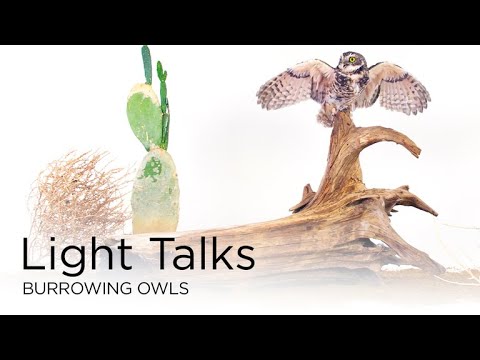
Burrowing owls, known for their long legs and terrestrial hunting skills, are highlighted at the Smithsonian's National Zoo, showcasing their ecological role and conservation efforts.
The Micronesian kingfisher is extinct in the wild but thrives at the Smithsonian's National Zoo.
The scarlet ibis, known for its vibrant color and unique features, is highlighted by experts at the Smithsonian's National Zoo as part of conservation efforts.
Bruce Campbell's transformation after starring in the Evil Dead movies prompts a humorous exploration of the practicality and creativity of living in an airplane.
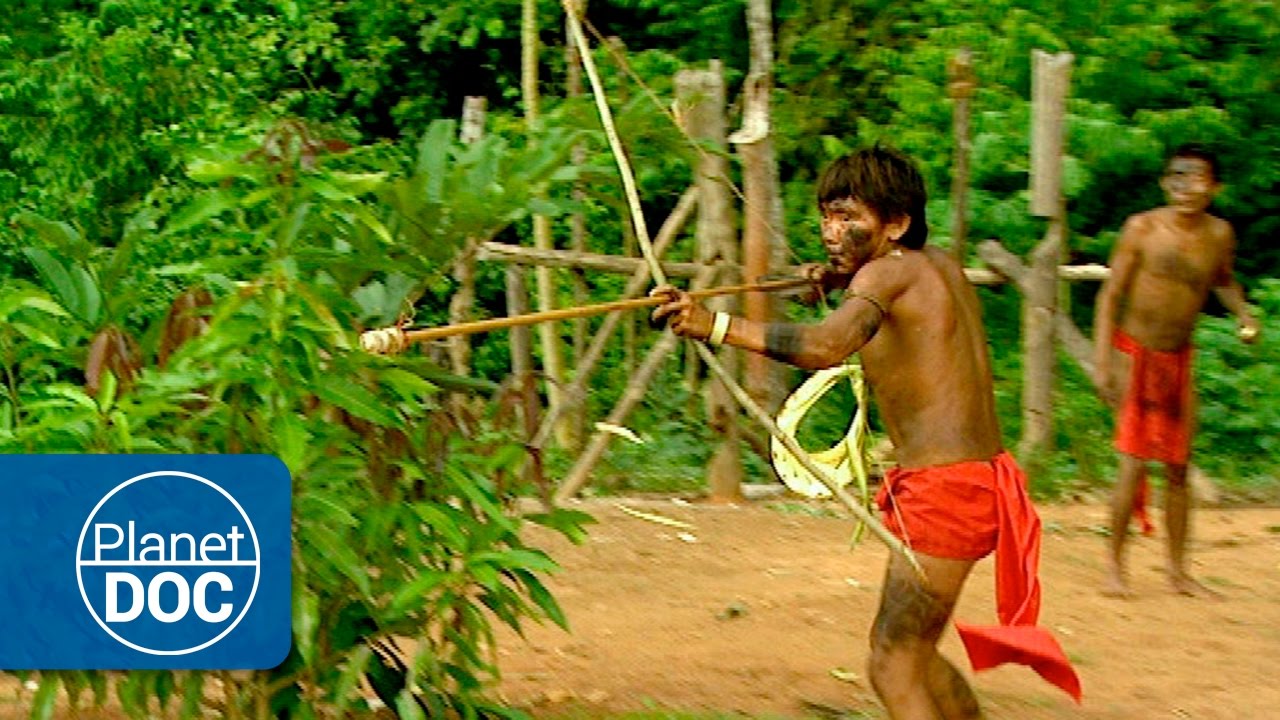
The Sanema, a nomadic tribe, balance hunting with farming in their daily lives.
Half of the 135 chameleon species in the world live in Madagascar, where they use their prehensile tails to climb trees and hunt effectively.
Lorenz the Runner Duck loves dog food and shares a unique bond with Helios the labrador.
A young lion lost in unfamiliar territory calls for his brother in this touching episode.
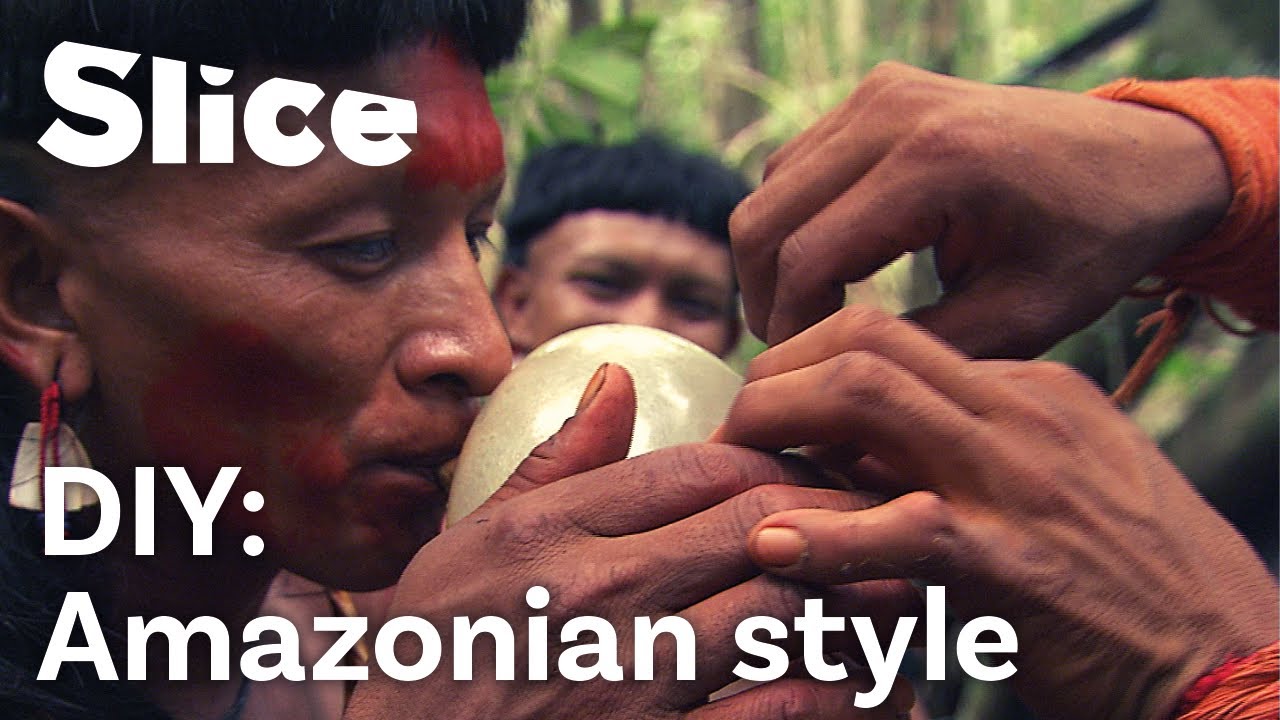
Indigenous men in Mato Grosso, Brazil, make a latex ball, promoting Zero Waste practices.
Samuel Safa's orchestral score for the documentary captures the essence of the ocean and its inhabitants through a meticulous studio recording process.
Dan Lepard shows how to make stout bread knots using The Observer's recipe.
Five gallons of strawberries and a dozen bananas are combined in six barrels to create a new batch of strawberry-banana moonshine.
A Mako shark can win a fight against a great white by using its speed and a special move to cripple its opponent.
Dr. Riley Elliot faces a massive female shark while male sharks compete for her attention.
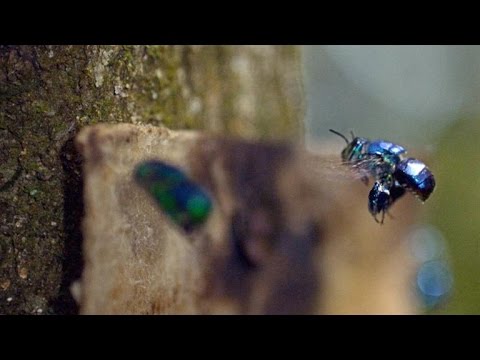
Male orchid bees create unique perfumes to attract females as mating begins with scent.
Male peacocks gather during mating season to compete in a glamor Olympics for mates.
Kevin Richardson's bond with Vieyatsi, a lion he raised, illustrates the complexities of trust and respect in human-animal interactions within wildlife care.
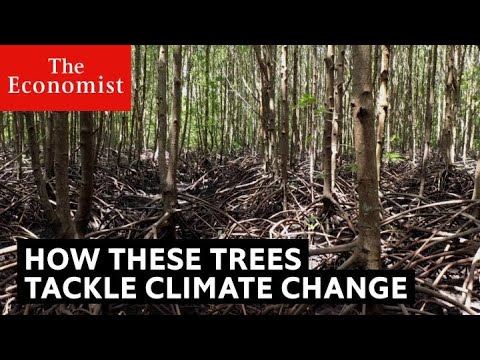
In Cuba, mangroves create a unique ecosystem where ocean and fresh water mix, supporting diverse marine life and stabilizing coastal environments.
615 hectares of mangrove forests in Ghazi Bay, Kenya, are monitored by local scientists to assess their health and combat climate change.
Early humans migrated from Africa, adapting to diverse environments and competing against other species as they spread across the globe.
Wrasse perform cleaning for manta rays in David Attenborough's Great Barrier Reef series.
Gentoo penguins lay two eggs, with the second serving as a backup in case the first is stolen, while facing threats from skuas and seals.
Marianne North, a pioneering Victorian artist, traveled the world to paint vibrant landscapes, showcasing her unique perspective on nature's beauty.
Marine iguanas expel excess salt through their nostrils after underwater feasting.
Mars Odyssey, operational since 2001, has mapped the planet and detected hydrogen, leading to the confirmation of frozen water by NASA's Phoenix mission in 2008.
One million of the estimated eight million species on Earth are at risk of extinction, with populations of mammals, birds, and fish declining by 68% on average since 1970.
Lightning storms over the Everglades in South Florida showcase nature's powerful beauty, prompting reflections on life and the respect these storms command.
Dolphins evolved from land-dwelling ancestors, adapting to diverse marine environments over millions of years, as explored through their evolutionary history.
Juan Rodriguez cares for giant pandas Bei Bei, Bao Bao, and Tian Tian at the Smithsonian.
More harpy eagles have been bred by head veterinarian Vonderlei and his team than anywhere else in the world.
Kenton Kerns discusses his work with golden lion tamarins at the Smithsonian and in Brazil.
Ted Schultz highlights Brazil's unique ant diversity and the significance of international collaboration in scientific research.
Manatees, often seen at marinas in Miami, are known for their gentle nature and interactions with humans, including memorable moments of bonding between mothers and calves.
Larry, after facing personal tragedy, finds solace and a sense of belonging among the pigeons of Washington Square Park in New York City.
David de Santana leads a project on electric fish at the Smithsonian's National Museum of Natural History.