From over 100,000 films, discover the handful you'll love.
Free or premium access to the world's largest documentary library.
7951 films(Page 46 of 166)
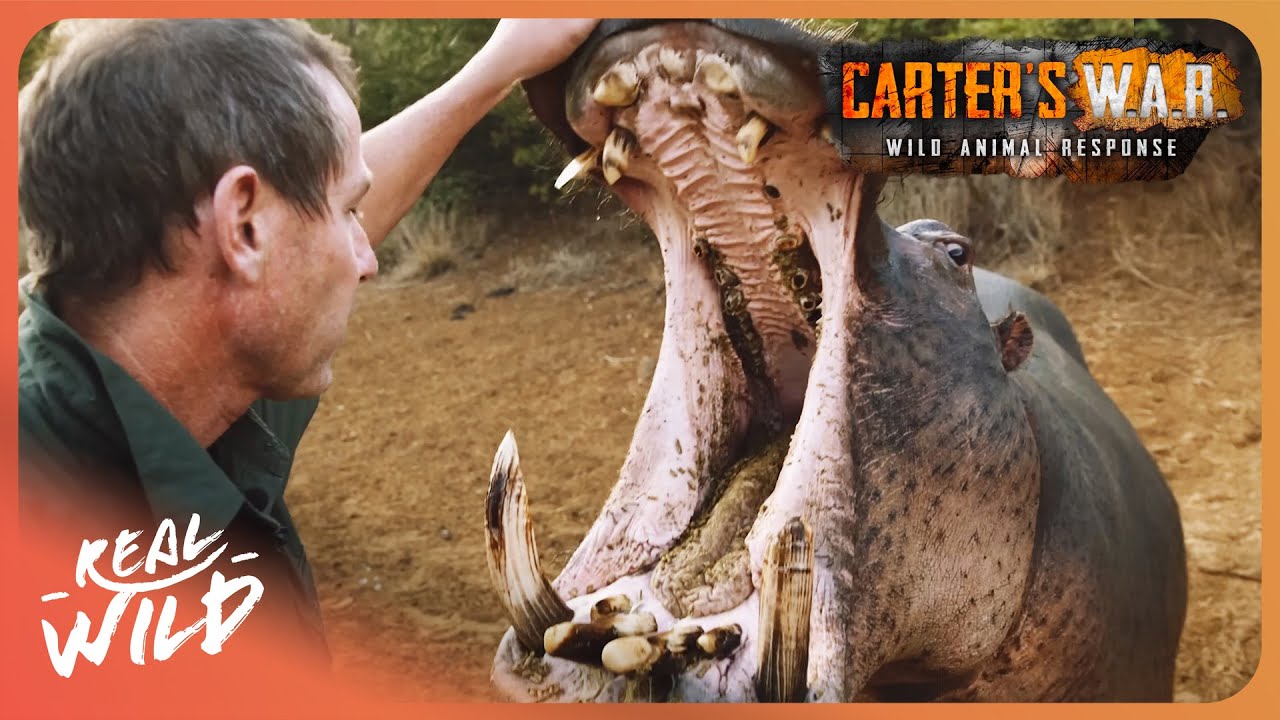
Wildlife investigator Ivan Carter explores the behavior of hippos in Africa, examining local fears and contrasting them with his firsthand experiences.
An eruption from Yellowstone released an estimated 1,000 cubic kilometers of ash and rock, far surpassing the output of Mount St Helens and Mount Pinatubo.
80 smoke jumpers based in Boise, Idaho, respond to wildfires across 220 million acres in the western United States during the summer fire season.
Lions, crocodiles, bats, and whales demonstrate extraordinary adaptations and hunting strategies essential for survival in their diverse ecosystems.
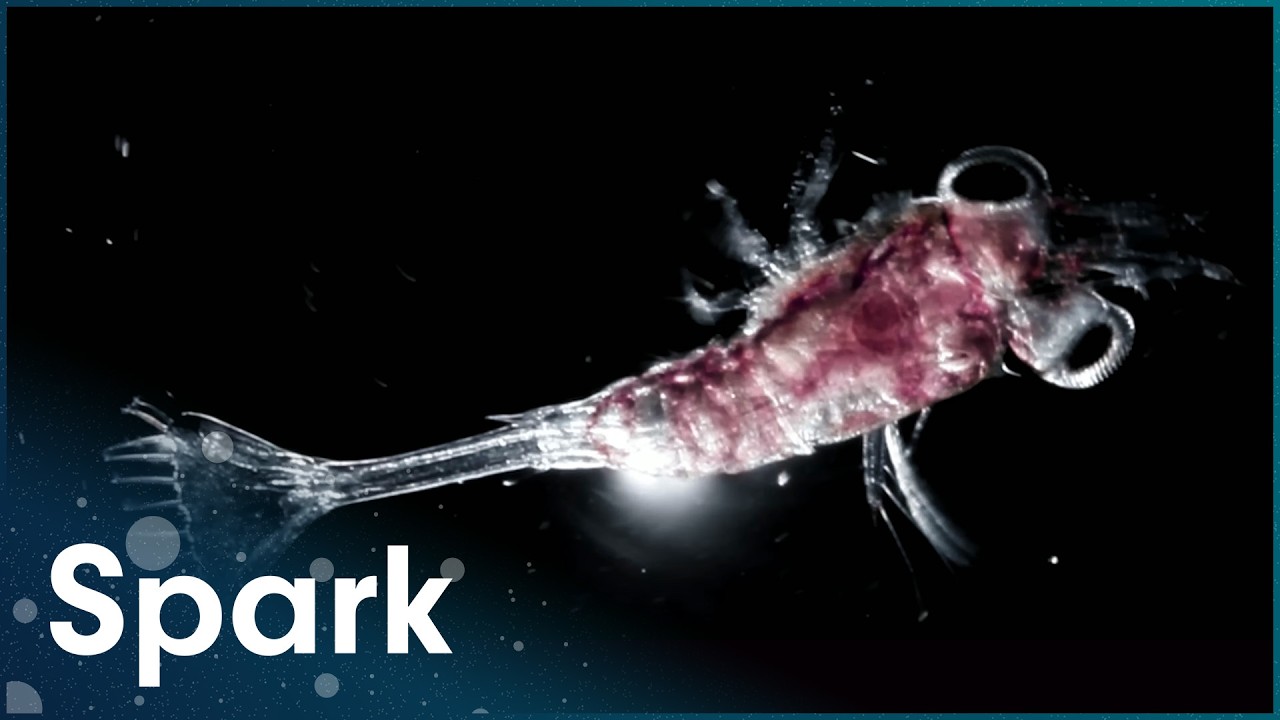
Sooty Terns and Alvin Shrimp exemplify extreme adaptation, thriving in the volatile Pacific Ring of Fire, where volcanic eruptions shape their survival.
Since the discovery of exoplanets in 1995, scientists have faced significant challenges in identifying habitable planets that can support human life.
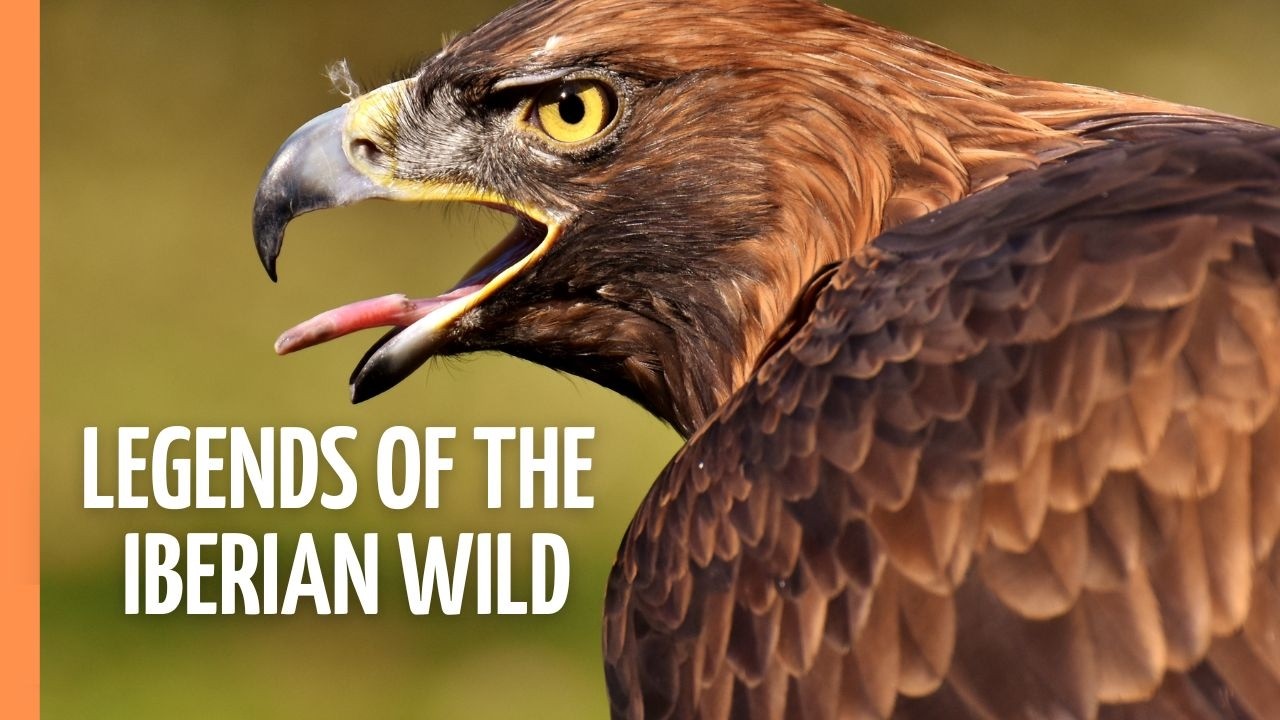
Birds of prey and other flying animals utilize specialized senses to navigate, find food, and evade predators in the expansive sky.
The Great Barrier Reef, 2,300 km long and visible from space, is the largest structure on Earth built by tiny coral polyps over half a million years.
In the Upper Rhine Valley, an underground river nourishes unique wetlands that support rare biodiversity, as documented by underwater cameraman Serge Dumont.
In Canada's Great Bear Rainforest, the rare Kermode Bear, also known as the Spirit Bear, symbolizes the forest's spirit alongside other wildlife like wolves.
Polyergus ants attack other ant colonies to steal their young and make them slaves, demonstrating complex social strategies in the animal kingdom.
In winter, the Noto Peninsula's waters teem with unusual marine life, including blanket octopuses, giant squid, and deep-sea oarfish.
Mireya Mayor, a former Miami Dolphins cheerleader and field biologist, shares her experiences and adventures in wildlife exploration across various ecosystems.
The Namib desert is home to unique wildlife and the Himba tribe, showcasing survival in harsh conditions.
Almost 50 young Iberian ibex are seen in a nursery on a mountain summit during their spring breeding season.
A substantial vertebrate species was recently identified in the Canary Islands, challenging the notion that significant animal discoveries are limited to remote rainforests.
A saltwater crocodile can exert a bite force of up to two tons, strong enough to puncture metal and crush its prey.
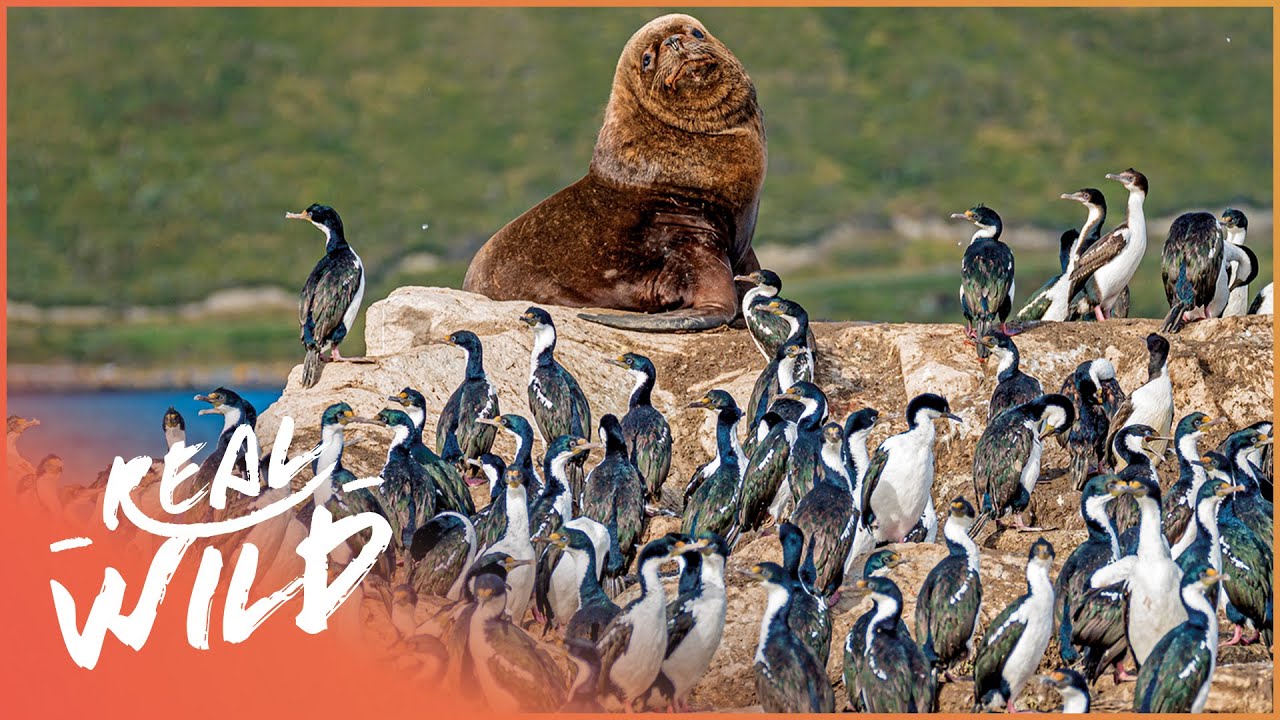
Patagonia hosts a diverse array of wildlife, including five penguin species, sea lions, and Patagonian hares, across its unique landscapes from Punta Arenas to Tierra del Fuego.
Over three years, unique footage of a family of wild wolves was captured in Germany, revealing their social structures and dispelling common myths.
More than 10,000 hours spent underwater allowed photographer Brian Skerry to capture the beauty and complexity of marine life across three decades.
Guyana's wild savannahs teem with diverse wildlife, including giant otters, jaguars, and the unique mating rituals of the cock of the rock.
Wild bees and butterflies play a crucial role in pollinating plants and crops, highlighting the interconnectedness of nature and agriculture.
Insects demonstrate extraordinary diversity and adaptability, with their wings and exoskeletons crucial for survival and reproduction through sexual dimorphism.
In India, reptile expert Rom Whitaker works tirelessly to save the critically endangered gharial crocodile, the world's oldest crocodilian species.
One clan member states that the entire coconut palm is useful, providing food, building materials, and tools for their daily lives.
In Namibia's Skeleton Coast, black-backed jackals adapt to a new coastal environment by developing cooperative hunting skills to catch prey like fur seals.
Animals utilize their senses-sight, smell, taste, touch, and hearing-to communicate for mating, territory defense, and predation strategies.
Lynx in Bavaria have thick fur that protects them from the cold, allowing them to thrive in winter's harsh conditions.
Lions, tigers, leopards, and cheetahs exhibit their hunting skills and territorial behaviors across the African savannah and other habitats.
Lord Howe Island, a world heritage site, relies on conservation efforts led by Ian Hutton to protect its unique wildlife and fragile ecosystems.
Human beings struggle to navigate underwater environments due to impaired vision, muffled hearing, and a lack of smell, unlike marine animals with specialized senses.
In Indonesia, nearly two million hectares of tropical forest are lost annually due to palm oil production, endangering orangutans and other wildlife.
India's wildlife, including the Asiatic wild buffalo and Indian rhinoceros in Kaziranga, adapts to the extreme conditions of the monsoon season.
Steller sea lion populations have declined over 80% since the 1970s, prompting researchers at the University of British Columbia and Vancouver Aquarium to study their behavior and the North Pacific food chain.
Twenty thousand shipwrecks lie at the bottom of the Baltic Sea, including remnants of the German Hanse, a league of merchants founded around 1200 AD.
Georg Forster embarks on a three-year voyage in 1772, accompanying Captain James Cook on a significant expedition to the South Seas.
In Northwest Germany's Senne, a military training area for over 130 years, rare wildlife thrives in a largely undisturbed natural habitat.
Rani and the Galta Gang navigate the challenges of temple handouts while Bipin and his splinter group seek refuge in the suburbs of Jaipur.
A combine harvester can be up to 45 feet wide and weigh 18 tons, fundamentally changing agricultural practices and food production worldwide.
A female rhino named Ratu was rescued in 2005 after drought forced her from the forest into a nearby village, marking the start of a breeding program.
In Zimbabwe’s Malilangwe Game Reserve, lioness Manyari faces threats to her cubs and pride, forcing her to flee and protect her young from rival males.
The Canary Islands, shaped by volcanic activity, host a diverse array of unique flora and fauna, including legendary marine giants and resilient plant species.
Giant manta rays in the Socorro Islands off Mexico's Pacific coast are studied for their remarkable interactions with divers, showcasing their unique behavior.
Cephalopods exhibit remarkable intelligence and adaptability in remote ocean environments, showcasing their unique behaviors through stunning underwater cinematography by Bertrand Loyer.
This episode features the Kings Lynn Generator and biomass challenges at Shoreham Port.
South Georgia, an isolated island at the edge of the Antarctic, hosts diverse wildlife thriving in its harsh climate while reflecting on its turbulent human history.
A team of young scientists from the University of Alberta has only three weeks to excavate dinosaur fossils in Alberta's Dinosaur Provincial Park.
People celebrate traditions like cherry blossom festivals in Japan and Highland Games in Scotland.