From over 100,000 films, discover the handful you'll love.
Free or premium access to the world's largest documentary library.
7951 films(Page 19 of 166)
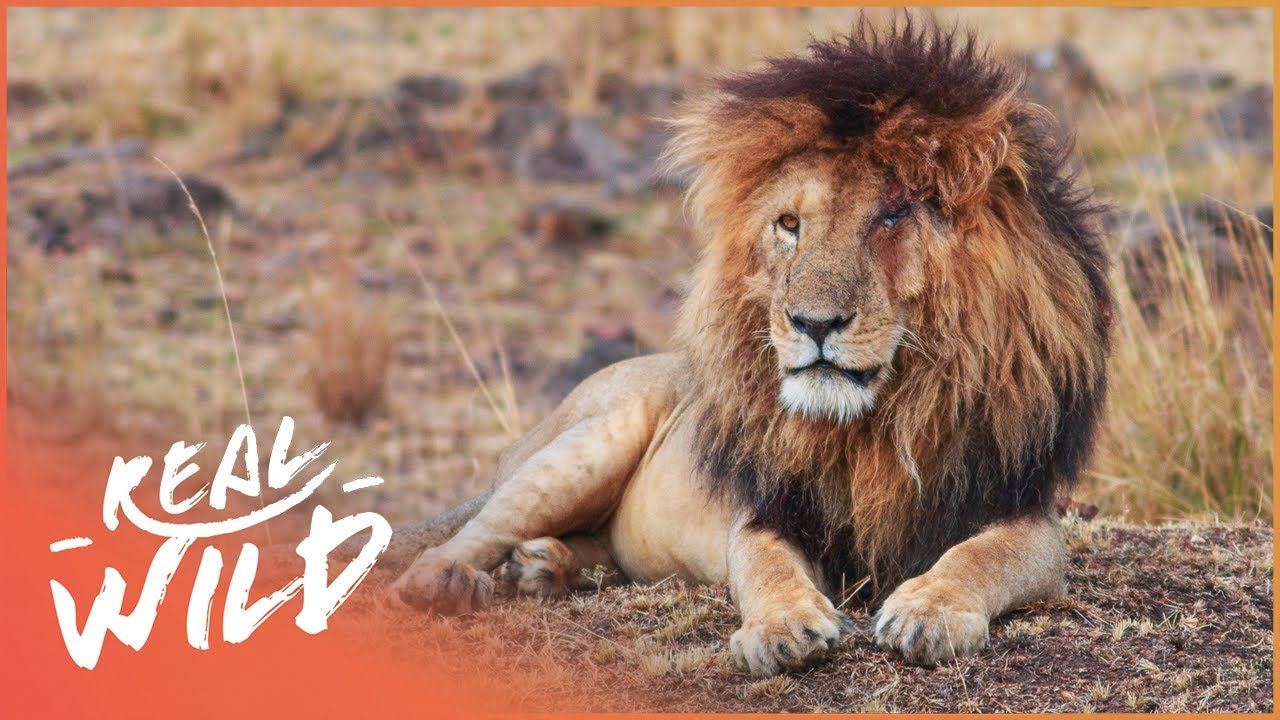
In the Maasai Mara, Scarface, the world's most famous lion, has ruled over 11 prides for over seven years while evading direct observation.
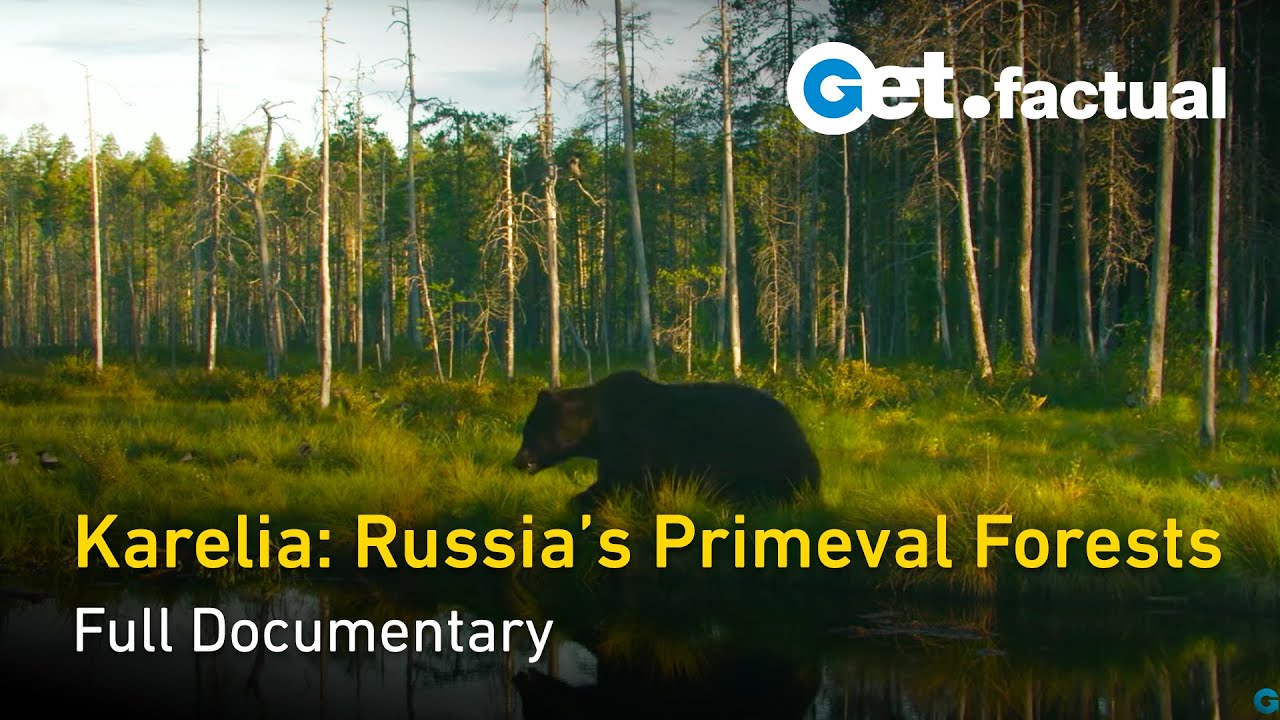
Around 3,500 brown bears inhabit the primeval forests of Karelia, where summer brings vibrant life to the region's unique ecosystem.
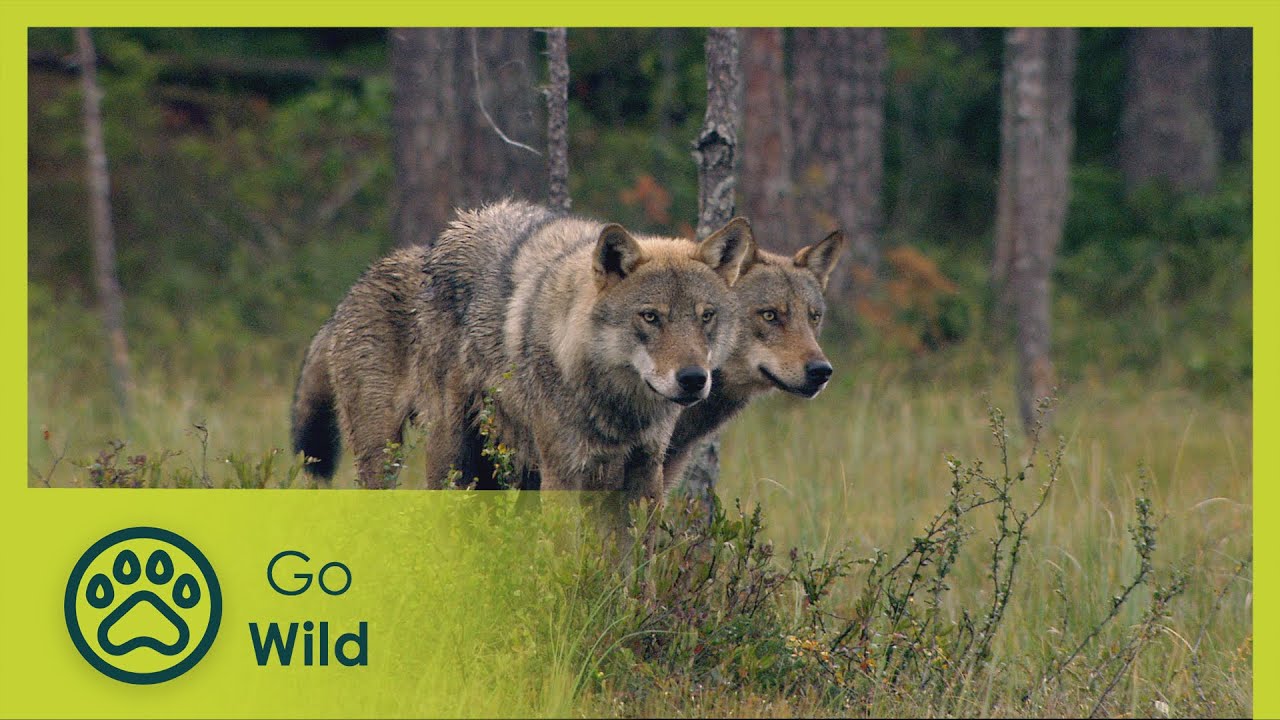
Three brown bear cubs explore Scandinavia's forests, encountering moose, wolves, rare forest reindeer, and flying squirrels in their natural habitats.
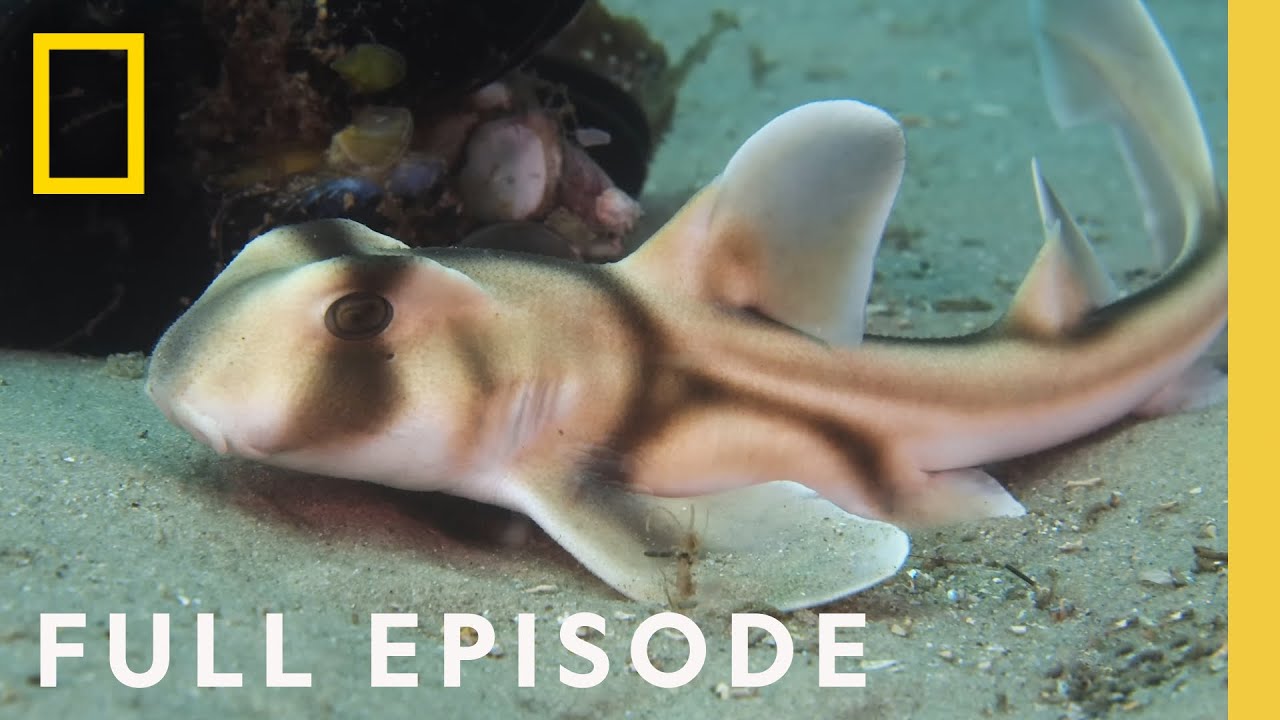
Around 80% of some shark species do not survive to adulthood, facing threats from predators and environmental challenges in their early life stages.
BBC Earth showcases diverse ecosystems, highlighting the behaviors and interactions of plant life from deserts to tropical jungles and underwater realms.
In Botswana's Makgadikgadi basin, the interplay of extreme drought and abundant rainfall shapes a unique ecosystem influenced by the Okavango River's flow.
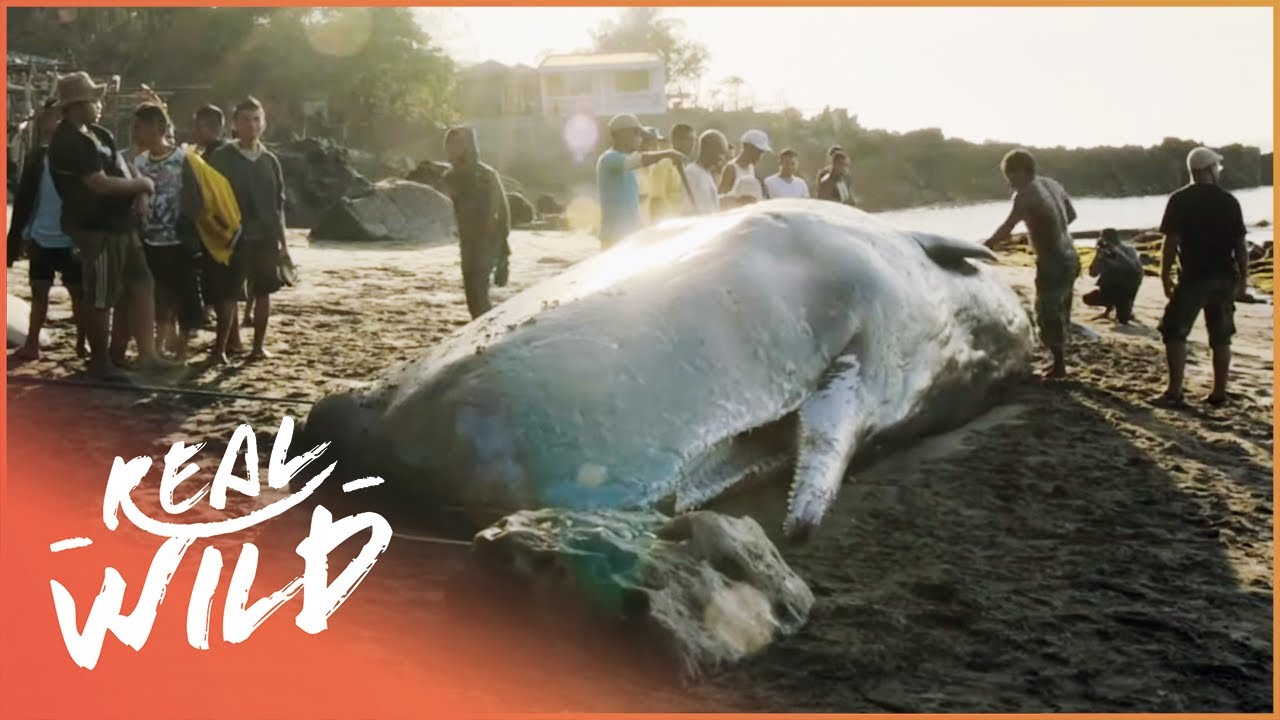
Lamalera, Indonesia, faces a critical intersection of traditional sperm whale hunting and modern conservation challenges as outboard motors threaten marine ecosystems.
Residents of Hammerfest, Norway, endure two months of continuous darkness each winter, which can lead to a condition known as 'polar stress syndrome.
Animals across various species, including ants, meerkats, and birds, exhibit remarkable building skills to create homes that serve multiple purposes.
Frans Lanting captures the majestic albatross through stunning photography, highlighting its significance in nature and culture.
Oetscher, a prominent mountain in western Lower Austria, hosts rare wildlife such as capercaillies, snow grouse, and otters, thriving in its untouched forests.
5.7 million square kilometers of the Coral Triangle, located between Indonesia, the Philippines, and Papua New Guinea, is home to three-quarters of all coral species.
Nakawan Range, one of Malaysia's oldest landscapes, showcases remarkable biodiversity and cultural heritage, shaping the lives of local communities.
A variety of bird species, including puffins, penguins, and roadrunners, are showcased in 4K UHD alongside their natural behaviors and habitats.
The Mediterranean Sea has experienced significant ecological changes due to historical events and the introduction of species through the Suez Canal.
In the East African savannah, nearly two million large herbivores coexist with predators like cheetahs and lions, highlighting the interdependence of species and their adaptations.
Three hikers traverse over 400 miles of the Sierra Nevada Mountains in 35 days, exploring the allure of long-distance hiking and the challenges facing these wild areas.
Naked Science follows Randy Jibson investigating the causes of deadly landslides throughout history.
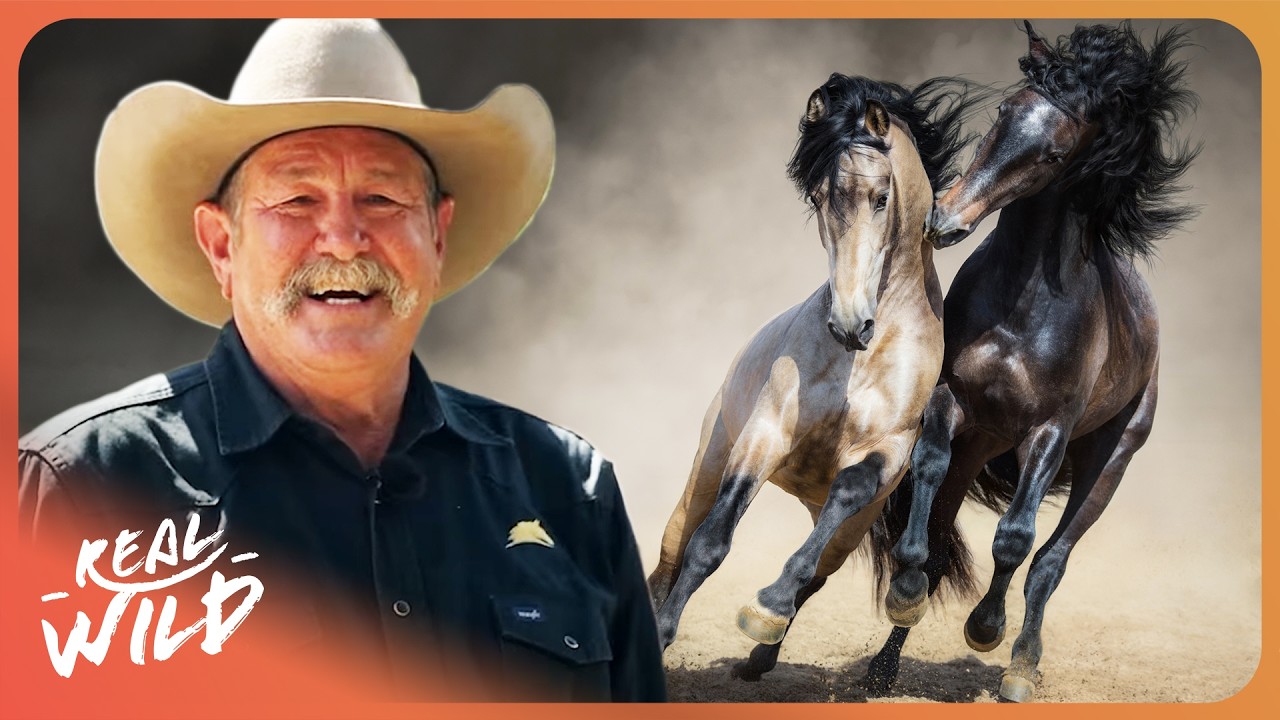
Pat Parelli works with horse owners like Grace and her horse Bella, addressing behavioral issues through understanding prey animal behavior and effective communication.
Kilauea has created 500 acres of new land in the last 30 years, reshaping Hawaii's coastline with its continuous lava flows.
The golden eagle, the largest bird of prey in the Alps, is showcased through stunning wildlife footage that captures its life and the surrounding indigenous animals.
In South Tyrol, the Alpine ibex, a wild goat species once nearly extinct, thrives in the mountains after successful reintroduction efforts from Gran Paradiso National Park.
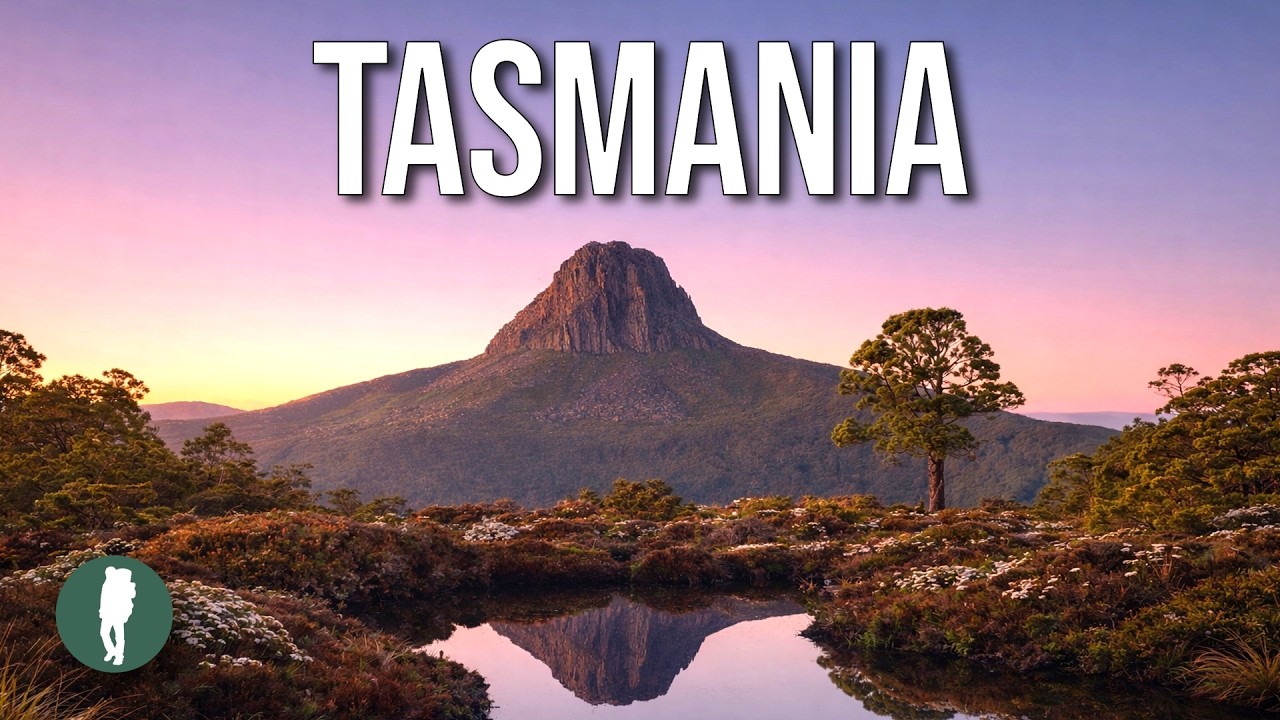
Tasmania's unique wildlife, including Tasmanian devils, white wallabies, and golden echidnas, has evolved over 12,000 years of isolation from mainland Australia.
Wildlife footage narrated by Sir David Attenborough highlights an iguana's escape from snakes and the resilience of the mantis in nature's challenges.
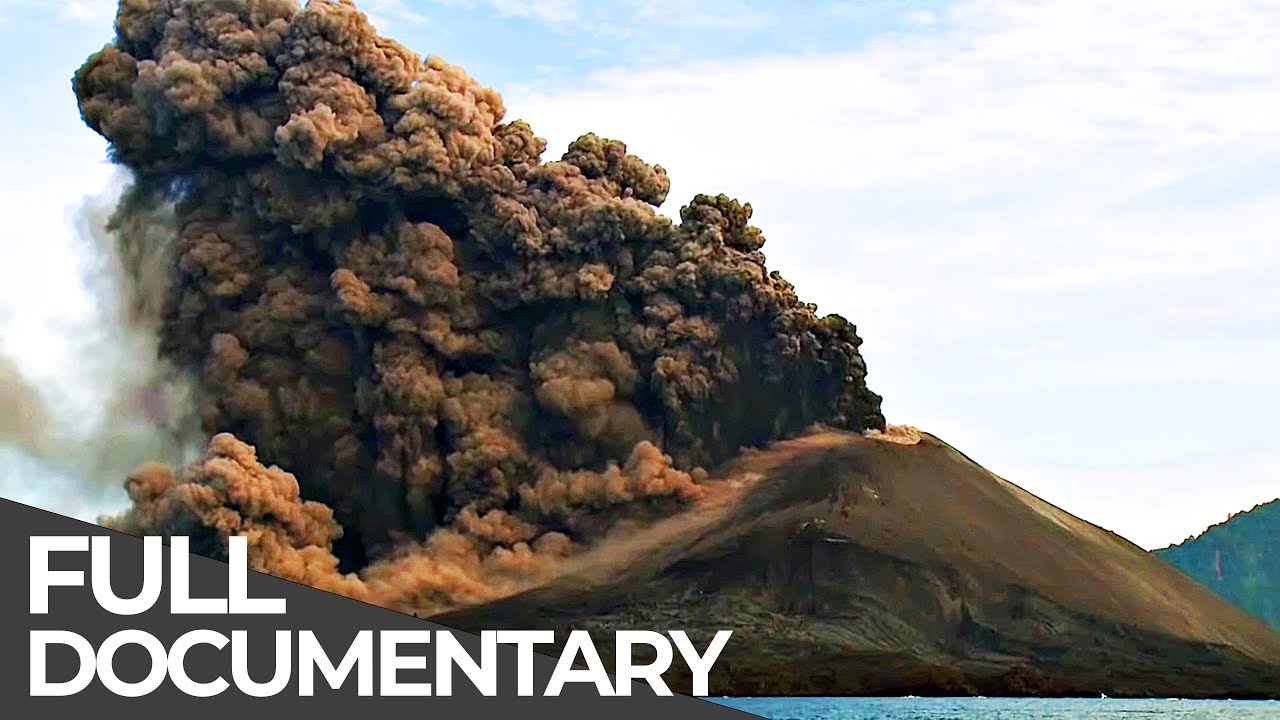
This disaster documentary highlights volcanic eruptions and earthquakes' devastating impacts.
Sardinia's diverse ecosystems feature unique wildlife, including pilot whales, flamingos, and luminous beard worms, set against a backdrop of stunning landscapes.
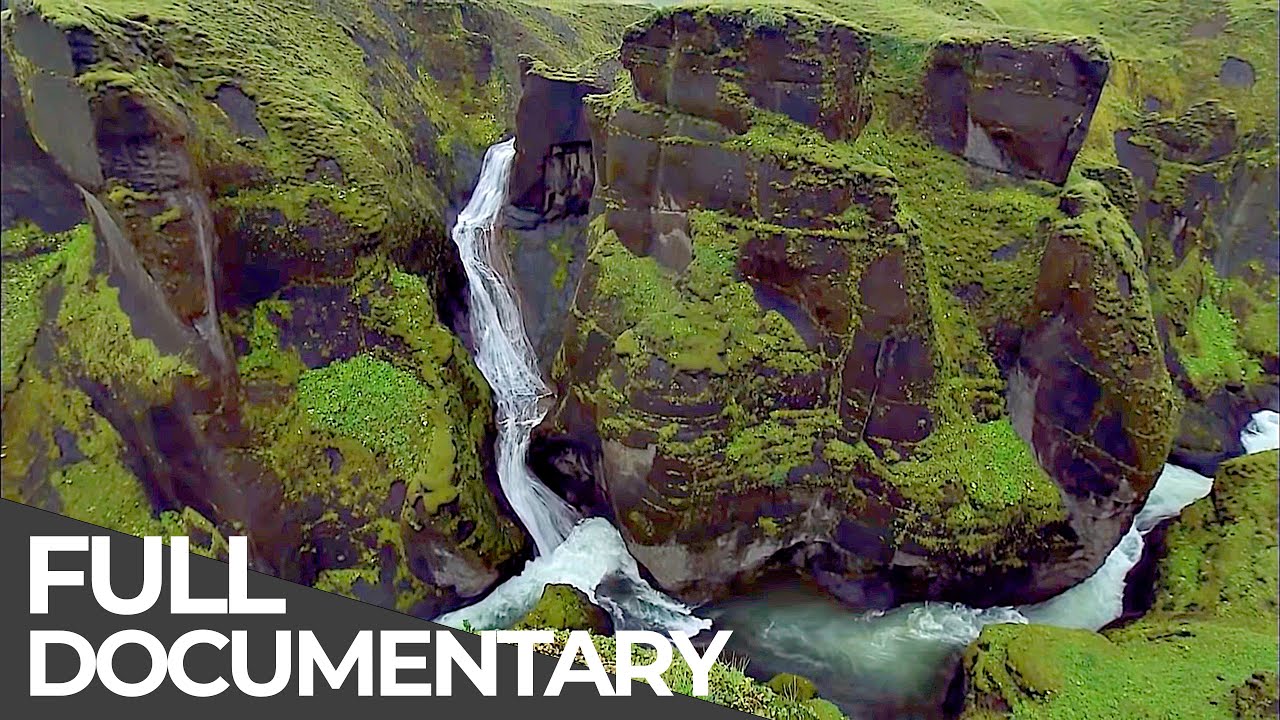
Iceland sits on the world's most active hotspot, where scientists observe the formation of the planet in real time.
38 species of wild cats inhabit various environments across the globe, from high-altitude mountains to arid lands and dense forests.
Sharks, often misunderstood, exhibit a range of behaviors from serene gliding to rapid predatory strikes, showcasing their role in marine ecosystems.
The Volga River, stretching over 1,300 km, flows through Central Russia and Kazakhstan before branching into the Caspian Sea delta.
In Siberia's frozen tundra, paleontologist Dick Maul and his team investigate Ice Age creatures like the woolly mammoth and musk ox, exploring their extinction and ancient human interactions.
Kearsarge Pass rises to 11,845 feet in the Sierra Nevada, presenting significant challenges for Bob Coomber as he attempts to hike it in a wheelchair.
Gesäuse National Park, Austria's largest canyon, showcases its dramatic landscapes and wildlife through the lens of renowned nature filmmaker Michael Schlamberger.
Predators and prey showcase extraordinary adaptations and survival strategies in the wild, highlighting the relentless battle for existence across diverse ecosystems.
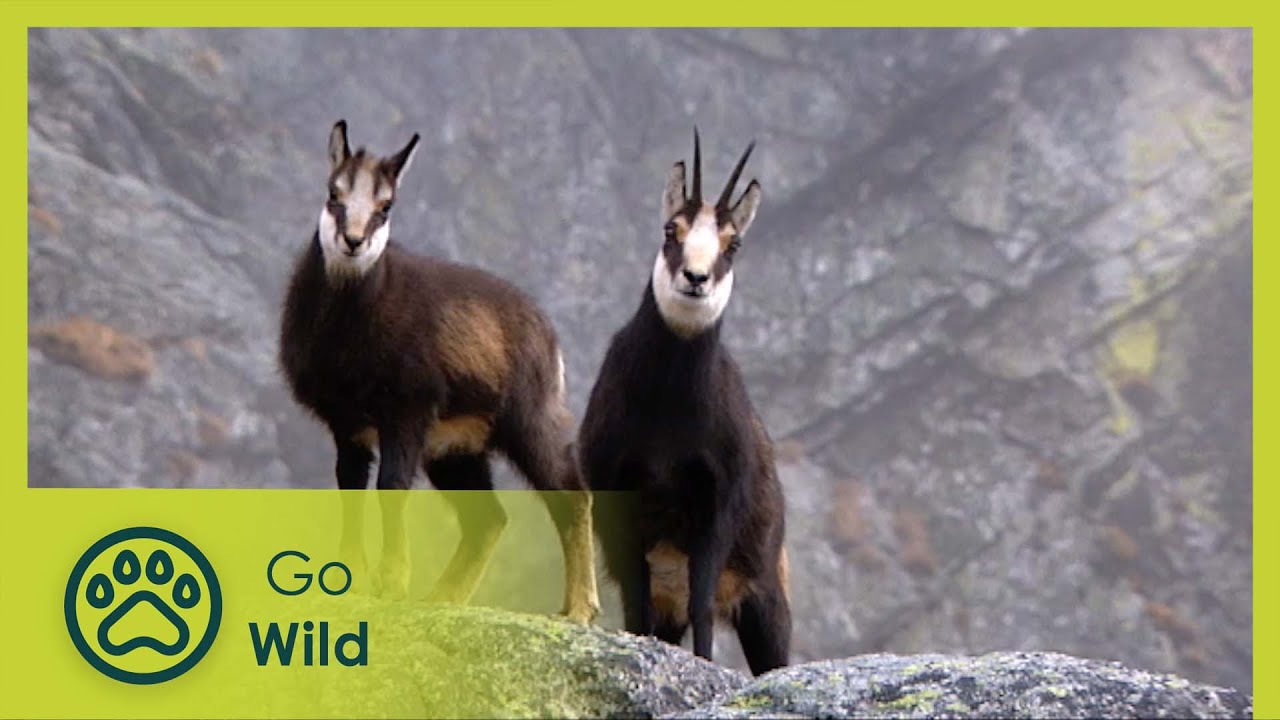
The High Tatras National Park in Slovakia features over three hundred peaks, pristine valleys, and diverse wildlife including wolves, bears, and lynxes.
Australia's Great Barrier Reef and Ningaloo Reef are explored through vibrant coral ecosystems and diverse marine life, guided by underwater specialist Paul Waghorn.
In 2008, a frost wiped out 90% of Napa Valley's grape crop, forcing winemakers to adapt and plan for future vintages.
Eric Miguel maintains the Queen Emma Bridge and enjoys Kadushi soup in Curacao.
In Tanzania, a newly constructed waterhole equipped with remote cameras reveals the behaviors of iconic African wildlife such as lions, elephants, and giraffes.
Tara Keir paints an octopus, inspired by Paul Rudd's narration in "Secrets of the Octopus," highlighting the species' beauty and ecological importance.
The Loire River, one of Europe's last free-flowing waterways, showcases a unique ecosystem as it adapts to seasonal changes, droughts, and flooding.
Mountains have shaped human experience as sites of spiritual retreat and extreme endurance, influenced by geological forces and the passage of time.
A 1,000-kilometer-long fortress separates Europe and Asia, with the Lesser Caucasus featuring diverse landscapes from alpine plateaus to desert basins.
Pigeons now account for up to 40% of the catfish's diet in the River Tarn, illustrating new predator-prey dynamics in urban environments.
Honey bees, with over 2,000 species in Europe, exhibit remarkable abilities in pollination, color perception, and scent detection that extend beyond common knowledge.
Captive and wild elephants around the world have increasingly exhibited aggressive behavior, raising questions about their treatment and the circumstances leading to such incidents.
In Brazil's Pantanal, Art Wolfe explores diverse wildlife including Caiman, Giant Otters, and Toucans, while also highlighting the Baja Peninsula's dolphins and hummingbirds.
More than 1,000 years ago, the islanders of Sumba began erecting dolmens as tombs for their ancestors, a practice that continues today.