From over 100,000 films, discover the handful you'll love.
Free or premium access to the world's largest documentary library.
7945 films(Page 141 of 166)
Hukou Waterfall, the largest waterfall on the Yellow River, attracts numerous tourists each year to experience its stunning natural beauty.
China's national parks are home to diverse wildlife, including giant pandas and endangered snub-nosed monkeys, thriving in habitats from forests to mountains.
Fallen whale carcasses in the deep sea create unique ecosystems, supporting diverse marine life through various stages of decomposition over decades.
Five years ago, a tsunami struck Robinson Crusoe Island, leaving many dead and survivors traumatized after a 12-year-old girl sounded the alarm.
The attack on Shell House lasted approximately four minutes, resulting in the destruction of vital Gestapo records and the escape of most imprisoned resistance fighters.
Lizards exhibit remarkable adaptations that enable them to thrive in diverse environments around the world, showcasing their unique evolutionary traits.
An enormous ichthyosaur, comparable in size to a modern sperm whale, evolved rapidly within a few million years, highlighting significant evolutionary changes.
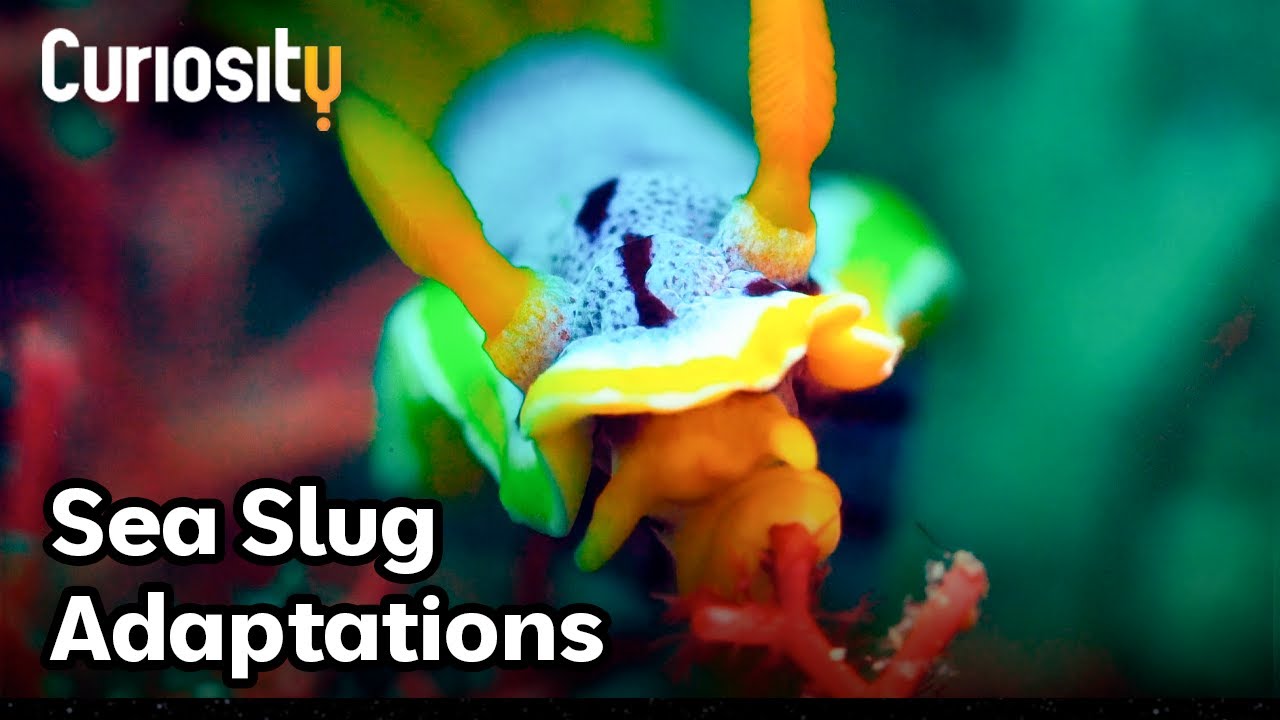
Nudibranchs, or sea slugs, exhibit remarkable adaptations such as weaponizing stinging cells and harvesting solar energy to thrive in diverse marine environments.
The Tasmanian Devil, a unique carnivorous marsupial native to Australia, is explored through its scavenging habits, diet, and cultural significance in local folklore.
The Tasmanian Tiger may be returning to Australia, with over 350 sightings reported.
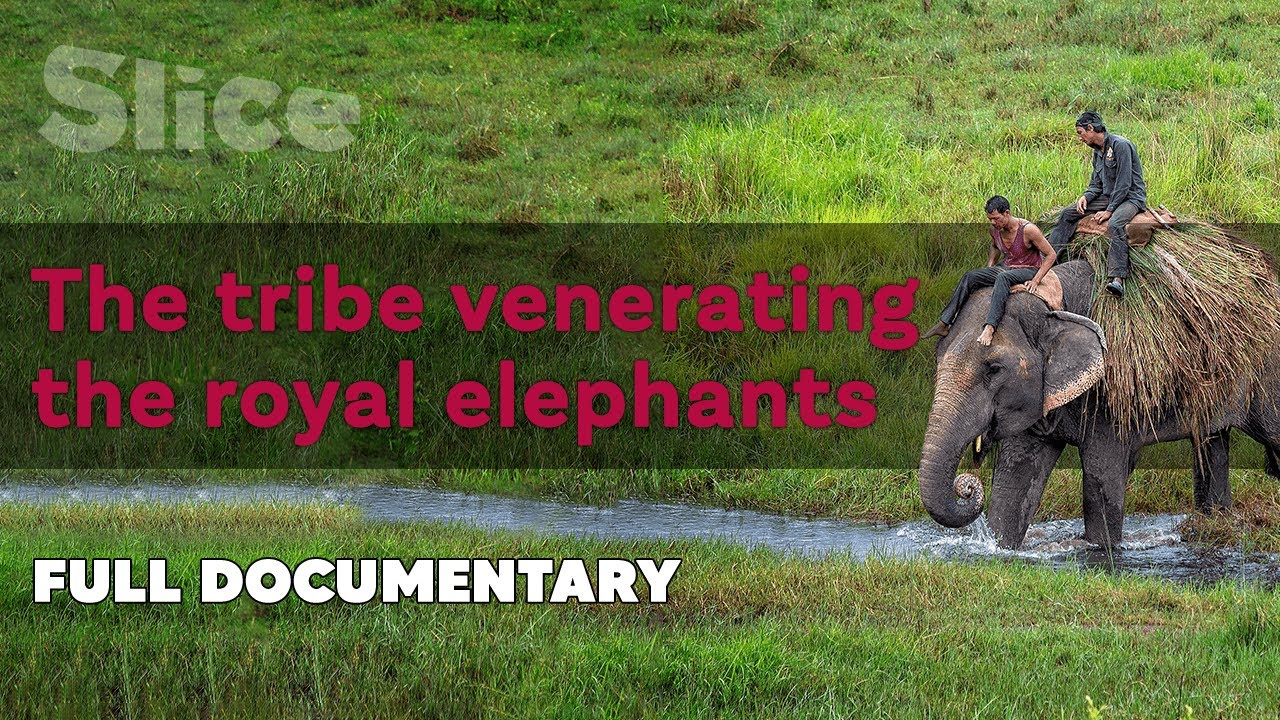
Once a year, mahouts prune k-pak trees in Chitwan National Park, ensuring that the 22 elephants in the reserve can eat their fill without harming the forest.
The Pterois, or Lionfish, is a venomous fish invasive to the Atlantic Ocean.
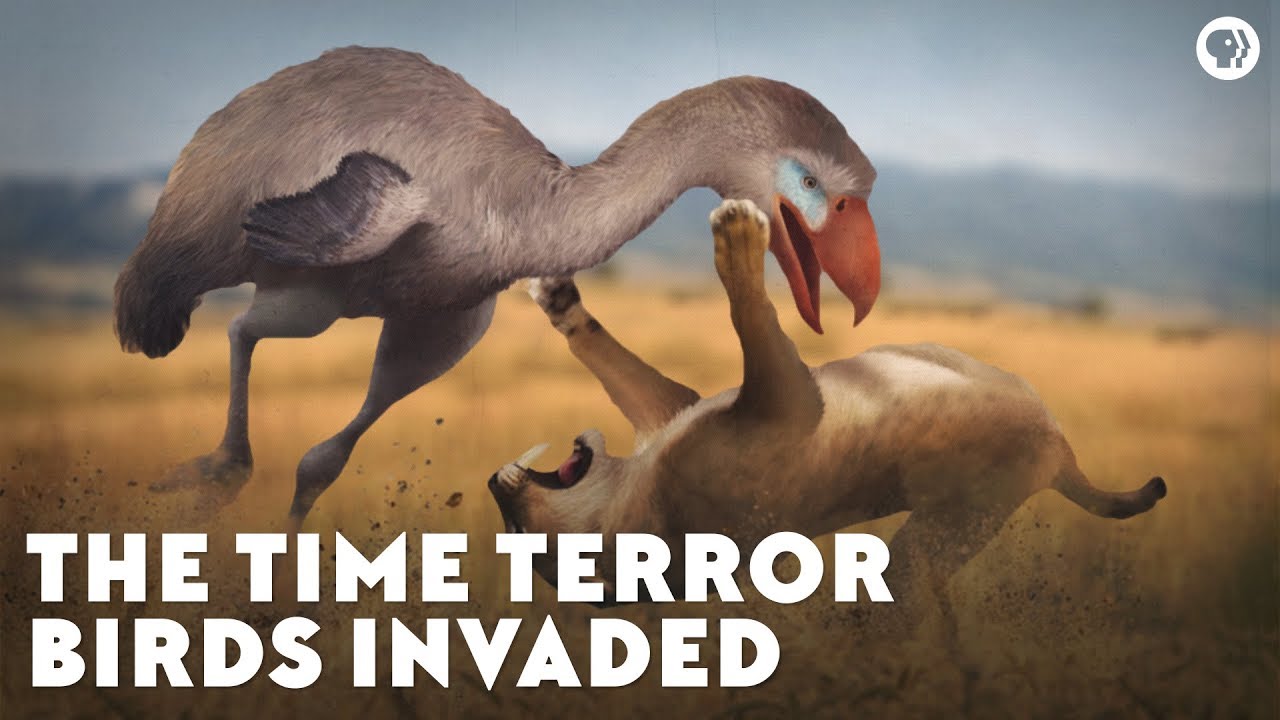
Around 5 million years ago, the giant, flightless carnivorous bird known as the terror bird emerged as a formidable predator on North America's coastal plains.
In Tokyo, cat cafés provide a unique solution for residents who cannot have pets, allowing them to enjoy the company of cats in a bustling urban environment.
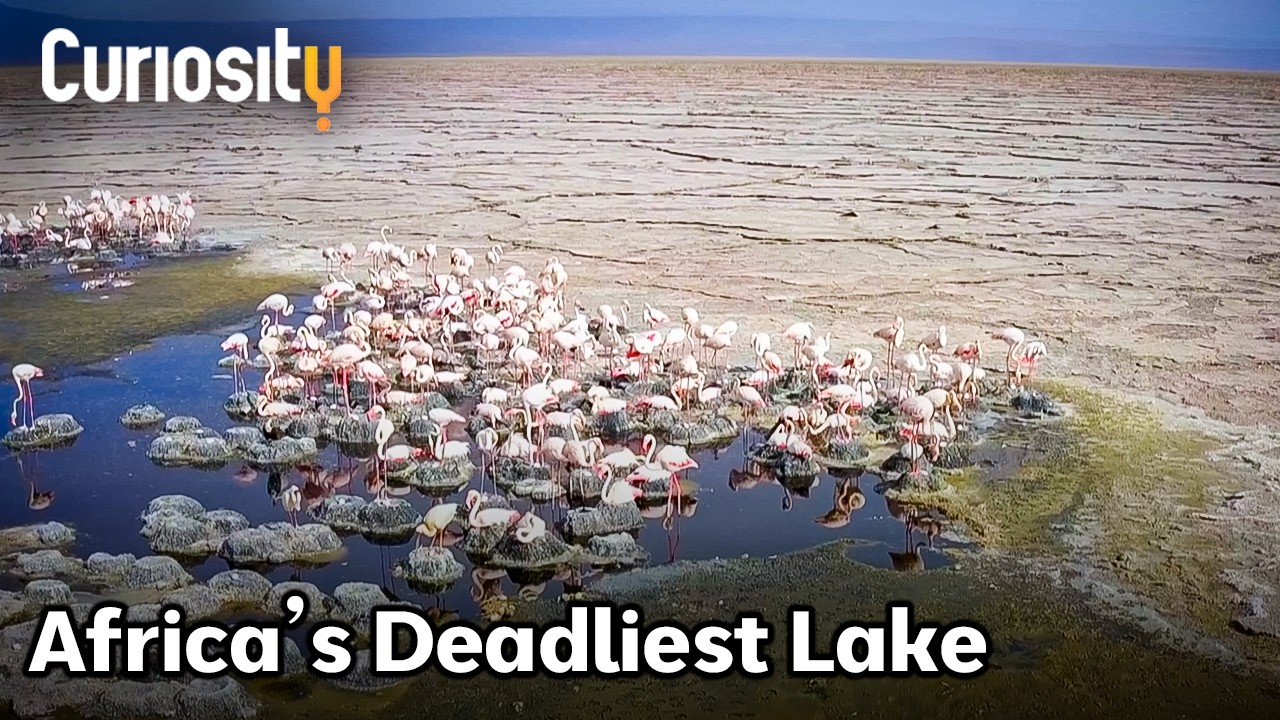
Lake Natron covers an area of around 600 square miles and reaches temperatures of 42 degrees Celsius, creating a hostile environment for most life forms.
Pangolins, the most trafficked mammals in the world, face severe population decline due to illegal trade for their scales and meat, with one million trafficked in the last decade.
Two Grotoceans search the sea for treasure while encountering various surprises in a story focused on ecology and conservation.
Animal behavior is explored through impressive archive footage, showcasing the brutality of orcas and the ingenuity of potter wasps, narrated by David Attenborough.
Mythbusters tests the legendary Coffin Punch from Kill Bill, analyzing its mechanics through experiments and expert insights to determine its authenticity.
Ali protects endangered marine turtles in Saziley, Mayotte, from poachers.
Cerro Paranal in the Chilean Atacama desert offers crystal-clear, dark skies for stargazing on about 320 nights per year.
Underwater lakes, formed by unique geological processes, challenge our understanding of marine ecosystems and host life forms adapted to extreme conditions.
Chitwan National Park now attracts over 100,000 visitors each year, with many riding elephants to experience the region's wildlife and natural beauty.
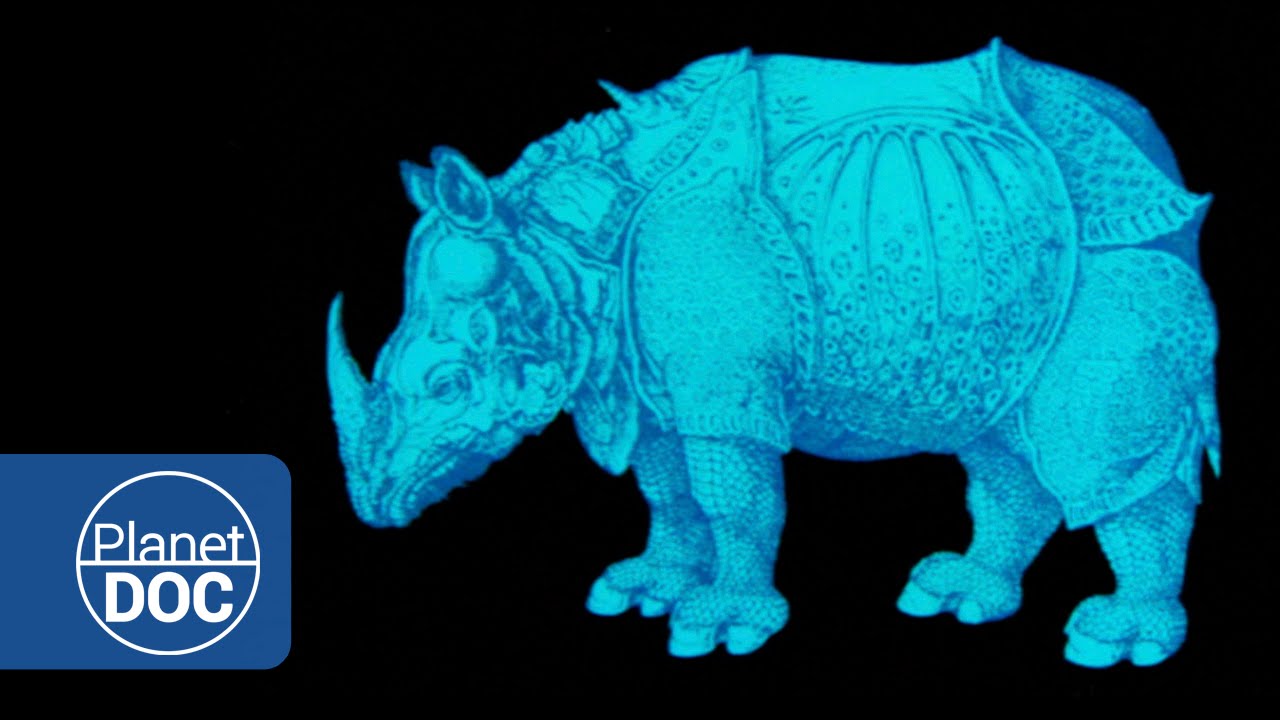
In the Terai region along the India-Nepal border, the Indian rhinoceros symbolizes the mythical unicorn, reflecting its cultural significance and connection to local communities.
Around 60,000 people gather almost 11,000 tonnes of high grasses during a 15-day harvest in Chitwan, contributing approximately 250,000 dollars to the local economy.
In the border region of India and Nepal, the Indian rhinoceros symbolizes the legendary unicorn, reflecting the area's rich biodiversity and cultural heritage.
In 398 B.C., Greek historian Ctesias wrote about a wild beast in India and Nepal, a creature that has fascinated people for centuries.
In the jungles along the India-Nepal border, the legend of the Indian Unicorn intertwines with the cultural significance of the Indian rhinoceros and local communities.
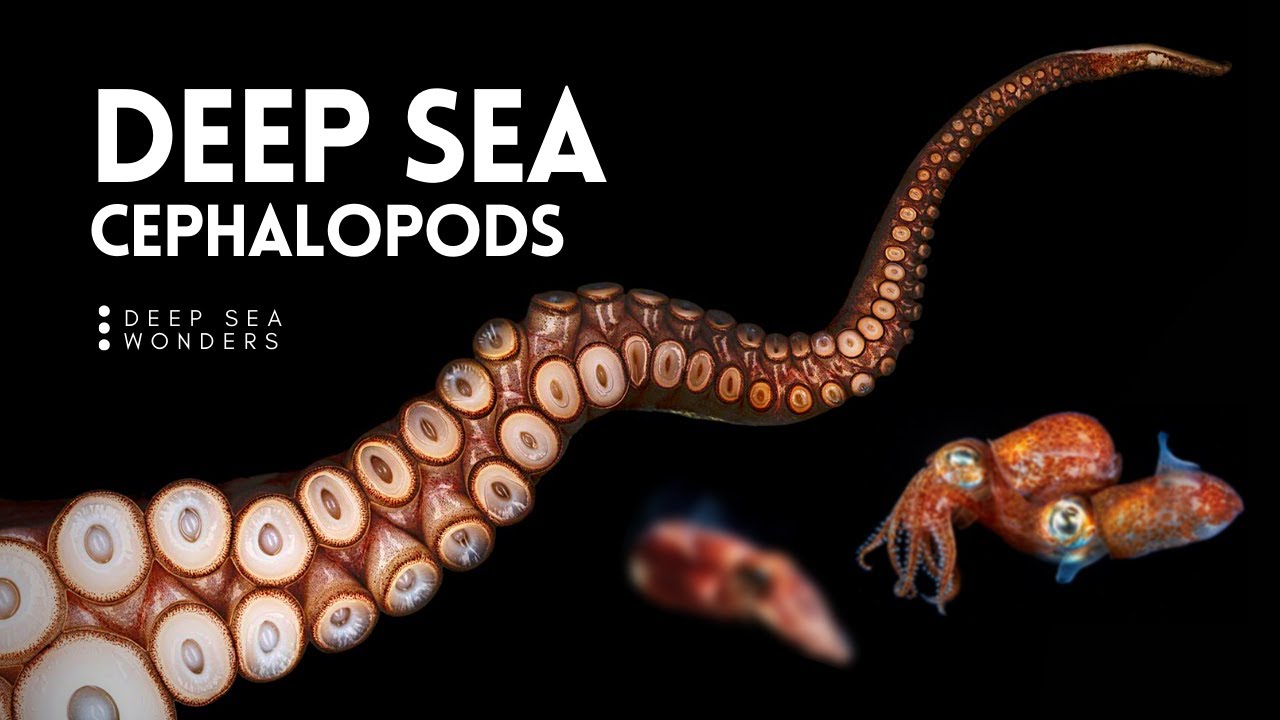
Cephalopods, including octopuses, squid, and cuttlefish, showcase remarkable intelligence, unique adaptations, and diverse biology that play crucial roles in marine ecosystems.
The Matis in Brazil use unique blowpipes to hunt in preserved forests for food.
Arctic foxes have been recorded making as many as 90 kills in a single day while hunting for lemmings beneath the snow.
Deep sea ecosystems are characterized by intense competition among species for limited resources, influencing biodiversity and ecological interactions.
The largest remaining herd of elk in Wyoming gathers in Jackson Hole, where they calve, feed, and interact with other wildlife throughout the seasons.
359 sea otters were relocated from Amchitka Island to their historical habitats in Southeast Alaska and the Pribilof Islands in 1969.
Daria's grandchildren learn survival skills from Ivan in Kamchatka's vast forests.
Patagonia, a remote region in South America, is home to unique wildlife and resilient communities, as showcased in selected scenes from BBC Earth’s series.
Steven Fuller has lived in Yellowstone National Park for 50 years, serving as its winter caretaker while facing the impacts of climate change.
Claire's passion for collecting 30 to 40 insects, including praying mantises and millipedes, highlights a unique intersection of nature and true crime narratives.
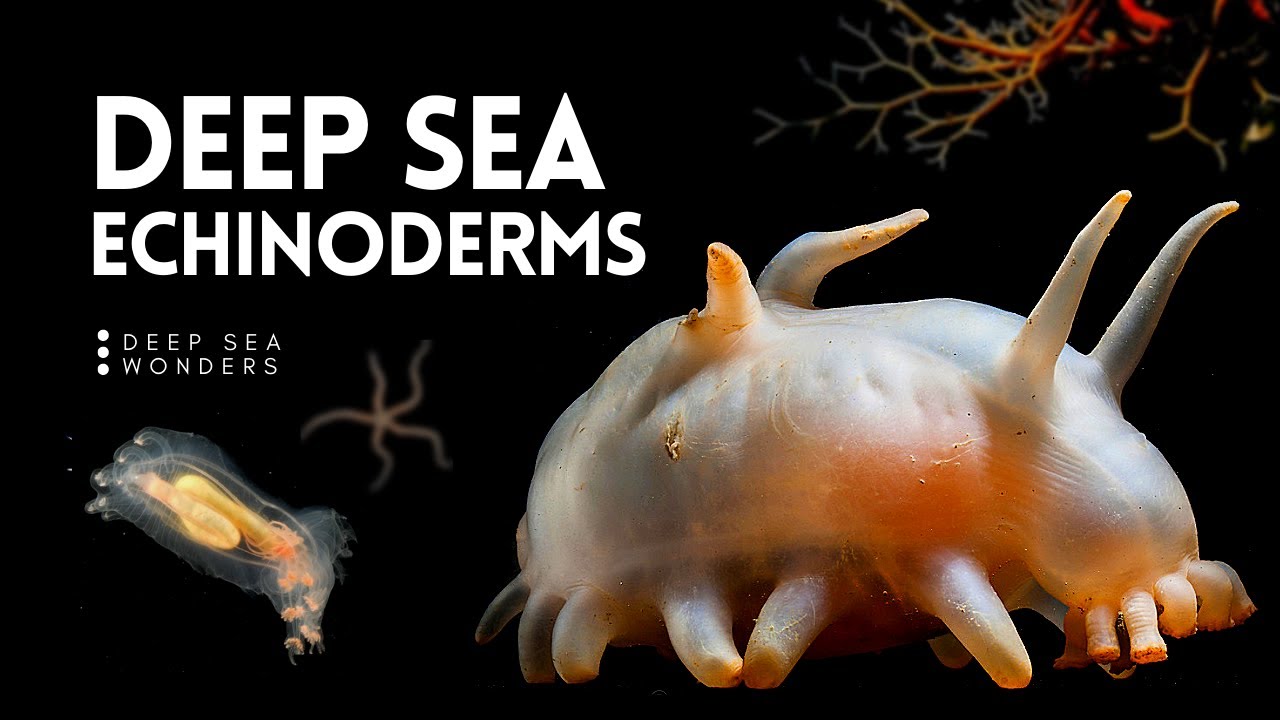
Echinoderms, including starfish, sea cucumbers, and brittle stars, exhibit unique features such as radial symmetry and calcium carbonate skeletons, highlighting their ecological significance.
Skates and rays, part of the superorder Batoidea, exhibit diverse hunting strategies and adaptations, thriving on the ocean floor and in open waters.
Various strange and wonderful creepy crawlers from around the world are highlighted through informative footage in this episode of Amazing Animals.
A survivalist faces attacks from blood-sucking insects that leave behind bites causing intense itching and pain.
Up to 40-pound Asian carp jump out of the water, posing dangers to boaters while local residents compete to catch as many as possible on the Illinois River.
In Vancouver's Stanley Park, a polar bear cub and a Chinese boy experience parallel lives that reflect their growth and aging over the years.
Vancouver's Stanley Park Zoo superintendent discusses the challenges of feeding and acclimatizing various birds and animals from different regions.
Chester Zoo is preparing for the arrival of new penguin chicks after a successful breeding season on Penguin Island.
A 38-year-old tree surgeon falls 25 feet off a ladder, suffering an unstable L1 fracture and a large occipital wound, requiring urgent surgery.
Marine biologist Tierney Thys, inventor Tan Le, and forest ecologist Nalini Nadkarni examine how exposure to nature enhances mental health and cognitive function.