From over 100,000 films, discover the handful you'll love.
Free or premium access to the world's largest documentary library.
7951 films(Page 36 of 166)
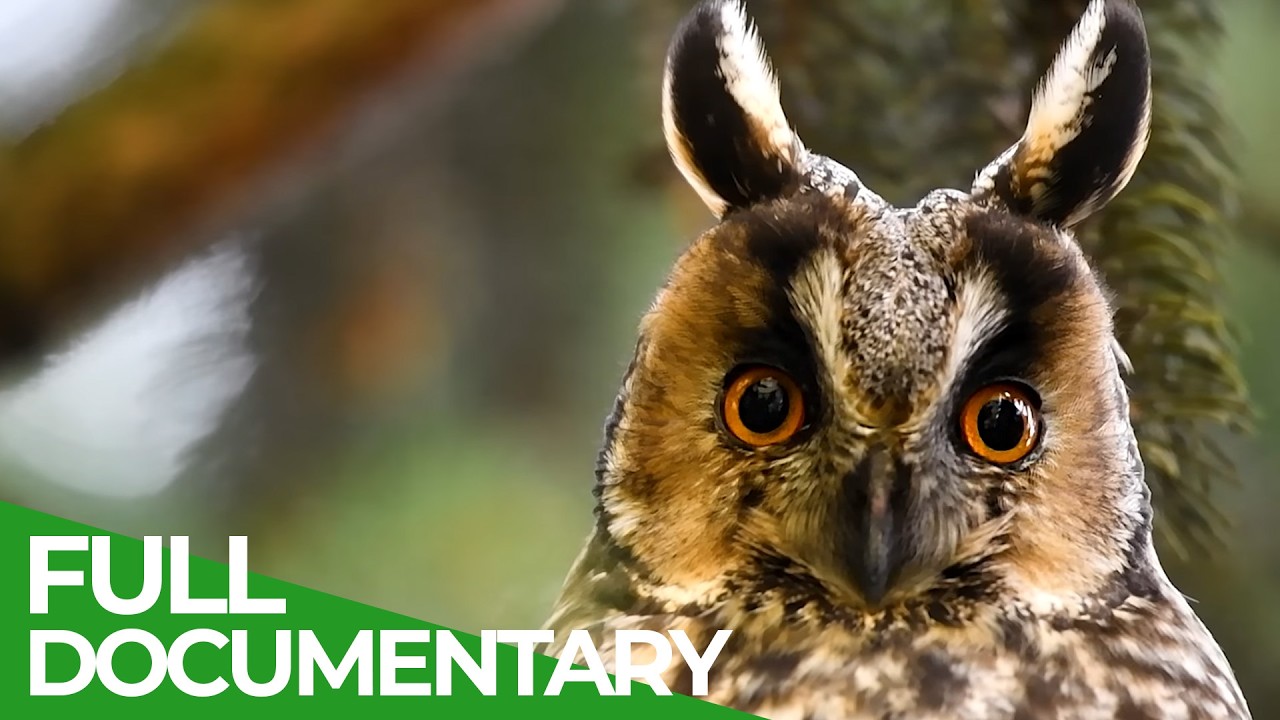
In Northern Hungary's Bükk Mountains, the changing seasons reveal the lives of the forest's inhabitants, including the eagle owl, fire salamander, fox, and wildcat.
A solar blast recorded in 1859 traveled at over 8 million kilometers per hour, causing widespread disruptions to telegraph systems across the globe.
One snake is spotted by Tess Lee as she hunts alone in the Florida swamps, facing the challenges of capturing invasive pythons without her partner.
In Namibia's coastal region, rare brown hyenas, studied by Ingrid Wiesel, hunt for their own prey in a challenging environment where food and water are scarce.
In South Africa, private militias like Pit Track patrol nature reserves to combat rampant rhino poaching, where four rhinos are killed daily for their valuable horns.
Tibet's high-altitude plateau, sitting at 42,000 feet, is home to diverse wildlife, including the largest macaque species that thrives in harsh conditions.
Evrard Wendenbaum's exploration of Madagascar's Makay Massif reveals its rich biodiversity and archaeological significance, alongside the environmental threats it faces.
A tidal range of six meters in Brittany reveals a dynamic coastline where seals thrive on small islands and navigate the turbulent Atlantic waters.
The prairie First Nations of Canada have shaped the landscape for millennia, using controlled burns to maintain habitats for the North American bison.
Three cheetah cubs are left to fend for themselves after their mother abandons them on Savannah Lane, facing the challenges of survival in the wild.
A 10 cm baby catshark grows in its egg for 8 to 15 months before fending for itself in the cold waters of western Sweden.
In the cloud forests of Sri Lanka, unique species like blue magpies and purple-faced monkeys thrive in isolated microclimates shaped by dual monsoons.
Slavko, a migrating wolf, travels over 1,000 kilometers from Slovenia to northern Italy, monitored by Slovenian wolf expert Hubert Potočnik.
People celebrate autumn and winter traditions, including fishing in Japan and honey collection in Bashkiria.
The Oriental Dwarf Kingfisher, one of the world's rarest birds, is documented over a year as it navigates monsoons, droughts, and predators to raise its young.
Fire salamanders have thrived in the urban environment of Oviedo, Spain, since the 8th century, despite the absence of permanent water bodies essential for amphibian reproduction.
Bardenas Reales, located near the Pyrenees in Spain, features a unique desert landscape that supports resilient wildlife despite extreme conditions.
A colony of acetone ants, consisting of nearly one million individuals, conducts daily raids in the Amazon jungle, competing for survival against a young jaguar.
In Ethiopia, a young wolf named Megeti faces the challenges of survival after losing her pack, navigating foreign territories and seeking acceptance from new groups.
The Humboldt Current, originating from Antarctic ice, flows along South America's Pacific coast, supporting diverse marine life including blue whales and penguins.
The Lembeh Strait, located between the Indonesian islands of Lembeh and Sulawesi, showcases an extraordinary marine ecosystem with unparalleled biodiversity and unique survival adaptations.
Asia, home to the largest population of wild cats, showcases their unique adaptations and survival challenges across diverse environments from the Caucasus Mountains to Borneo.
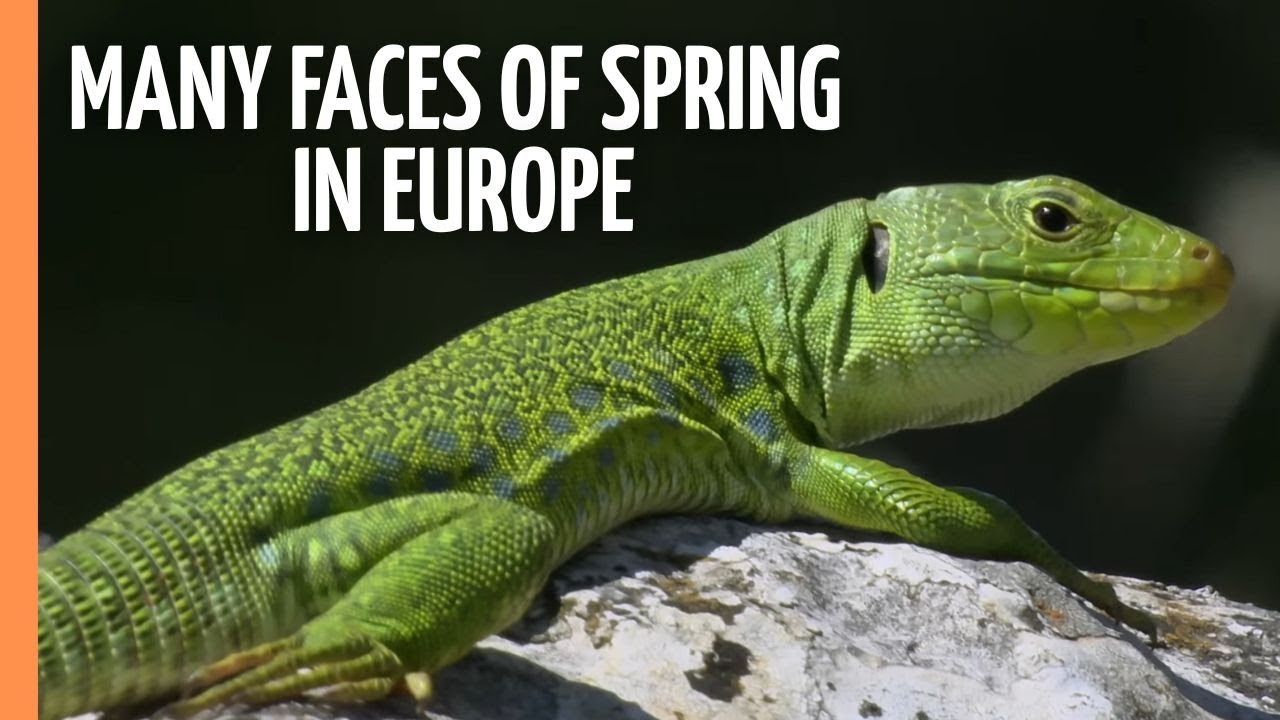
Temperatures in Spain reach 20 degrees Celsius as spring awakens wildlife and transforms landscapes from the Mediterranean to the high mountains.
David Attenborough narrates wildlife scenes that highlight the behaviors of crabs, pigeons, and a small nocturnal hunter in their natural ecosystems.
Thirty wood bison are rounded up in Elk Island National Park, Alberta, for transfer to an Indian band in Northern Alberta as part of a conservation effort.
Cuba's unique ecosystems, including the Zapata swamp and Jardines de la Reina archipelago, showcase rich biodiversity and vital conservation efforts.
Snowy owls can lay up to eleven eggs, but declining lemming populations threaten the survival of their young in the Arctic tundra.
Moorlands are home to unique ecosystems featuring carnivorous plants, vibrant wildlife, and seasonal events like the rutting dance of Great snipes and crane chick hatching.
A frog can jump more than 30 times its body length to escape predators, demonstrating the survival strategies found in nature's relationships.
Myanmar's rich biodiversity, featuring endangered species like the Dusky Leaf Monkey and Wild Asian Elephant, is showcased alongside its stunning wetlands and cultural heritage.
David Guttenfelder paddled through the Apostle Islands in Lake Superior, facing eight-foot waves and lightning storms during his 18-day kayaking trip.
A deep crack in Iceland widens by 2 cm each year, revealing unique ecosystems where hardy fish and algae thrive in extreme conditions.
In the Maasai Mara, experts guide a live safari experience focused on observing lions, elephants, buffalo, and other wildlife.
Australia covers an area twice the size of the European Union, yet has only one 20th of the population, resulting in a low density of two inhabitants per square kilometer.
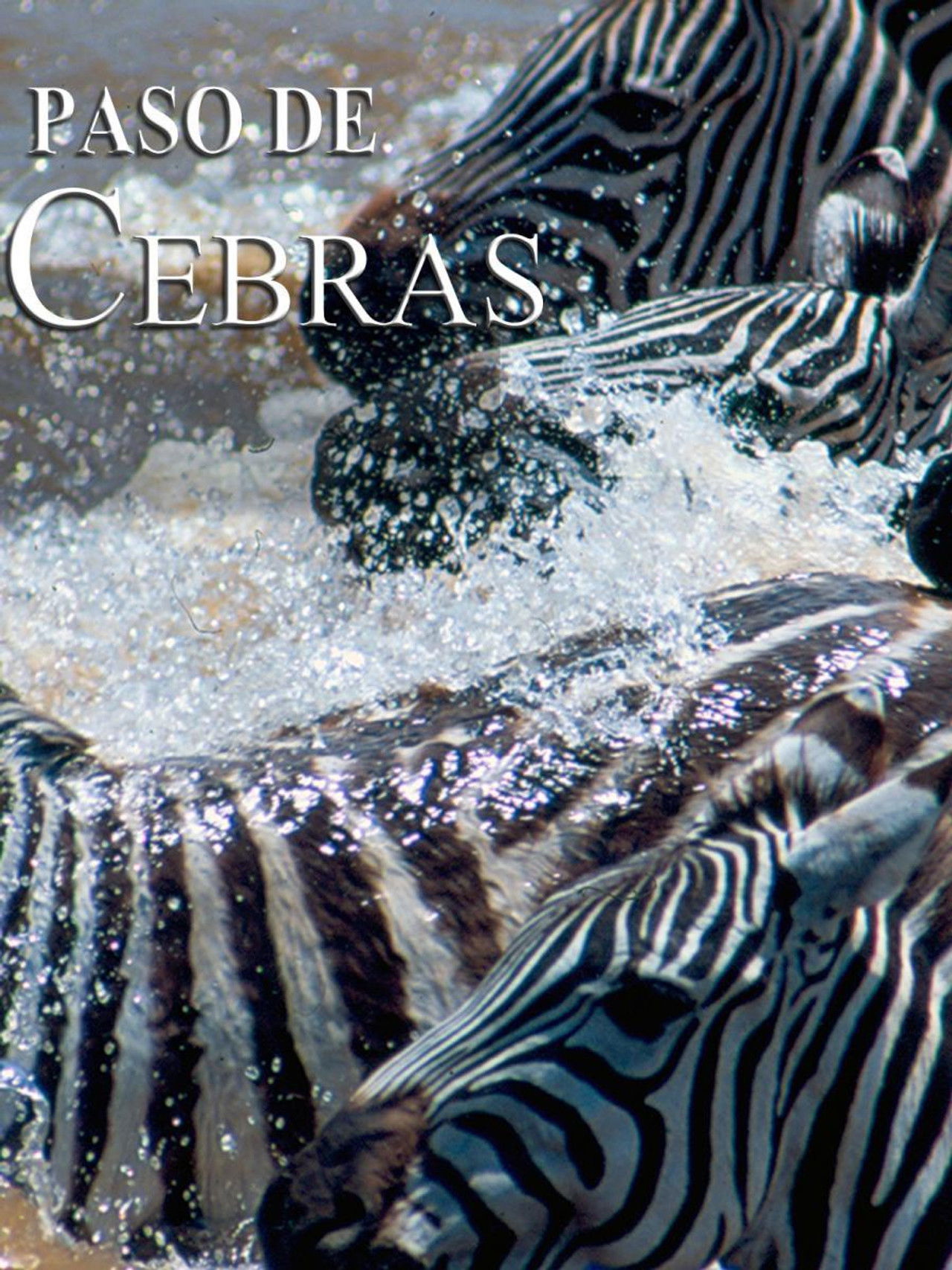
Hundreds of thousands of zebras migrate across East Africa, facing significant dangers that threaten their survival in the Mara ecosystem.
Over a million swifts inhabit the waterfalls of the Amazon rainforest, creating a spectacle as they dive and swirl in unison.
Wild populations of African lions have declined from around 450,000 in the 1940s to an estimated 32,000 today due to human-wildlife conflict and poison use.
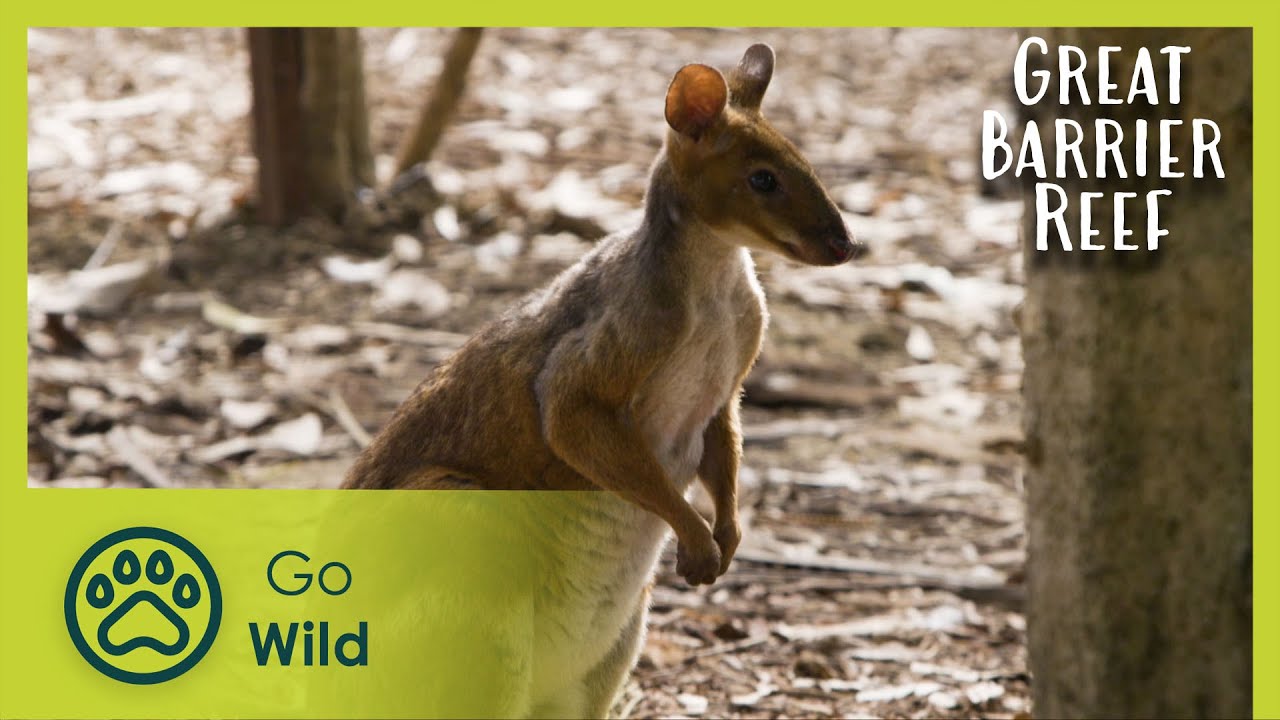
The Great Barrier Reef, a UNESCO World Heritage site, is home to diverse ecosystems where ancient rainforests meet vibrant marine life along Australia's coast.
Brazil's diverse ecosystems, including the Pantanal's unique seasonal transformations, showcase some of the planet's last wild frontiers and lesser-known animal species.
Extreme planets are examined through supercomputer simulations that visualize their violent conditions and the cosmic events surrounding supermassive black holes.
Colorado's Rocky Mountain range features diverse ecosystems, including alpine tundra and woodlands, supporting unique wildlife like yellow-bellied marmots and Rocky Mountain goats.
Yellowstone's supervolcano last erupted 640,000 years ago and is now overdue, with the next eruption expected to be the largest natural explosion in Earth's history.
Across the Arctic, Siberia, and the Himalayas, wildlife such as polar bears, reindeer, and snow monkeys adapt to survive the harsh winter conditions.
In the wilds of North America, two wolf packs demonstrate their hunting strategies as one targets a swift hare while the other pursues a weakened elk.
In Yellowstone National Park, Common Ravens exhibit remarkable intelligence and survival strategies, including their unique partnership with wolves in the Lamar River Valley.
Over 1.2 million wildebeests migrate from the Serengeti into Kenya's Masai Mara, creating one of the largest wildlife spectacles on Earth.
A black stork pair successfully raised three chicks in the forests of Germany, marking a significant return of the species to its natural habitat.
Only 3,200 tigers remain in the wild today, down from 100,000 a century ago, primarily due to habitat loss and poaching.










![Documentary backdrop image for Discovering Colorado's Rocky Animal Empire [4K] | Expeditions With Patrick McMillan (2021)](https://i.ytimg.com/vi/U-cMN6TmAbw/maxresdefault.jpg)