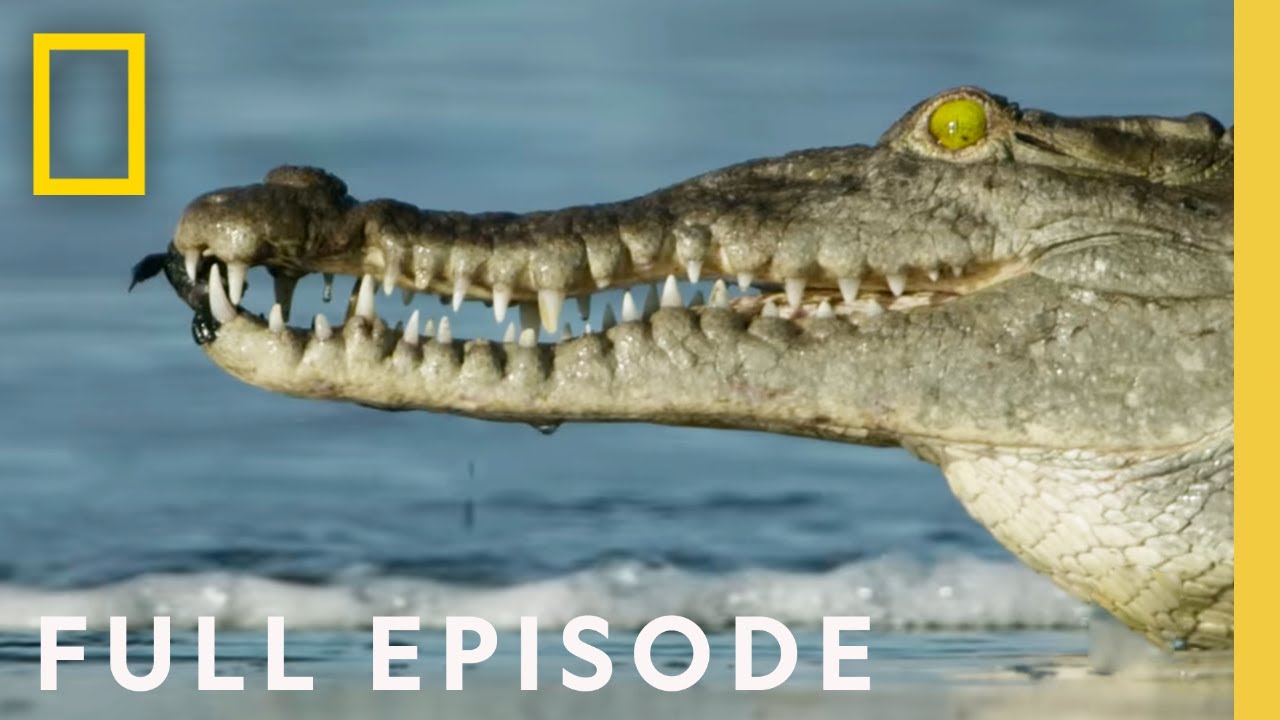
Oceans
Synopsis
Only 10% of Olive Ridley turtle hatchlings survive on the Costa Rican coast as they face predators and environmental changes.
Synopsis
On the Costa Rican coast, an Olive Ridley turtle returns to lay her eggs, part of a cycle that has persisted for 30 million years. Only 10% of hatchlings survive as they face threats from predators and environmental changes. In the frigid waters, orca pods hunt herring, using coordinated tactics to capture their prey. Meanwhile, rockhopper penguins navigate stormy waves to feed their chicks. Rising sea temperatures push fish to cooler waters, forcing marine animals to adapt to a rapidly changing environment.
Deep Dive
Why Watch
- See Olive Ridley turtles return to lay eggs after 10 years.
- Find out how orcas coordinate attacks to hunt fish.
- Meet the dangers rockhopper penguins face in stormy seas.
Did You Know
- Only 10% of Olive Ridley turtle hatchlings survive on the Costa Rican Coast.
- Oceans cover 70% of the Earth's surface and provide 99% of habitable space.
- Orcas can stun up to 30 fish with each tail slam during hunting.
- A matriarch orca can be up to 70 years old and leads her pod in hunting.
- Half of encounters between seals and sharks end badly for the seals.
Perfect For
Frequently Asked Questions
What percentage of hatchlings survive on the Costa Rican Coast?
Only 10% of the hatchlings born on the Costa Rican Coast will survive.
How much of the Earth's surface do oceans cover?
Oceans cover 70% of the Earth's surface.
How long does it take for an Olive Ridley turtle to return to lay eggs?
An Olive Ridley turtle will return to the shores to lay eggs in 10 years.
What are people saying?
Play More Like This





Where else to watch



Related Films
Is this your film?
If you made this film or hold the rights to it, we'd like to talk. We can license it and pay you a share of what it earns.
Comments