From over 100,000 films, discover the handful you'll love.
Free or premium access to the world's largest documentary library.
21 films
Only 10% of Olive Ridley turtle hatchlings survive on the Costa Rican coast as they face predators and environmental changes.
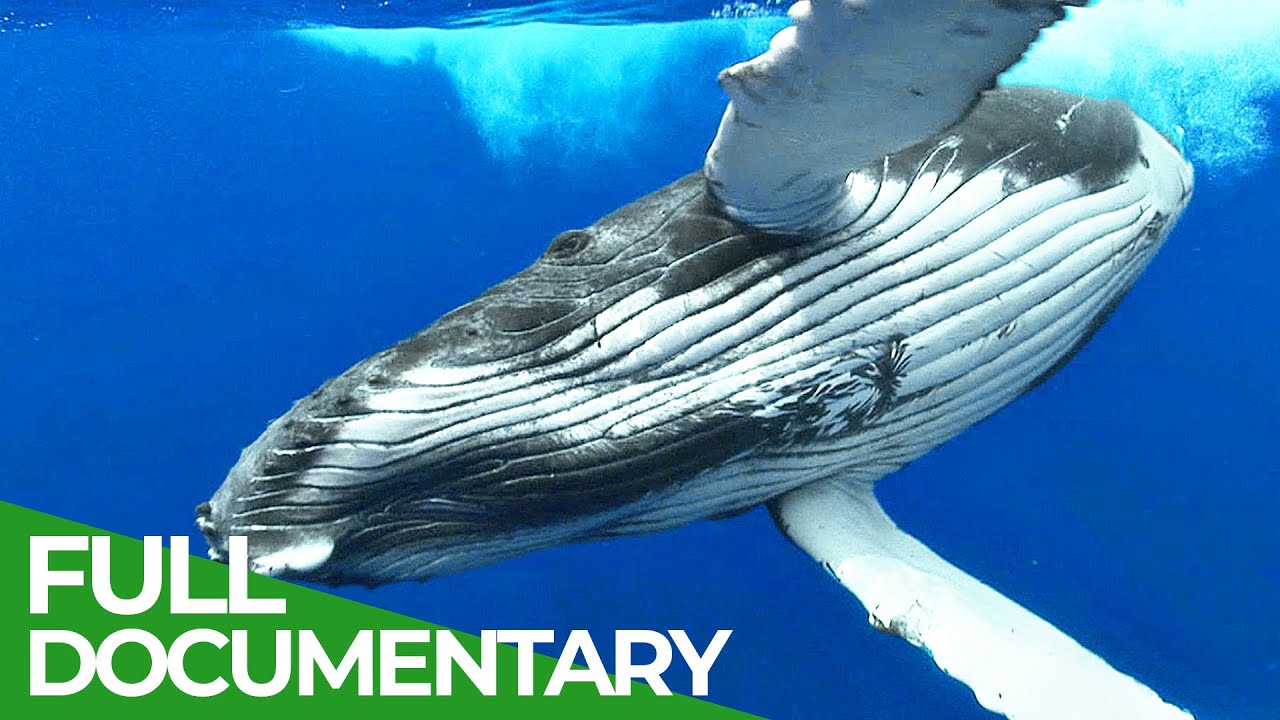
A female humpback whale journeys 3,000 miles from Alaska to Hawaii, where she gives birth to a calf and prepares for their return trip.
A sooty tern can spend the first four years of its life entirely on the wing, avoiding water to prevent drowning in the Pacific Ocean.
Kilauea's lava erupts at nearly 2,000 degrees Fahrenheit, consuming roads, forests, and neighborhoods in Hawaii.
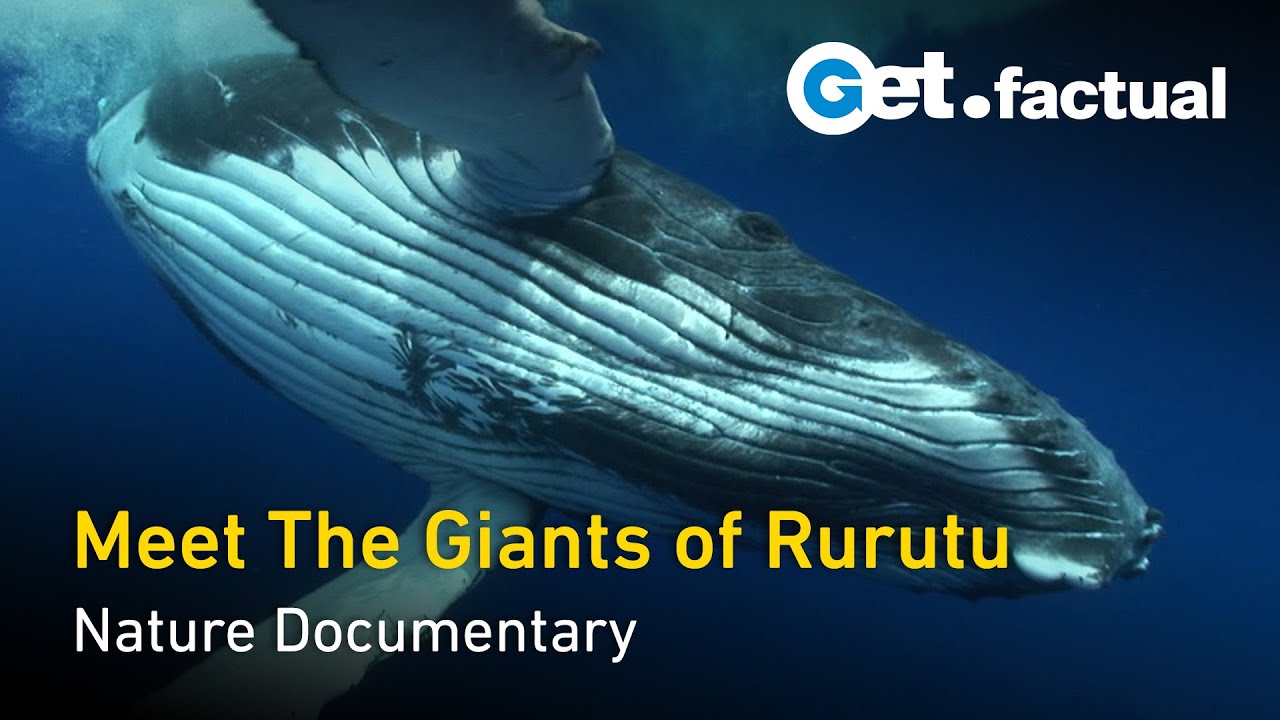
Humpback whales, weighing up to 36 tonnes and measuring 19 metres long, migrate 7,000 kilometres from Antarctica to the island of Rurutu each year.
A full-scale humpback whale sculpture, measuring 13 and three-quarters feet, is constructed in 10 weeks for the Burning Man festival in Nevada.
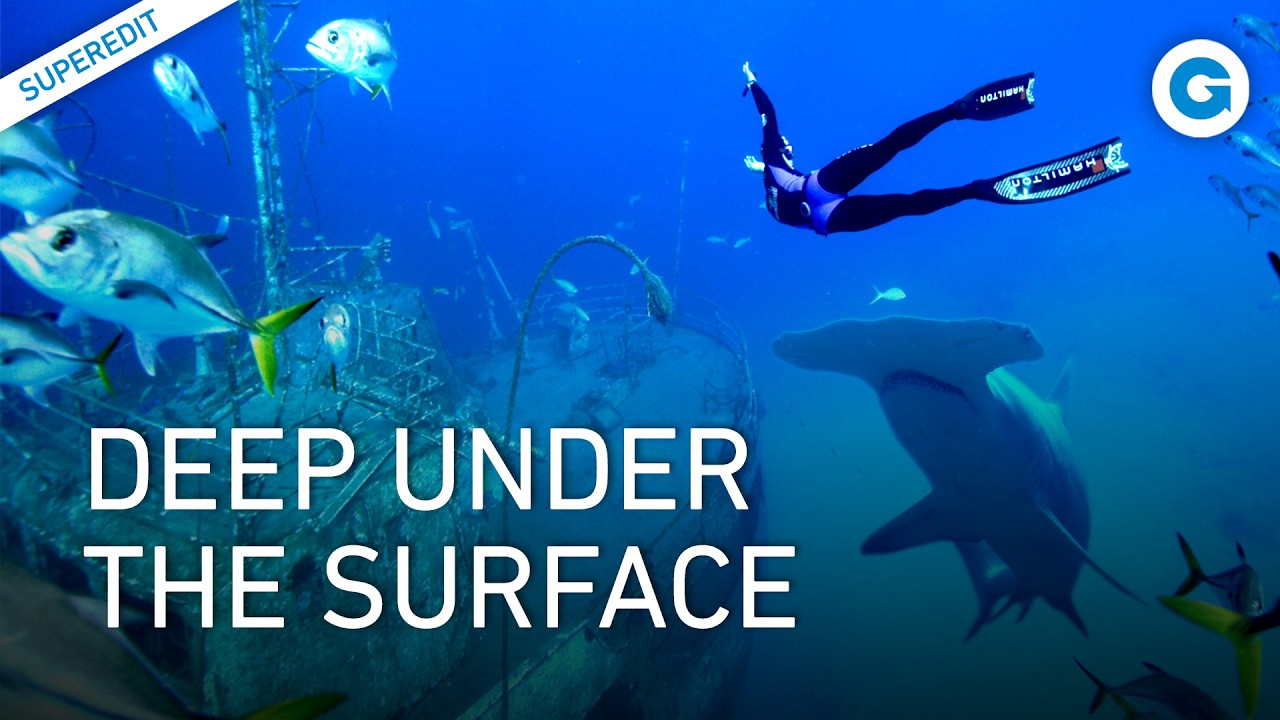
In Guadalupe Island, world-class freedivers Frederic Buyle, William Winram, and Pierre Frolla collaborate with marine biologist Dr. Mauricio Hoyos to tag great white sharks without protection.
Pulses of ultrasound can restore memory function in mice with Alzheimer's, demonstrating sound's potential in medical treatment.
Humpback whales, once nearly extinct due to extensive hunting, now gather in Rurutu, Polynesia, from July to November to give birth and mate.
4.5 kilometers from the Kora Peninsula lies the 1,200-meter deep Kora Canyon, a vital feeding ground for Dusky Dolphins and other marine life.
Whale scientist Nan Hauser recounts her experience of being saved from a shark by a humpback whale and the subsequent return of the same whale.
Humpback whales travel 3,000 miles from Alaska to Hawaii each year to breed and give birth, facing numerous challenges along the way.
Cetaceans, including baleen and toothed whales, exhibit diverse hunting techniques and vocalizations while migrating thousands of miles across the ocean.
A team of researchers tags an 18-foot great white shark using a life-sized whale decoy during a feeding frenzy off the coast of South Africa.
Humpback and sperm whales display their communication, feeding strategies, and social structures in this 19-minute documentary featuring BBC Earth footage.
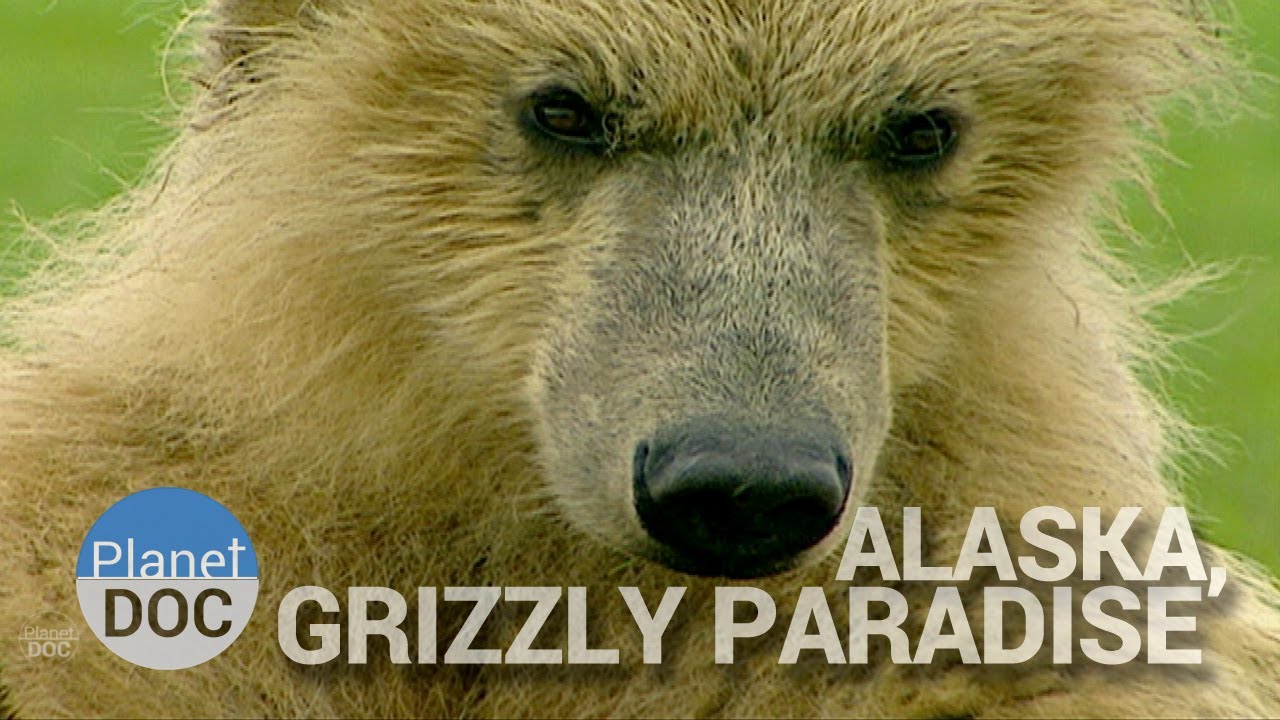
One and a half million square kilometers of Alaska's wilderness support a diverse ecosystem, including the iconic grizzly bears that roam its vast landscapes.
Whale species exhibit remarkable feeding habits and strong family bonds, highlighted through a countdown of the top five memorable moments captured by BBC Earth.
A 30-year-old VHS tape recorded in Barmby Place, Bradford, reveals shadowy figures that have drawn attention to the house's haunted reputation.
One moose is hunted each year by Robert Moberg's father to provide food for their family of seven in rural Alberta.
In November 2007, Japanese whalers plan to kill a quota of 50 humpbacks, raising concerns in Tonga where whale tourism is vital to the local economy.