Film Lens
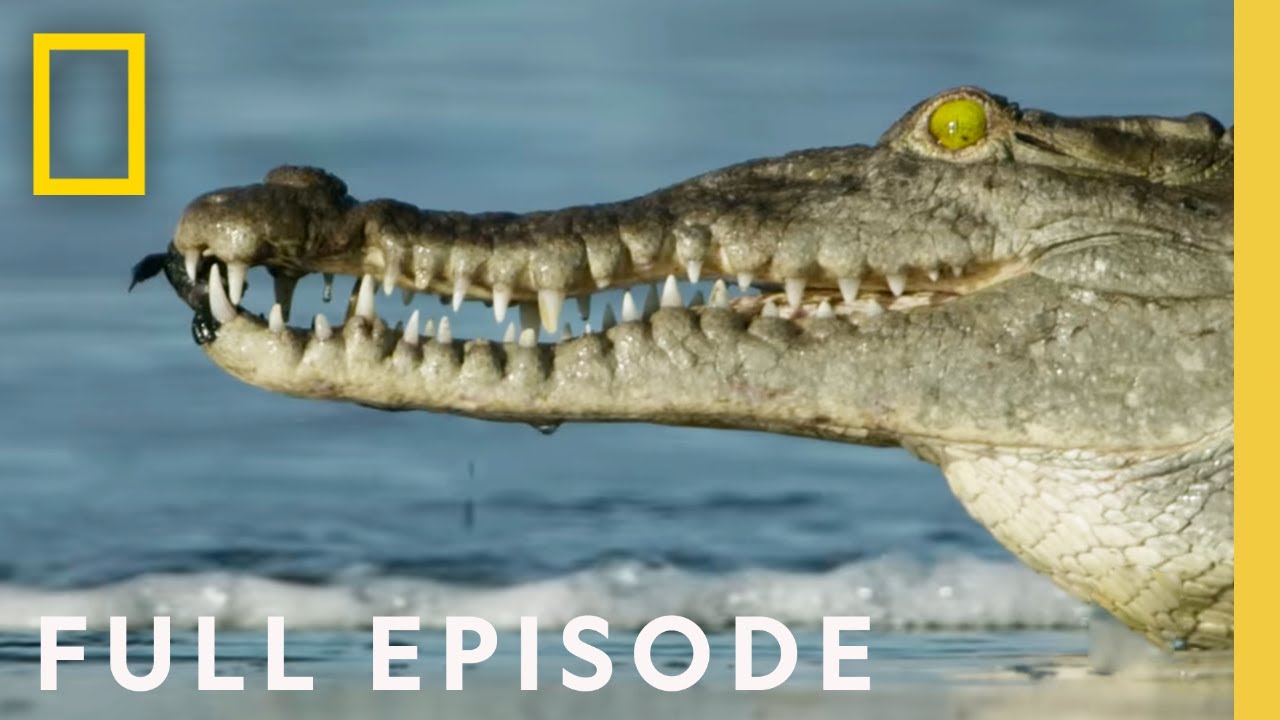
The documentary focuses on the lives of various marine animals, particularly the Olive Ridley turtle, which is seen returning to the Costa Rican Coastline to lay eggs after a decade. It illustrates the challenges these creatures face in an unpredictable ocean environment where only 10% of hatchlings survive their early life. The film captures the complexity of survival at sea, highlighting the interactions between predators and prey, such as the great white shark and seals, and the cooperative hunting strategies of orcas.
Additionally, the film emphasizes the impact of rising sea temperatures on marine ecosystems, pushing fish to cooler waters and altering traditional hunting grounds. It presents the annual migration of orcas led by a matriarch, demonstrating their specialized hunting techniques in competitive environments. The documentary paints a vivid picture of the ocean as a dynamic and often perilous habitat, where life has thrived for millions of years despite ongoing changes.
Why Watch
- •See Olive Ridley turtles return to lay eggs after 10 years.
- •Find out how orcas coordinate attacks to hunt fish.
- •Meet the dangers rockhopper penguins face in stormy seas.
Did You Know
•Only 10% of Olive Ridley turtle hatchlings survive on the Costa Rican Coast.
•Oceans cover 70% of the Earth's surface and provide 99% of habitable space.
•Orcas can stun up to 30 fish with each tail slam during hunting.
•A matriarch orca can be up to 70 years old and leads her pod in hunting.
•Half of encounters between seals and sharks end badly for the seals.
Perfect For
Marine biologyWildlife conservationOceanography