
Exploring the North Atlantic
Synopsis
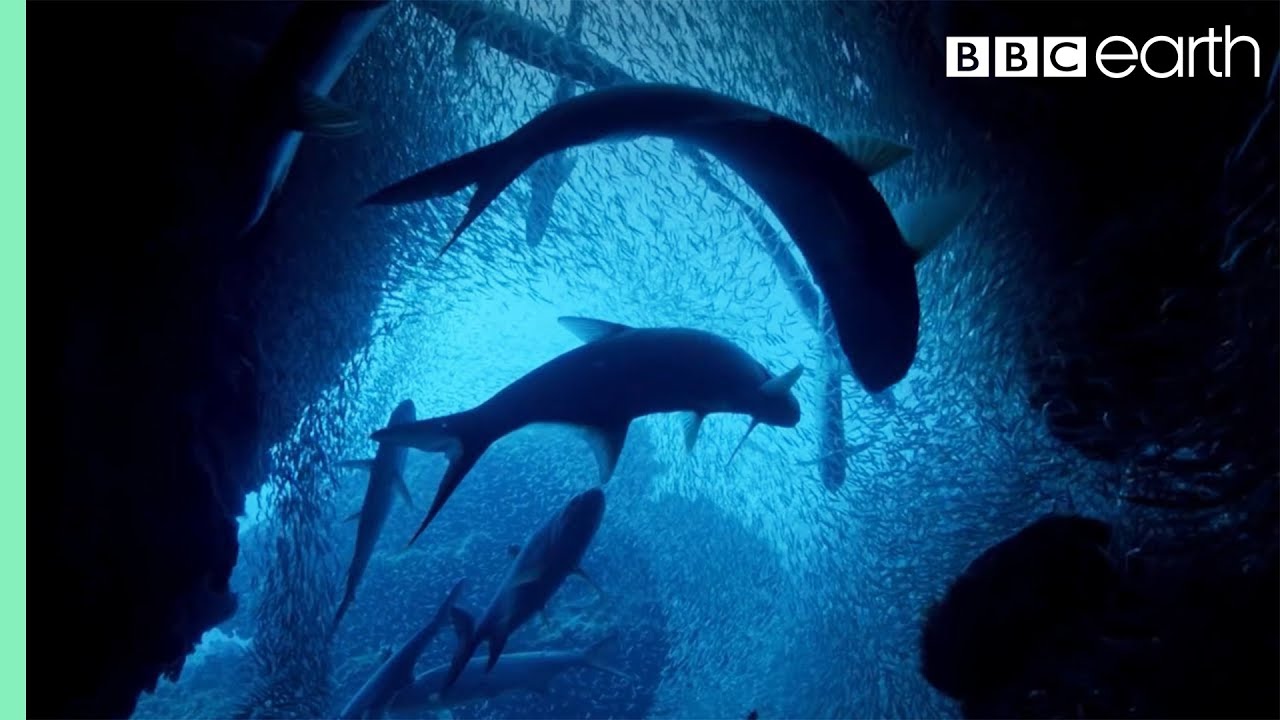
Blue sharks migrate annually to seamounts in the Mid-Atlantic Ridge, where nutrient-rich waters create fertile feeding grounds for various marine species.
Synopsis
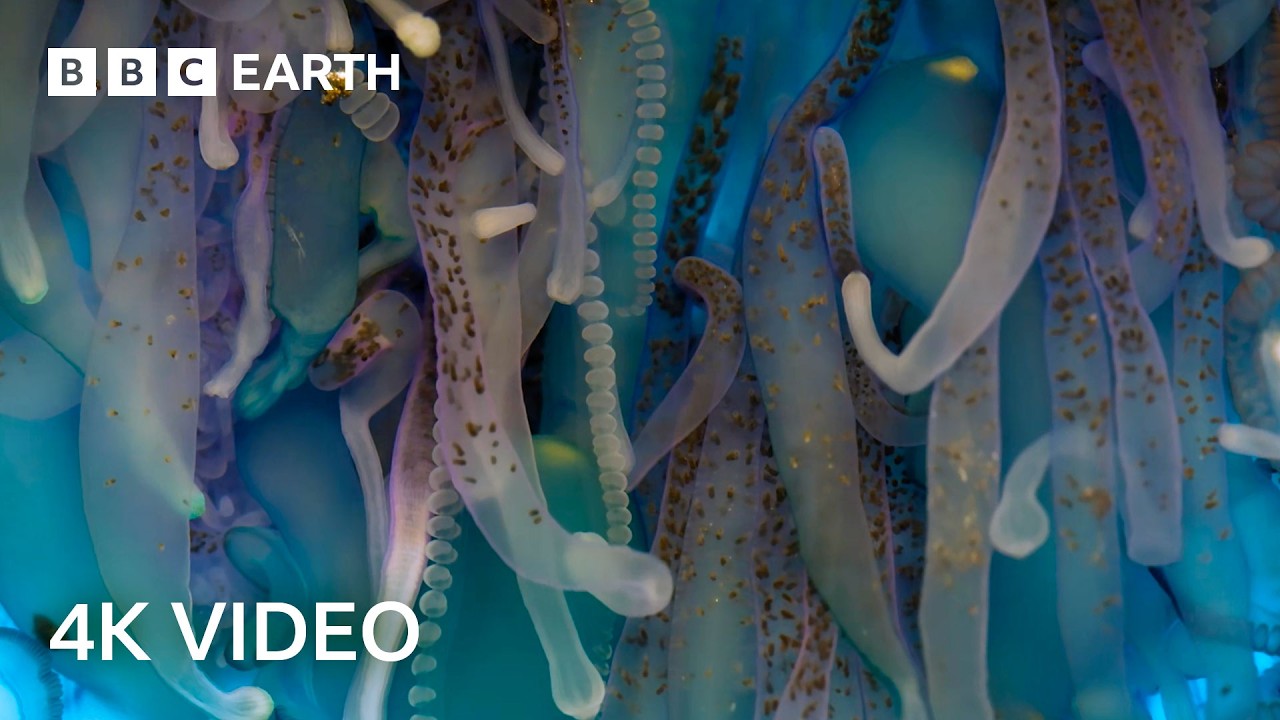
Ken O’Sullivan dives in the North Atlantic to document the region's marine life, including jellyfish, fin whales, and blue sharks. He observes how jellyfish thrive in summer waters and provide shelter for juvenile fish. O’Sullivan visits underwater seamounts, which rise up to 100 kilometers from land, creating rich feeding grounds. He captures the action of killer whales herding herring, drawing attention to the complex relationships within the ocean's ecosystem. The film emphasizes the need for conservation efforts to protect these vital marine environments.
Deep Dive
Why Watch
- See how jellyfish impact fish stocks in surprising ways.
- Find out why blue sharks migrate to the Mid-Atlantic Ridge.
- Meet the diverse marine life thriving around underwater mountains.
Did You Know
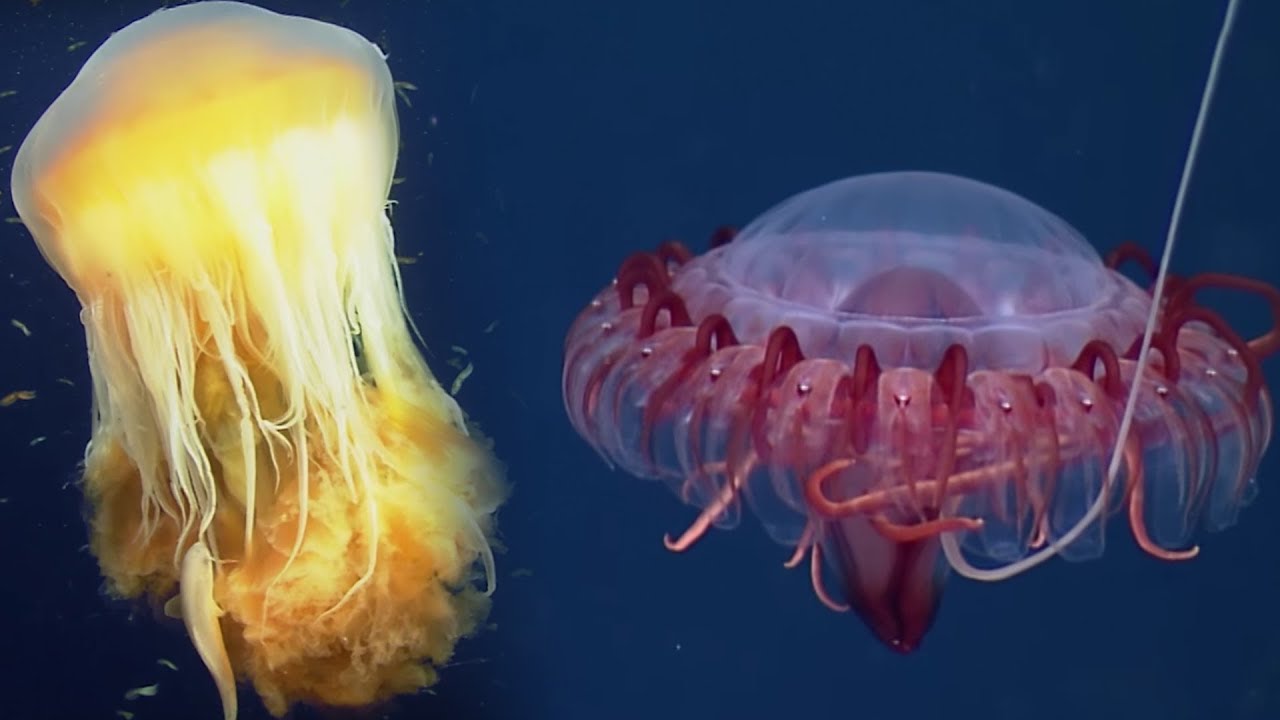
- Bird jellyfish are the largest in North Atlantic waters.
- Blue sharks migrate annually to the Mid-Atlantic Ridge for food.
- Jellyfish can live for just a few months and strive to reach maturity.
- Phytoplankton release a gas known as dimethyl sulfide that seabirds can smell.
Perfect For
Frequently Asked Questions
What are the largest jellyfish in the North Atlantic?
Bird jellyfish are the largest in the North Atlantic waters.
Why are jellyfish increasing in number?
Jellyfish numbers are increasing possibly due to a decline in their predators, such as turtles.
What do blue sharks migrate for?
Blue sharks migrate annually to areas where there will be fish, particularly around seamounts.
What are people saying?
Play More Like This




Where else to watch



Related Films
Is this your film?
If you made this film or hold the rights to it, we'd like to talk. We can license it and pay you a share of what it earns.
Comments