
Fixing The Declining Wolf Populations
Synopsis
Capture teams aim to relocate 20 to 30 wolves to Isle Royale National Park over a three to five-year period to address declining populations.
Synopsis
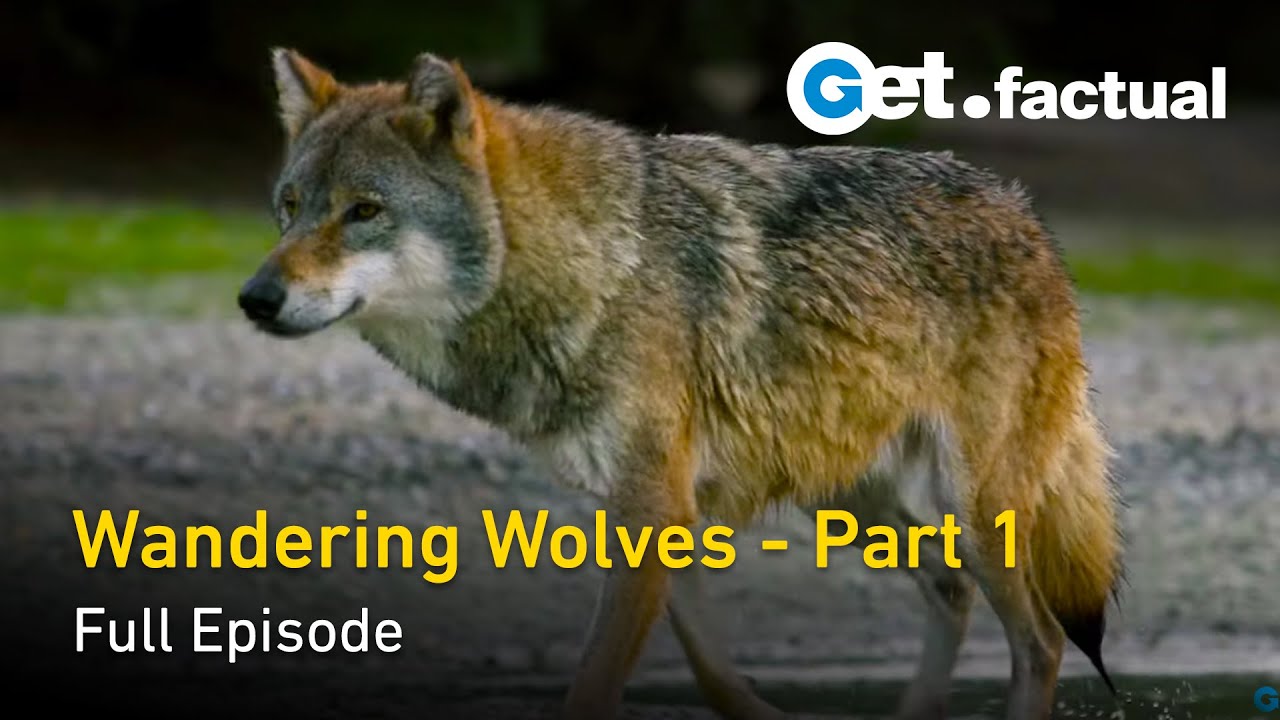
Deep winter covers Isle Royale National Park as teams from the U.S. National Park Service and Ontario’s Ministry of Natural Resources capture wolves for relocation. The plan aims to move 20 to 30 wolves to the park over three to five years. Captured wolves receive veterinary checks and vaccinations before their transport. The initiative addresses declining wolf populations, which are vital for the park's ecosystem. The film includes footage of their capture and insights from wildlife experts.
Deep Dive
Why Watch
- Follow capture teams as they relocate wolves to Isle Royale.
- See how wolves adapt to their new environment and challenges.
- Meet a rare black wolf that represents genetic diversity.
Did You Know
- Capture teams aim to relocate 20 to 30 wolves over 3 to 5 years.
- The black wolf captured is a rare color, indicating genetic diversity.
- Wolves on Michipicoten Island have wiped out all caribou due to food scarcity.
- The wolves receive vaccinations for common canine diseases before relocation.
- Isle Royale is located 20 miles off the Northwest Coastline of Lake Superior.
Perfect For
Frequently Asked Questions
What is the goal of the wolf capture teams?
The goal is to capture and move 20 to 30 wolves to a new home on Isle Royal National Park in Michigan over a 3 to 5 year effort.
What diseases are the captured wolves tested for?
The captured wolves are tested for diseases such as heartworm, parvo, and distemper.
How far is Isle Royal from the Northwest Coastline of Lake Superior?
Isle Royal sits 20 miles off the Northwest Coastline of Lake Superior.
What are people saying?
Play More Like This




Browse more like this





Related Films
Is this your film?
If you made this film or hold the rights to it, we'd like to talk. We can license it and pay you a share of what it earns.
Comments