From over 100,000 films, discover the handful you'll love.
Free or premium access to the world's largest documentary library.
16 films
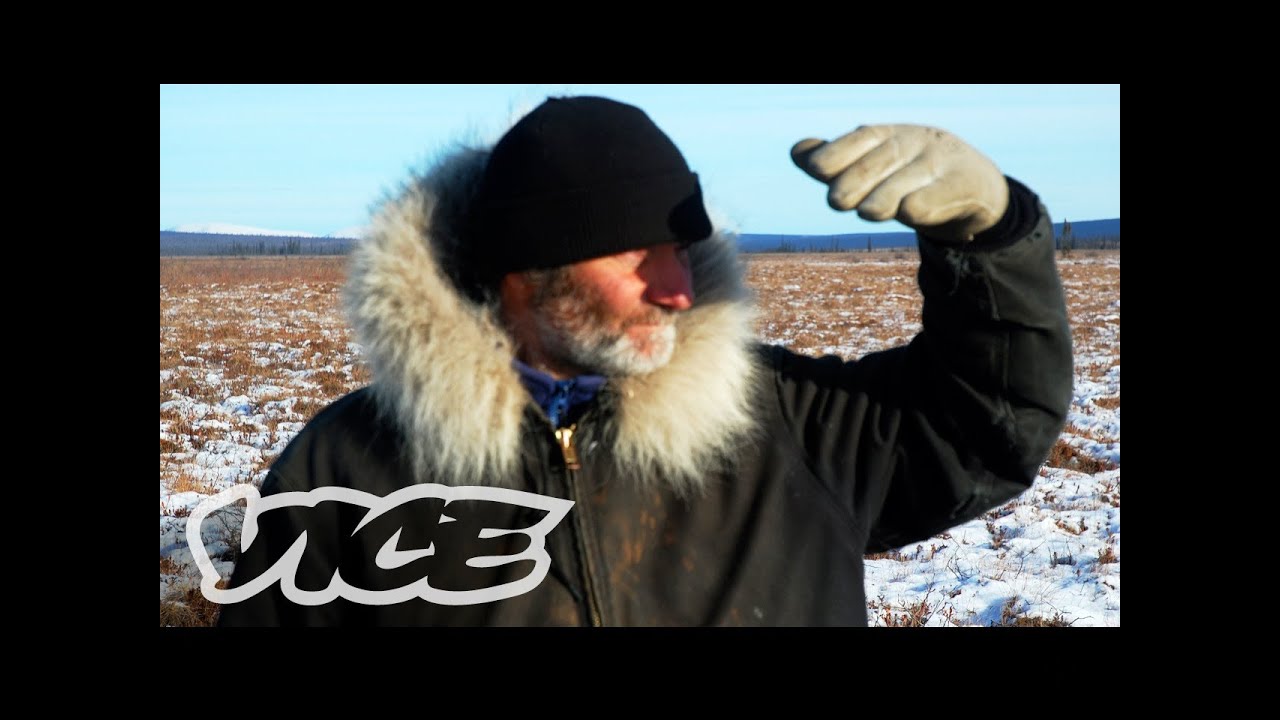
Heimo Korth and his wife Edna live more than 150 miles above the Arctic Circle, relying on traditional skills to survive in the Alaskan wilderness.
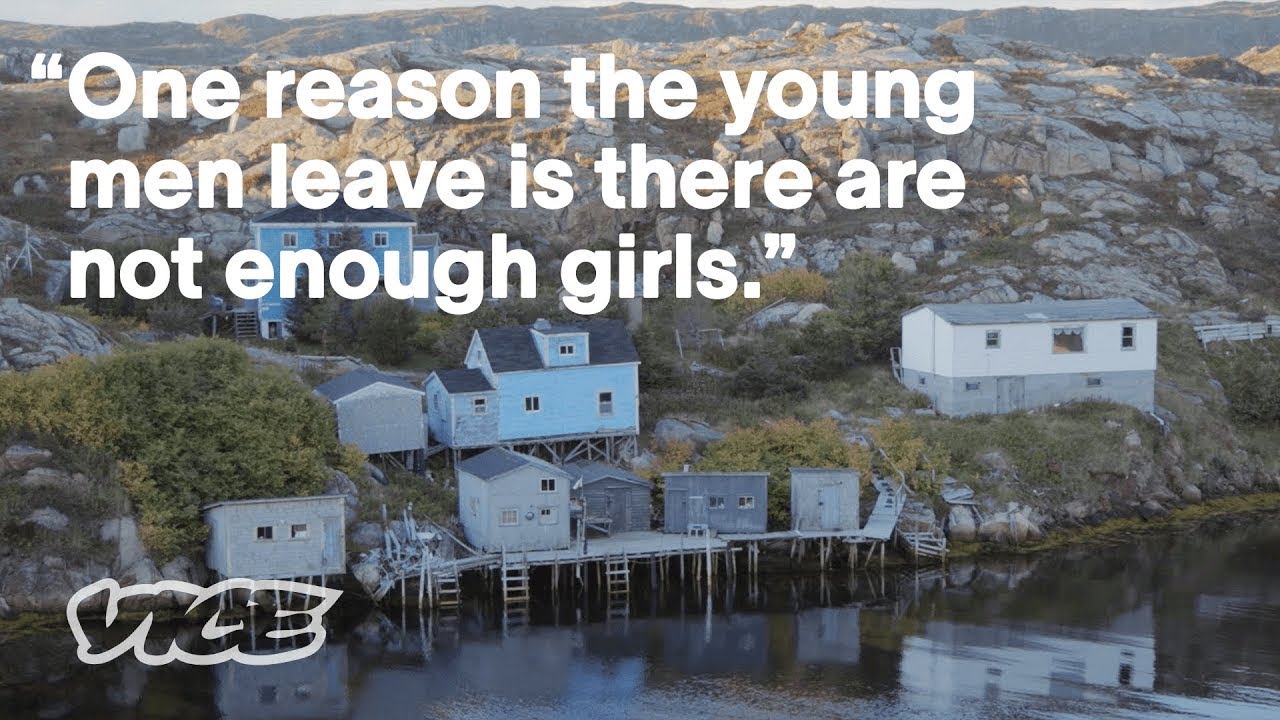
Rick visits Canada's east coast, revealing life in dying fishing towns scattered with dead communities.
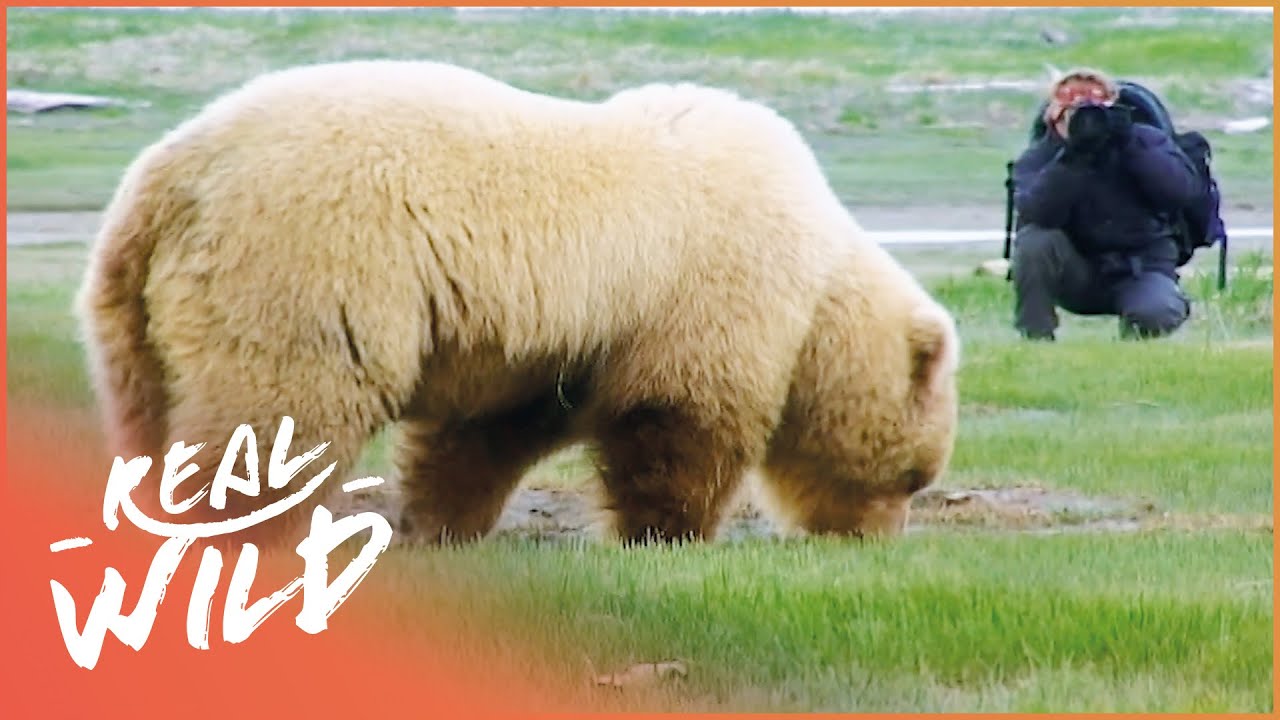
Andreas Keeling and his friend Greg search for giant grizzly bears in Alaska, where they encounter a caribou cornered by wolves in a dramatic hunt.
Heimo Korth, the last year-round resident of the Arctic National Wildlife Refuge in Alaska, survives in a 19 million-acre wilderness alongside polar bears and caribou.
300 gallons of ice are needed to provide drinking water for a family living in the harsh winter conditions of Alaska.
Six meals from a single caribou provide sustenance for Alaskans as they rely on traditional methods to survive in a harsh winter environment.
Bill Mason spent three years in the Northwest Territories capturing the behavior of northern timber wolves and Arctic wolves in their natural habitat.
A man tracks fresh blood and wolf prints in the snow while searching for food in Alaska's unforgiving wilderness.
20,000 years ago, the first humans arrived in North America, coexisting with wolves and other wildlife before significant ecological disruption occurred.
Alaska's Arctic National Wildlife Refuge faces a contentious debate over oil drilling, pitting local subsistence lifestyles against potential economic benefits.
At only two weeks old, a caribou fawn separated from its mother attempts a dangerous swim across a river during the herd's migration.
Inuit artists recount experiences of hunting caribou and encounters with bears, blending traditional stories with animation techniques developed since 1973.
At 88 years old, Augusta lives alone in a cabin without electricity or running water, relying on a monthly pension of less than $250 to meet her needs.
A fragment of metal found in Newfoundland may provide evidence that the missing plane, the White Bird, reached North America in 1927.
Capture teams aim to relocate 20 to 30 wolves to Isle Royale National Park over a three to five-year period to address declining populations.
Five healthy pups are born to a mated pair of wolves, who must ensure their survival during the harsh winter months ahead.