From over 100,000 films, discover the handful you'll love.
Free or premium access to the world's largest documentary library.
3628 films(Page 67 of 76)
In September 2022, King Charles III reflects on the extraordinary life of service of his mother, Queen Elizabeth II, while preparing for his first televised address.
In January 2005, Benazir Bhutto becomes an icon for people everywhere after her death.
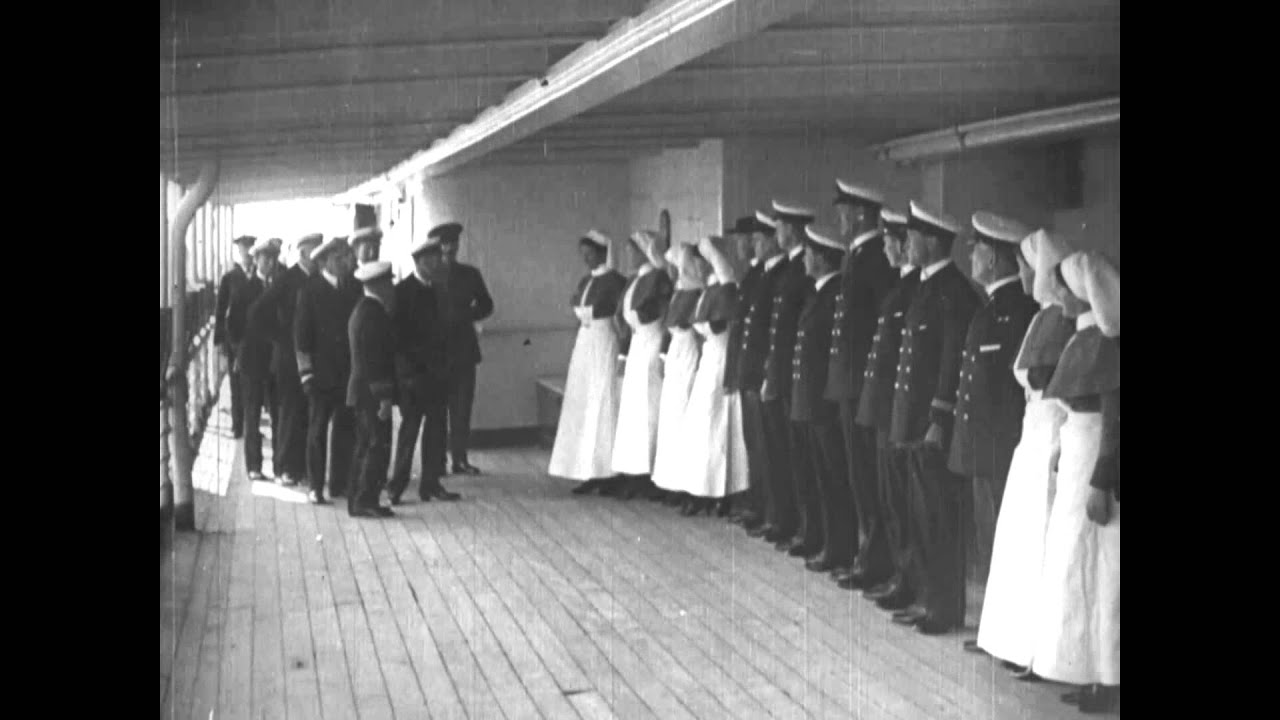
King George V visits the British fleet in 1918, meeting with Admirals David Beatty, de Robock, and Doveton Sturdee aboard various battleships.
On June 28, 1776, Thomas Jefferson presented a 1,500-word draft of the Declaration of Independence to the Committee of Five for review.
American astronaut Buzz Aldrin advocates for a human mission to Mars by 2035, reflecting on his experiences from the Apollo 11 mission.
State Secretary Charles Evans Hughes meets with delegates at the 1921 Disarmament Conference in Washington, D.C., alongside War Secretary John Weeks.
In 1913, Camille Claudel was committed to a psychiatric asylum, where she accused Auguste Rodin of persecution and stealing her artistic works.
Six of Canada's 30 professional astronomers are women, reflecting significant changes in women's roles in science and other fields since the early 20th century.
Giovanni Battista Casti was baptized on August 29, 1724, in Acquapendente, where he lived for eight decades and became a notable poet and librettist.
In 1919, Metz held public celebrations featuring parades and military honors for American General John J. Pershing and French General Philippe Pétain.
Bastille Day celebrations in Paris in 1918 featured President Poincaré, Premier Clemenceau, and Marshal Foch honoring Allied troops at the Hotel de Ville.
Charles Dickens's early life in Somerset and his struggles at a blacking warehouse shape his future.
Children affected by the Chernobyl disaster face ongoing health challenges from radioactive fallout.
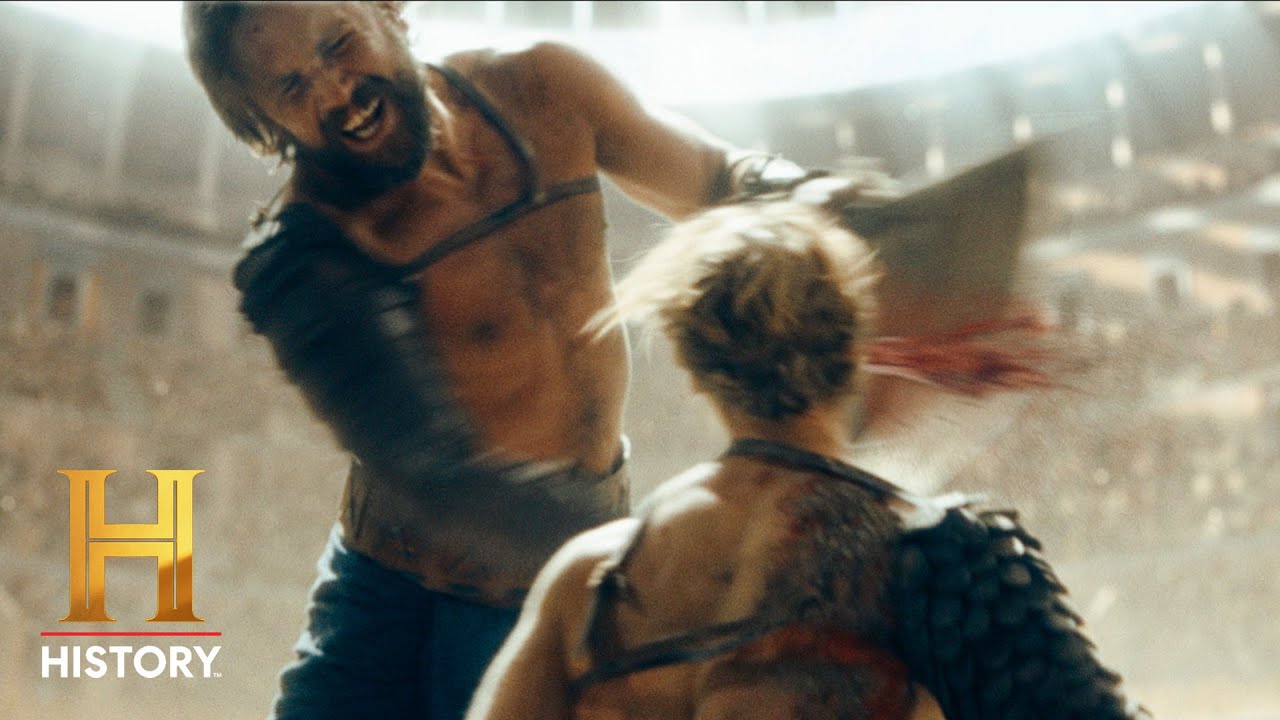
Two gladiators, Verus and Priscus, fought to the death in the Colosseum's inaugural games in 80 AD, marking a significant moment in Roman history.
Commodus transformed the role of emperor by becoming a gladiator, using the Colosseum to assert Rome's power and redefine the brutal life of slave-warriors.
2 million square miles defined the Roman Empire at its height, where Christianity began to challenge traditional beliefs and authority.
Beastmasters clash in a historic rivalry within Rome's iconic Colosseum.
Barbadian invaders threaten Rome, marking a new era in Roman history during Season 1, 'The Pagan.'
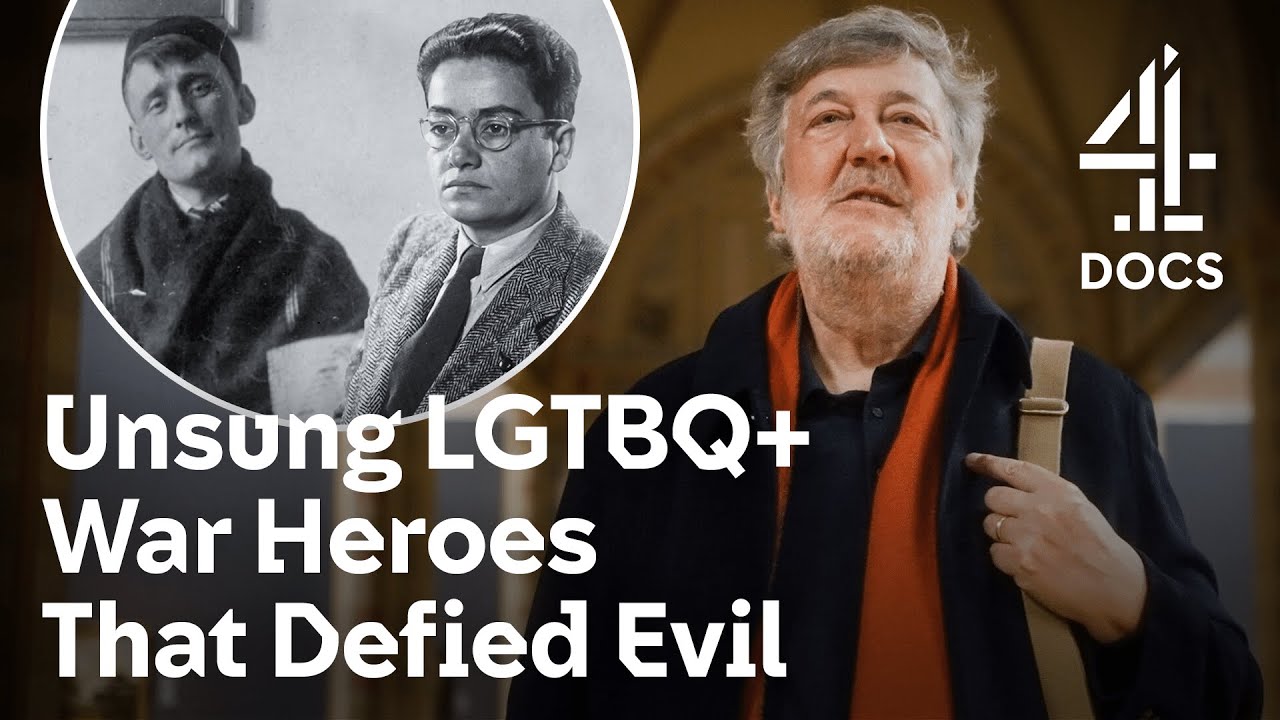
Stephen Fry highlights Willem Arondeus and Frieda Belinfante's bravery in saving Jews from Nazis.
Charles Darwin encountered a small fox-like creature during his voyage on the HMS Beagle but failed to recognize its significant evolutionary implications.
In 1973, the U.S. Congress passed the Percy Amendment, requiring foreign aid programs to address the specific needs of women in developing countries.
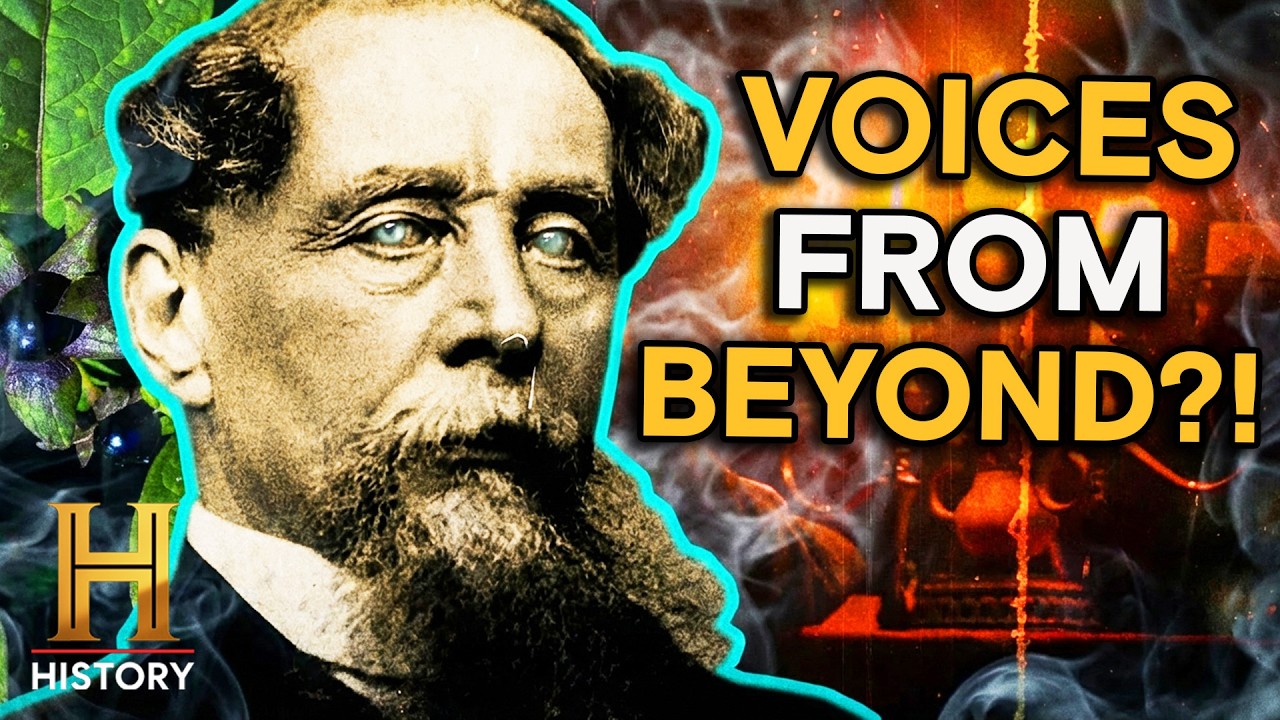
In 1870 England, after Charles Dickens' death, claims arise that his spirit continues his unfinished mystery through a medium.
In 1803 Italy, Giovanni Aldini conducted a controversial experiment using an executed prisoner's body to demonstrate reanimation through electricity.
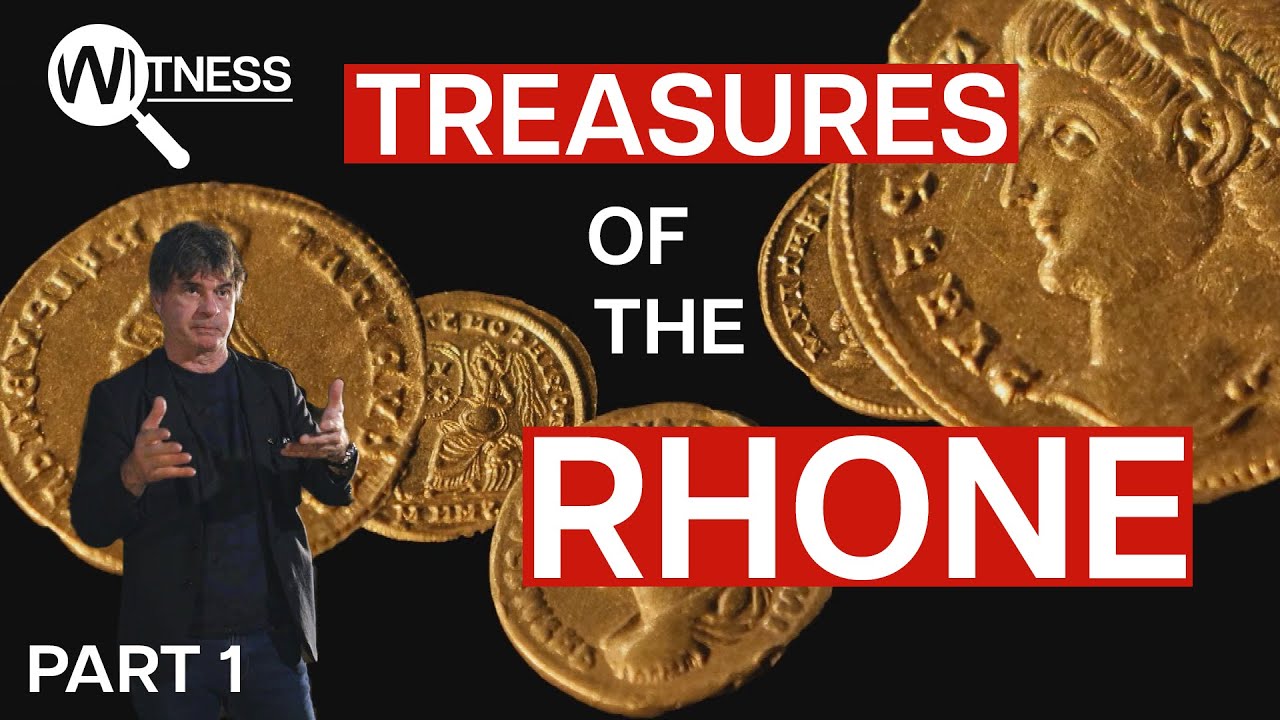
In the Rhône River near Arles, archaeologists and scuba divers investigate a 4th-century Roman shipwreck, revealing insights into the era's religious and political upheaval.
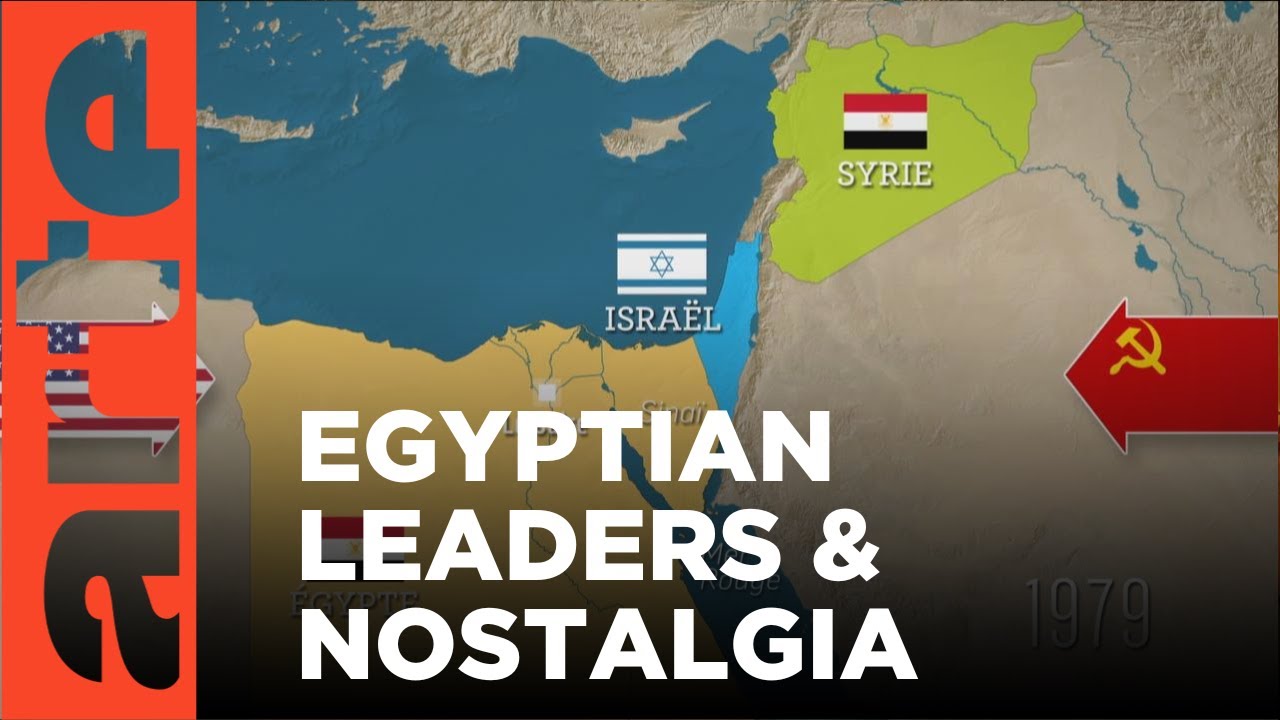
Egypt's pharaohs have shaped contemporary leadership in Egypt under President Abdel Fattah al-Sissi, reflecting a complex legacy of nostalgia and political identity.
Dwight D. Eisenhower returns to Washington, D.C., aboard his presidential plane, Columbine, accompanied by Press Secretary James Haggerty on September 26, 1957.
Private motion pictures of Eva Braun and Adolf Hitler, seized by the US Army in 1945, showcase their travels in Norway, Iceland, and Denmark.
Royal weddings in the United Kingdom since the 19th century are showcased through a compilation of paintings, photographs, and videos, highlighting key moments.
A re-examination of biblical manuscripts suggests that Aaron's rod, when cast before Pharaoh, may have transformed into a more dangerous creature than a serpent.
Ganna Frontenko, a Holodomor survivor, recounts the devastating famine of 1932-1933 that resulted in the deaths of millions of Ukrainians under Stalin's regime.
Mary, born to a white British woman and an African American soldier, searches for her father after 77 years of unanswered questions about her heritage.
More than 16 million young Americans registered for service under the Selective Service Act of 1940, with 800,000 selected for training.
Lydia Brady becomes the first woman to summit Mount Everest without oxygen, facing controversy and personal challenges during her solo expedition.
Food conservation efforts during World War I are examined through animated segments featuring Herbert Hoover and the Food Control Bill of 1917 at the U.S. Capitol.
On June 4, 1944, American and Allied troops captured Rome, marking the first of the Axis capitals to fall during World War II.
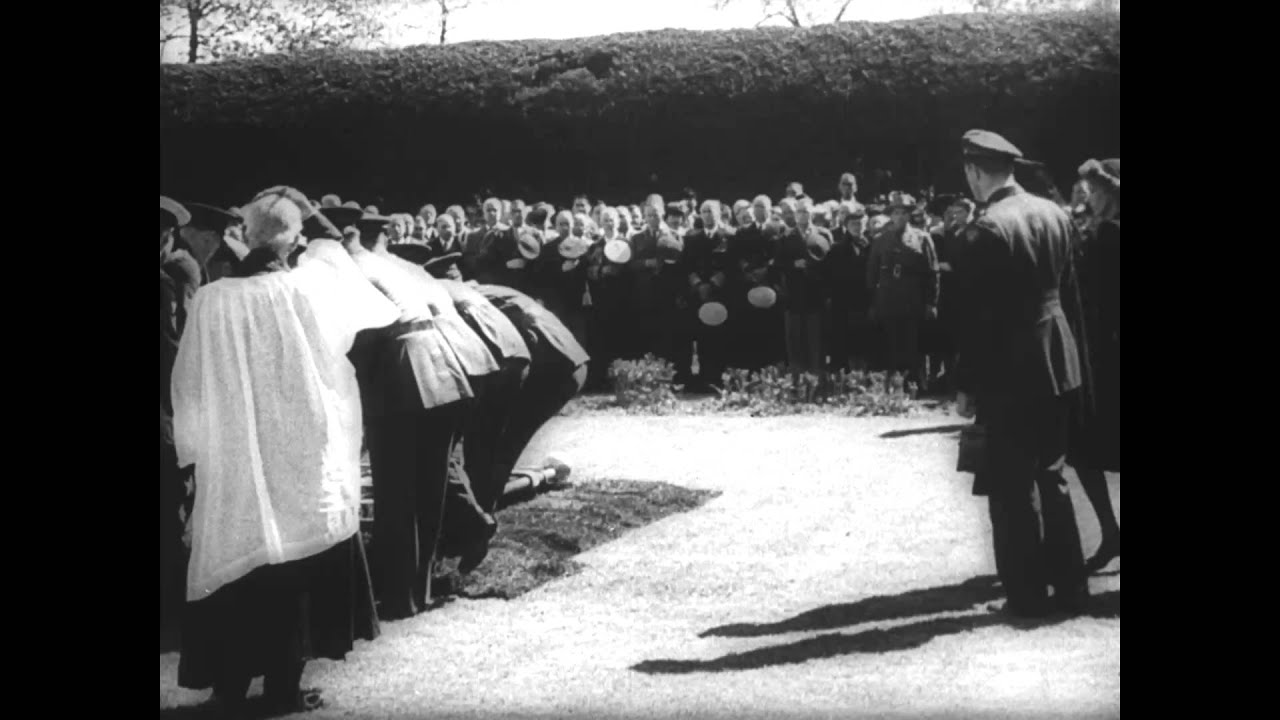
President Franklin D. Roosevelt's body is transported from Warm Springs, Georgia, to Washington, D.C., and later laid to rest in Hyde Park, New York.
John P. Mitchel's 1918 funeral procession in New York City, along with the burials of notable figures like Alexander Graham Bell and Adm. Perry at Arlington National Cemetery, is documented in silent film.
General Douglas MacArthur's 1951 parade in New York City featured a large crowd, police escorts, and a motorcade that included Mayor Vincent Impellitteri.
General Douglas MacArthur received a bronze oak leaf cluster from Secretary of War George Dern in 1930, recognizing his service as Army Chief of Staff.
General John J. Pershing and the 1st Division receive a triumphant welcome in New York City, Philadelphia, Wilmington, and Washington, D.C., in 1919.
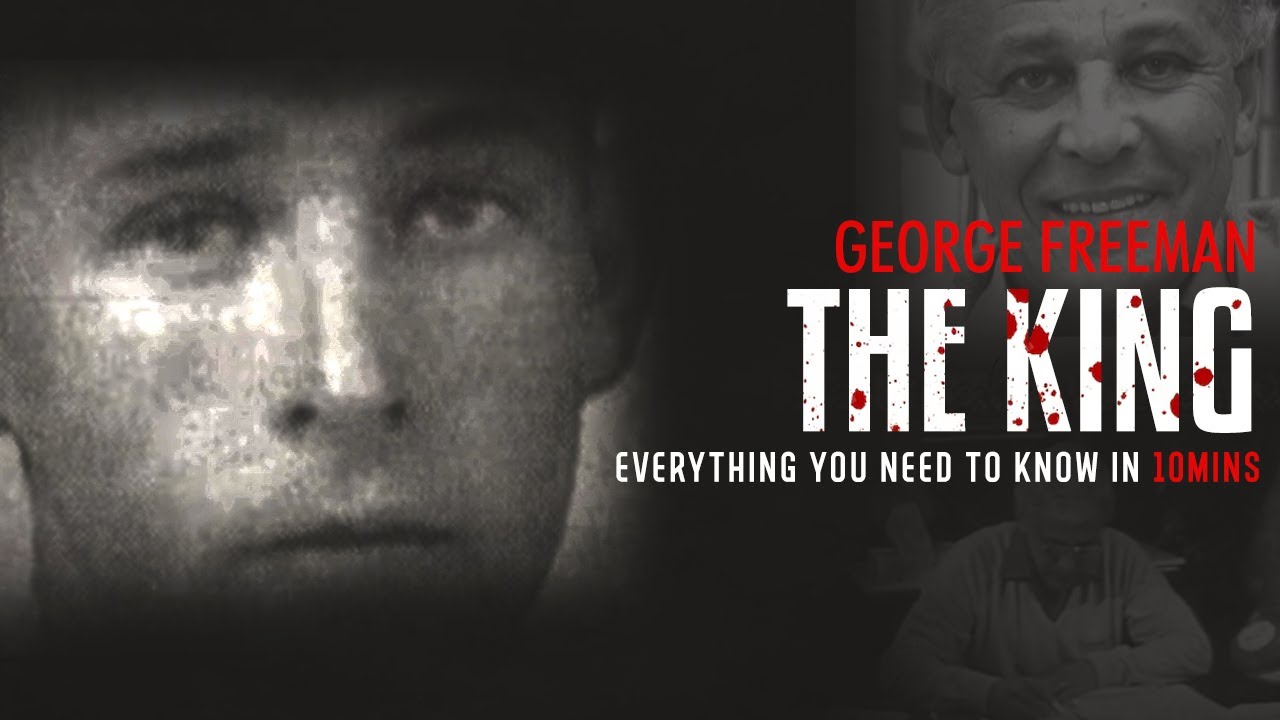
George Freeman rose from the slums of inner city Sydney to lead a multimillion-dollar organized crime syndicate, manipulating police and politicians until his death.
Gisèle Pelicot's legal battle against her attackers in late 2024 highlights the societal implications of violence towards women and her influence on feminist activism.
Paris served as the backdrop for the 1919 peace conference, featuring key figures such as President Woodrow Wilson, Premier Georges Clemenceau, and King George V.
Richmond, Virginia features one of the oldest meeting places for The Freemasons in this episode.
London Underground serves over one billion passengers annually, showcasing the daily operations and challenges faced by its 16,500 staff across 275 stations.
Jean-Michel Basquiat was born in December 1960 in Park Slope, Brooklyn, to a Puerto Rican mother and a Haitian father.
Harold Relyea discusses the origins of the Federal Register publication system and the contributions of figures like President Franklin Roosevelt and Justice Louis Brandeis.
Harry S. Truman was born on May 8, 1884, in Lamar, Missouri, and rose from humble beginnings to become the 32nd President of the United States.
















![Documentary backdrop image for General Pershing's Return [1919] (2014)](https://i.ytimg.com/vi/BPy4Dcau6G8/maxresdefault.jpg)