From over 100,000 films, discover the handful you'll love.
Free or premium access to the world's largest documentary library.
3628 films(Page 19 of 76)
An estimated 30 to 50 million people died during the Great Leap Forward due to famine and political purges under Mao Zedong's leadership.
On Christmas Day 1991, Mikhail Gorbachev resigned, marking the end of the Soviet Union after nearly 70 years of communist rule.
Twelve children were raised in the Buonaparte household in Ajaccio, where Napoleon Bonaparte was known as the troublemaker among his siblings.
Christopher Columbus's origins, funding sources, and potential connections to espionage are examined through DNA science and insights from his descendants and scholars.
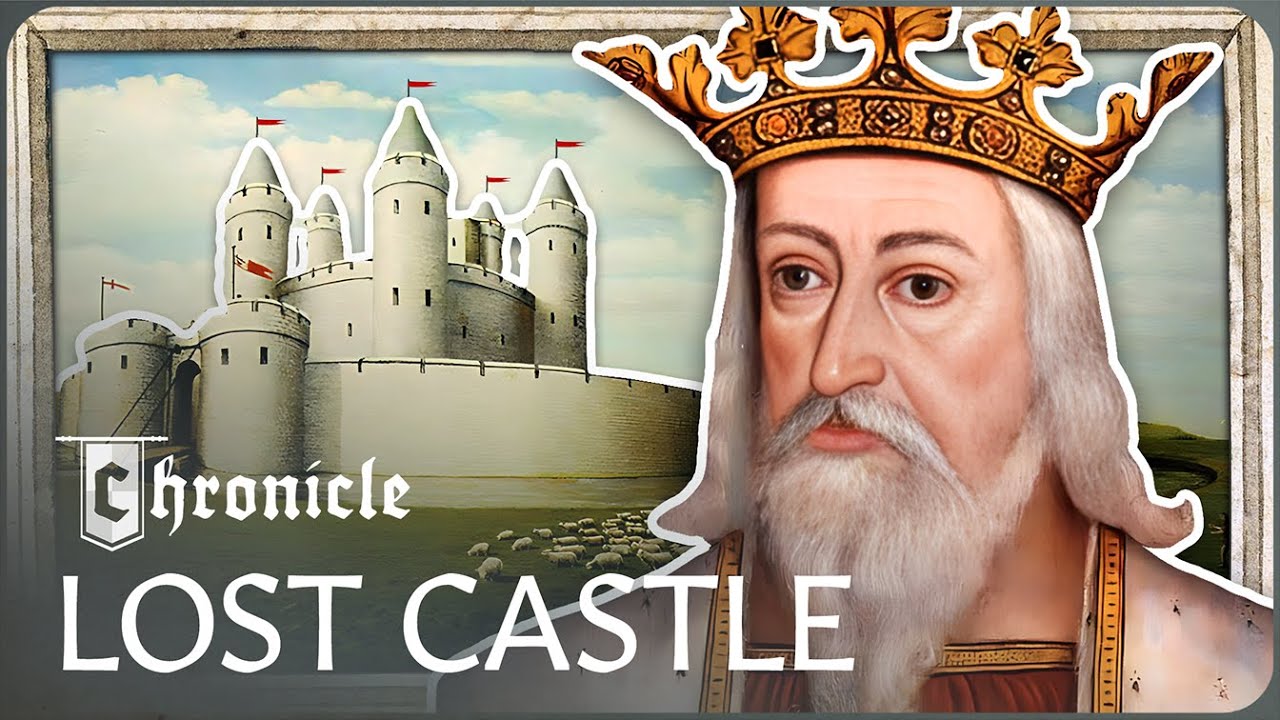
King Edward III's Queenborough Castle, located at the mouth of the Thames, is investigated for its historical role as a royal palace and potential defense against the plague.
Carthage, once Rome's greatest rival, faced a series of conflicts known as the Punic Wars, culminating in its complete destruction by the Roman Empire.
The Varangian Guard, Assassins, Berserkers, Ninja, and Aztec Eagles represent the top five deadliest warriors of the medieval world.
Ramesses II, the legendary warrior pharaoh of Ancient Egypt, is examined for his military campaigns and lasting influence during the New Kingdom era.
Explorers and historians investigate legendary artifacts such as the True Cross, the Lost City of El Dorado, and Hitler's Spear of Destiny.
London's evolution from early settlements along the River Thames to its status as a global powerhouse is explored through historical and modern perspectives.
In 1805, Karl Ludwig Schulmeister offers crucial intelligence to the French army while posing as a double agent for the Austrians during the Napoleonic Wars.
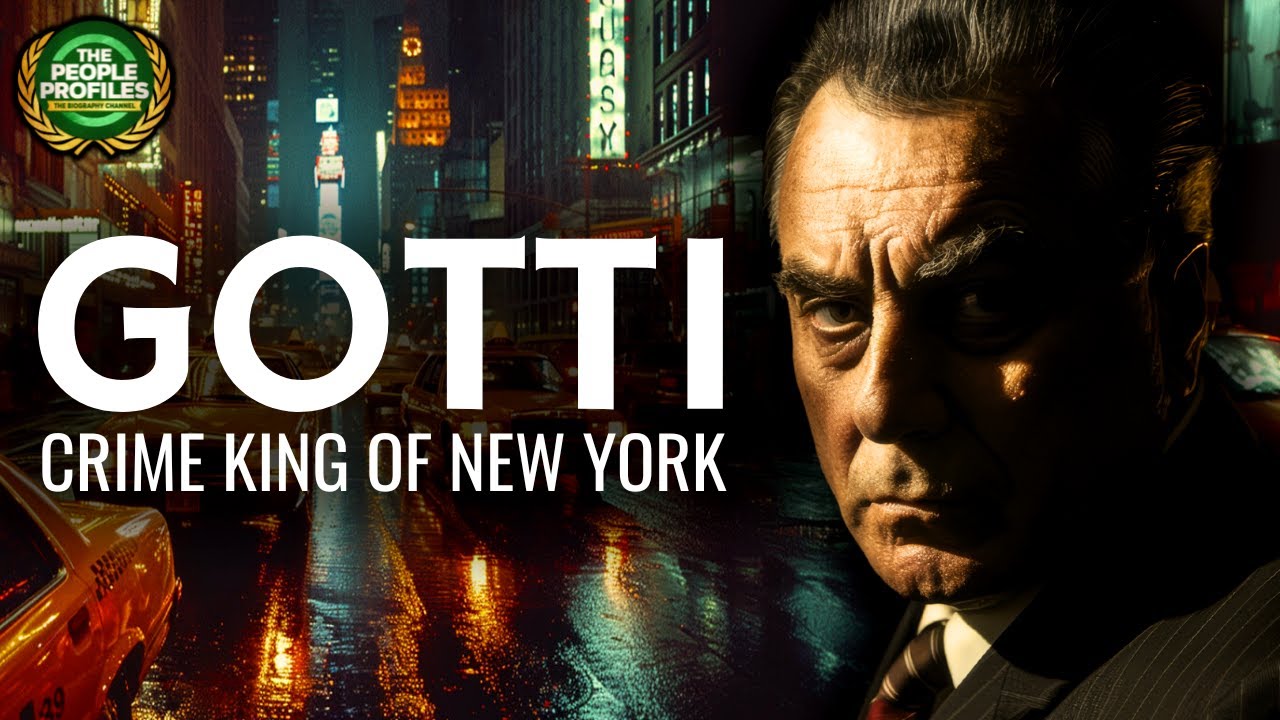
John Gotti's rise to power within the Gambino crime family during the 1980s illustrates his significant influence on organized crime in New York.
Adolf Eichmann, the architect of the Holocaust, was captured by Mossad agents in Argentina in 1960 and tried in Israel, where he was sentenced to death.
A church graveyard in Britain is excavated by Time Team in search of a potentially significant Roman palace structure buried beneath.
Two thousand years ago, money changers in Jerusalem's Temple exchanged currencies for the temple shekel, essential for religious offerings.
On June 24, 1812, Napoleon Bonaparte led La Grand Armée into the Russian Empire, prompting Tsar Alexander I to recall Mikhail Kutuzov from internal exile.
5,398 objects from Tutankhamun's tomb will be displayed together for the first time in a new $1-billion museum, revealing secrets of the young pharaoh's life.
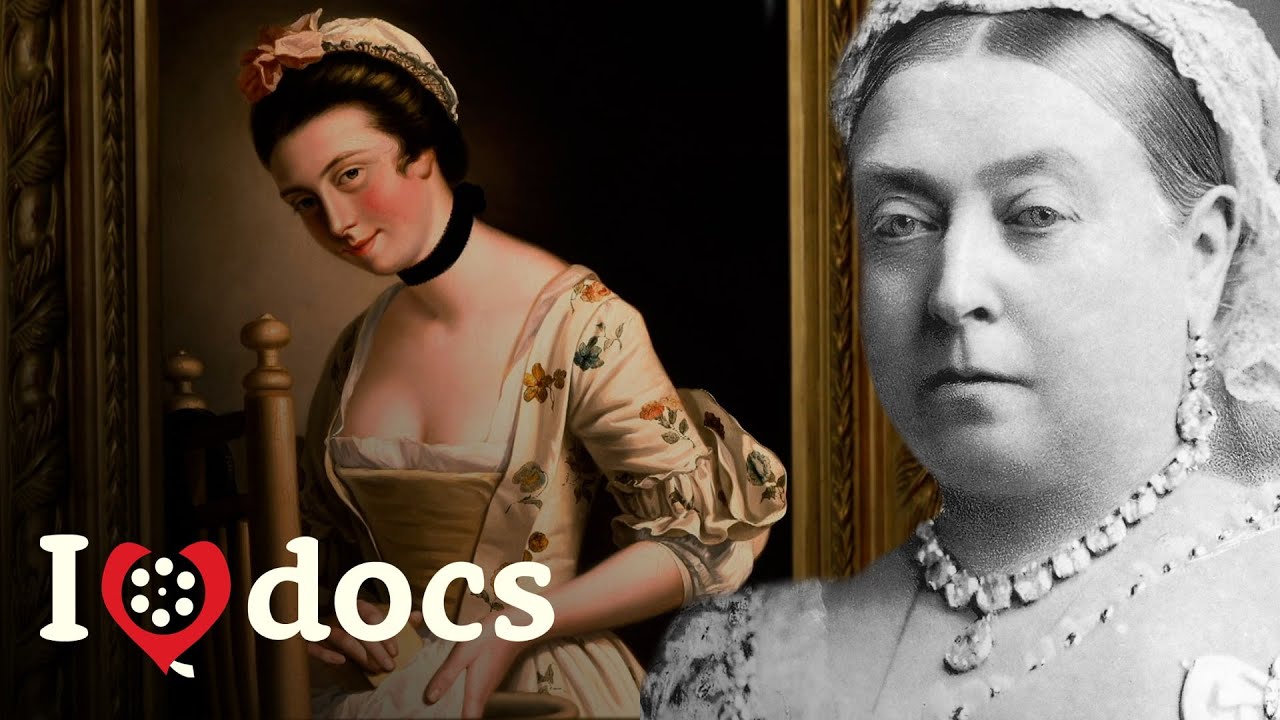
Queen Victoria, who ruled the British Empire for over 63 years, is portrayed as both a powerful monarch and a private individual navigating family life and personal passions.
John the Baptist, King David, Jezebel, Joshua, and St Helena are examined for their significant roles in shaping religious narratives and disrupting societal norms.
In April 1066, Halley's Comet sparked fear across Europe, foreshadowing the rise of William the Conqueror and the transformation of England's socio-political landscape.
Prince Philip's legacy is honored through his contributions to the Royal Family, the Duke of Edinburgh's Award, and his service in the Royal Navy during World War II.
Fyodor Dostoevsky's transformation from a radical intellectual facing execution to a profound philosopher is explored through his influential works and their impact on existential thought.
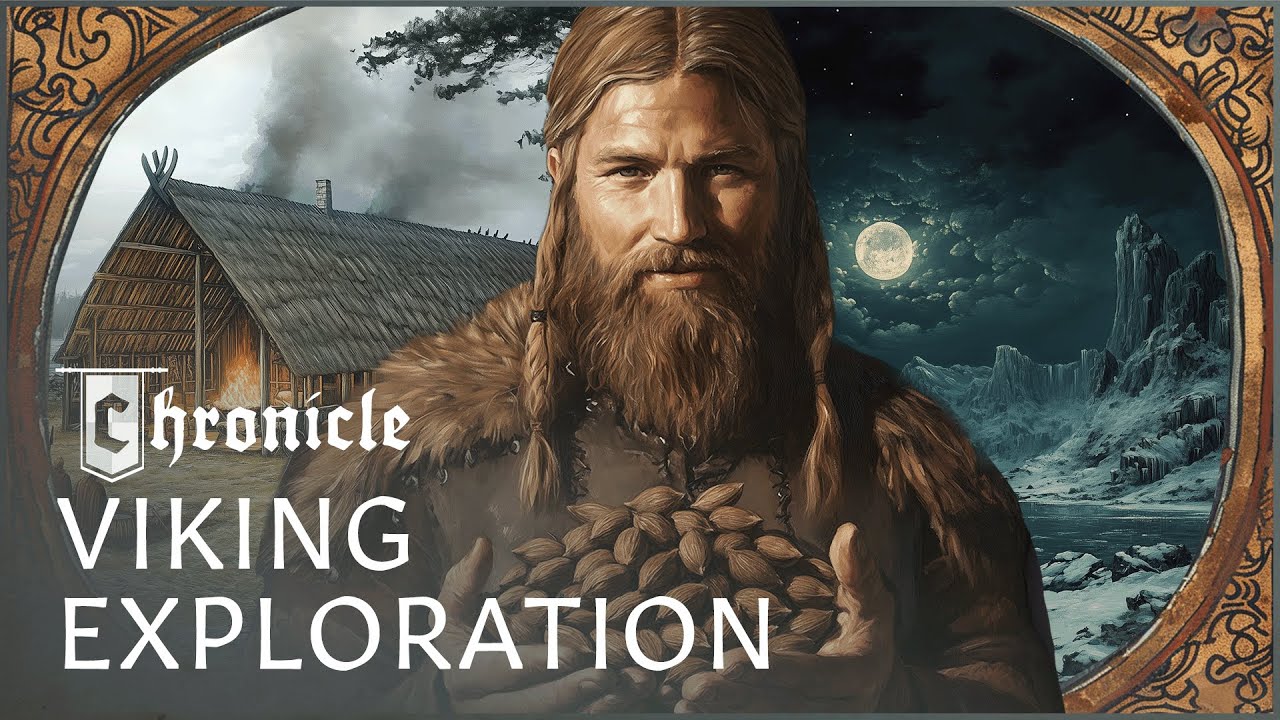
Recent excavations at Point Rosee, aided by satellite technology, reveal potential Viking structures and artifacts, expanding knowledge of Norse exploration in North America.
On August 17, 1769, Napoleon Bonaparte was born in Ajaccio, Corsica, as the second son of Carlo and Leticia Bonaparte.
Draken Harald Hårfagre, the largest Viking ship replica, completes a transatlantic crossing from Norway to North America, showcasing Viking maritime engineering.
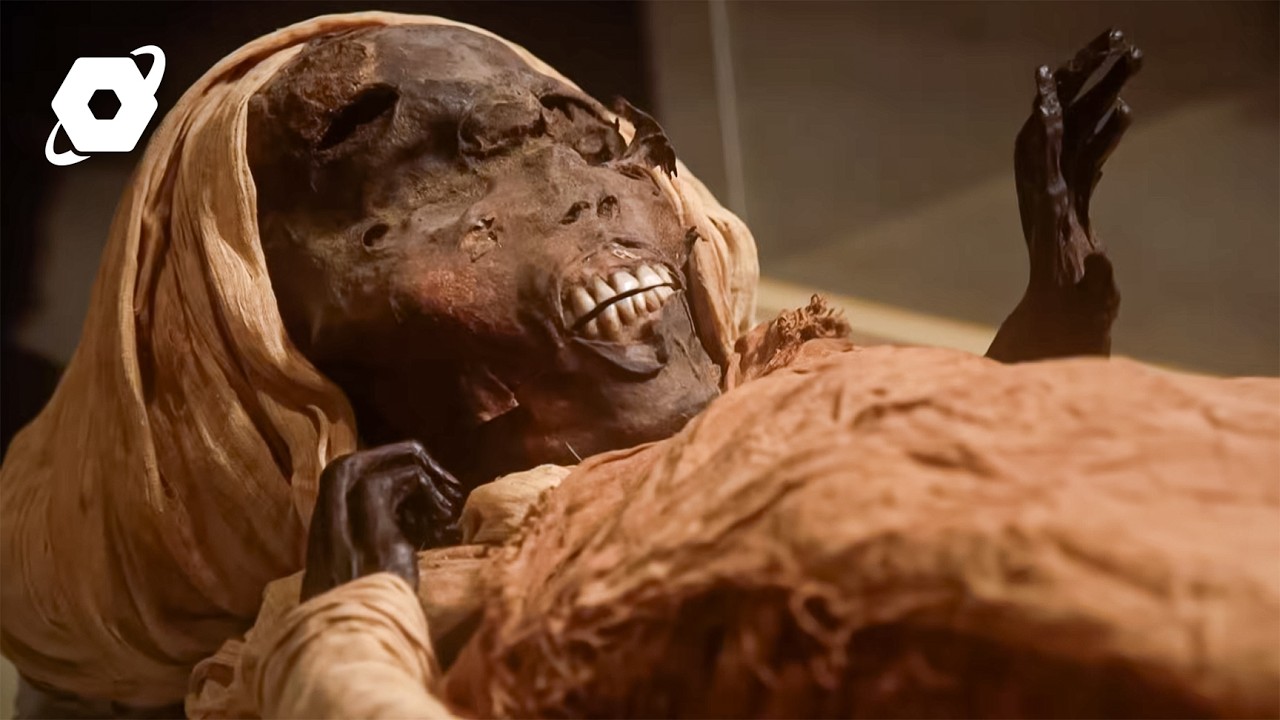
A tomb containing more than 50 mummies, including 10 pharaohs, was discovered in Egypt, revealing the violent death of Pharaoh Seken Enray.
Hinduism, formalized about 3,500 years ago, is one of the major world religions that emerged from humanity's quest for understanding the natural world.
Judas Iscariot, a chosen apostle and treasurer for Jesus Christ, is examined through historical context, motives, and events leading to his betrayal for 30 pieces of silver.
Lincoln declared that a house divided shall not stand, marking a turning point in his fight against slavery during his political career.
Elizabeth Angela Marguerite Bowes-Lyon was born on August 4, 1900, at St Paul’s Walden Bury, a modest stately home in Hertfordshire, England.
General Douglas MacArthur's military career, marked by his leadership in World War I, World War II, and the Korean War, is examined alongside his controversial political actions.
A 19-year-old Diana Spencer faces intense media scrutiny as she becomes engaged to Prince Charles, leading to a globally televised wedding ceremony.
Josef Stalin's ascent from a poor Georgian background to the leader of the Soviet Union illustrates his ruthless consolidation of power and the resulting human cost.
General Eisenhower narrates the strategic challenges faced by American forces during the Kasserine Pass battle in Tunisia and subsequent operations in Sicily and Italy.
In 1958, an Italian archaeologist found the mummified remains of a two-and-a-half-year-old boy in southwestern Libya, predating Egyptian mummies by nearly a millennium.
Basing House in Hampshire, once a grand Tudor residence frequented by Henry VIII and Elizabeth I, was destroyed by Oliver Cromwell during the English Civil War.
In Launceston, Cornwall, a well-preserved female skeleton prompts an investigation into its possible links to an 11th-century leper hospital and other historical contexts.
A 5,000-year-old Neolithic mummy found in the Alps shows evidence of foul play, prompting modern scientists to investigate the circumstances of his death.
Pontius Pilate, the Roman Prefect known for presiding over the trial of Jesus Christ, navigated the political turmoil of first-century Jerusalem and faced a mysterious downfall.
Experts in Norway analyze ancient Viking ship remains to construct the largest Viking recreation ship ever, showcasing advanced historical shipbuilding techniques.
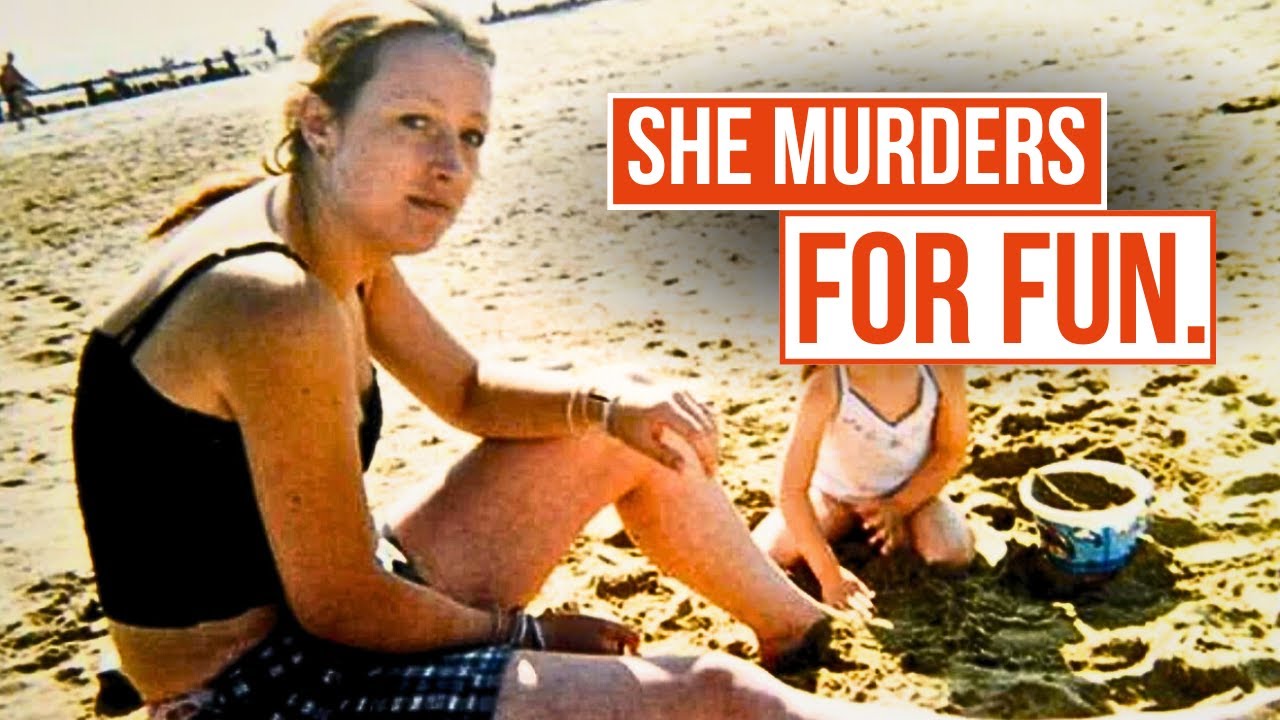
Joanna Dennehy, Peter Tobin, and Ian Brady exemplify some of the most notorious psychopaths in the UK, each responsible for horrific crimes against innocent victims.
Dabton House is set within 27 acres of landscaped gardens in Dumfries and Galloway, Scotland, and was once the childhood home of the Earl of Del Keith.
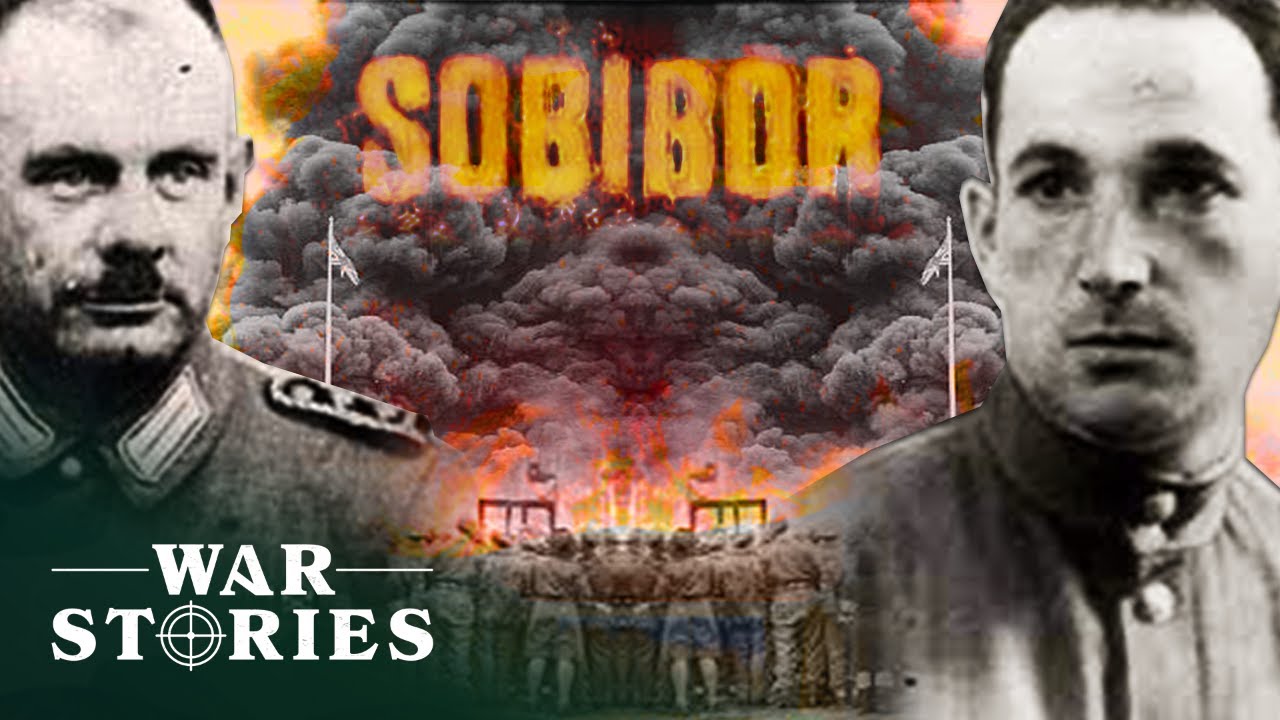
In the Sobibor death camp, Leon Feldhendler orchestrates a daring escape plan to liberate himself and hundreds of fellow prisoners from Nazi control.
Muhammad Ali Jinnah was born in Karachi in the mid-1870s and later became the first Governor-General of Pakistan following its independence in 1947.
The mystery surrounding the disappearance of Edward V and Richard, Duke of York, in 1483 raises questions about Richard III's involvement and alternative theories of their fate.
On April 29, 1945, Karl Wolff signed the surrender of German and Italian forces in Southern Italy, marking a significant act of treason against Hitler.
Philistines, often mischaracterized as uncultured, are examined through their fertility cults, artifacts, and the temple linked to Samson's legendary feats.
George Washington, Thomas Jefferson, and other major southern founders owned slaves while advocating for the principles of liberty and equality.