From over 100,000 films, discover the handful you'll love.
Free or premium access to the world's largest documentary library.
3628 films(Page 53 of 76)
Jim Thorpe, a member of the Sac and Fox Nation, achieved legendary status as an Olympic gold medalist and multi-sport athlete, as detailed in David Maraniss's book.
A portrait of George Washington as a colonel in 1772 is among 213 records related to him found in the National Archives.
Harry Miller, who was just 16 years old when he fought in the Battle of the Bulge, shares his experiences during a program at the National Archives.
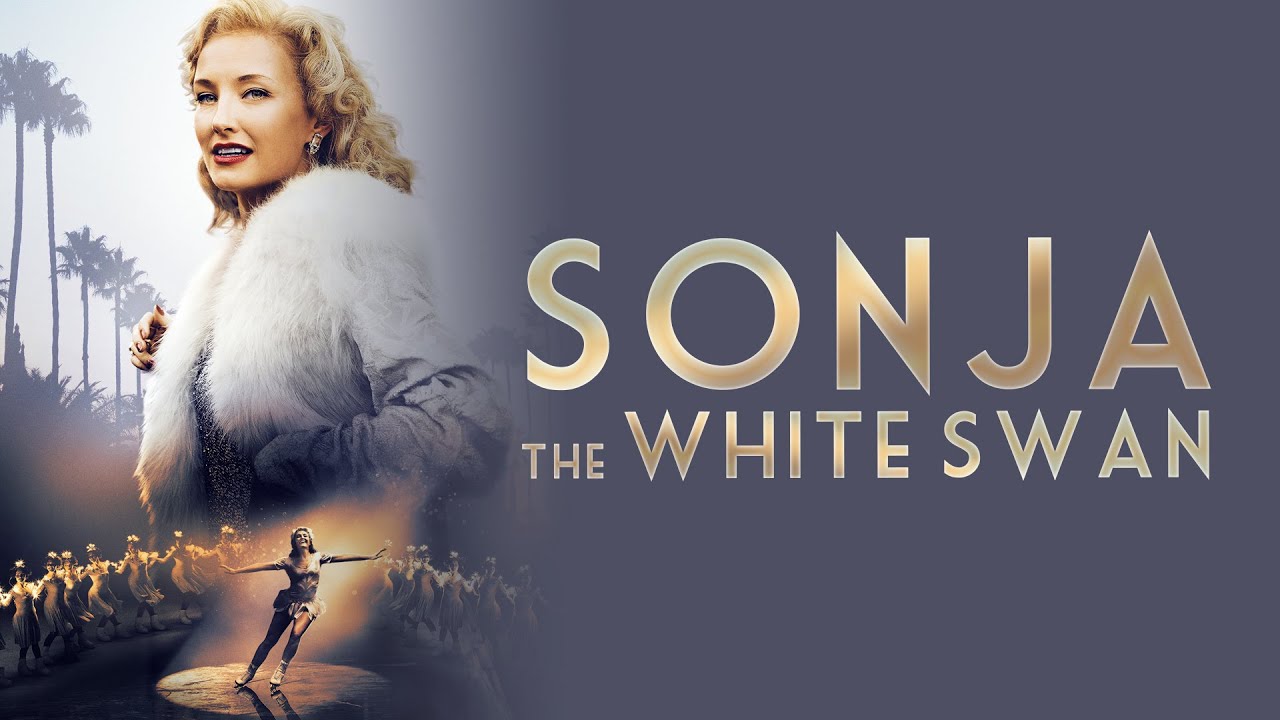
Sonja Henie, a pioneering figure skater and Hollywood star, rose to fame in the 1930s, becoming one of the wealthiest women of her era.
A book signing with author Harold Holzer follows a discussion on the life and work of Daniel Chester French, the sculptor of the Lincoln Memorial.
In 1314, an estimated 8,000 Scots faced an English army of at least 12,000 men at the Battle of Bannockburn, a key conflict in Scotland's fight for independence.
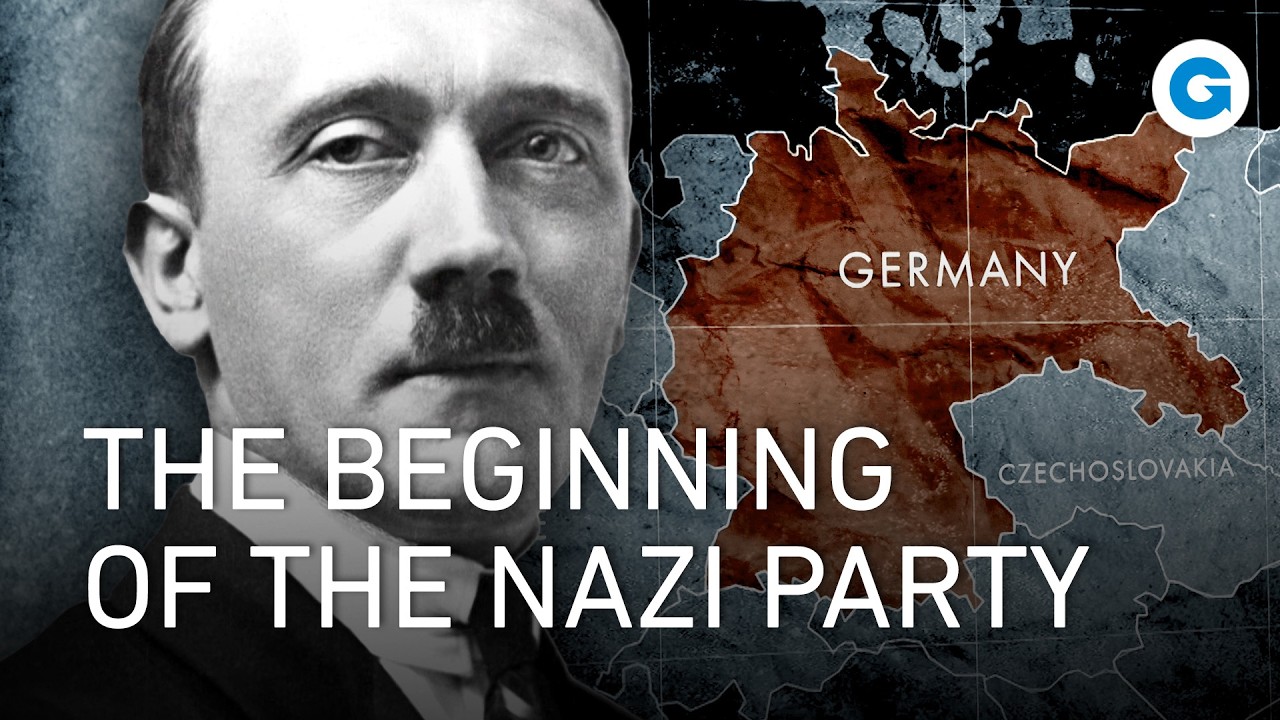
In the summer of 1919, the Allies signed the Versailles Treaty, a document that Germany viewed as disastrous and which fueled extremist sentiments.
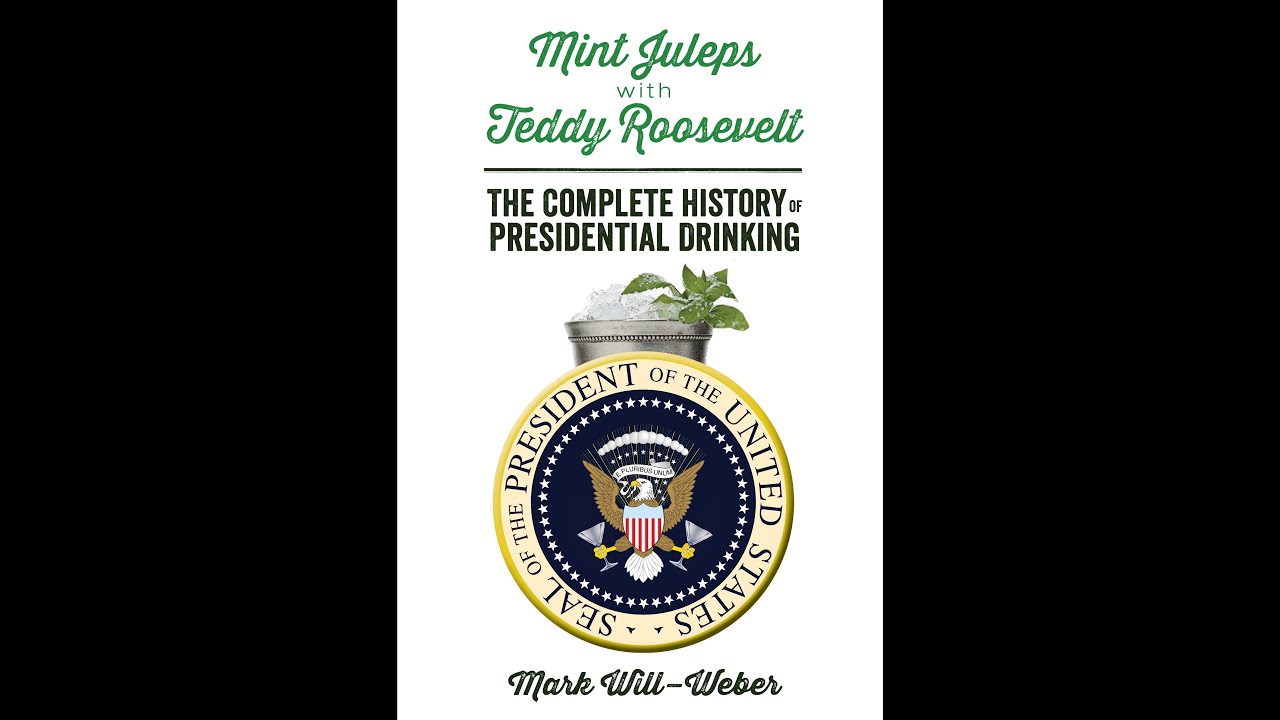
Mark Will-Weber discusses how the shift from alcohol taxes to income taxes influenced the prohibition movement and its impact on American society.
Neuschwanstein Castle, commissioned by Ludwig II of Bavaria, showcases innovative engineering and romantic architecture inspired by medieval legends and Richard Wagner's operas.
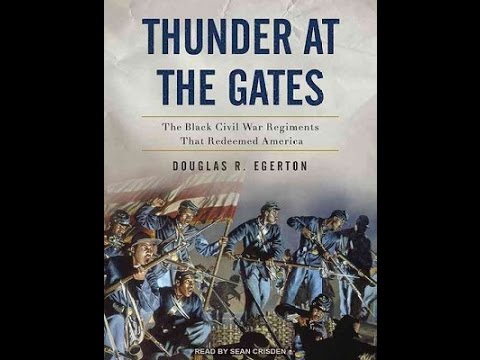
The 54th and 55th Massachusetts Infantry and the 5th Cavalry were among the first black regiments formed during the Civil War, despite widespread opposition.
On March 12, 1947, President Harry S. Truman delivered a speech to Congress that established the U.S. policy to help free nations resist subjugation.
Eleanor Roosevelt's contributions to human rights and women's rights in the mid-20th century are examined by historian Allida Black and biographer David Michaelis.
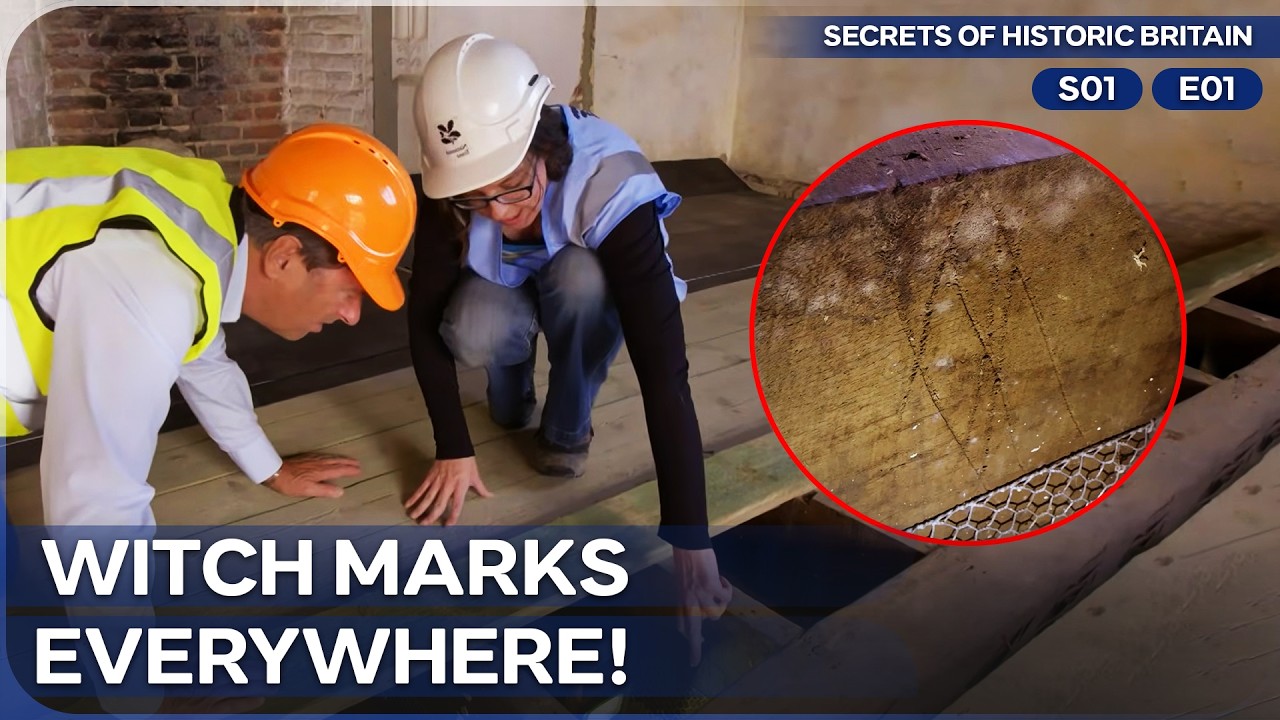
Historic locations across the UK, including royal palaces and ancient estates, reveal hidden rooms and artifacts through the expertise of archaeologists and historians.
Queen Elizabeth I's spy, Christopher Marlowe, is examined through modern forensics and criminal psychology to reveal the circumstances of his death.
American feminists, including Betty Friedan and Kate Millett, reflect on the movement's historical context and ongoing relevance through interviews and archival footage.
King Richard I of England, known for his legendary status and connection to King Arthur's Excalibur, faced a pivotal moment in his life at age 35 due to a fateful misstep.
Martha Washington, Abigail Adams, and Dolley Madison shaped the role of First Lady, influencing public perception and women's roles in early America.
Sarah Ferguson, the Duchess of York, faced public controversies and personal challenges while redefining her identity within the British monarchy.
In 1963, President John F. Kennedy and Attorney General Robert F. Kennedy confronted Governor George Wallace over the enrollment of African-American students at the University of Alabama.
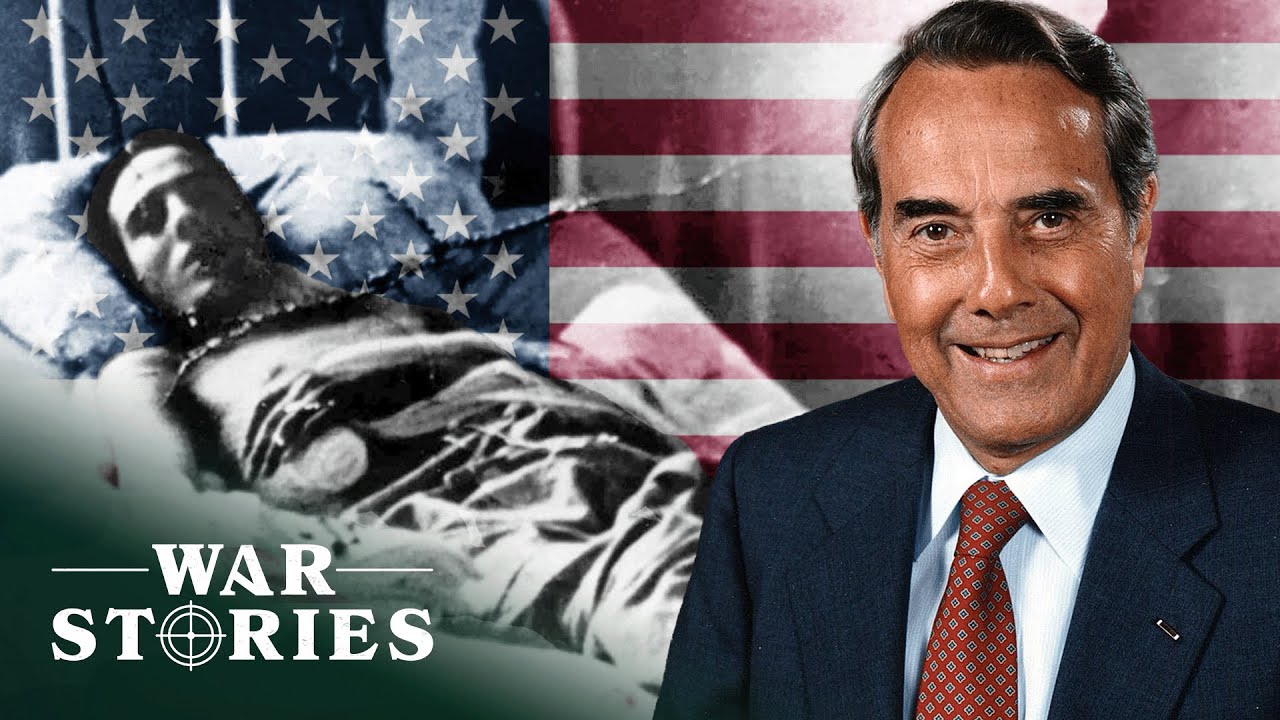
Bob Dole, a soldier in the 10th Mountain Division, was severely wounded during World War II's brutal fighting on Hill 913 in Italy before becoming a prominent U.S. Senator.
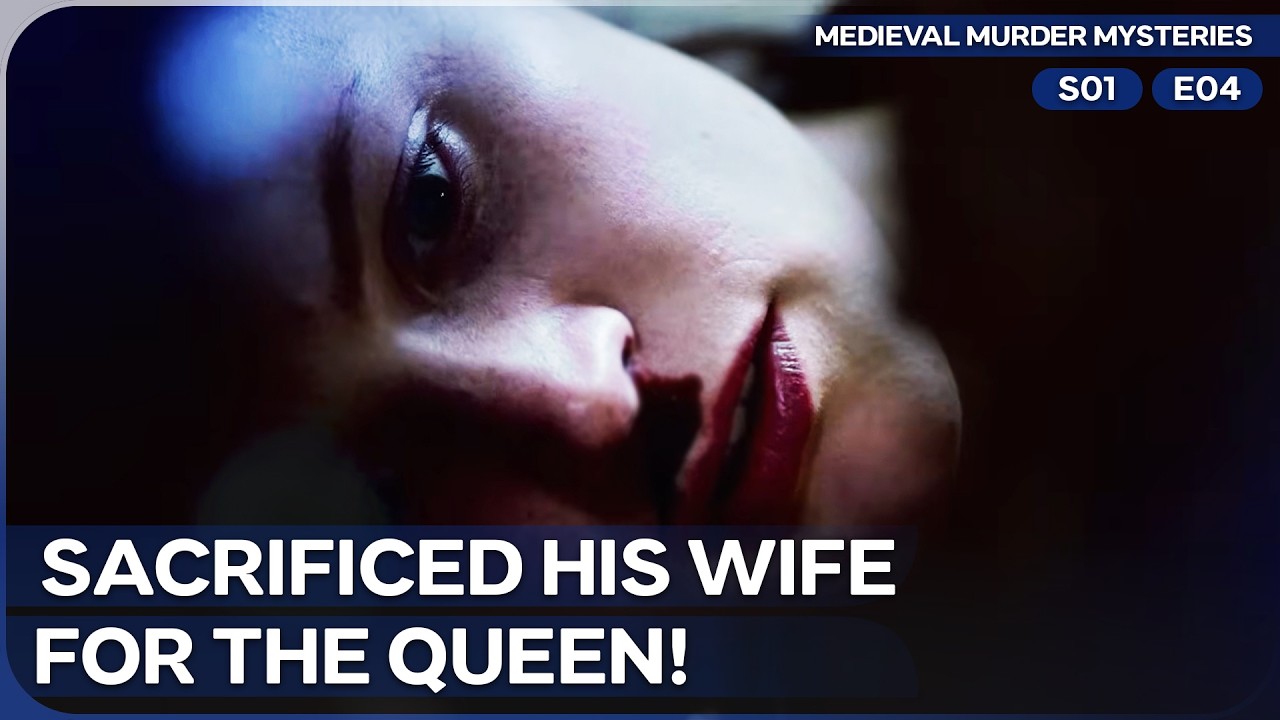
Medieval murder mysteries are examined through modern forensics and criminal psychology, revealing the true circumstances behind the deaths of historical figures like Richard III and Anne Boleyn.
Archaeological and historical analysis of 1st-century Nazareth and Jerusalem reconstructs the life of Jesus of Nazareth, examining ancient texts and recent discoveries.
Freedman's Bank records, covering 1865 to 1874, provide vital documentation for tracing freed African-American ancestors after the Civil War.
In the Pendle Hills, Sean investigates the 1612 trial of the Pendle Witches and visits the New Inn, known for its haunted history and eerie encounters.
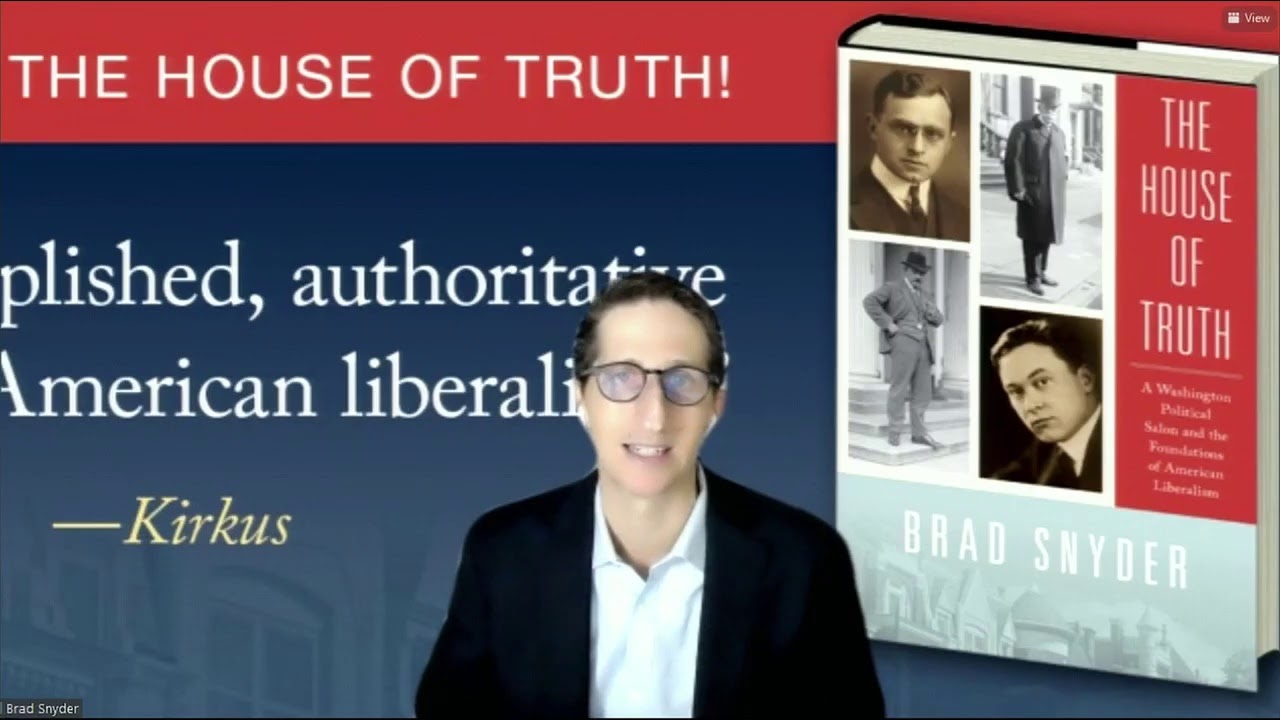
In 1910s Washington, D.C., political figures like Felix Frankfurter and Walter Lippmann rallied to support Louis Brandeis's Supreme Court confirmation.
Washington died on December 14, 1799, less than a year before the capital city officially opened on November 1, 1800.
In the 12th century, Richard the Lionheart expanded Norman control across England, Ireland, Sicily, and Spain, solidifying dominance over much of Europe.
Pete Seeger and his team launched the Clearwater sloop in the 1960s to combat pollution in New York's Hudson River, leading to ongoing environmental education efforts.
The Revolutionary War's latter years, marked by the American alliance with France and the British southern strategy, culminated in the decisive victory at Yorktown.
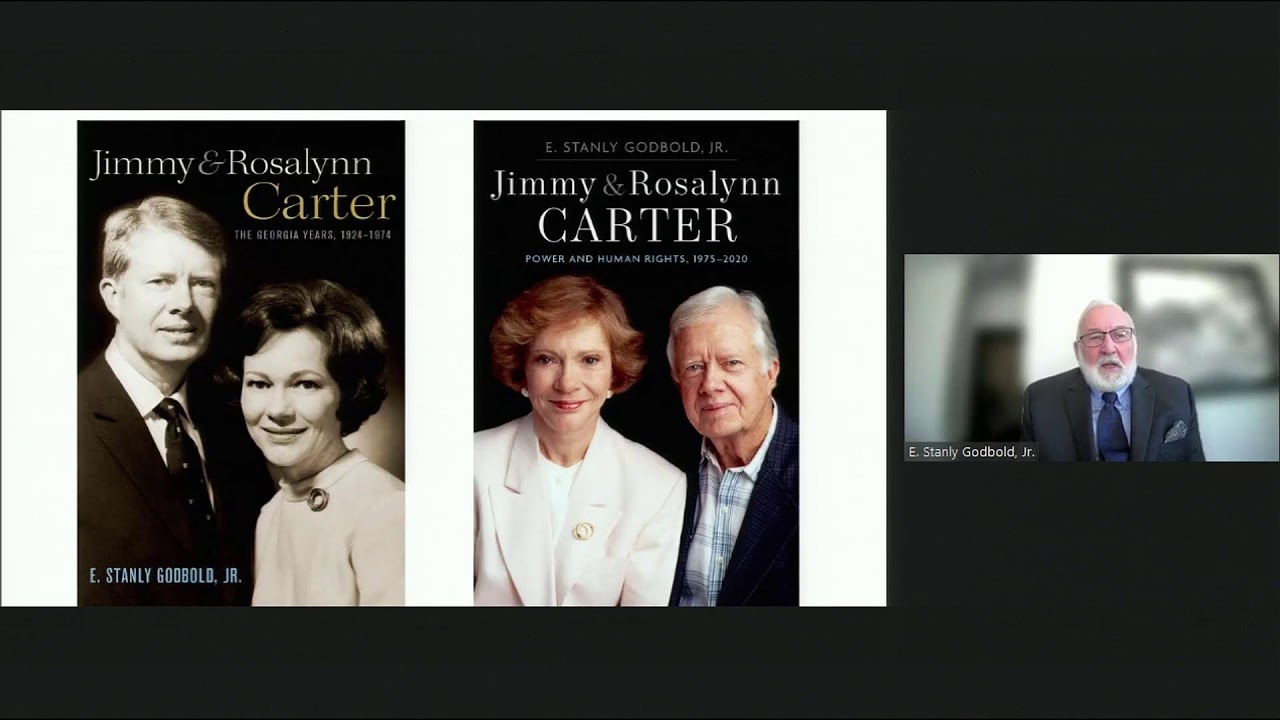
Jimmy and Rosalynn Carter have been married for 76 years, during which they have made significant contributions to peace and human rights.
The Protestant Reformation, initiated by Martin Luther, ignited the 30 Years' War, transforming religious conflict into a brutal struggle for power across Europe.
The 1950 census records, along with those from 1790 to 1940, are discussed in detail regarding their management and transfer to the National Archives.
The rise of Islamic civilization from the birth of Prophet Muhammad in 569 to its expansion, military dynamics, and contributions during the Islamic Golden Age is examined.
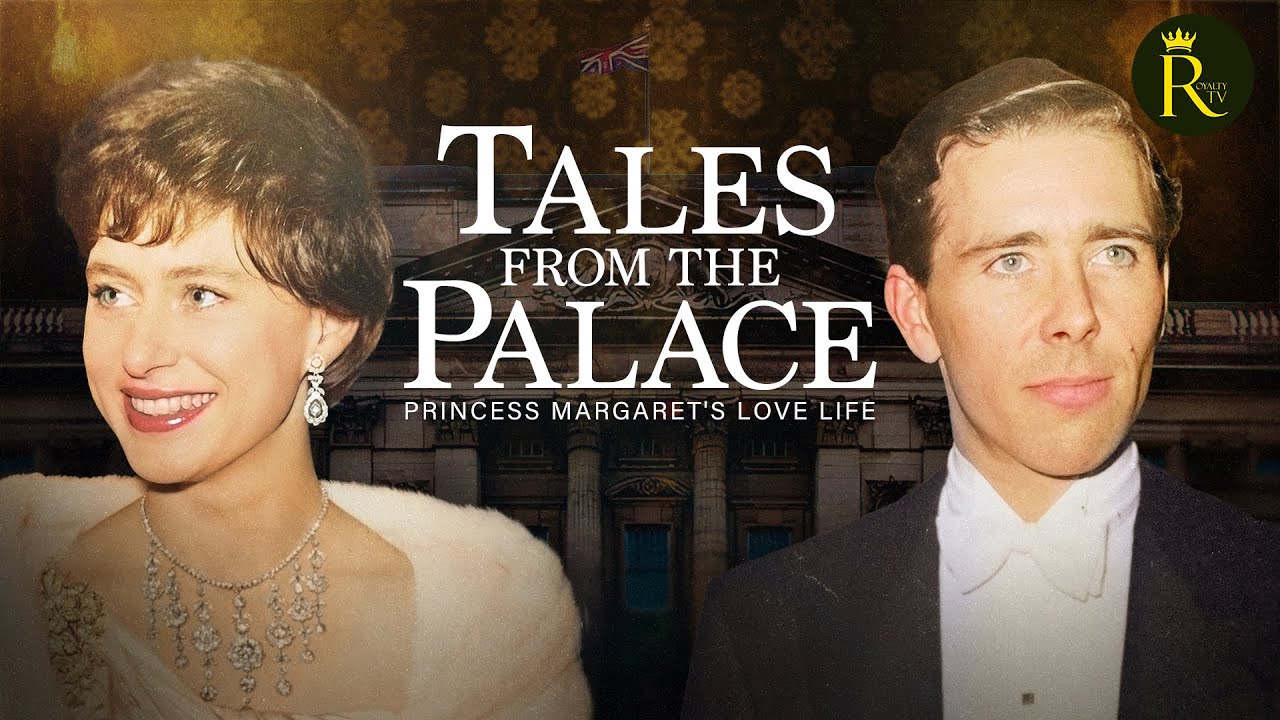
Princess Margaret's romantic relationships, particularly her affair with Group Captain Peter Townsend, highlight her complex role within the British royal family.
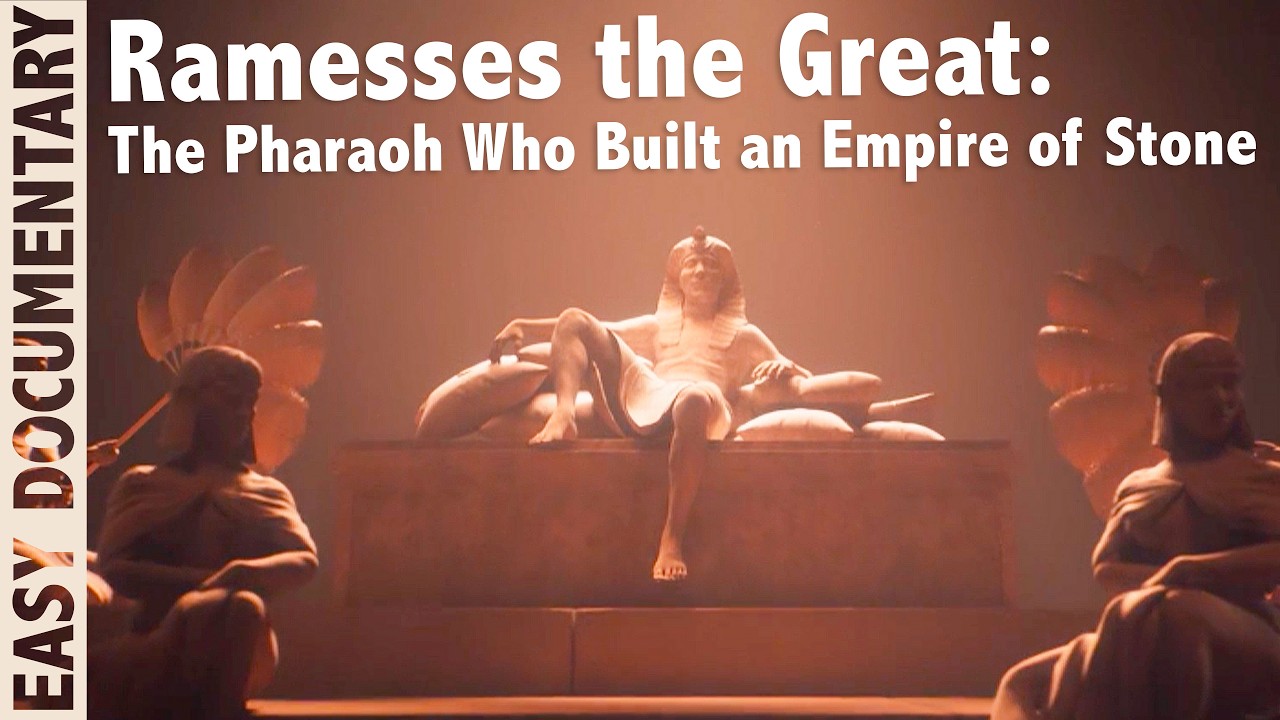
Ramesses II, known as Ramesses the Great, ruled Ancient Egypt for 66 years, expanding its borders through military campaigns and monumental architectural projects like Abu Simbel.
Medieval murder mysteries are examined through modern forensics and expert analysis, revealing the true circumstances behind the deaths of historical figures.
Harriet Tubman, known as the "Moses of her people," is highlighted for her role as an abolitionist and political activist in the fight against slavery.
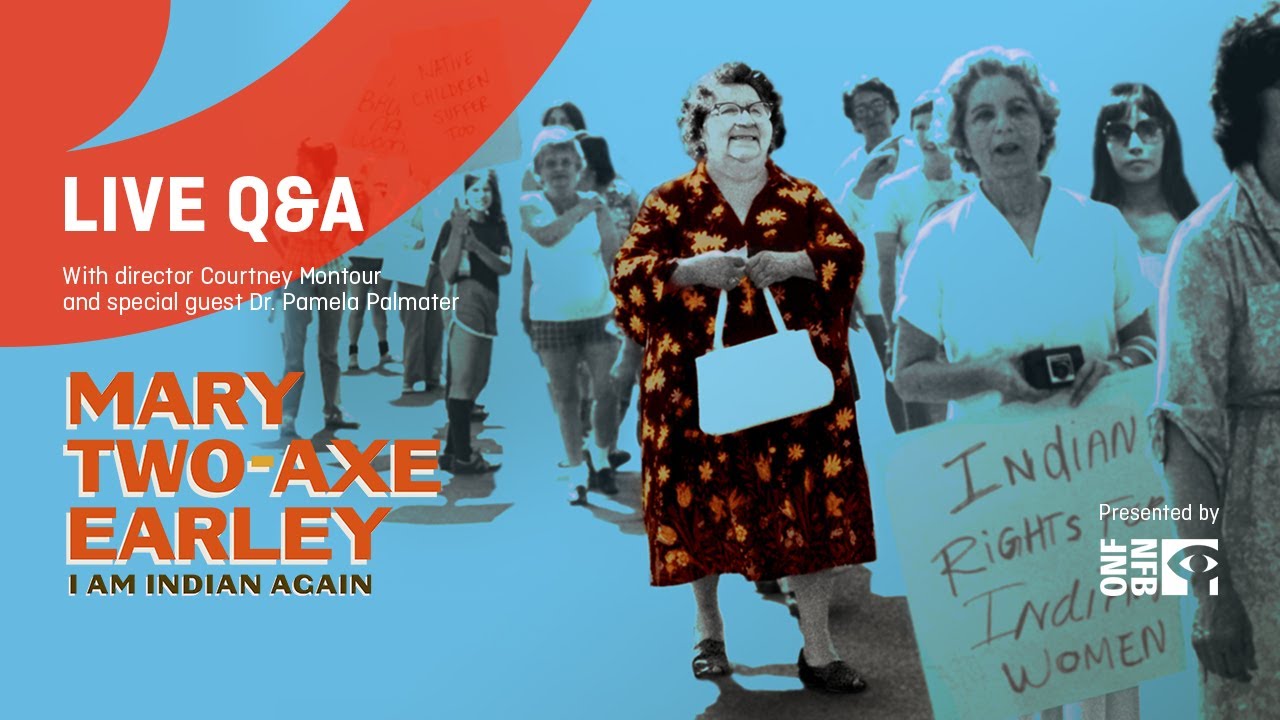
Mary Two-Axe Earley fought for over two decades against discriminatory policies in Canada’s Indian Act, significantly impacting Indigenous women's rights.
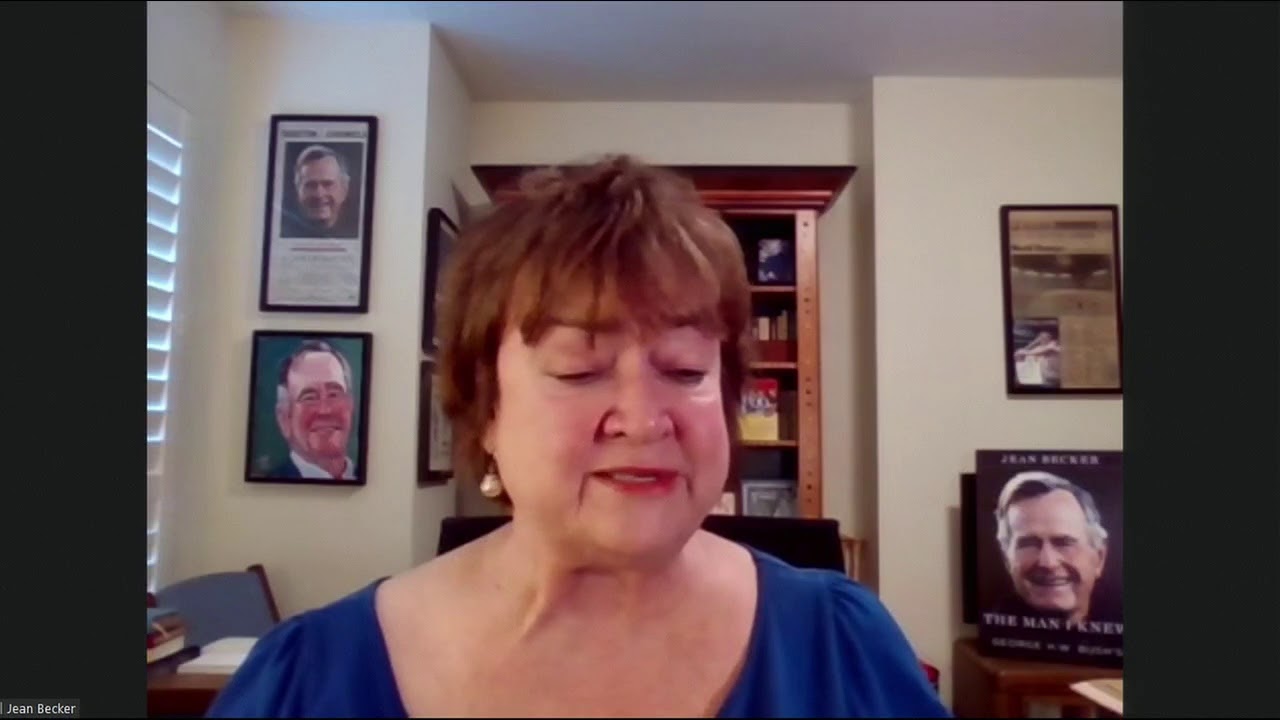
Jean Becker, chief of staff to George H.W. Bush, shares insights into his post-presidency life and the planning of his state funeral alongside Warren Finch.
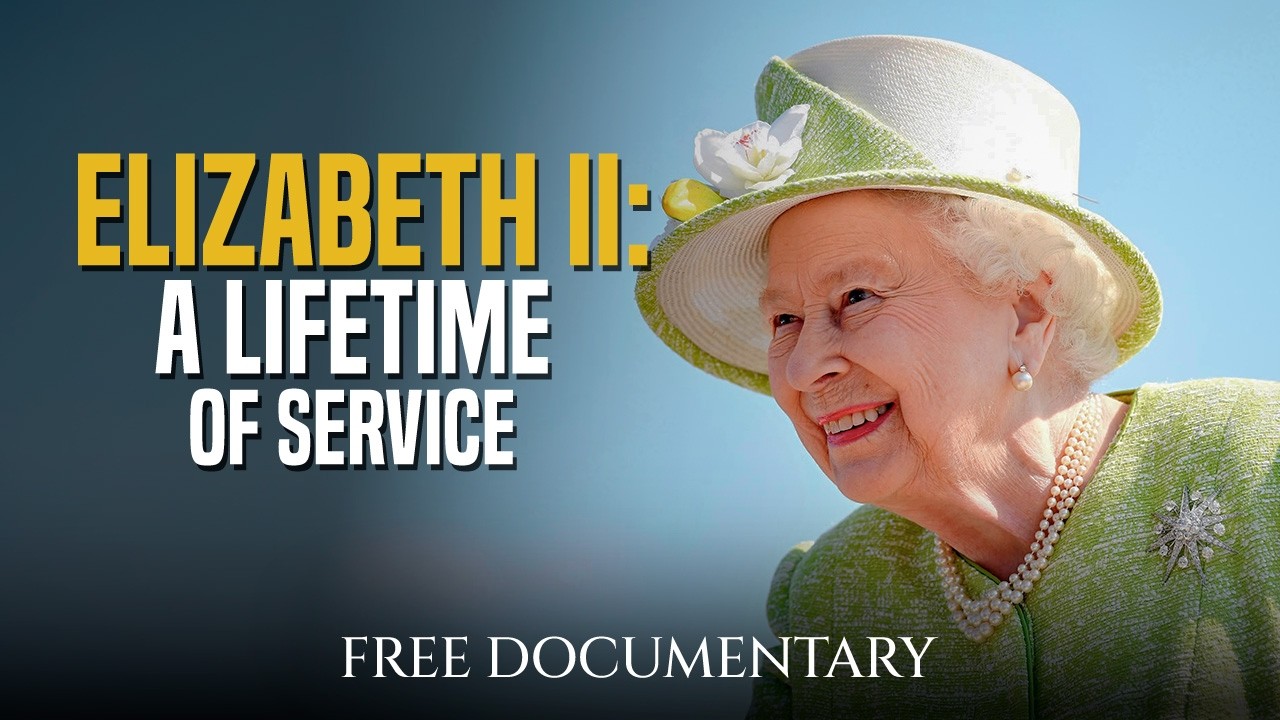
Elizabeth II's life is examined through her unexpected ascent to the throne, her dedication to the Commonwealth, and her role during a century of change.
Nikola Tesla's contributions to electricity and his controversial theories are examined alongside suppressed historical events and alternative narratives in this exploration of hidden truths.
Ancient powers such as Egypt, China, India, Greece, and Rome implemented brutal laws to maintain control and prevent rebellion in their societies.
Medieval cold cases, including royal betrayals and street brawls, are examined through modern forensics and expert analysis to reveal the truth behind historical deaths.
Woodrow Wilson's presidency from 1917 to 1921 is chronicled through significant events such as the declaration of war, military inspections, and the burial of the Unknown Soldier.
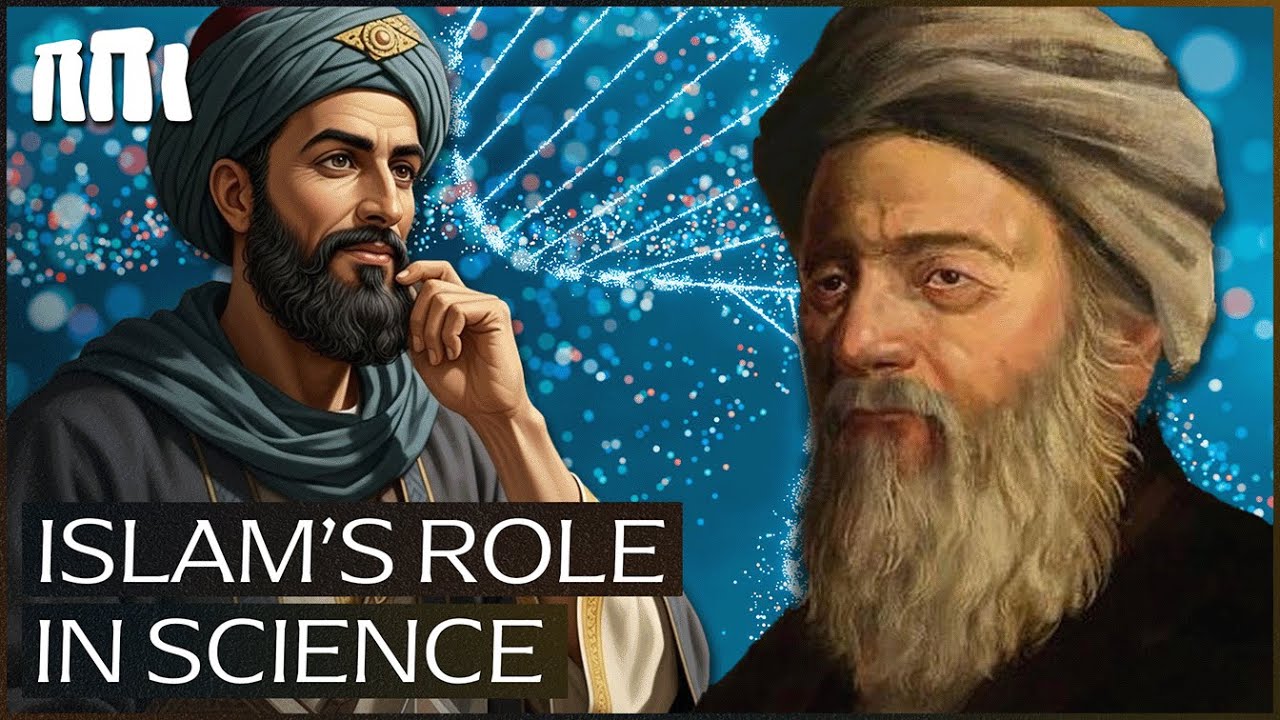
The Golden Age of Islam, centered in Baghdad, saw advancements in algorithms, astronomy, and medicine by scholars like Ibn Sina and Al-Jazari, shaping modern science.
Alice Paul, Ida B. Wells, Susan B. Anthony, and other suffragists are portrayed through music and dance in a performance celebrating the 19th Amendment.
Queen Elizabeth II's diamond jubilee is celebrated through her enduring relationship with America, featuring insights from authors H. Edward Mann, Ellen M. LeCompt, and Jacques J. Moore, Jr.
Frederick Douglass, an influential abolitionist and statesman, fought for African American rights after escaping slavery in 1838 and founded The North Star newspaper.


















![Documentary backdrop image for Woodrow Wilson [1917-1921] (2014)](https://i.ytimg.com/vi/xRi3eTKobFk/maxresdefault.jpg)