From over 100,000 films, discover the handful you'll love.
Free or premium access to the world's largest documentary library.
3628 films(Page 36 of 76)
Menahem Golan and Yoram Globus transformed Cannon Films into a powerhouse of independent cinema in the 1980s, producing hits like "Breakin'" and reshaping Hollywood.
HMS Belfast, the only surviving British warship that bombarded the Normandy coast on D-Day, offers insights into its historical significance and daily life aboard.
Albert Speer, Hitler's chief architect, leveraged slave labor in his factories and later claimed ignorance of the Holocaust, despite evidence to the contrary.
Ralph Lauren's influence on 20th-century fashion is examined through insights from leading UK fashion writers and journalists, highlighting his groundbreaking contributions.
In the 9th century BC, Phoenicians established Carthage as a major Mediterranean trade hub, which ultimately fell to Rome after the Third Punic War.
The tumultuous marriage of Prince Charles and Princess Diana is examined, highlighting the events and pressures that led to their eventual separation.
Calvin Klein's influence on modern fashion is examined through insights from leading UK fashion writers and journalists, highlighting his groundbreaking contributions.
Mahatma Gandhi's final years from 1931 to 1948 are examined alongside the British Empire's decline, the partition of India and Pakistan, and his assassination.
John George Diefenbaker, the 13th prime minister of Canada, is commemorated through a portrait of his political legacy and the national tribute following his death in 1979.
Napoleon Bonaparte's influence on art and culture is examined through his patronage and the impact of his reign on European artistic movements.
Mesopotamia's innovations, including the wheel and astronomical knowledge, laid foundational principles that shaped modern science and technology.
Edward II, born in 1284, faced scandal, military defeats, and political strife during his reign as one of England's most controversial kings.
Hermann Goering's transformation from a World War I fighter ace to a key Nazi leader is examined, highlighting his role in the Luftwaffe and the Nuremberg Trials.
James, a Galilean fisherman and the first apostle to be martyred, is central to a series exploring the lives and legacies of the Twelve Apostles in the context of modern faith.
On August 31, 1997, Princess Diana entered a black Mercedes sedan at the Ritz Hotel in Paris, shortly before her fatal car crash.
James Dean's androgynous persona and untimely death on Interstate 46 reflect the cultural shifts of 1950s America, where youth redefined rebellion.
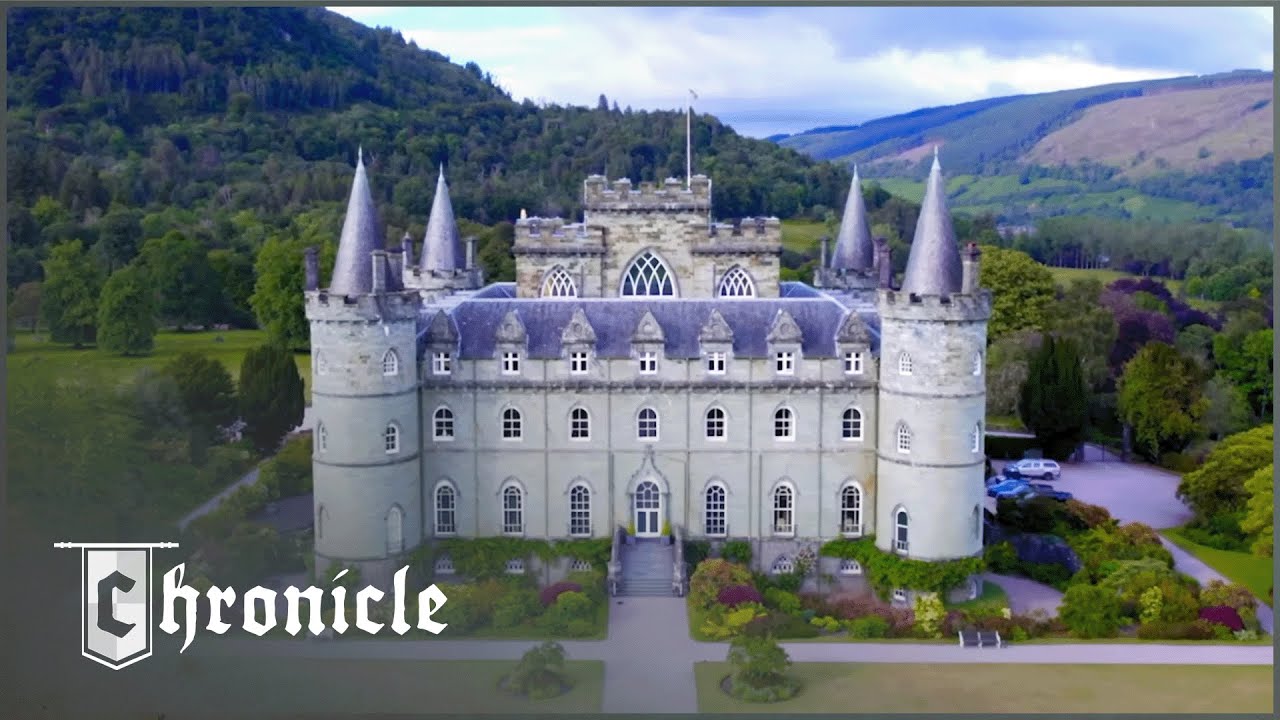
Fourteen million people worldwide claim descent from Clan Campbell, the family that has lived at Inveraray Castle for generations.
Grace Kelly grew up in an affluent Philadelphia family, where her father was a triple Olympic champion and her mother coached women's teams at the University of Pennsylvania.
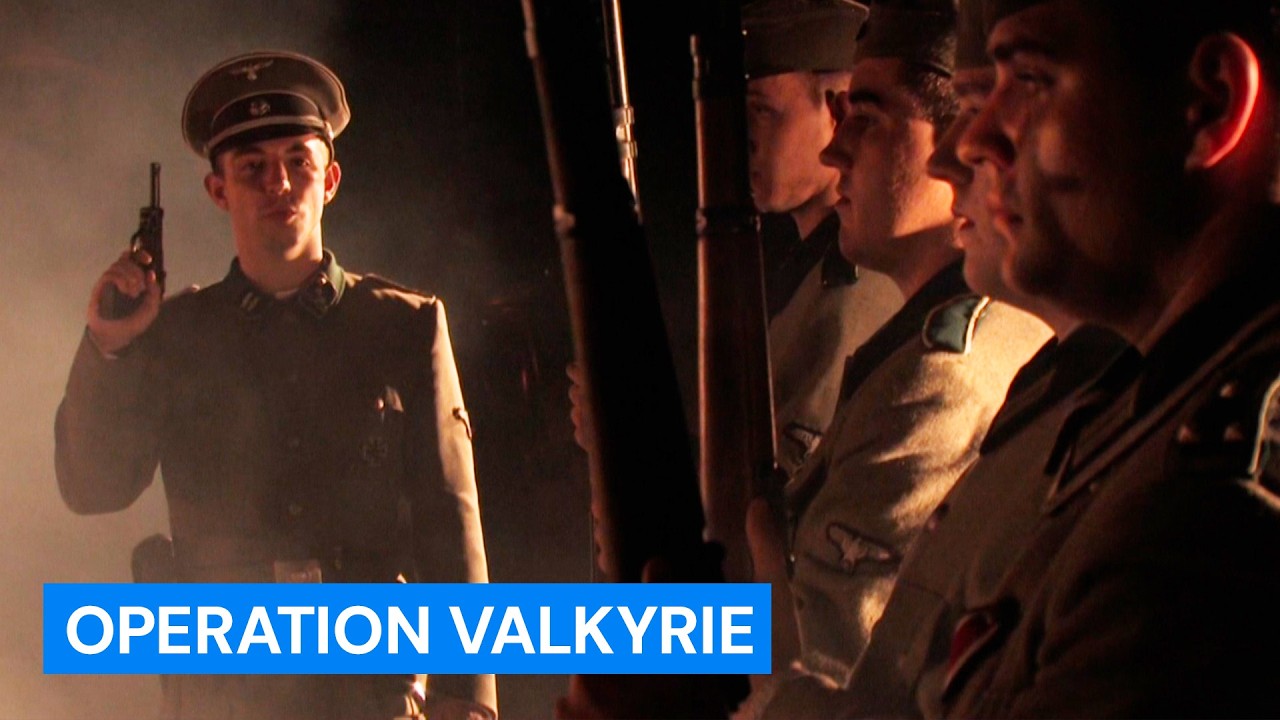
Claus Schenk Graf von Stauffenberg's assassination attempt on Adolf Hitler on July 20, 1944, is examined through eyewitness accounts and expert analysis.
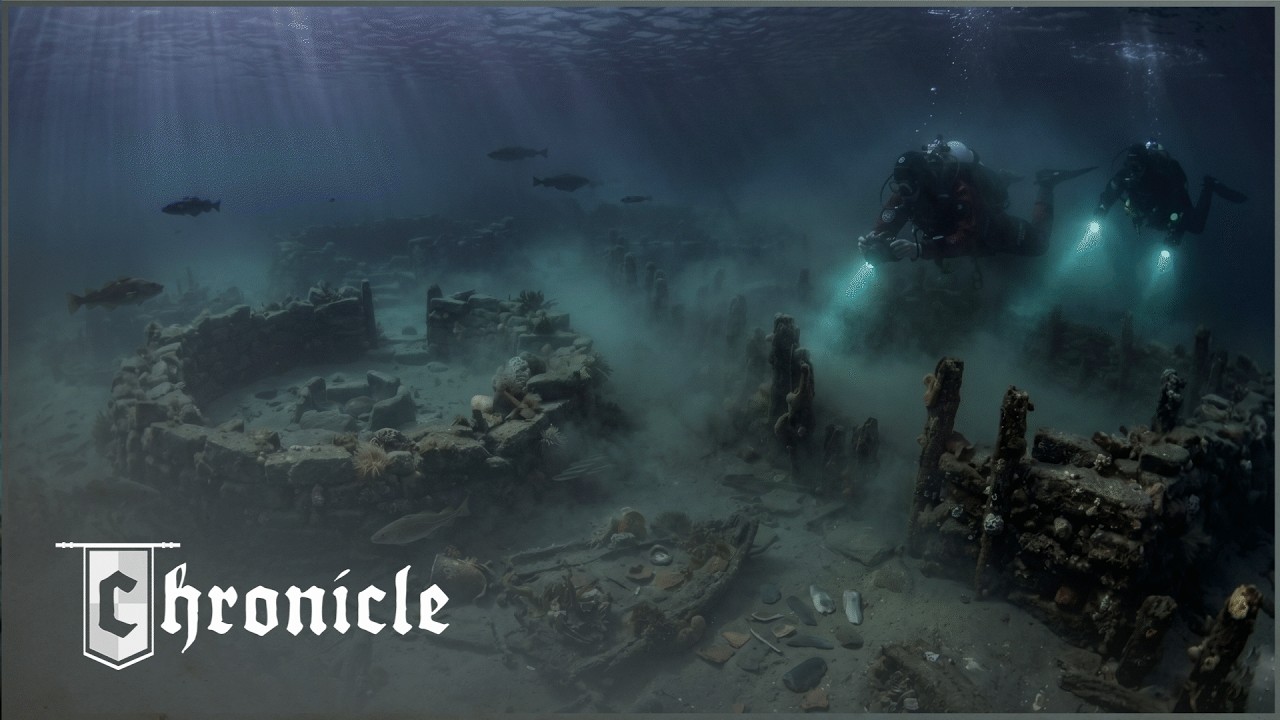
An 8,000-year-old submerged Stone Age settlement in the United Kingdom is among the groundbreaking archaeological discoveries featured in Digging For Britain.
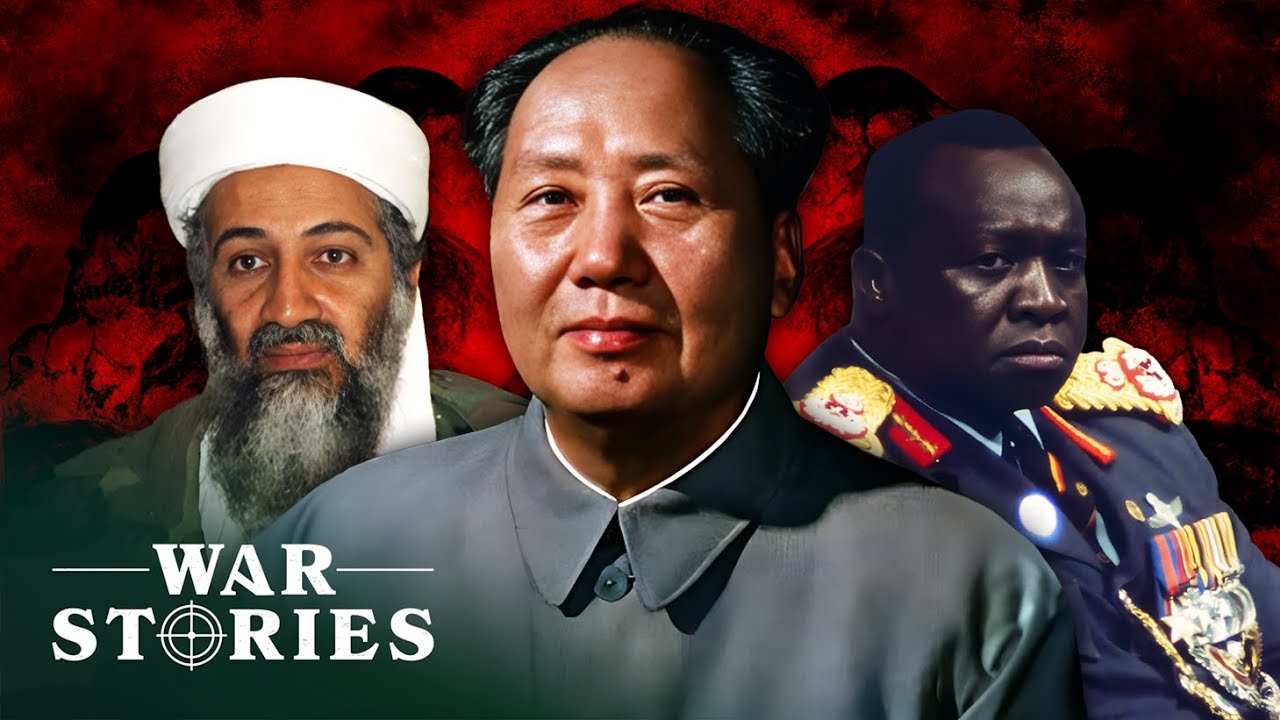
Mao Zedong, Idi Amin, Pol Pot, and Osama bin Laden are examined for their roles as some of history's most notorious despots and dictators.
A Civil War roll book details the events of April 14, 1865, when President Lincoln was shot and later died from his wounds.
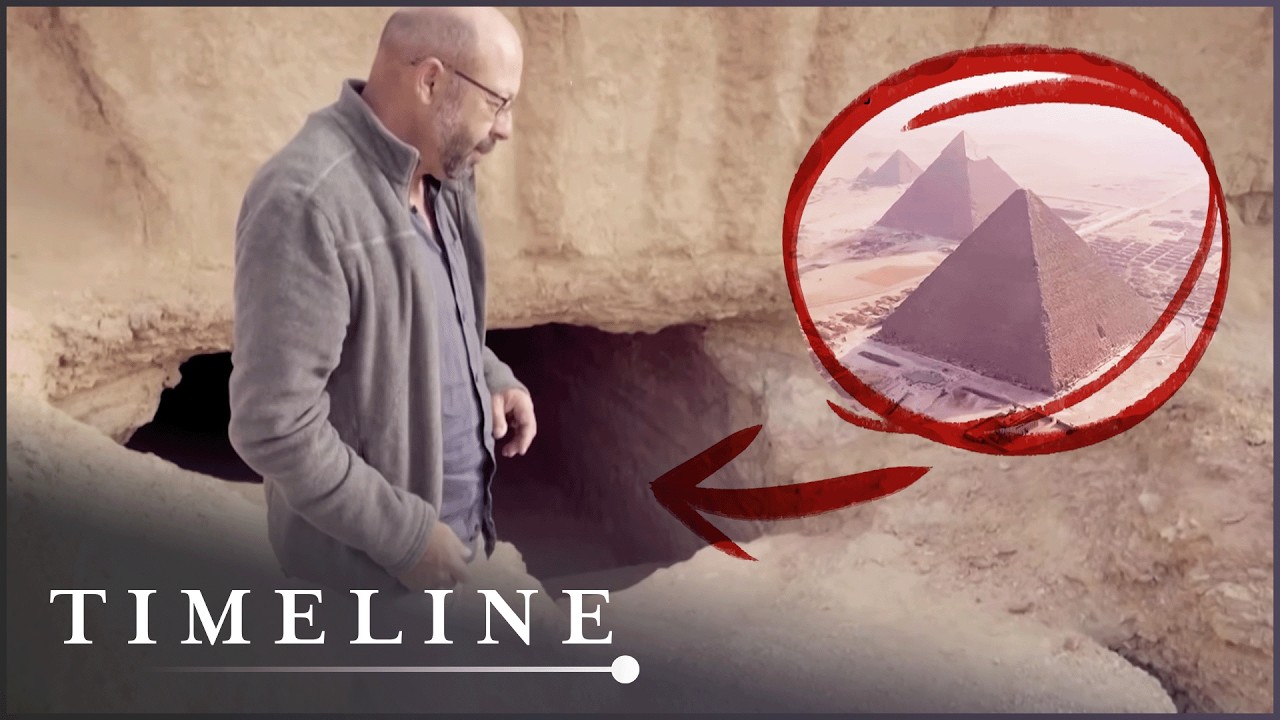
Extraordinary discoveries, including the world's oldest papyri and experimental archaeology, are reshaping understanding of the construction of the Great Pyramid of Khufu.
Ancient relics, unexplained encounters in the Old West, and theories of extraterrestrial influence on weapons suggest humanity's history may reflect otherworldly contact.
On November 8, 1918, German, British, and French delegates negotiated the armistice in a railway carriage, setting the stage for future conflicts.
Adolf Hitler's inner circle, marked by personal ambition and unwavering loyalty, played a crucial role in the execution of the Third Reich's darkest policies.
Peter, a key apostle and martyr under Nero in Rome, is examined alongside the other apostles in their roles in establishing the Catholic Church.
Ancient Rome, a dominant force in the Mediterranean, is explored through its history and the daily lives of its inhabitants.
Hiram Bingham's exploration of Machu Picchu in 1911 is examined, highlighting his role in bringing the Incan ruins to global attention.
Museum Island in Berlin showcases the lethal engineering of Ulfberht Viking swords, the Nefertiti bust, and the Pergamon Altar's complex history.
Recent excavations in Pi-Ramses, led by Professor Henning Franzmeier, reveal a palace and treasure room that highlight the legacy of Pharaoh Rameses II.
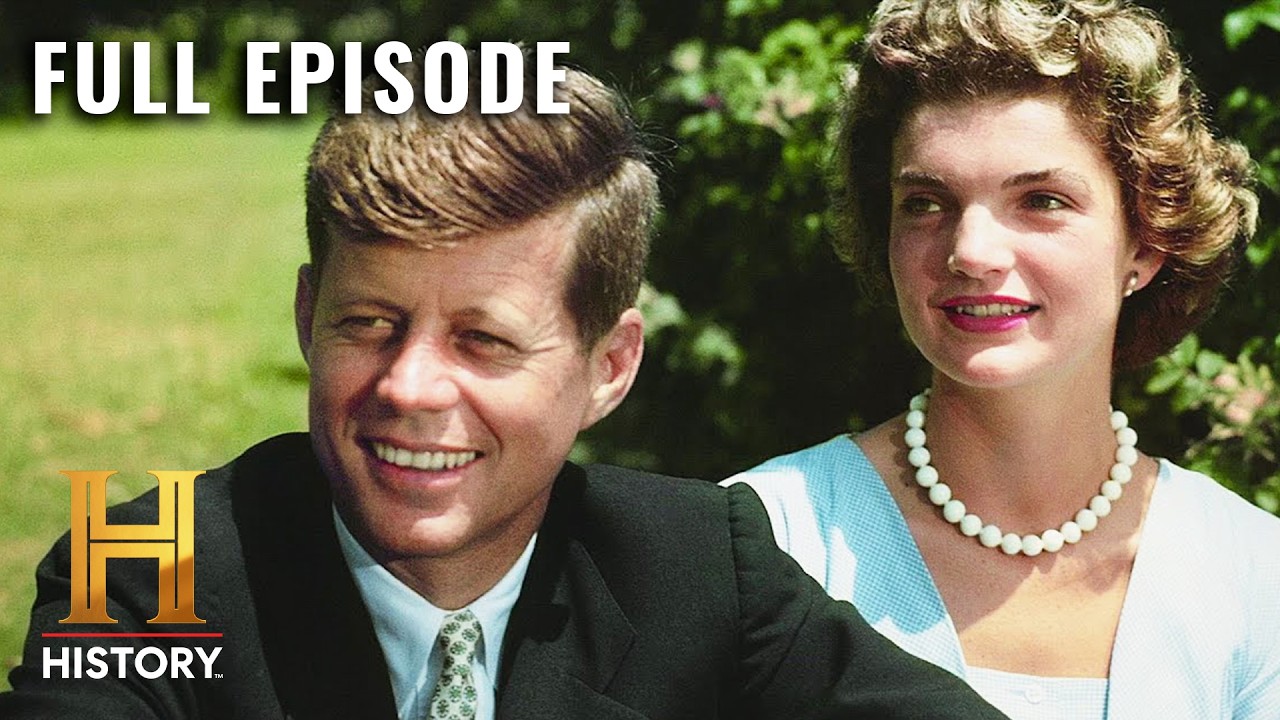
John F. Kennedy's early political career is examined through his 1946 House of Representatives campaign in Massachusetts and the subsequent events leading to 1956.
Queen Elizabeth II's funeral marked the end of her historic 70-year reign, during which she appointed fifteen prime ministers and celebrated seven jubilees.
George Chapman, known as the Borough Poisoner, was one of London's most notorious criminals during the Jack the Ripper era.
Wilhelm and Jacob Grimm, renowned for their fairy tales, collected these stories to preserve cultural heritage and influence political change in 19th-century Germany.
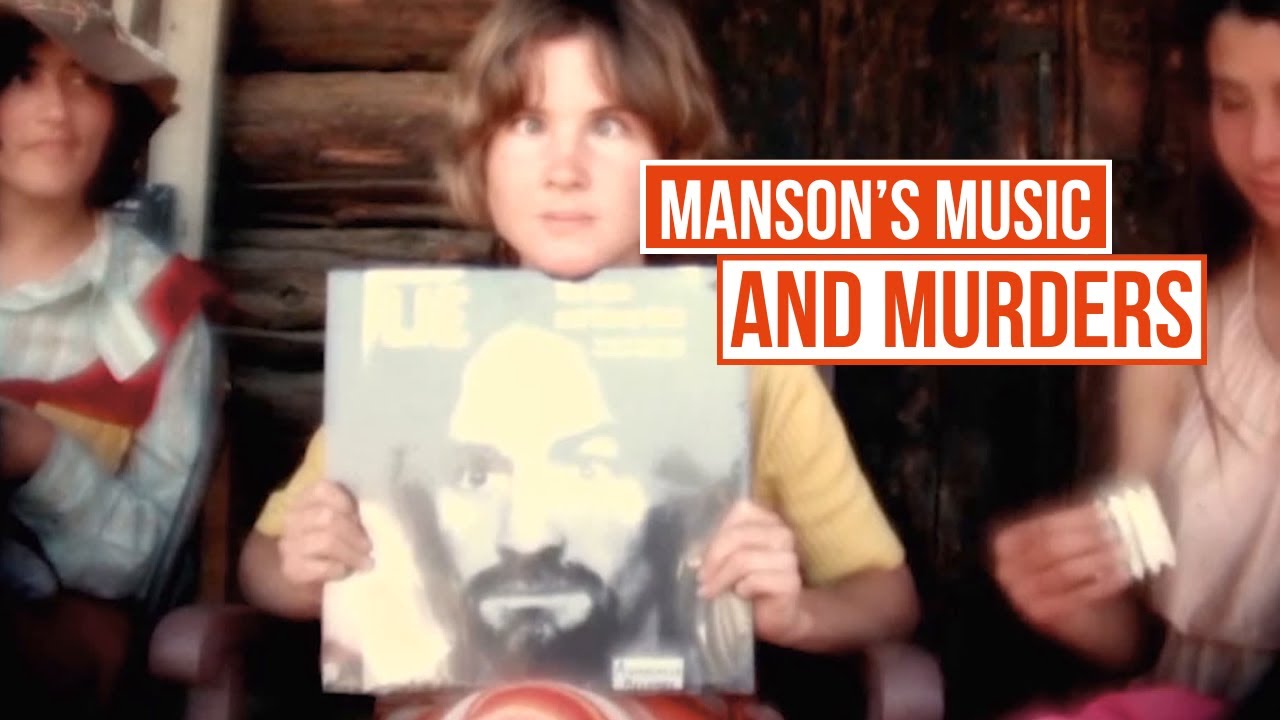
Charles Manson's ambition to become a rock star in the 1960s Los Angeles music scene, supported by figures like Dennis Wilson, ultimately spiraled into violence and infamy.
Ancient civilizations, from Mesopotamia to Rome, significantly influenced modern architecture, food, religion, and governance systems.
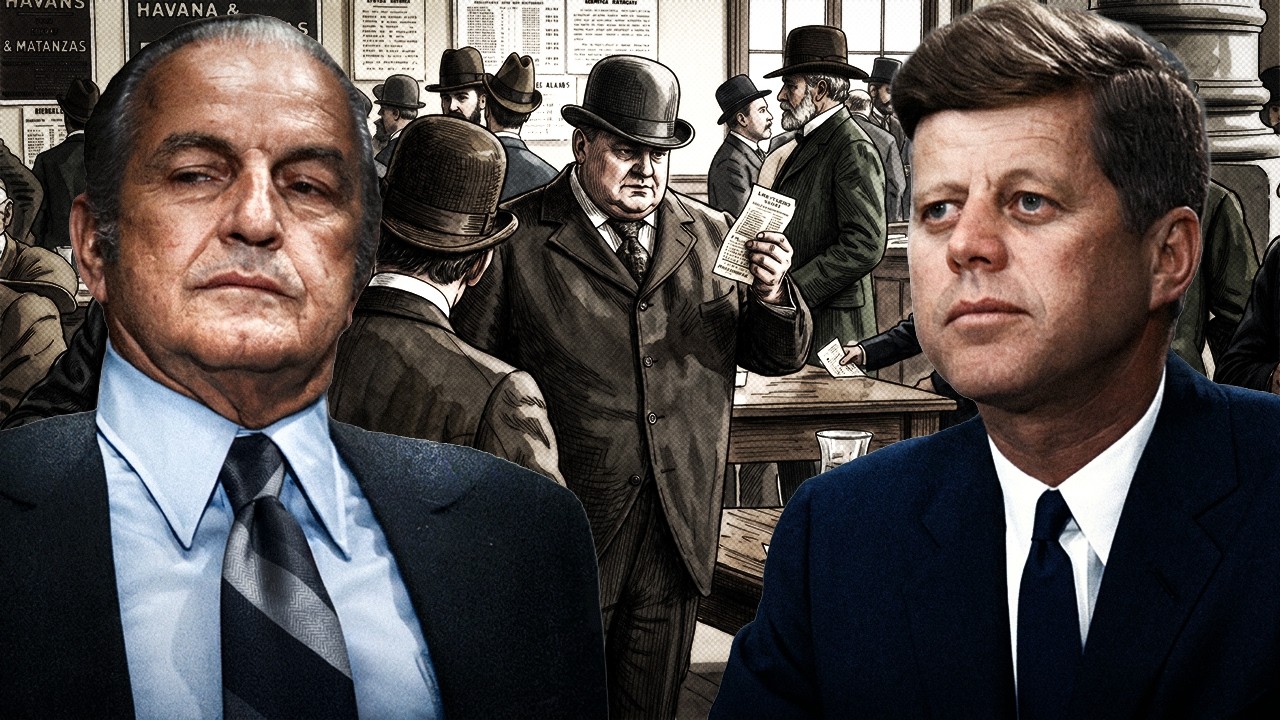
Carlos Marcello, a New Orleans mob boss, is linked to theories surrounding the assassination of President John F. Kennedy in November 1963.
Queen Elizabeth II's reign was profoundly shaped by the lives and deaths of key figures in the British monarchy, influencing the course of history.
Meidum pyramid, Egypt's least known and most enigmatic structure, is examined by archaeologists seeking to determine its origins and builders.
Ancient civilizations, from Mesopotamia to Rome, significantly influenced modern society through their engineering achievements and cultural legacies.
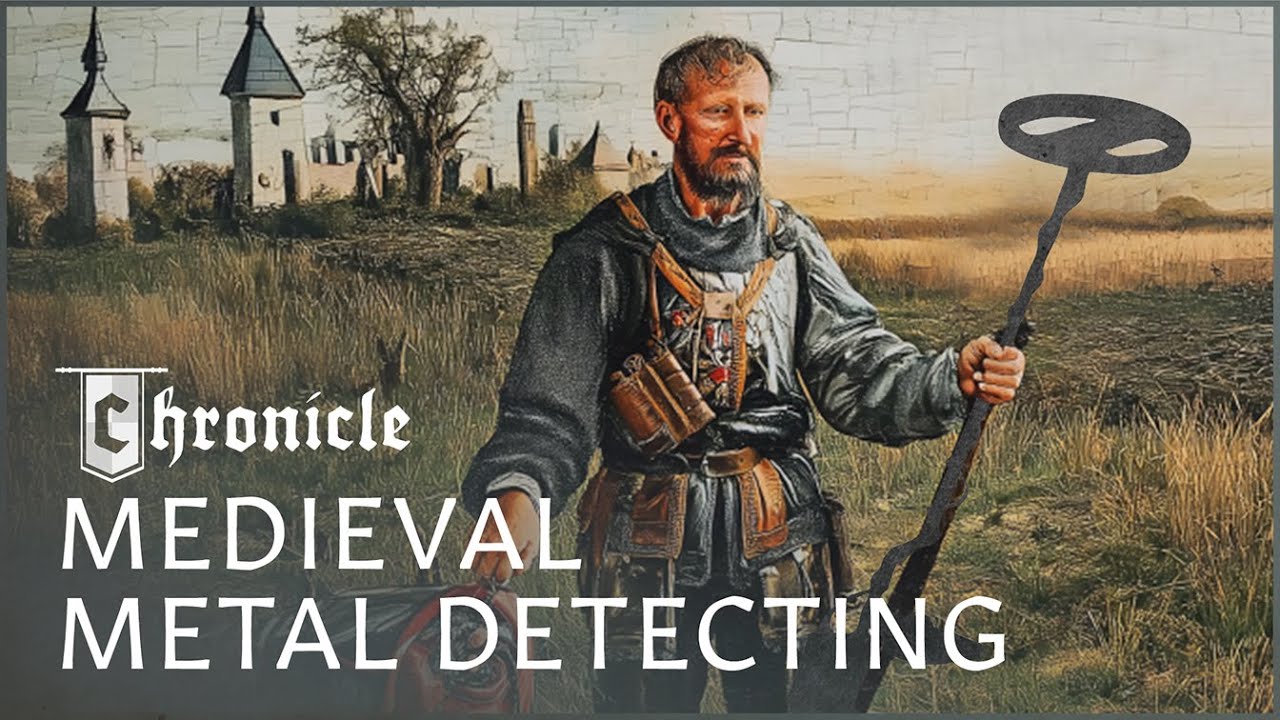
Two metal detecting enthusiasts collaborate with archaeologist Dr. David Williams to search for ancient artifacts from Roman Britain across various sites in the UK.
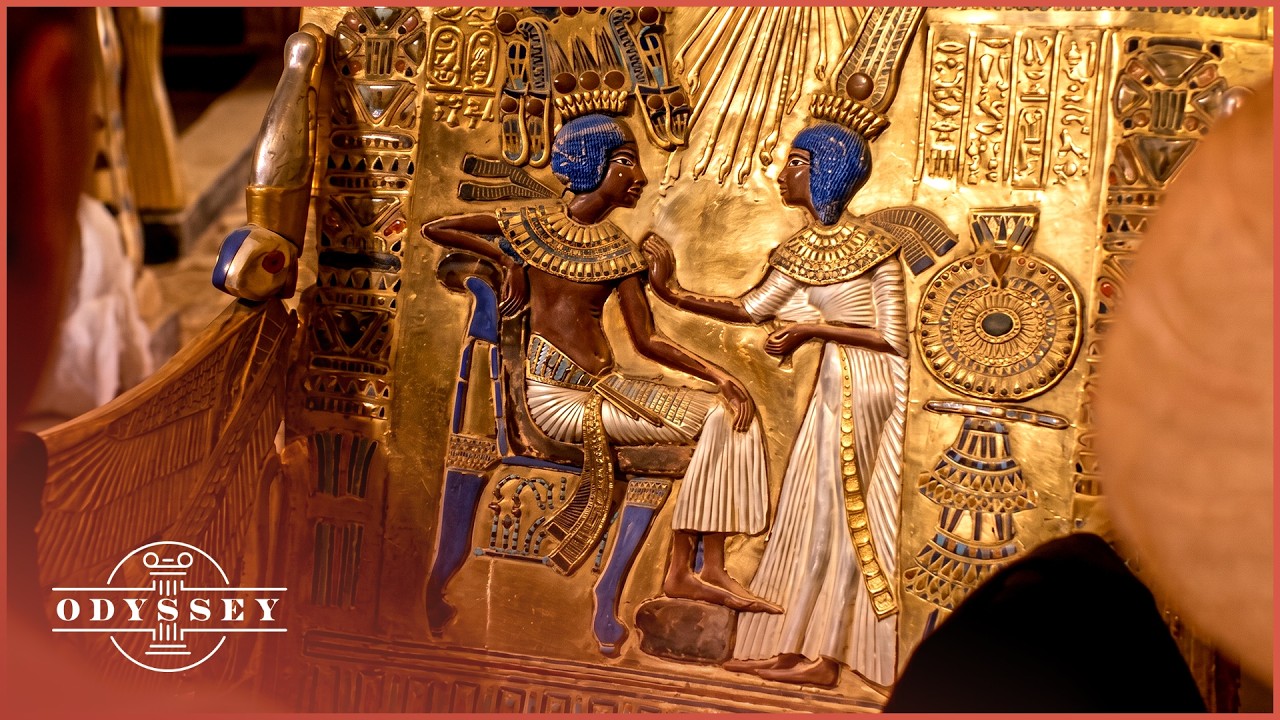
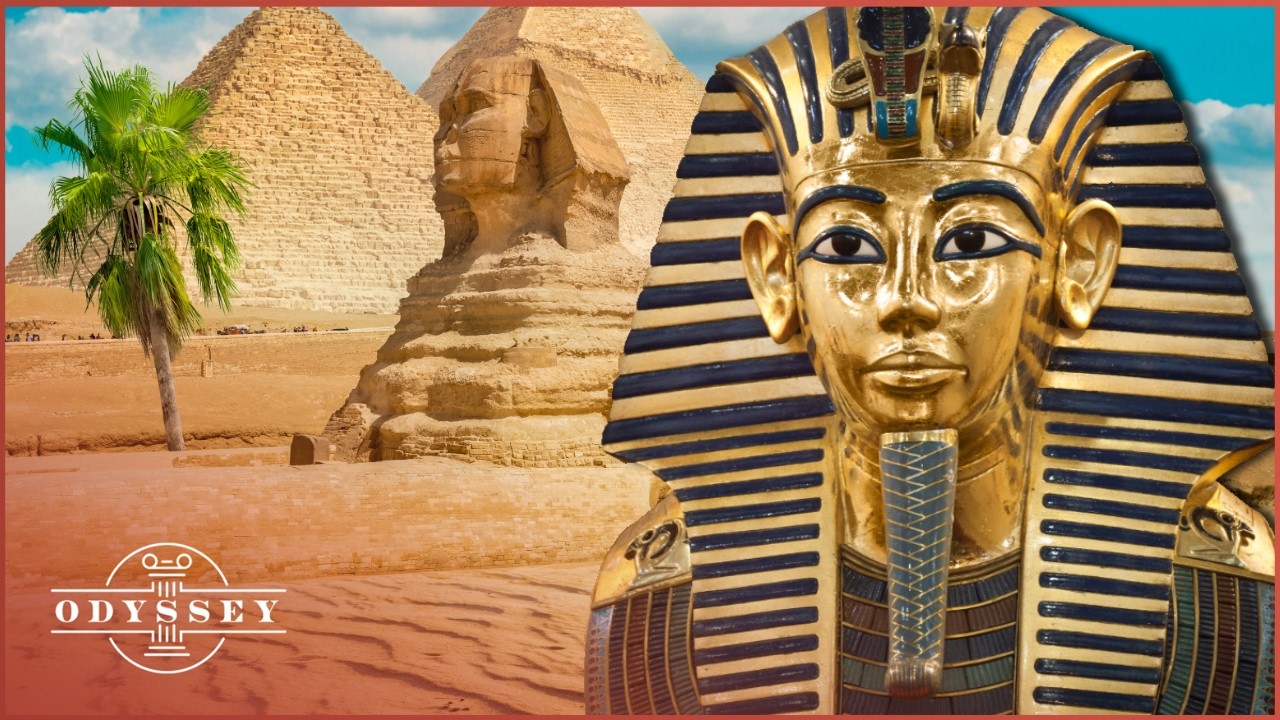
Tutankhamun, the boy king of ancient Egypt, was rediscovered after a 20-year quest by archaeologist Howard Carter and benefactor Lord Carnarvon in the Valley of the Kings.
Abraham Lincoln's assassination at Ford's Theatre in Washington, D.C., is examined as potentially part of a larger conspiracy involving multiple conspirators.
Cairo's Egyptian Museum and the Valley of the Kings reveal secrets about pharaohs, including Ramses the Great and King Senakhtenre, challenging historical narratives.
Lady Diana Spencer's transition from a shy young girl at Balmoral Castle to HRH Princess of Wales is chronicled alongside her early years and family life.
Joseph L. George, a Boatsman's Mate on the USS Vestal, defied orders during the Pearl Harbor attack to save six survivors from the USS Arizona.
Pharaoh Khufu, known for constructing the Great Pyramid of Giza, is examined for his legacy as either a tyrant or a divine ruler of ancient Egypt.