From over 100,000 films, discover the handful you'll love.
Free or premium access to the world's largest documentary library.
3628 films(Page 60 of 76)
On June 6, 1944, military cameramen like George Stevens and John Ford documented the D-Day invasion at Normandy, capturing crucial footage that shaped historical memory.
Gabriel García Márquez, a Nobel Prize-winning author from Colombia, transformed literature with his magical realism, influenced by his impoverished upbringing and political activism.
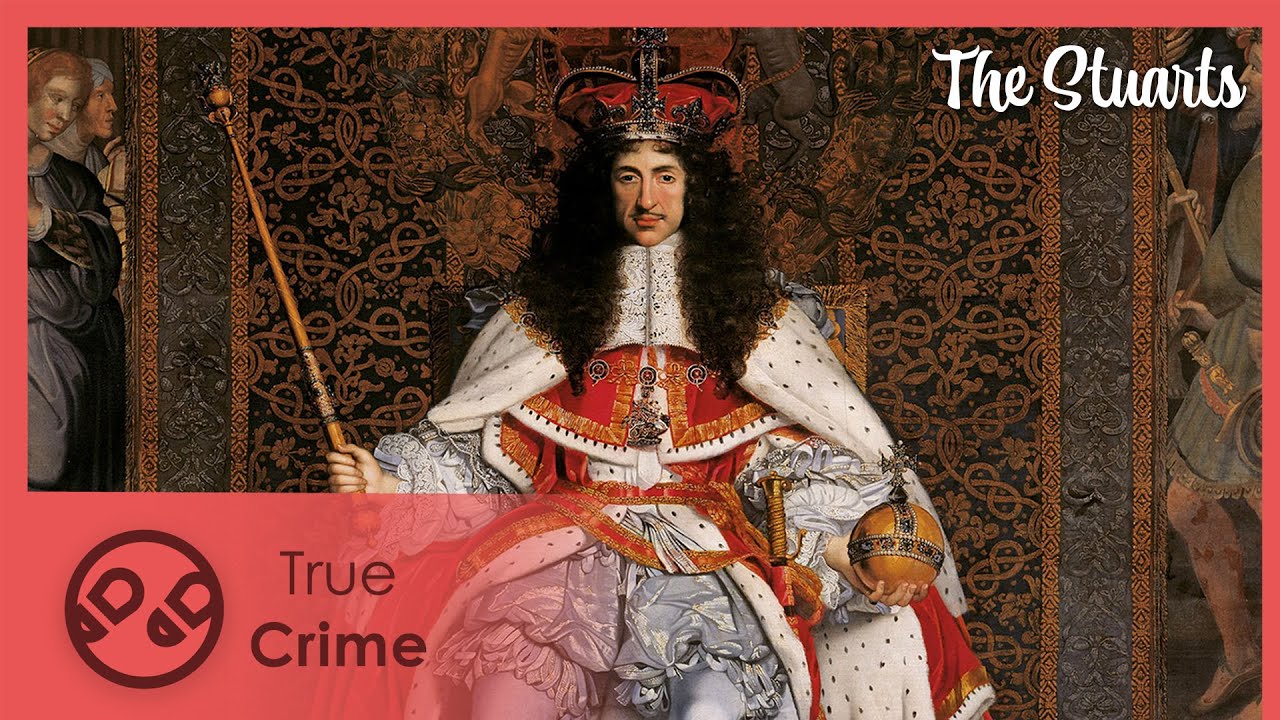
The reign of the House of Stuart from 1603 to 1688 is examined through the lens of the Wynn family at Gwydir Castle, highlighting key historical events and struggles.
Princess Anne's legacy is characterized by her unwavering dedication to royal duties, earning her respect for her tireless service and sharp wit.
A miniature historic figure artist collaborates with a thief taker who specializes in recovering stolen items, highlighting unusual and overlooked aspects of history.
Stewart McPherson sails the historic tall ship Pelican of London around the UK, exploring the history, wildlife, and landscapes of the British Isles.
The reign of the House of Stuart from 1603 to 1688 is examined through the lens of the Wynn family at Gwydir Castle, highlighting key events like the Gunpowder Plot and the execution of King Charles I.
In the South Indian district of Telangana, the Kakatiya Dynasty is explored through its magnificent temples, splendid forts, and beautiful lakes.
In 1913, the United States Government released the Chiricahua Apaches from Fort Sill, marking a new beginning for Allan Houser, born into freedom.
Civil rights leader C.T. Vivian reflects on his partnership with Dr. Martin Luther King Jr. and the principles of nonviolence that guided their activism.
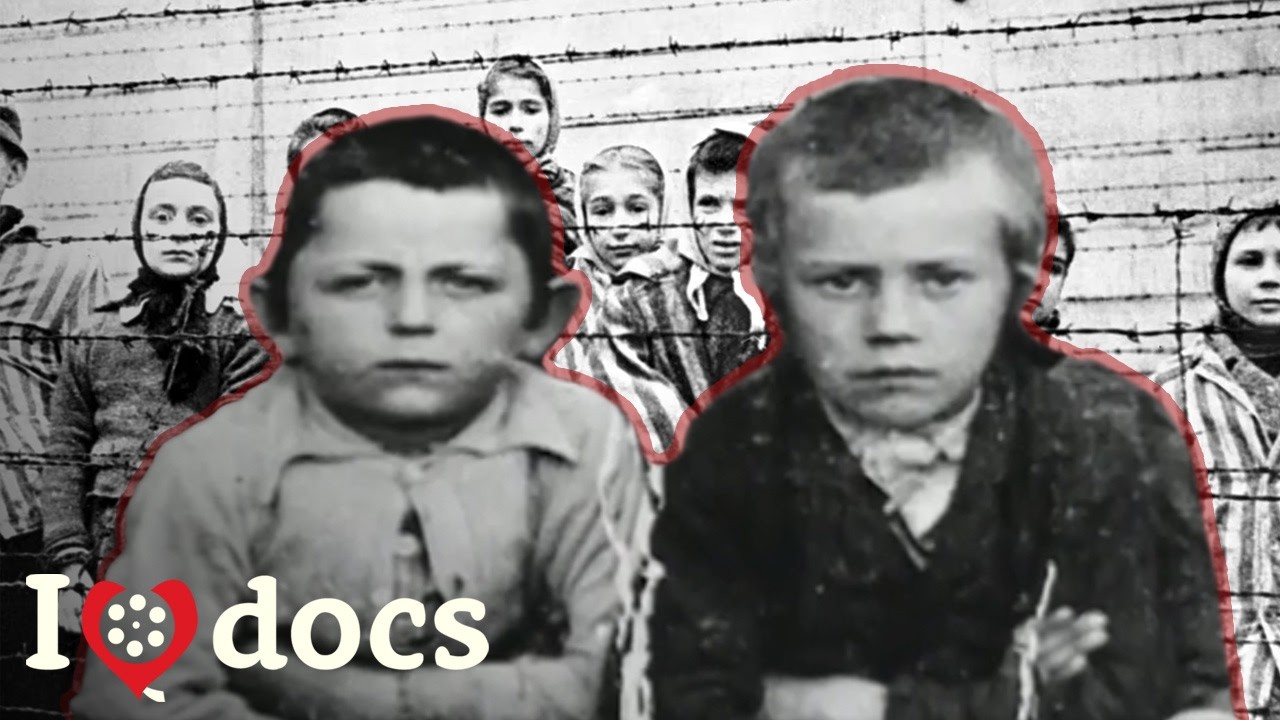
Gene Gutowski, a teenage boy from Lwow, Poland, survived the Nazi occupation through cunning and resilience, ultimately sharing his harrowing story with his son.
Leonardo da Vinci's lost sculpture is being recreated, while a sustainable canoe material and an amateur pilot's self-built plane highlight human ingenuity.
Stephen Hess, a former speechwriter for President Dwight D. Eisenhower, reflects on his experiences in Washington and the inner workings of presidential politics.
In 1889, Gustave Eiffel's construction of the iron tower at the World’s Fair in Paris faced criticism but ultimately became a symbol of modern engineering.
Nancy Wake, a New Zealand-born journalist turned British agent, became the Gestapo's most wanted woman during WWII for her pivotal role in the French resistance.
In 16th century Italy, cities like Venice and Florence transformed dining habits through innovations in horticulture, sugar consumption, and table etiquette influenced by figures such as Erasmus and Da Vinci.
3.3% of the U.S. population was Jewish during World War II, a fact that Sammy Bernstein faced as he served as a Marine in the battle of Iwo Jima.
Myths and legends, such as the Pied Piper of Hamelin and Robin Hood, illustrate how communities establish social norms and respond to change throughout history.
In Concord, Massachusetts, Nick Kessler explores the Minuteman National Historical Park, the Concord Museum, and Authors Ridge, highlighting the town's rich history.
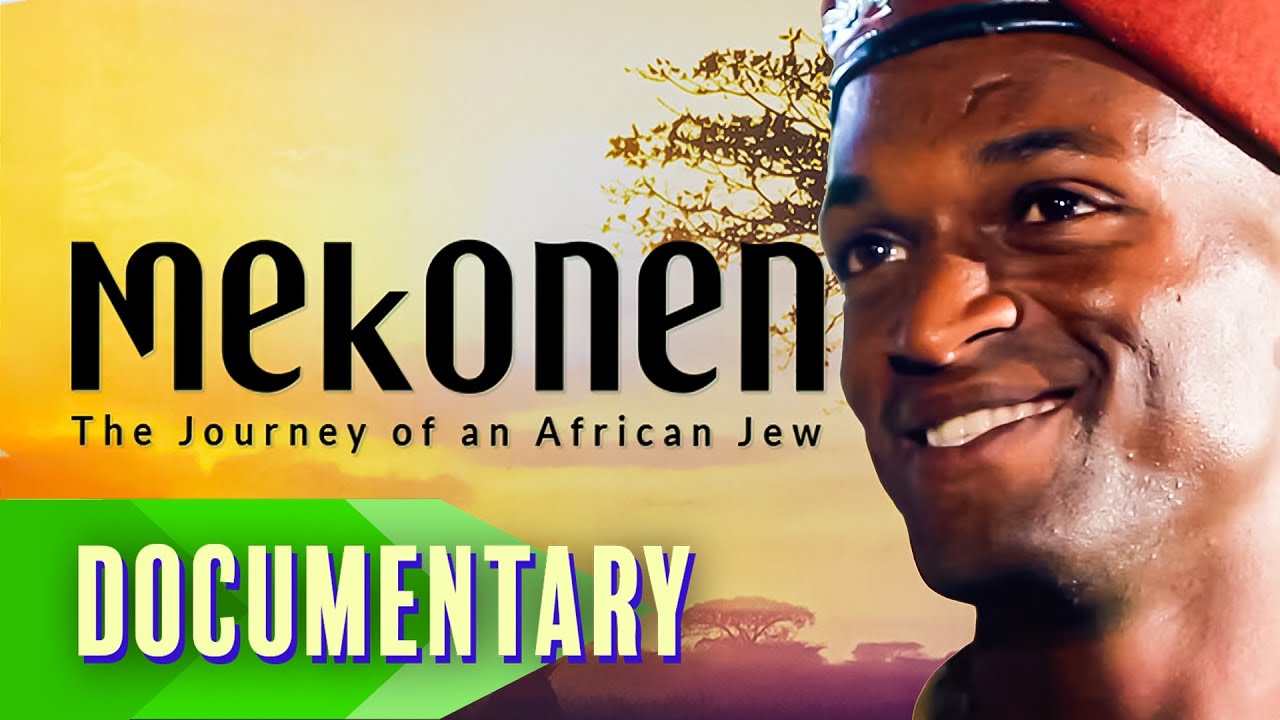
Mekonen Abebe, a young Ethiopian-Israeli commander in the Israeli Defense Forces, returns to Ethiopia to reconnect with his heritage and confront his past.
Ambitious immigrants like Carl Laemmle, William Fox, and Louis B. Mayer transformed Hollywood from open land into the global entertainment capital through innovation and competition.
Kathleen Turner examines the legacies of entertainment icons Charlie Chaplin, Billie Holiday, Marilyn Monroe, and David Bowie, highlighting their groundbreaking contributions and societal impacts.
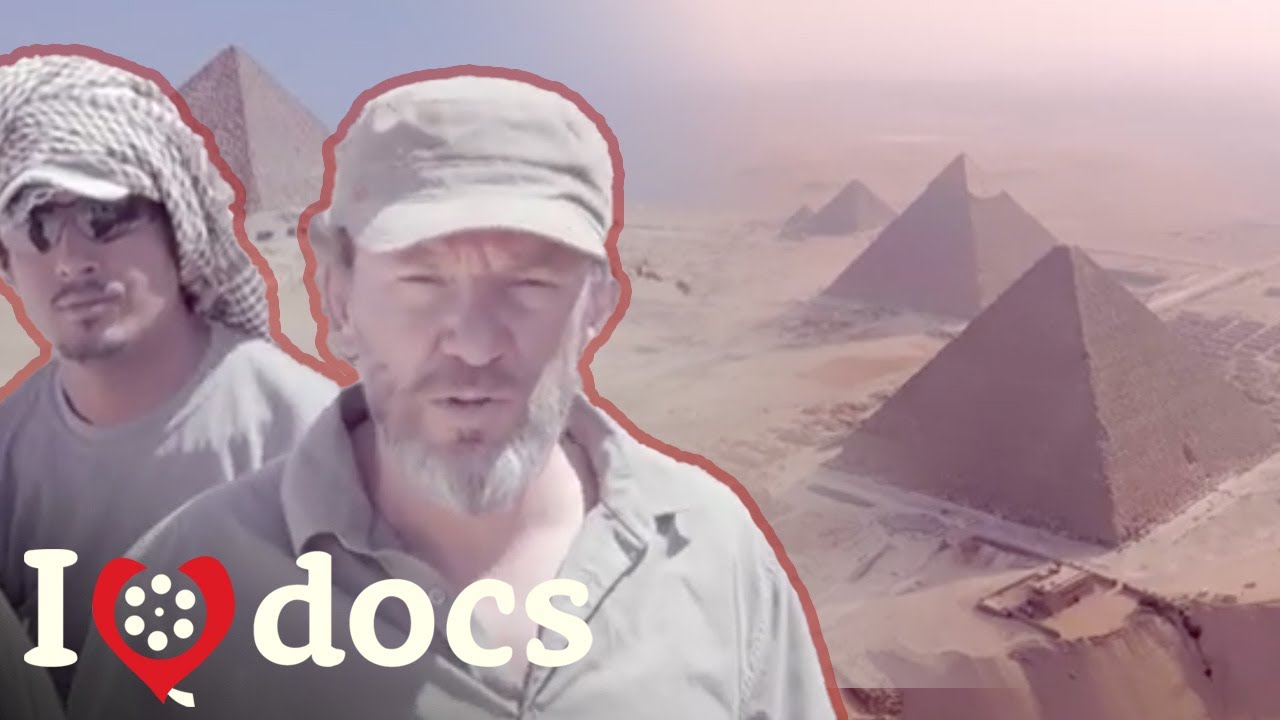
Recent archaeological findings in the Egyptian desert and along the Red Sea coast provide new insights into the construction techniques used during Khufu's reign.
Felix Opatowski, a Holocaust survivor, participated in a covert uprising at Auschwitz aimed at destroying the crematoriums during World War II.
Aristides de Sousa Mendes, the Portuguese Consul General in Bordeaux, issued visas in June 1940, saving thousands from Nazi persecution.
Mary Lou Finley shares her experiences with Dr. Martin Luther King Jr. and the Chicago Freedom Movement, highlighting ongoing struggles for justice and housing segregation.
Roman Lapshin's grandfather, a Jewish artist, created numerous paintings that remain unaccounted for, prompting a search across three continents.
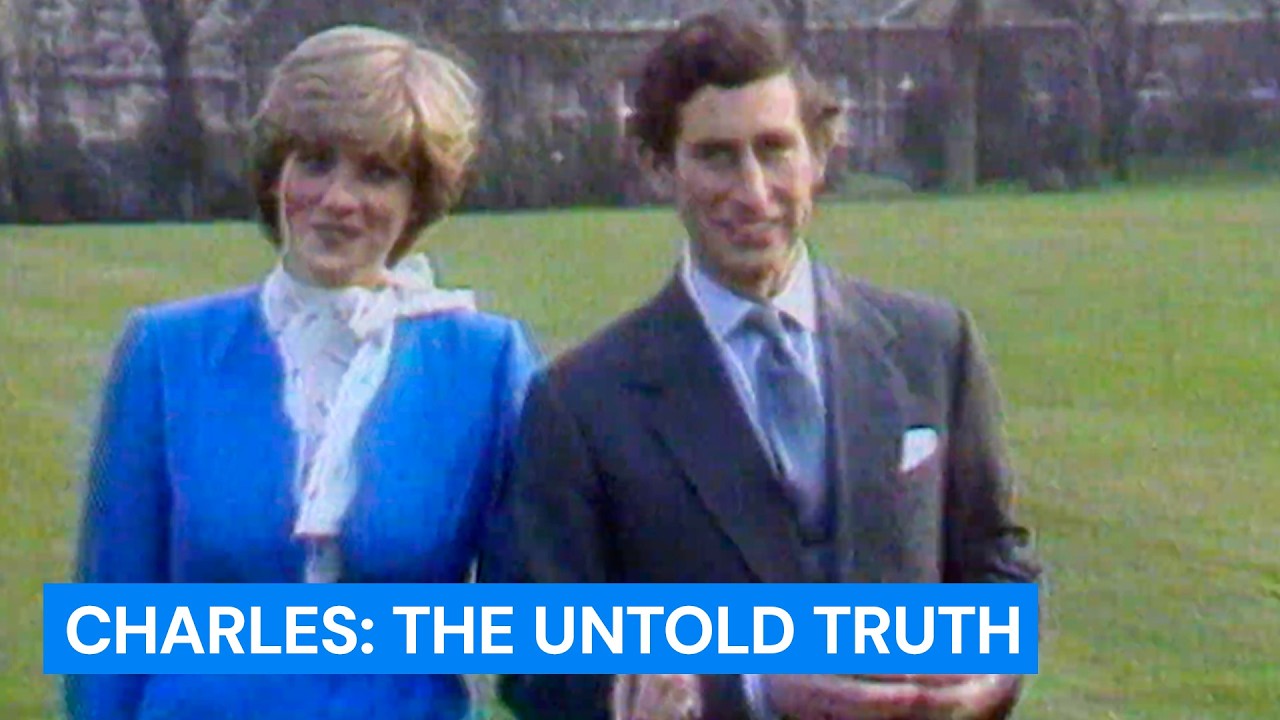
Charles III's controversial views on architecture, medicine, and religion are examined alongside his complex relationships and public image following his marriage to Camilla.
El Ouafi Bouguera became the first Olympic champion from Africa by winning the marathon at the 1928 Amsterdam Games with a time of 2h32.
Alexander Hamilton's rise from humble beginnings in the West Indies to a key role as a founding father of the United States is examined through his impactful life and legacy.
Gene Gutowski recounts his survival as a fourteen-year-old boy during the Nazi occupation of Poland, navigating the horrors of the Holocaust.
Kamala Harris, the first female, first Black, and first South Asian Vice President of the United States, navigates her early life and political career while breaking significant barriers.
Princess Catherine of Wales balances her royal duties and family life with Prince William, showcasing a modern approach to the British monarchy.
A RAF Bomber Pilot recounts his experiences flying 31 missions during World War II, including crucial support for the D-Day landings.
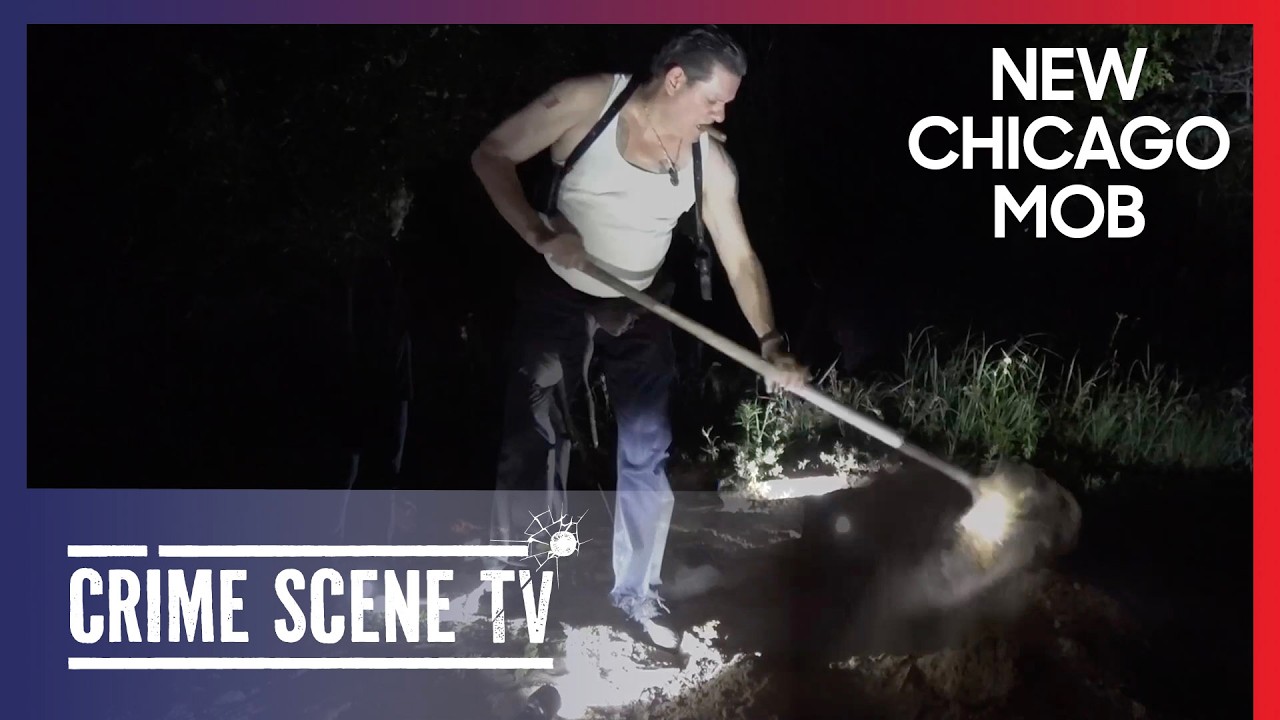
Tony Accardo, the longest sitting boss in American mafia history, navigated leadership challenges amid federal investigations and the rise of drug cartels in Chicago.
Holocaust survivors have had the right to apply for health-related compensation from the German state since 1958, with final pension payments expected by 2015.
Winston Churchill, Franklin Delano Roosevelt, Margaret Thatcher, and Nelson Mandela are examined for their transformative leadership during the 20th century.
Gloria Steinem's activism highlights her pivotal role in the feminist movement and addresses ongoing social justice and equality issues.
Harry Wills and John Tate, two boxers from different eras, faced significant challenges in their careers, including racial barriers and personal struggles with addiction.
An American photographer travels across Eastern Europe in search of Lenin statues, revealing the ironic realities of post-Cold War society.
In Delaware, Nick Kessler and Brian Fulmer explore historical sites related to gunpowder, including cannons, battle axes, and a cozy tavern.
Al Capone, born to Italian immigrants in Brooklyn, rose to infamy as America's most notorious gangster during the Prohibition era, shaping organized crime in Chicago.
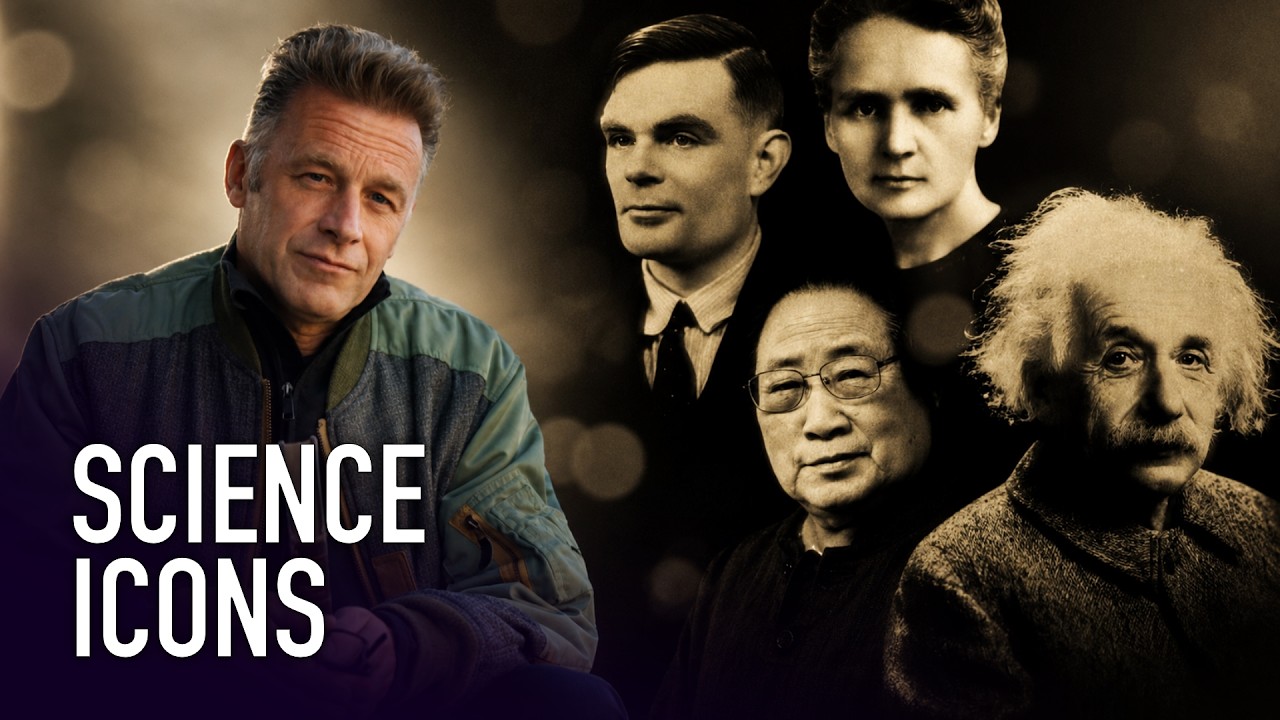
Marie Curie, Albert Einstein, Alan Turing, and Tu You You are examined for their groundbreaking contributions to science and the personal sacrifices they made.
Ernest Shackleton, Gertrude Bell, Neil Armstrong, and Jane Goodall exemplify 20th-century exploration, transforming it from imperial conquest to cultural understanding and conservation.
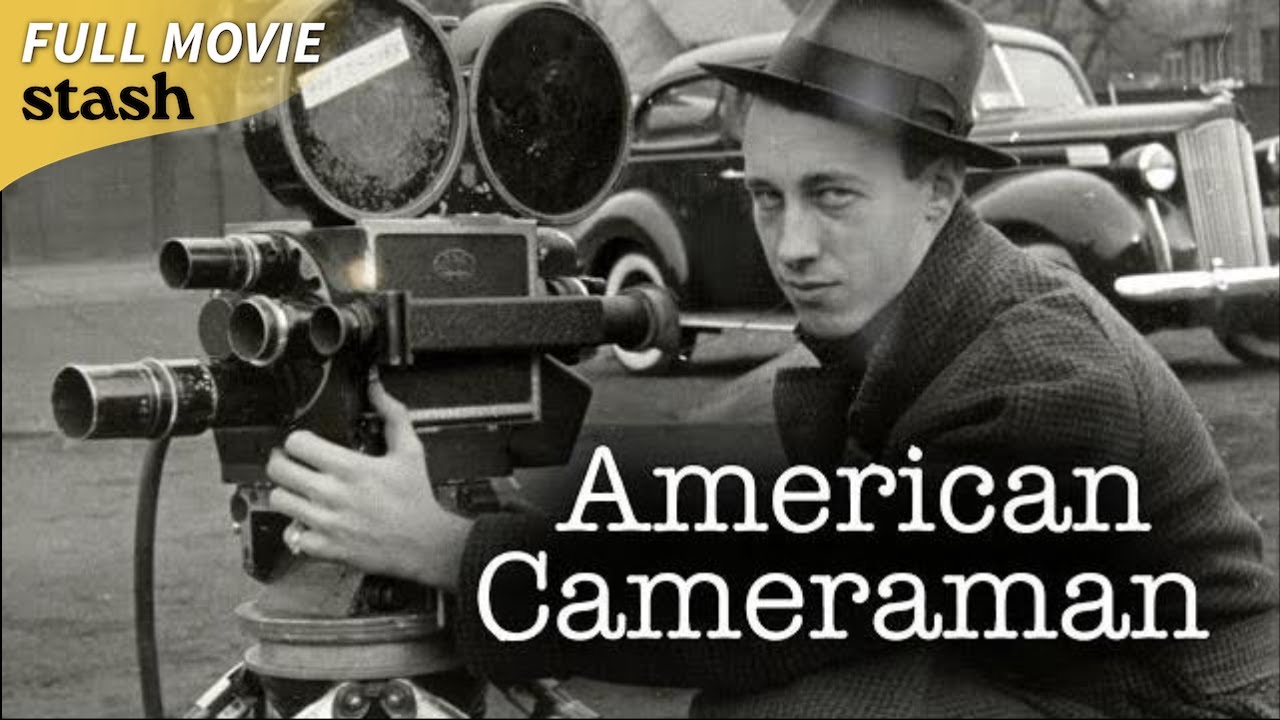
Bill Birch, a legendary news photographer, recounts the evolution of moving image news from the silent era to the advent of video using rare footage.
Policy gambling and horse racing in Chicago were pivotal rackets controlled by the outfit, leading to the rise of figures like Frank Nitti after Prohibition.