From over 100,000 films, discover the handful you'll love.
Free or premium access to the world's largest documentary library.
3628 films(Page 46 of 76)
Abraham Lincoln's debates against Stephen A. Douglas highlighted the moral conflict of slavery and the principle that all men are created equal in the United States.
Sandra Day O'Connor reflects on her pioneering legal career, from her early education in El Paso to becoming the first female Supreme Court Justice in 1981.
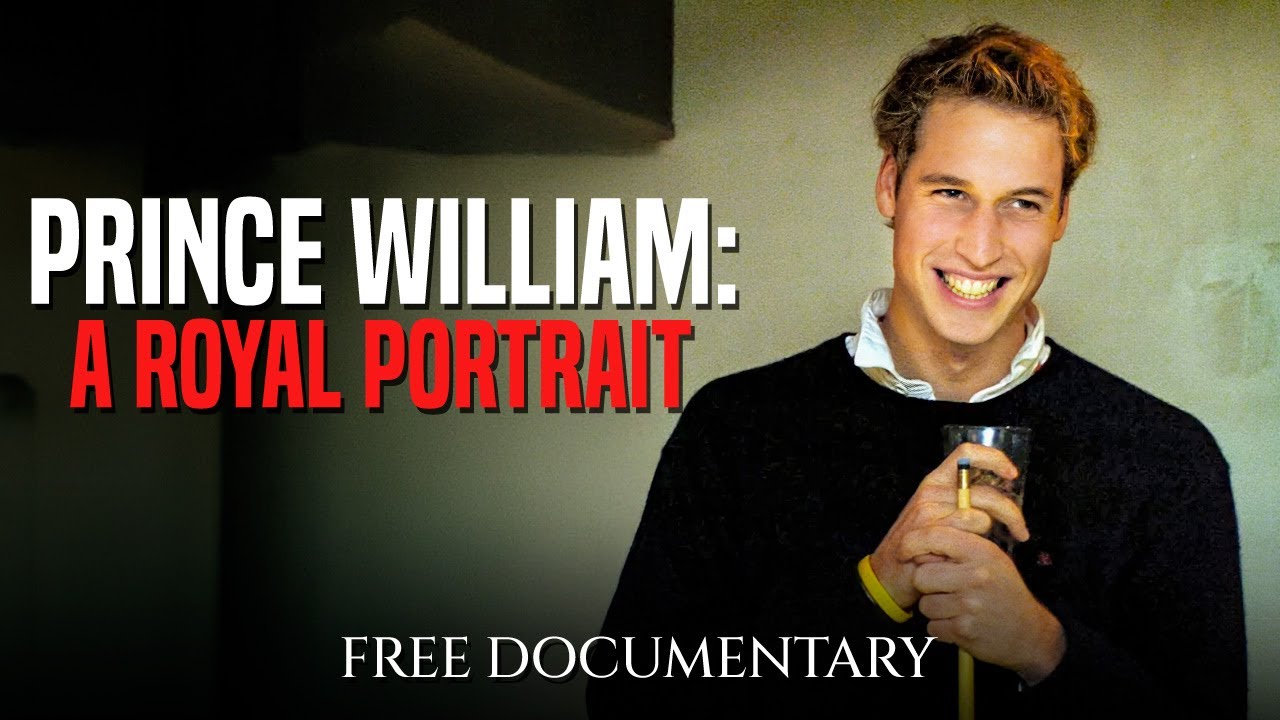
Prince William's formative years at Eton and the complexities of growing up as the future King of England are examined through expert insights and public fascination.
120 films from the 1950s and 1960s provide a visual tribute to Montreal's landmarks, figures, and residents during a significant period in Canadian history.
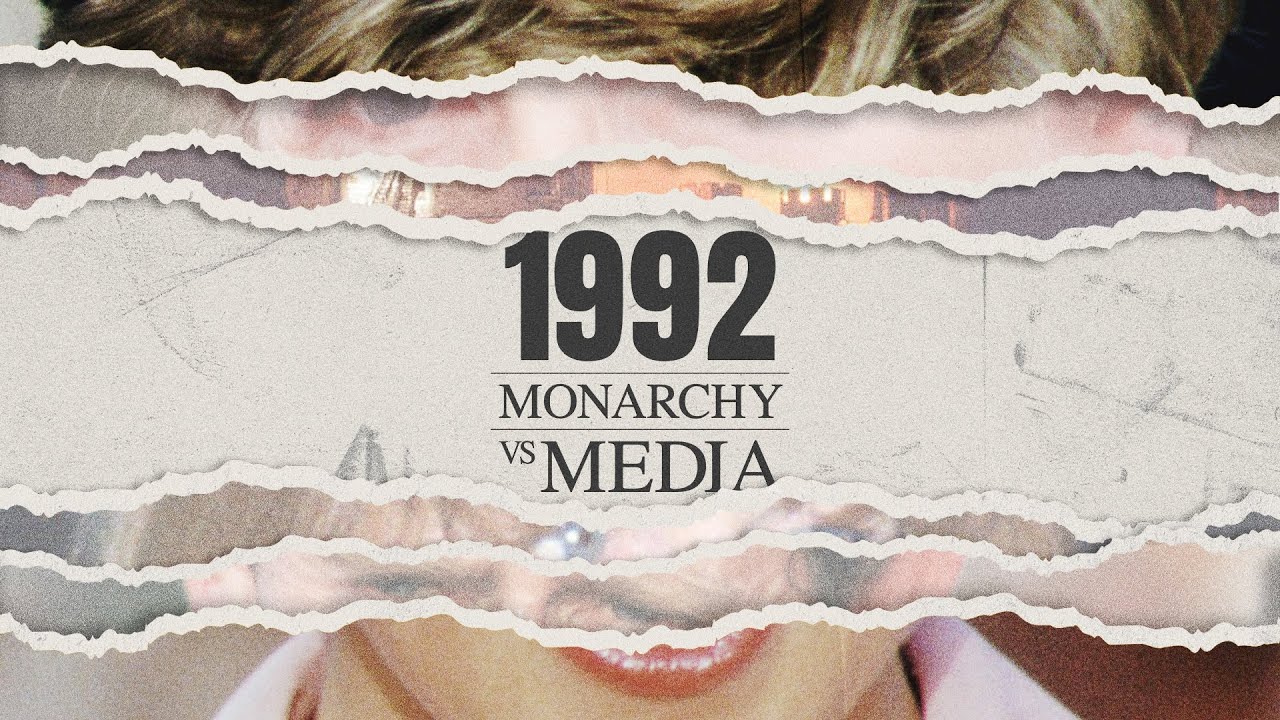
Queen Elizabeth II's 1992, labeled an "Annus Horribilis," was marked by the collapse of three royal marriages, a devastating fire at Windsor Castle, and intense media scrutiny.
In 2012, librarian Abdel Kader Haidara and his team in Timbuktu rescued approximately 370,000 manuscripts from destruction by Al Qaeda militants.
Diana, Princess of Wales, is portrayed through unseen archives and new insights, highlighting her life, marriage to Prince Charles, and enduring legacy.
Walt Disney was still a few months shy of his 18th birthday when he returned from France after the First World War in 1919.
George VI's unexpected ascent to the British throne amid the turmoil of World War II highlights his transformation from a reluctant leader to a symbol of national resilience.
Ted Bundy's notoriety as a serial killer is examined alongside other infamous figures like Gary Ridgway and Robert Pickton, highlighting their ability to blend into society.
In southern Italy, a girl recounts her encounter with the poetry and philosophy of Carlo Michelstaedter, a celebrated thinker who died in 1910.
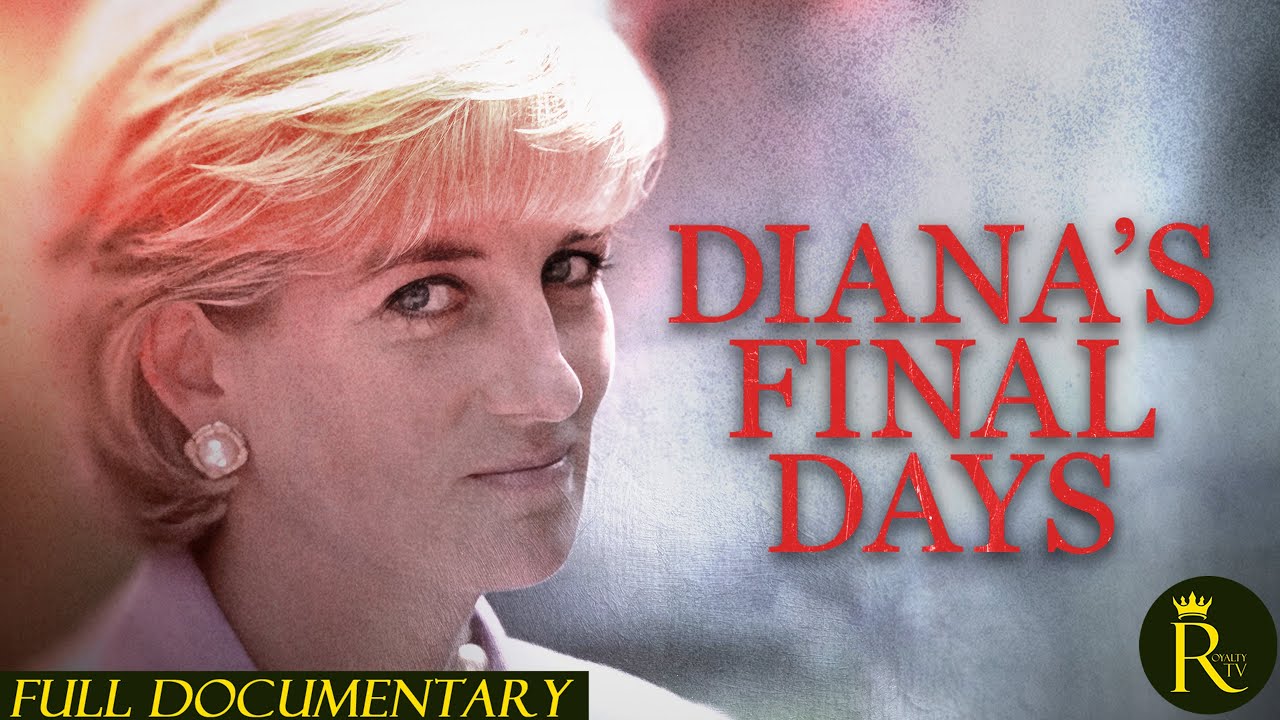
Princess Diana's final days are examined through her complex relationship with the media, her role within the royal family, and the public's enduring fascination.
Historian Steven Hahn examines the evolution of slavery in American history through narratives, resistance, and the impact of the Civil Rights Movement.
Henry Kissinger reflects on his friendship with John McCain, recalling their connection during the Hanoi negotiations and McCain's experiences as a POW.
Ancient cities reveal gladiator arenas, hidden tunnels, and barbarian strongholds that shaped some of history's fiercest battles in this marathon from Cities of the Underworld.
Aileen Wuornos in Florida, Joanna Dennehy in England, and Maria Felicia Feldt in Germany exemplify the disturbing reality of female serial killers and their crimes.
A South American mummy with visible wounds raises questions for the Mummy Research Team about the possibility of violent crime in ancient times.
In 985 AD, Erik the Red led Vikings to establish two settlements in Southern Greenland, which thrived for centuries before mysteriously vanishing by the 15th century.
Operation Oak, the 1943 rescue of Benito Mussolini, is reexamined through new evidence, revealing a different narrative of Nazi propaganda and military actions.
The Yamato dynasty, Japan's oldest continuous hereditary monarchy, has shaped the nation's history and culture over 3,000 years, from Emperor Jimmu to Emperor Naruhito.
Christopher Baker explores Cuba's vibrant culture and its spiritual practices, including an encounter with the saints of Santera.
Serial killers, including the Gainesville Ripper, the Unabomber, and the Spokane Prostitute Killer, exhibit sociopathic traits and a lack of empathy.
The National Archives holds 377 ratified Indian treaties, three of which were signed during George Washington's presidency.
Lotte Reiniger, a pioneering German animator, created The Adventures of Prince Achmed in 1926, the oldest surviving feature-length animated film.
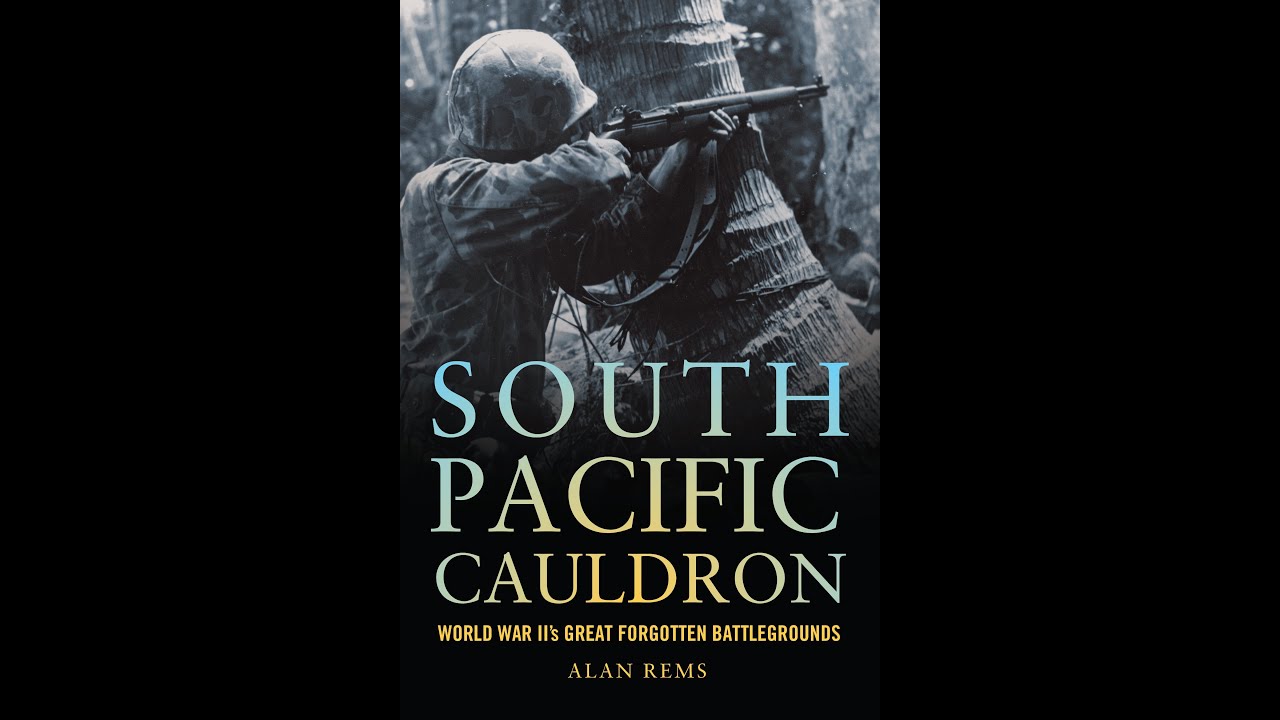
Forgotten battlegrounds of World War II in the South Pacific, including Buna and Rabaul, are examined by author Alan Rems alongside key military figures.
William the Conqueror's rise to power is examined through the lens of the Normans' evolution from Viking raiders to influential rulers in 11th-century Europe.
In the fall of 1858, Abraham Lincoln faced personal and political setbacks before ultimately securing the Republican Presidential nomination by May 1860.
Archaeological research challenges the traditional view of prehistoric gender roles, revealing the significant contributions of women in ancient societies across various cultures.
In the Middle Ages, master masons and engineers constructed iconic fortresses, including Edward I's Iron Ring, which strained the English crown's finances.
Pontiac, the leader of the Algonquin Nations, led a resistance against British military occupation in the Great Lakes region following the French defeat in 1759.
Vienna's historical landscape is shaped by influential figures like Maria Theresa and Franz Joseph, alongside a notable performance by a young Wolfgang Amadeus Mozart.
Ferdinand II's campaign to re-Catholicise territories during the Thirty Years' War culminates in the brutal Sack of Magdeburg, resulting in widespread devastation and loss of life.
Historian James Oakes discusses Abraham Lincoln's presidency during the Civil War, highlighting the unprecedented crisis he faced and his commitment to freedom.
Lady Elizabeth Bowes-Lyon, the Queen Mother, played a crucial role in British history, influencing the monarchy from the Edwardian era through the millennium.
Alphonse Gangitano, known as the "Black Prince of Lygon Street," was a prominent figure in the Carlton Crew, an underground criminal organization in Australia.
Djoser, an Old Kingdom pharaoh, commissioned the Step Pyramid at Saqqara around 2,650 BC, revolutionizing ancient Egyptian architecture with Imhotep's innovative designs.
The 1873 Comstock Act made it illegal to send contraception and obscenity through the U.S. Mail, impacting women's rights for a century.
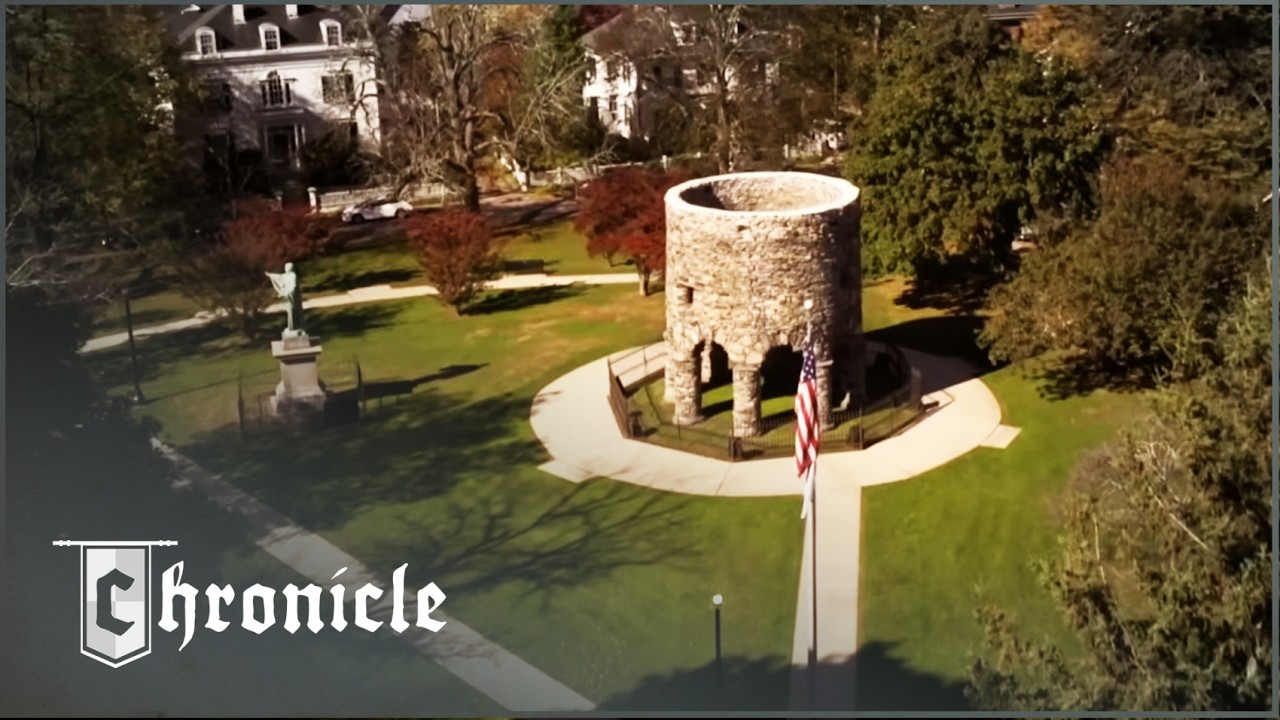
Scott Wolter investigates the Newport Tower in Rhode Island, exploring theories that the Knights Templar reached North America before Columbus.
In 1618, the Thirty Years' War began, marked by Peter Hagendorf's diary detailing the conflict's brutality, including the Battle of Lutzen and the deaths of Gustavus Adolphus and Wallenstein.
Rose Schneiderman, born into a Jewish family in Russian Poland, became a key figure in the 1909 garment workers strike advocating for women's suffrage in New York.
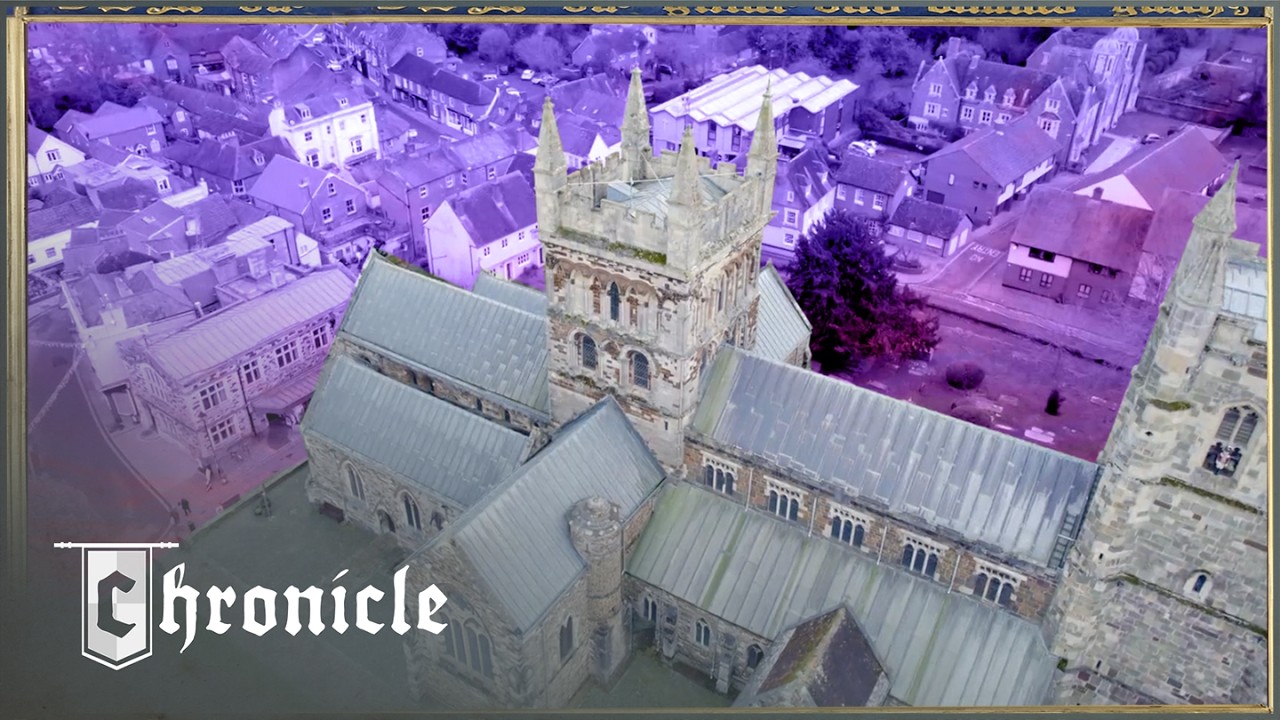
Wimborne Minster in Dorset, England, showcases its 1,300-year history through a 14th-century astronomical clock, a Chained Library, and connections to aristocracy.
Cleopatra’s Needle, a 3,500-year-old Egyptian obelisk commissioned by Pharaoh Thutmose III, was transported to New York through a significant engineering effort funded by the Vanderbilts.
Lady Bird Johnson's influential role in shaping Lyndon B. Johnson's presidency is explored through their complex marriage and partnership in American politics.
George Washington's financial papers reveal how he transformed Mount Vernon into a thriving enterprise and laid the groundwork for the national economy.
Nine days after Louis Riel was hanged in Regina, the last spike was driven into the Canadian Pacific Railway, marking a significant moment in Canadian history.
In Washington, D.C., the National Archives hosts the annual Independence Day celebration featuring a reading of the Declaration of Independence by historical figures.
Princess Diana's humanitarian efforts and evolving role within the British monarchy are explored through rare footage and insights into her legacy.
Four Singaporean heroes, including pilot Tan Kay Hai and Captain Ho Weng Toh of the Flying Tigers, faced extraordinary challenges during World War II.