From over 100,000 films, discover the handful you'll love.
Free or premium access to the world's largest documentary library.
3628 films(Page 58 of 76)
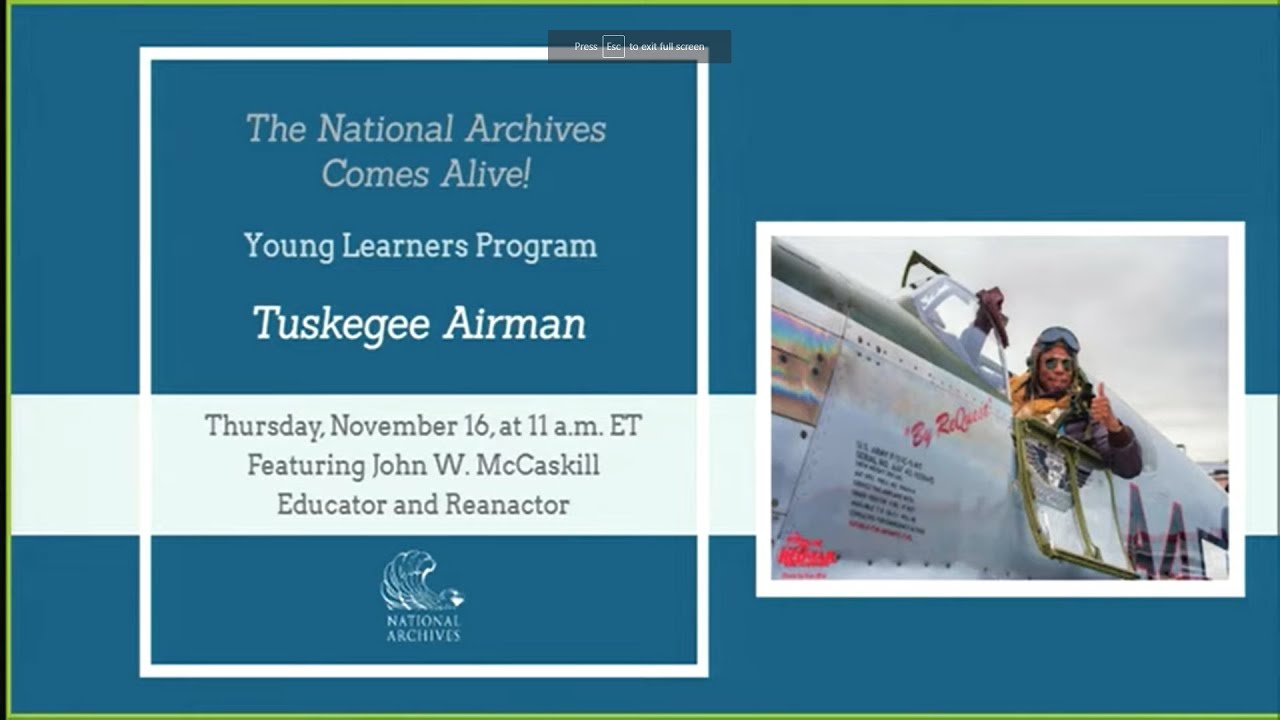
John McCaskill, an educator and reenactor, presents the legacy of the Tuskegee Airmen, the first African American flying unit in the U.S. military during World War II.
Amelia Earhart was the first female to fly solo across the Atlantic Ocean and received the United States Flying Cross for her achievements in aviation.
On December 17, 1903, Orville Wright flew the first successful and sustained heavier-than-air flight in Kitty Hawk, North Carolina.
Vienna's golden age serves as the backdrop for a vibrant exploration of the artistic and cultural innovations of Gustav Klimt and Egon Schiele.
Deborah Sampson, the first woman to fight in the American Revolutionary War, served in the Fourth Massachusetts Regiment under the alias "Robert Shurtlieff."
Antoni Gaudí's Sagrada Família in Barcelona raises questions about its intended completion and the architectural philosophy behind its unfinished state.
Eleanor Roosevelt, a humanitarian and civil rights advocate, is portrayed by Rene Goodwin in a program highlighting her influential role in American history.
Johannes Vermeer, a 17th-century Dutch painter, was largely forgotten until his iconic work, "Girl with a Pearl Earring," was rediscovered in the 20th century.
Sojourner Truth delivered her famous speech "Ain't I a Woman" at the Women's Rights Convention in Ohio in 1851, advocating for abolition and women's rights.
Philip Levy has published at least three previous books on George Washington, including one on his boyhood home, Ferry Farm, published in 2013.
In 1986, the Statue of Liberty celebrated its 100th birthday, marking a century as a symbol of friendship between France and the United States.
In early 1945, as Hitler's regime crumbled under the pressure of advancing Russian and US forces, the documentary examines the catastrophic consequences of his totalitarian vision, the deaths of key figures like Goebbels and Himmler, and the legacy.
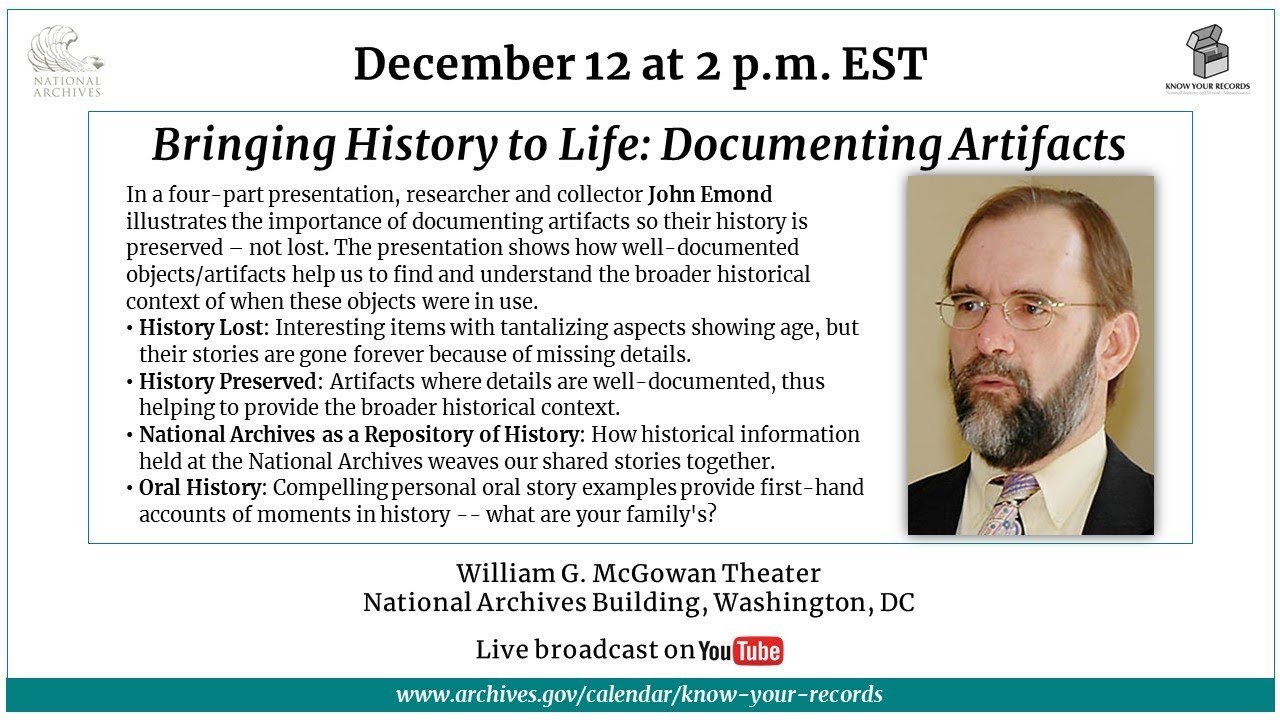
77 videos provide guidance on accessing historical records at the National Archives and documenting artifacts' significance.
Hispanic Americans have played a significant role in the U.S. Congress from 1822 to 2012, as presented by Matthew Wasniewski at the Center for Legislative Archives.
Mahatma Gandhi's final years from 1944 to 1948 are examined, highlighting his efforts to promote peace during India's violent struggle for independence and the Miracle of Noakhali.
Hitler's campaign against "degenerate" art is examined through the lens of looted masterpieces by Picasso, Matisse, and Chagall, highlighting the Gurlitt case.
Gloria Steinem reflects on her complex relationship with Betty Friedan, the rise of anti-feminist Phyllis Schlafly, and the contributions of Bella Abzug to the women's movement.
Karen Tumulty spent years conducting interviews and reviewing letters and records to construct a portrait of Nancy Reagan's role as a partner to Ronald Reagan.
Phil Richards received a letter from the Queen's representative, marking the beginning of his commission to paint her official portrait for the Diamond Jubilee.
Benjamin Franklin's impact on American history is highlighted through interactive learning activities at the National Archives' Young Learners Program.
Judge Matthew Bailie Begbie, a prominent figure in British Columbia's gold-mining camps, established law and order during the tumultuous frontier days of the 19th century.
Pat Schulz, a prominent Toronto feminist and labor activist, is honored for her pivotal role in advancing women's rights, including equal pay and childcare access.
Talmage Boston interviews presidential insiders to explore the motivations and lives of major U.S. Presidents, providing insights into America's historical context.
A quarter of a million activists gathered in Washington, D.C., for the 1963 March on Washington for Jobs and Freedom, organized by Bayard Rustin.
Meriwether Lewis and William Clark's 1804 expedition across the western United States is explored through their preparations and encounters with land and people.
Matthew Henson shares stories from his youth, polar expeditions, and collaborations with Admiral Robert Peary and the Inuit peoples at the National Archives.
The National Archives was created in 1934 to preserve government records after significant losses due to poor storage and devastating fires.
Dolly Madison saved the Declaration of Independence and George Washington's portrait from British troops during the War of 1812.
The Order of the Assassins, a medieval secret society, utilized fear and precision to challenge powerful rulers through strategic attacks and hidden strongholds.
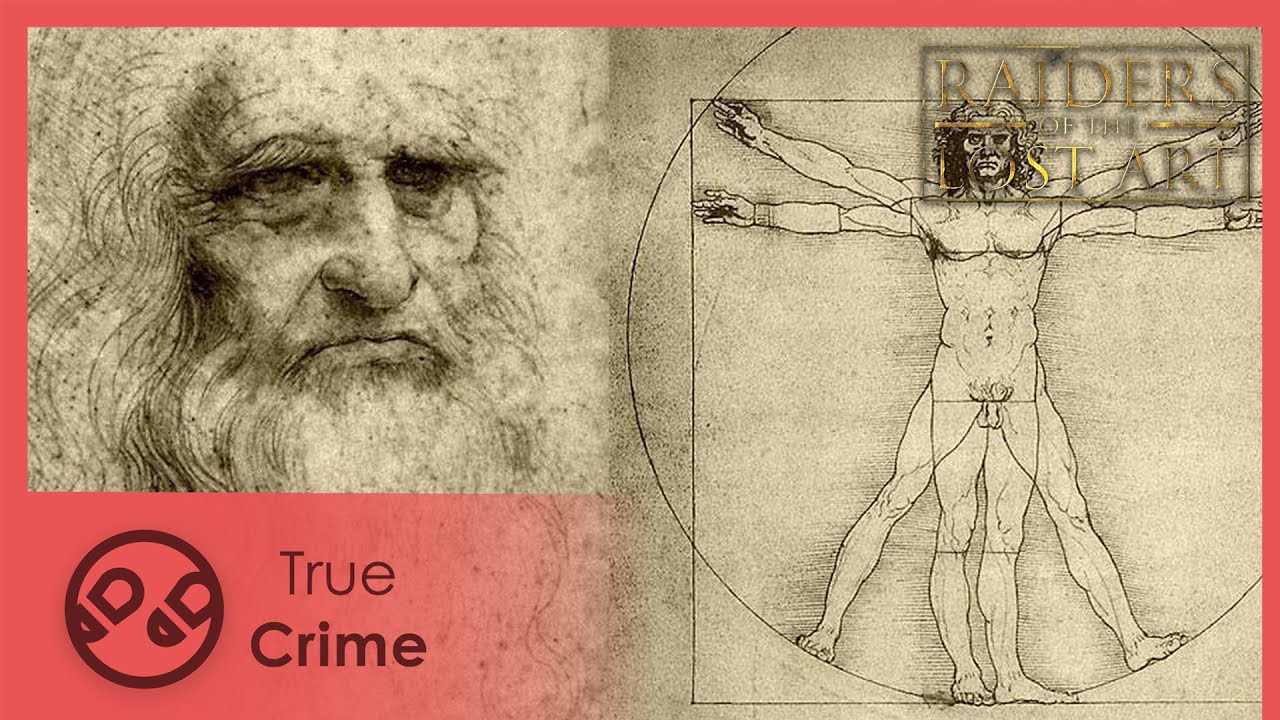
Leonardo da Vinci's artistic techniques and methodologies are examined, revealing insights into the genius behind his enduring legacy.
Ramses II, known for his monumental achievements and extensive family, ruled Ancient Egypt for 66 years while navigating the complexities of his harem and political ambitions.
Titusville, Pennsylvania, known as the birthplace of the oil industry, features the Caboose Motel, local cuisine, and the legacy of journalist Ida Tarbell.
John Adams, portrayed by actor Peyton Dixon, discusses his role in drafting the Massachusetts State Constitution and its significance in American history.
British writers, including Joe Abercrombie and Joanne Harris, have significantly shaped the global fantasy genre, reflecting the nation's cultural identity and literary heritage.
Raphael, a key figure of the Italian High Renaissance, produced an impressive body of work in Rome before his untimely death at the age of 37.
Julia Child, known for her influential cookbook Mastering the Art of French Cooking, shares her experiences as a World War II OSS communicator and culinary icon.
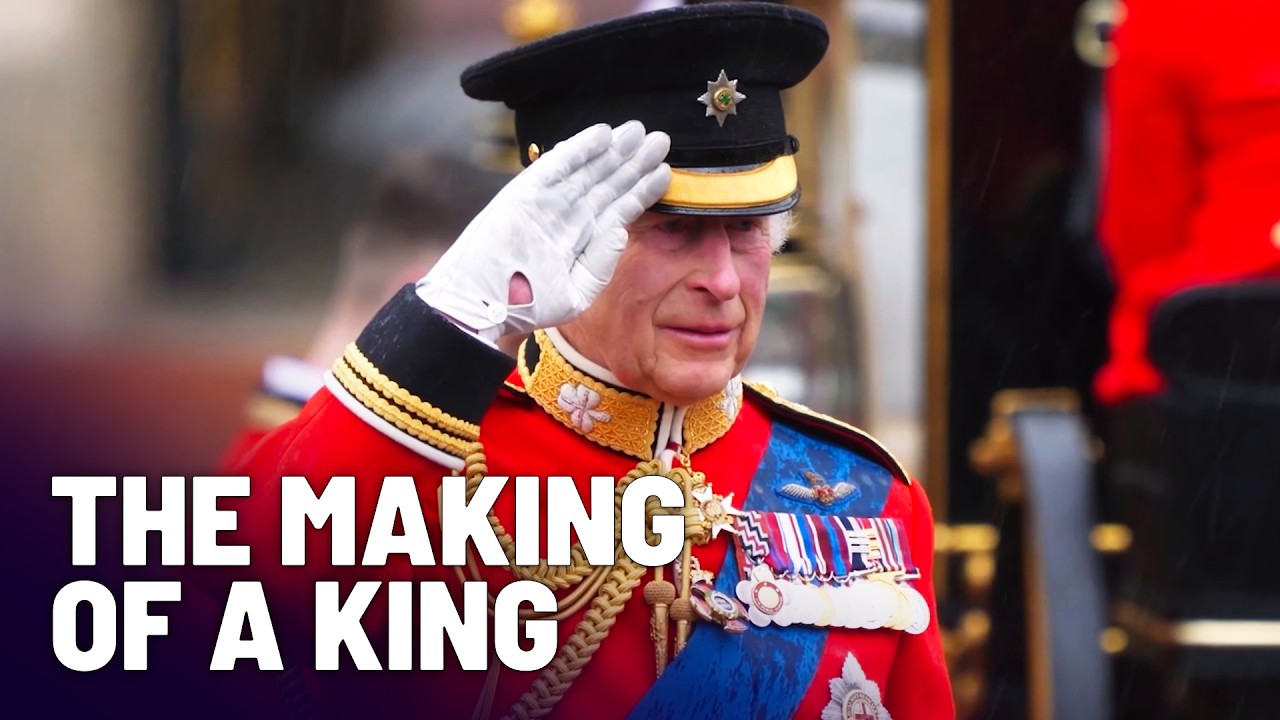
King Charles III's ascent to the throne is examined alongside his environmental advocacy and the evolving legacy of the House of Windsor.
In Peoria, locations tied to the tragic lives of pop culture icons like Marilyn Monroe, Biggie, and Tupac are explored, highlighting their final moments.
Jan van Eyck's legacy, including the Ghent Altarpiece, reveals the complexities of his life and the growing demand for his art in the early Northern Renaissance.
F. Haydn Williams, a WWII naval officer, led efforts to establish the WWII Memorial through the American Battle Monuments Commission amid significant opposition.
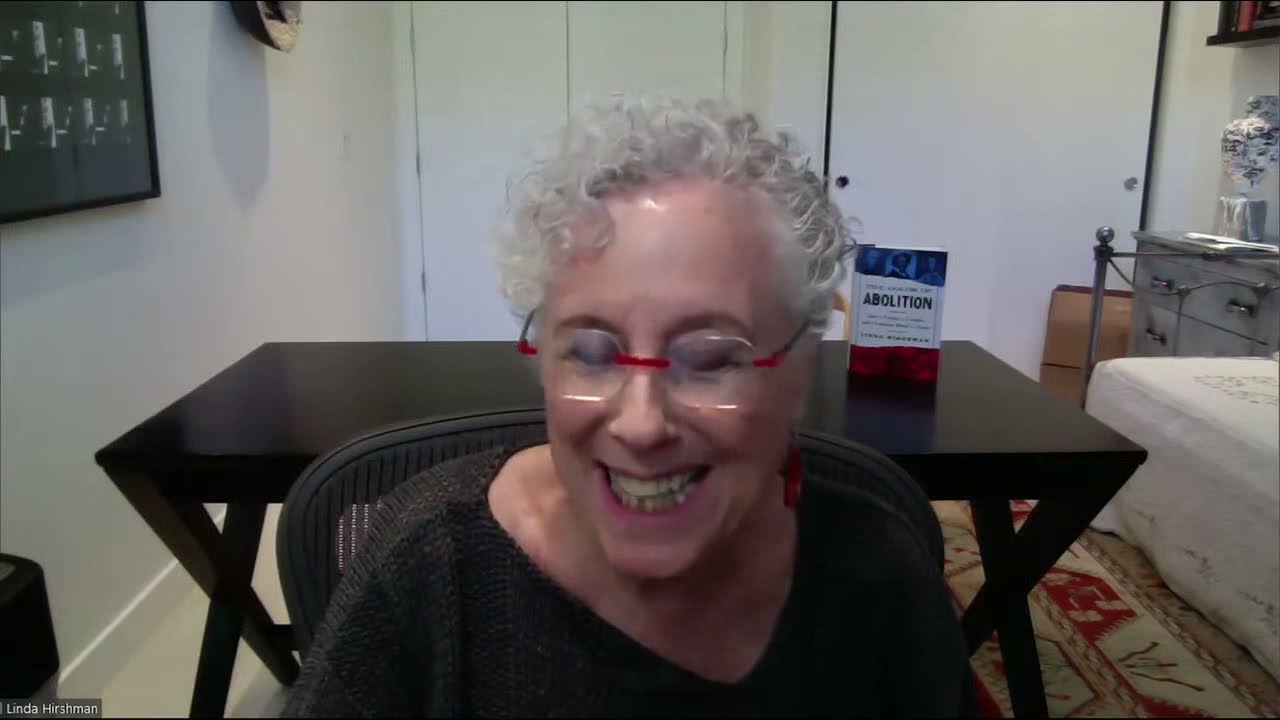
Frederick Douglass, William Lloyd Garrison, and Maria Weston Chapman played pivotal roles in the early abolition movement, leading to the eventual end of slavery in America.
Gondrecourt camp in France served as a training ground for the 1st Division during World War I, showcasing military exercises and daily life from July to September 1917.
Rudolf Vrba and Fred Wetzler escaped from Auschwitz in 1944, providing crucial evidence that helped save 120,000 lives through the Vrba-Wetzler Report.
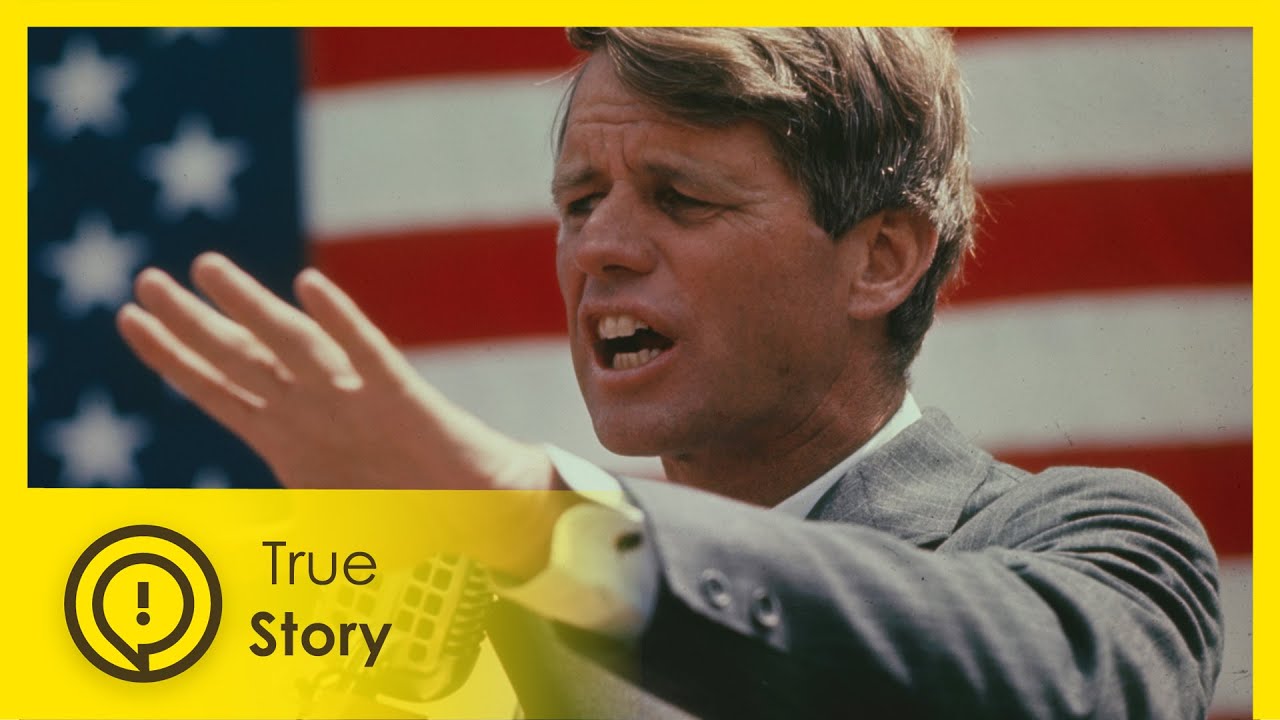
Robert F. Kennedy's transformation from Cold War warrior to peace advocate during his 1968 presidential campaign raises questions about the impact of his potential presidency.
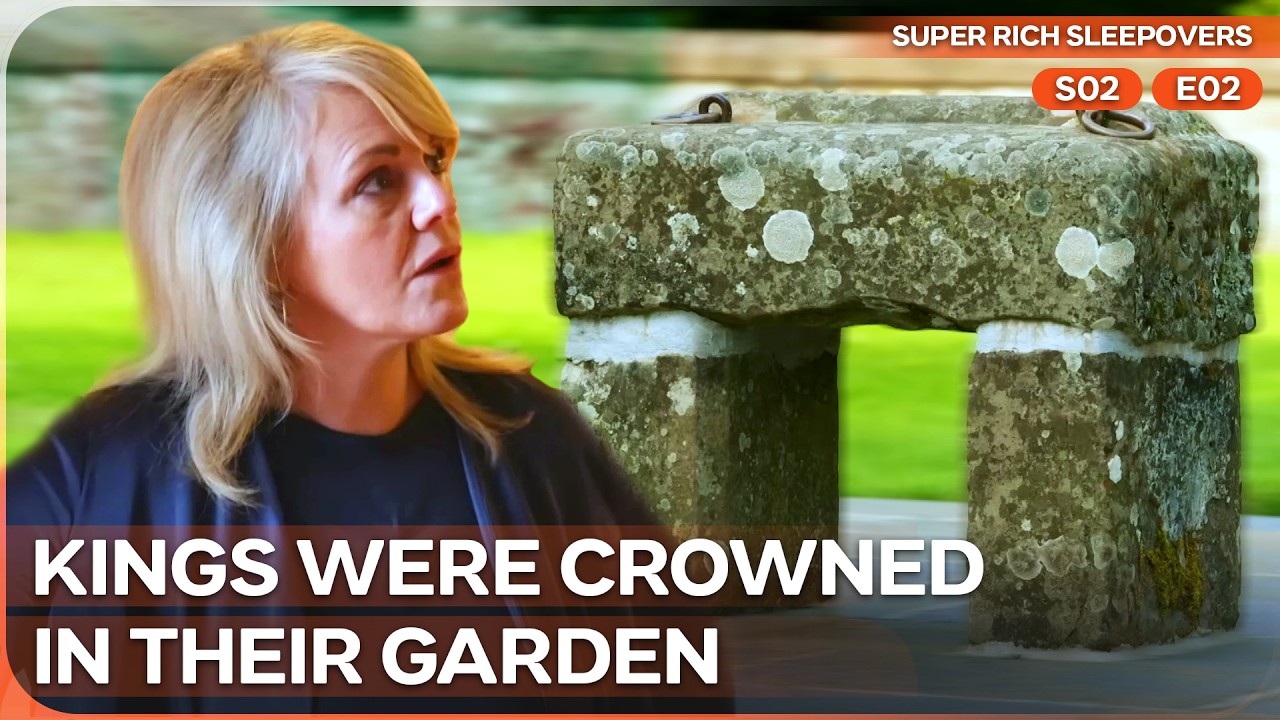
In a 125-room Gothic palace in Scotland, host Sally Lindsay explores the history, luxury, and private life of a family that has resided there for 400 years.
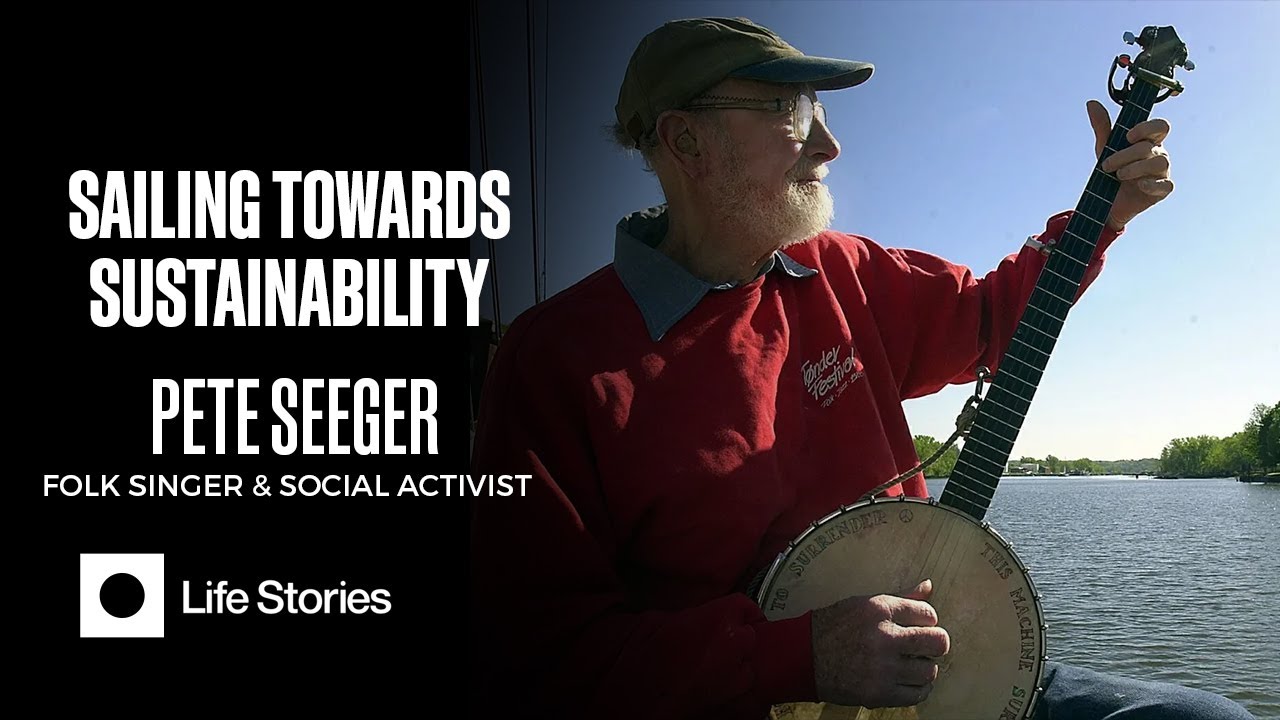
Pete Seeger reflects on his pivotal role in launching the Hudson River Sloop Clearwater project, aimed at cleaning up New York's Hudson River through grassroots activism.
In the Arab Marsh Rushes of Iraq, the struggles of the Marsh Arabs under Saddam Hussein's regime are highlighted through expert insights and unique artistic perspectives.
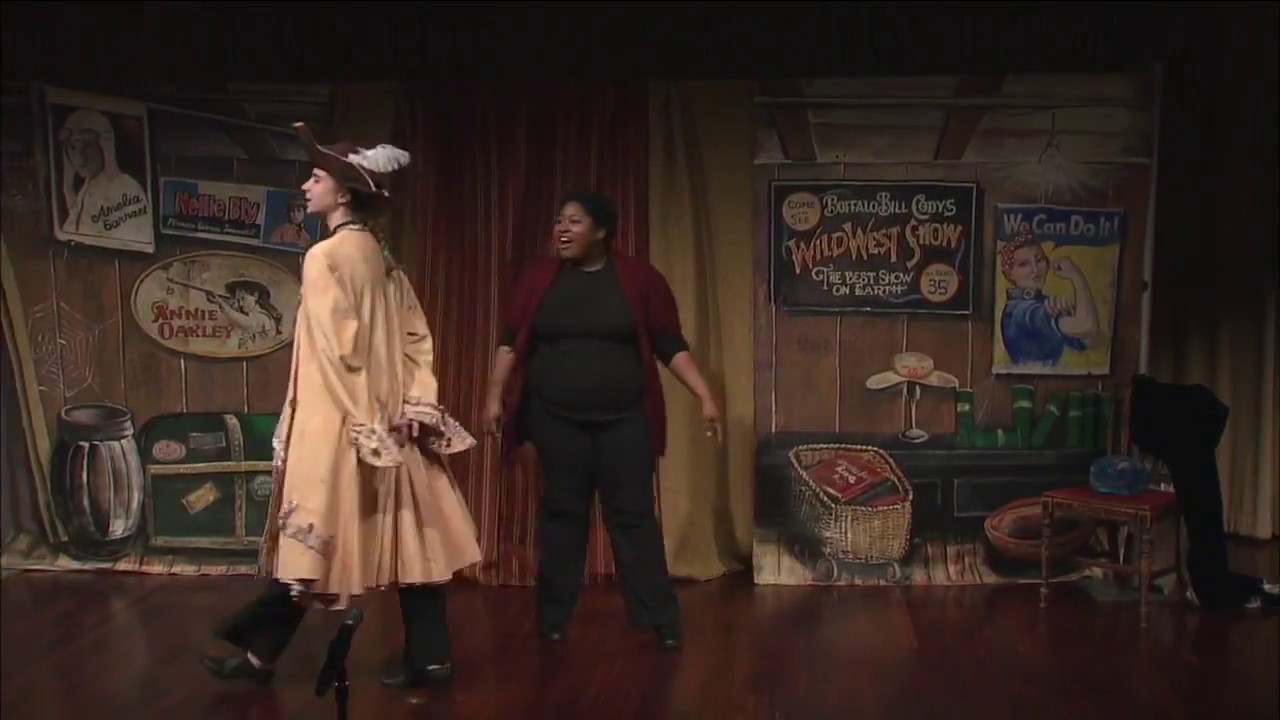
Notable American women such as Amelia Earhart, Laura Ingalls Wilder, Sacajawea, and Susan B. Anthony are celebrated for their contributions to history in this engaging program!