From over 100,000 films, discover the handful you'll love.
Free or premium access to the world's largest documentary library.
3628 films(Page 9 of 76)
In a medieval setting, Tom and Peter mine lead using Tudor techniques while Ruth crafts a stained glass window and seeks eels in local rivers.
Clementine Churchill was born on April 1, 1885, in London, England, and played a vital role in her husband Winston Churchill's political career.
Ken Wharfe, Princess Diana's bodyguard, and Grant Harrold, royal butler to Charles and Camilla, share insights into life behind the scenes of the Windsor family.
In 999 AD Britain, Anglo-Saxon life is explored through a recreation of daily activities, social structures, and the looming threat of Viking raids, supported by historian insights.
Queen Tiye, Cleopatra II, and Cleopatra's Daughter are highlighted for their influential roles in shaping ancient Egypt's political landscape and women's status.
Five thousand treasures belonging to Pharaoh Tutankhamun will be housed in Cairo's new $1 billion museum for the first time in 100 years.
Napoleon's enforced exile on Elba leads to his defeat at Waterloo in June 1815.
The history of the Bible reveals the struggles of figures like John Wycliffe, Martin Luther, and William Tyndale against the Inquisition and the Counter Reformation.
In Tadcaster, Yorkshire, a team investigates skeletons in a pit believed to be a burial site from the 14th-century bubonic plague, revealing insights into medieval life.
Boudicca led a force of tribes against the Roman army in 60 AD, with her warriors outnumbering the legions by as many as 20 to 1.
A 40-foot deep shaft in the hills above ancient Philadelphia may hold the unopened tomb of Cleopatra, potentially revealing royal treasures.
Katherine of Aragon and Anne Boleyn's rivalry during the annulment trial of 1529 highlights their struggle for power and identity in the court of Henry VIII.
The St. Brice's Day Massacre, ordered by King Æthelred the Unready in 1002, targeted Danish settlers in England and intensified Viking retaliations.
Empress Matilda was born on February 7, 1102, in Sutton Courtenay, Berkshire, as the daughter of King Henry I of England.
Branodunum, a National Trust Roman fort in England, reveals over 2,000 archaeological finds, including rare artifacts and evidence of marine commerce from the second to fourth centuries AD.
Ancient Rome's citizens hailed from diverse regions, including Britain and North Africa, reflecting the vast multicultural landscape of the Roman Empire.
Giuseppe Garibaldi was born on July 4, 1807, in Nice, which was then under the control of the French Empire of Napoleon Bonaparte.
Zahed spent 17 years as a prisoner of war during the Iran-Iraq conflict, which profoundly affected his life and relationships.
As the Allies advance on Berlin in 1945, Adolf Hitler's inner circle grapples with loyalty and survival amid the impending collapse of Nazi Germany.
In 1936, Prime Minister Stanley Baldwin faced a constitutional crisis as he ordered British intelligence to spy on King Edward VIII due to his controversial relationship with Wallis Simpson.
In Cumbria, Time Team investigates the remarkable Samian pottery found in a fan's garden, exploring the reasons for Roman presence in the area.
Kim Jong-Il was not the obvious candidate to succeed his father, Kim Il-Sung, as he was more uncomfortable with people and preferred to stay in the background.
300,000 people lived in Athens at its peak in the fifth century BC, a city that significantly influenced the development of democracy and philosophy.
The Waffen-SS, known for their extreme loyalty to Adolf Hitler, played a pivotal role in the military operations of Nazi Germany during World War II.
Celtic mythology from Ireland and Scotland is explored through enduring stories that reveal the complexities of its ancient gods and legends.
Wool from sheep generated half of England's wealth in the 1500s, with monasteries controlling much of the production and trade.
Isabella of France was born in Paris in the mid-1290s, likely in 1295, as the sixth child of King Philip IV of France.
Archaeologist Leslie Alcock's 1960s excavation at Cadbury Hill in Somerset revealed evidence of fortifications, contributing to the debate on the historical basis of King Arthur.
Hadrian, known for his architectural achievements and complex legacy, is examined for his role as a peace-maker and oppressor during his reign as Roman emperor.
At 4:30 p.m. on September 8, 2022, Prime Minister Liz Truss was informed that Queen Elizabeth II had died, triggering Operation London Bridge.
Charles and Anne navigate the complexities of royal duty and sibling dynamics as the heir and spare in the British monarchy.
Benoit Mandelbrot's groundbreaking work on fractal geometry at IBM transformed mathematical understanding and has since influenced various fields, including science and medicine.
In Lincoln's Inn, London, archaeologists search for the remains of a 13th-century palace once owned by Henry III's Lord Chancellor.
Ulysses S. Grant was born Hiram Ulysses Grant on April 27, 1822, in Point Pleasant, Ohio, and became the 18th President of the United States.
Celtic people, originating from a small Alpine village, transformed from a trade-focused society to a militarized culture, influencing Dark Age Europe by the 5th century BC.
Hermann Göring's transformation from a war veteran to a powerful and extravagant figure in the Nazi regime highlights his role in the German Luftwaffe and World War II.
Hadrian was born on January 10, 76 AD, in Italica, a wealthy city in Roman Spain, and later became one of Rome's most significant emperors.
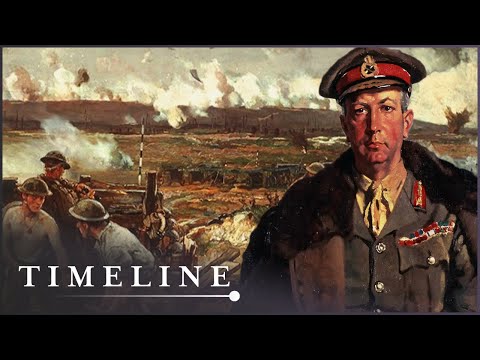
More than 200,000 Montrealers lined the streets for the funeral procession of General Sir Arthur Currie, who led the Canadian Corps to significant victories in World War I.
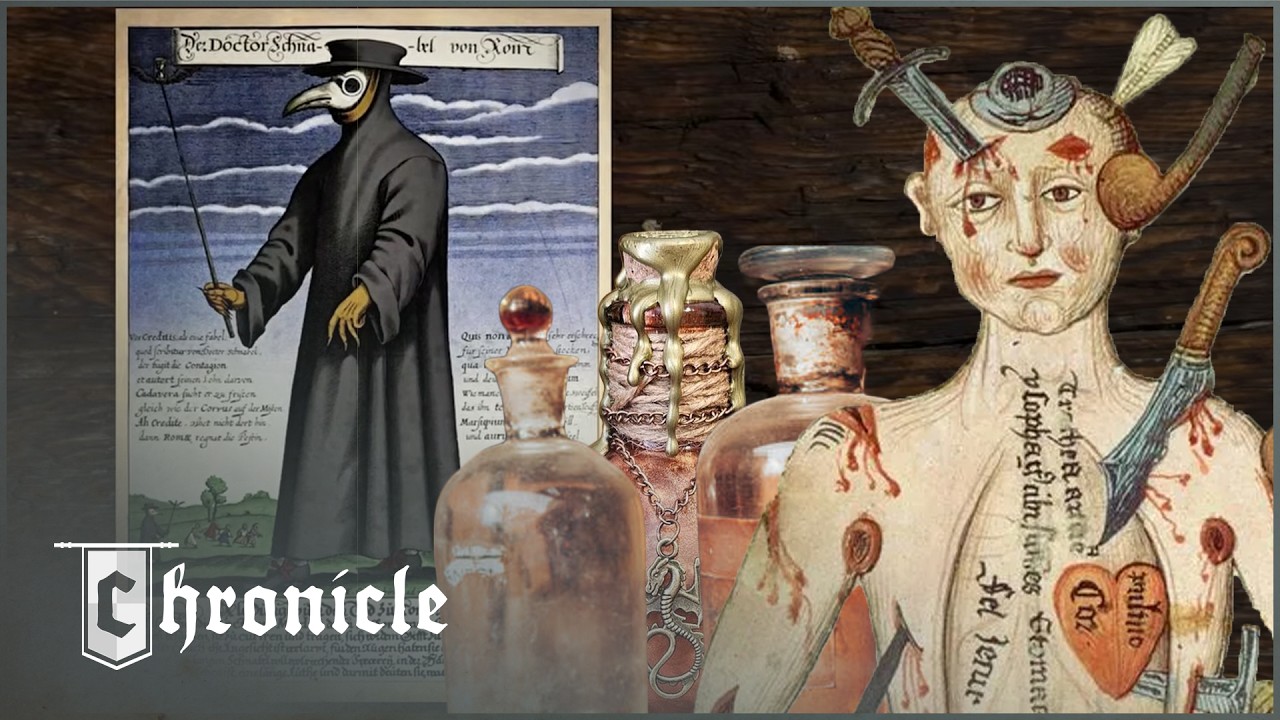
In 14th-century Europe, medieval healthcare practices, including bloodletting and urine analysis, laid the groundwork for modern medicine amidst challenges like Leprosy and the Black Death.
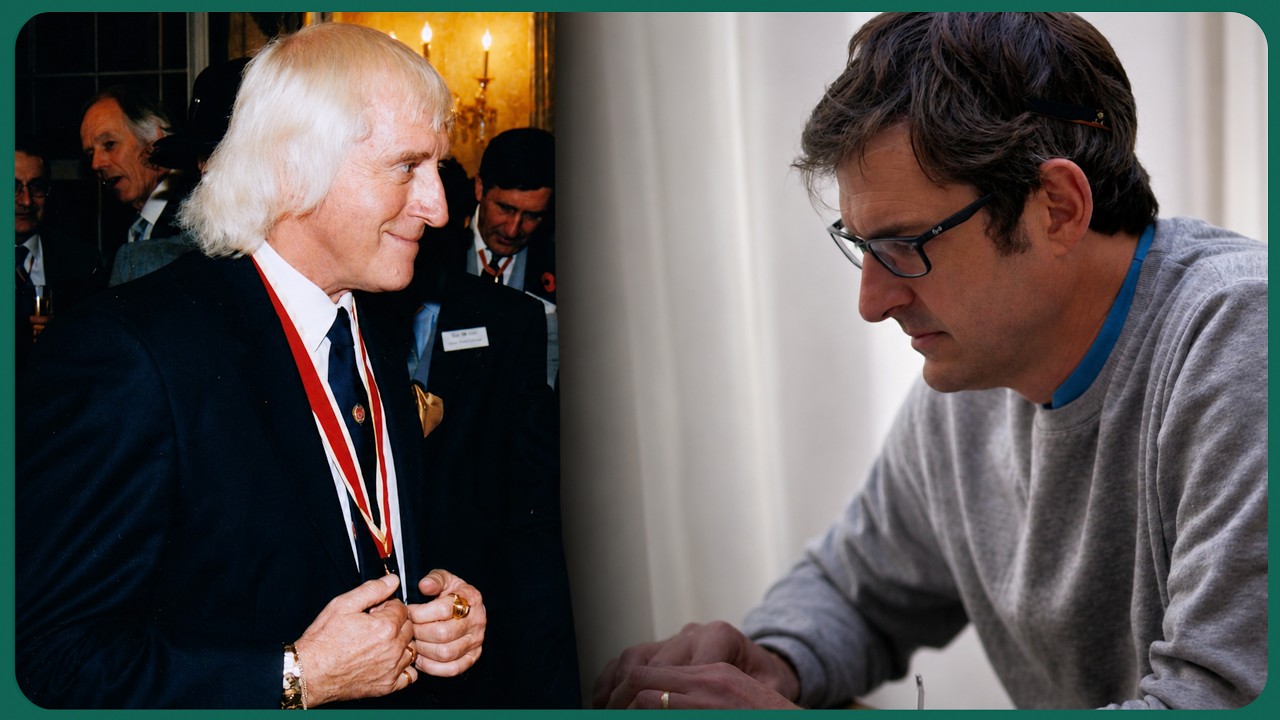
In light of Jimmy Savile's exposure as a sex offender, Louis Theroux reflects on his past interactions with Savile and speaks to victims and colleagues.
On July 21, 1944, Colonel Claus von Stauffenberg was executed alongside three other conspirators after their failed assassination attempt on Adolf Hitler.
Gustavus Adolphus, Sweden's greatest king, is examined through his military strategies and pivotal battles that significantly influenced Swedish history.
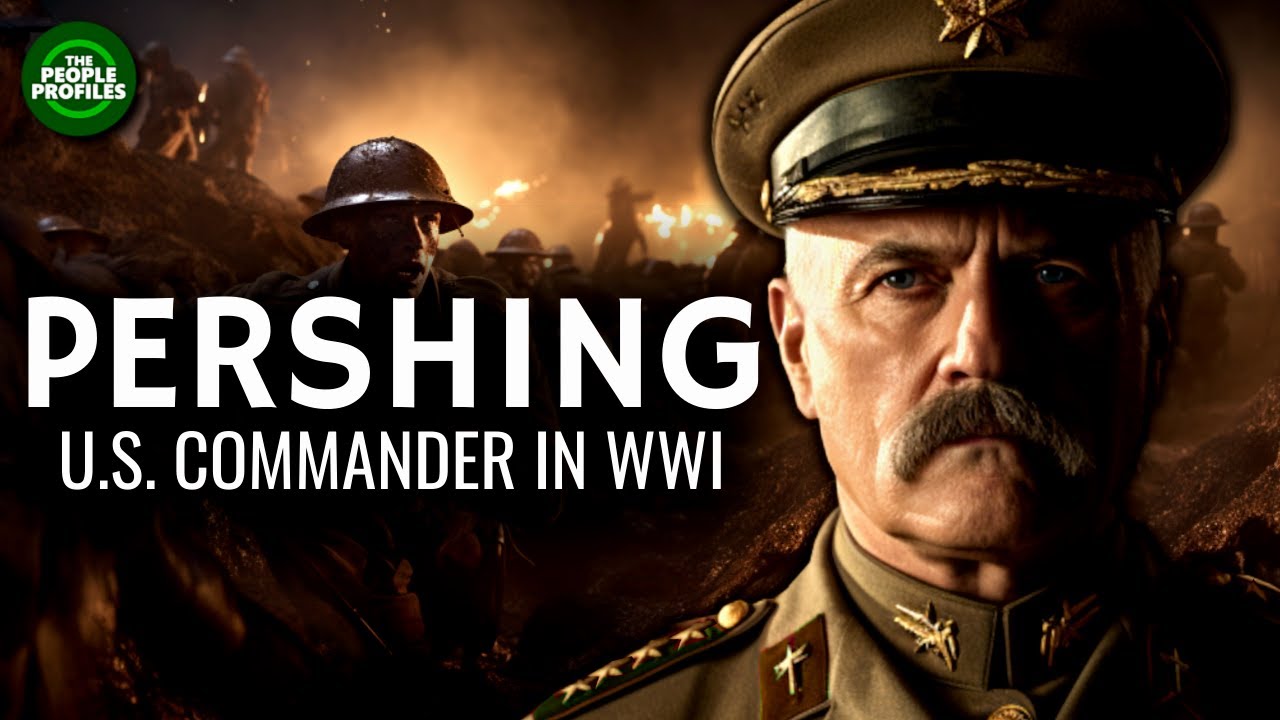
John J. Pershing was promoted to General of the Armies after leading American forces in key battles during World War I, including the Meuse-Argonne Offensive.
15,000 troops faced a critical decision at El Alamein in 1942 as Erwin Rommel chose to retreat against Hitler's orders to fight to the last man.
Kate Middleton navigates her new role as Princess of Wales, balancing royal duties, public expectations, and comparisons to Princess Diana.
Saigo Takamori was born on January 23, 1828, in Kagoshima, Japan, and became a central figure in the Satsuma Rebellion of 1877.
King Offa, the Anglo-Saxon ruler of Mercia from 757 to 796, is the focus of an archaeological search for his legendary palace in Herefordshire.
On June 15, 1094, Rodrigo Díaz de Vivar, known as El Cid, captured the city of Valencia from Muslim forces after a year-long siege.