From over 100,000 films, discover the handful you'll love.
Free or premium access to the world's largest documentary library.
3628 films(Page 68 of 76)
On November 23, 1996, Captain Leul Abate's Boeing 767-200ER was hijacked by three Ethiopians, leading to a crash-landing in the Indian Ocean that killed 125 people.
Historic scenes from Washington, D.C., and Virginia in 1933 showcase landmarks like the Capitol, Lincoln Memorial, and Mount Vernon, along with local history and culture.
Lee Miller documented the aftermath of D-Day and was one of the first photographers to enter concentration camps after their liberation.
Galen aids in a major health crisis during Season 1 of 'The Scientist' in Rome.
An artist reflects on her experiences with figure drawing, the historical struggle for black women's voting rights, and her signature style of painting skin tones.
Commodus transformed the role of emperor in ancient Rome by becoming a gladiator, challenging traditional norms and showcasing imperial power in the Colosseum.
Lucy, the famous fossil ancestor, is at the center of a decades-long debate regarding whether her death resulted from a fall from a tree, highlighting human evolutionary transitions.
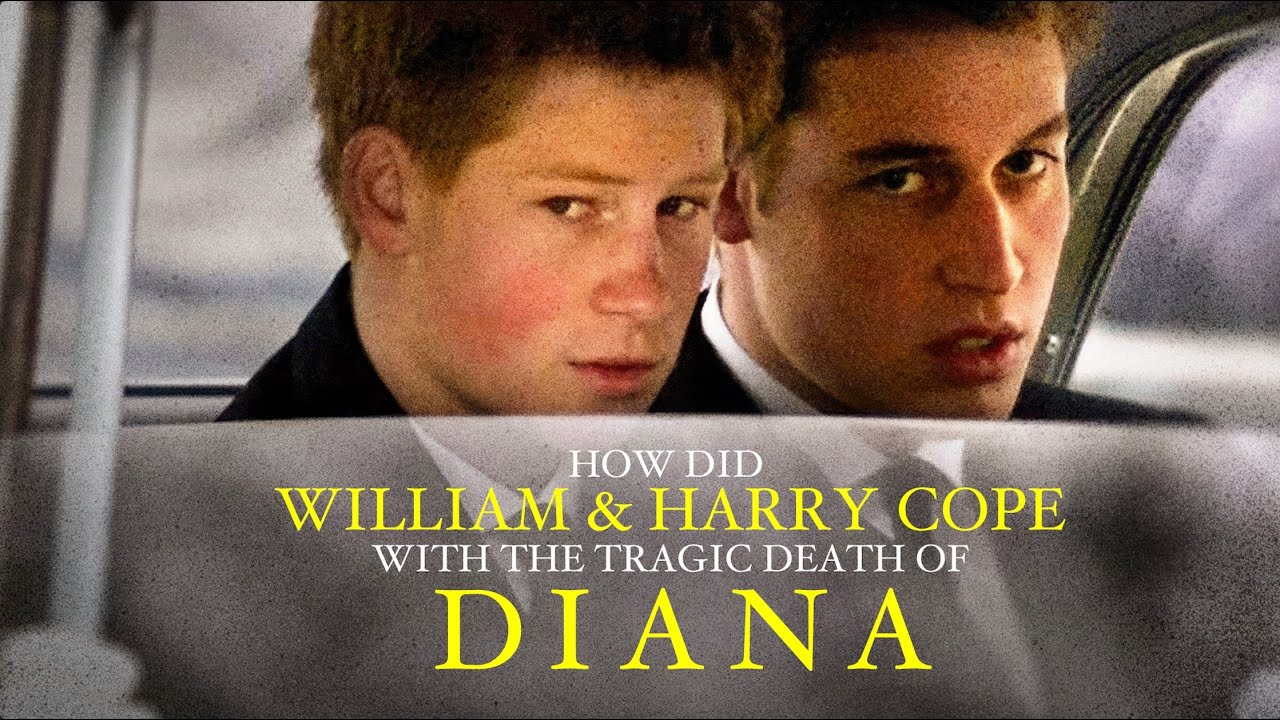
Prince William and Prince Harry faced immense public scrutiny and personal grief after the death of their mother, Princess Diana, influencing their adult lives and relationship.
At the Smithsonian National Museum of Natural History's Deep Time Hall, experts explain the mechanisms of evolution and the historical context of its understanding.
1,400 Cuban exiles landed at the Bay of Pigs on April 17, 1961, facing overwhelming forces of 25,000 soldiers from Fidel Castro's army.
On March 5, 2016, Mike Pompeo publicly criticized Donald Trump during a speech at the Kansas presidential caucuses before later endorsing him.
In 1716, Lady Mary Wortley Montagu advocated for smallpox inoculation after observing its effectiveness in Constantinople, significantly reducing mortality rates in England.
Kim Shin Jo recounts the 1968 North Korean assassination attempt on the South Korean President.
Dwight completed 129 memorials and over 18,000 gallery pieces, reflecting on a life shaped by the opportunity to become the first Black astronaut.
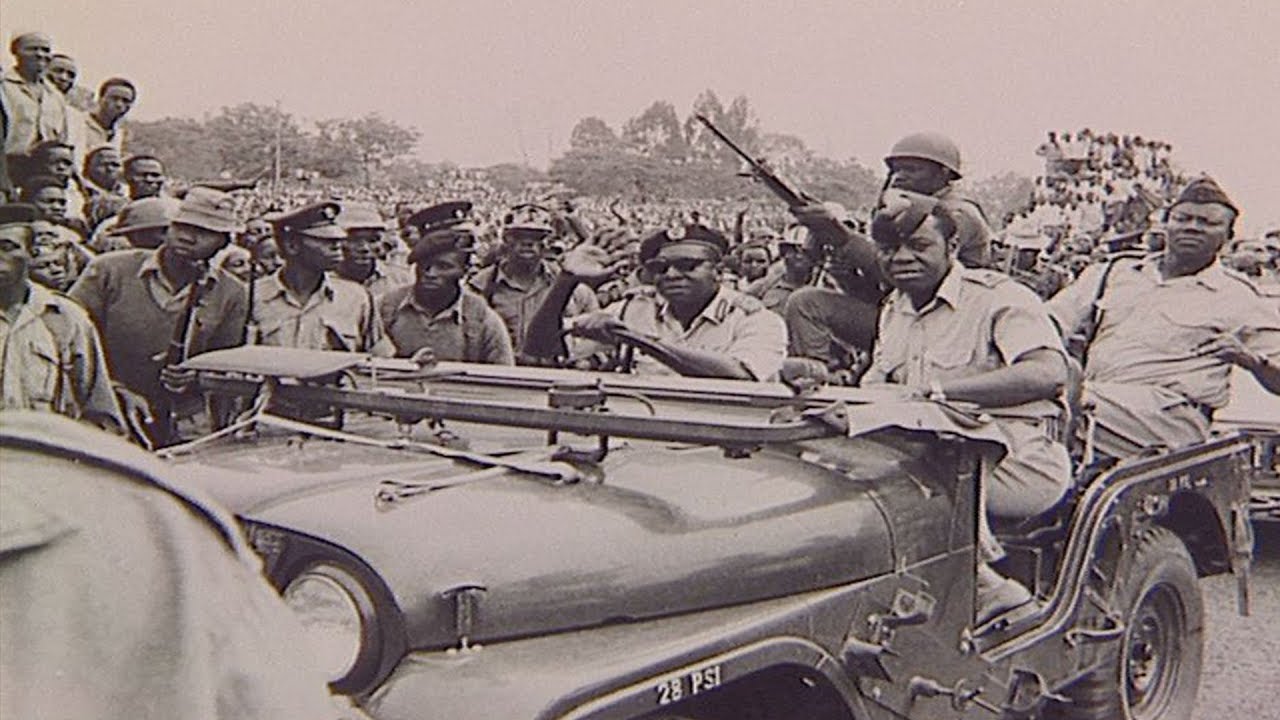
Ugandan dictator Idi Amin's regime is examined through a collection of stills and video footage captured by photographer Mo Amin, highlighting the complexities of life in Uganda during his rule.
One quarter of the world and one third of its people were under British control at the height of the Empire, as detailed in archival footage and commentary.
Indonesia, the world's largest Muslim-majority country, navigates its transition to democracy while addressing radical Islam, economic growth, and environmental challenges.
Rome’s emperor orders a major renovation of the Colosseum to demonstrate his power.
Windsor Castle, the longest-serving royal palace in Europe, showcases its opulent State Rooms through an exclusive tour led by curator Kate Heard.
David S. Ferriero reflects on his 12-year tenure as Archivist of the United States in a farewell interview with National Archives News reporter Victoria Macchi.
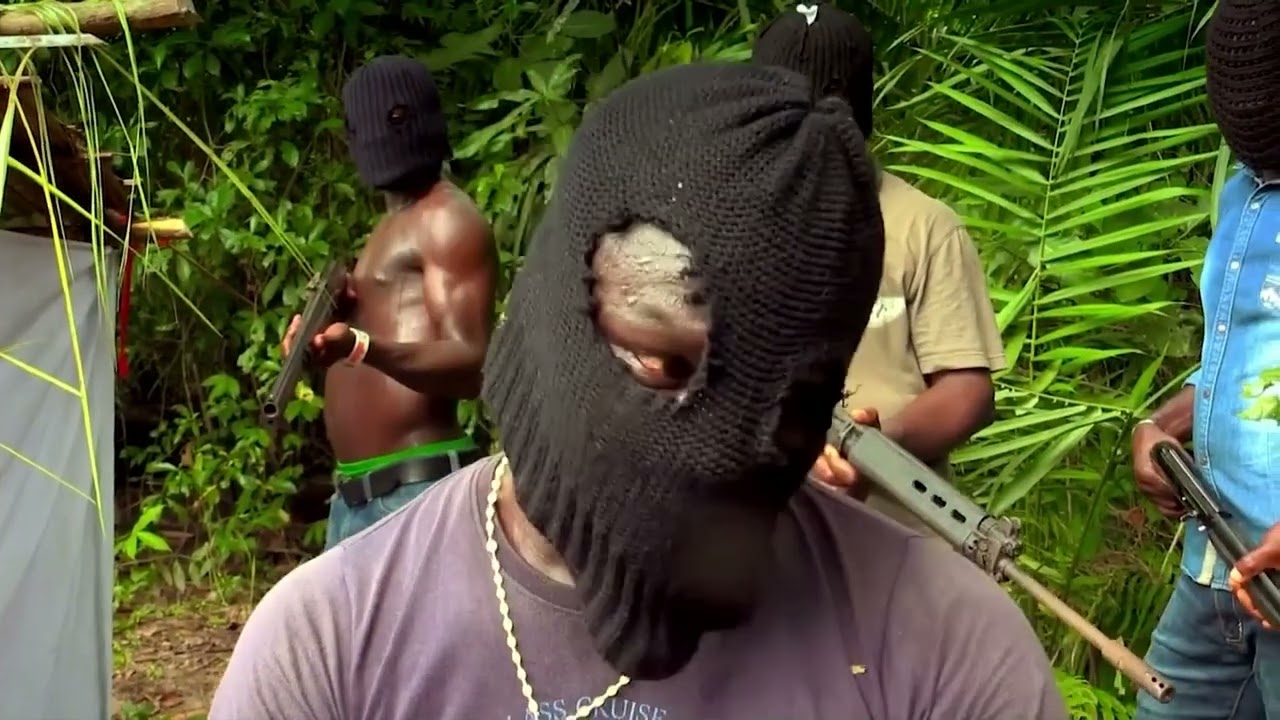
The full documentary features an African pirate leader discussing piracy and exploitation.
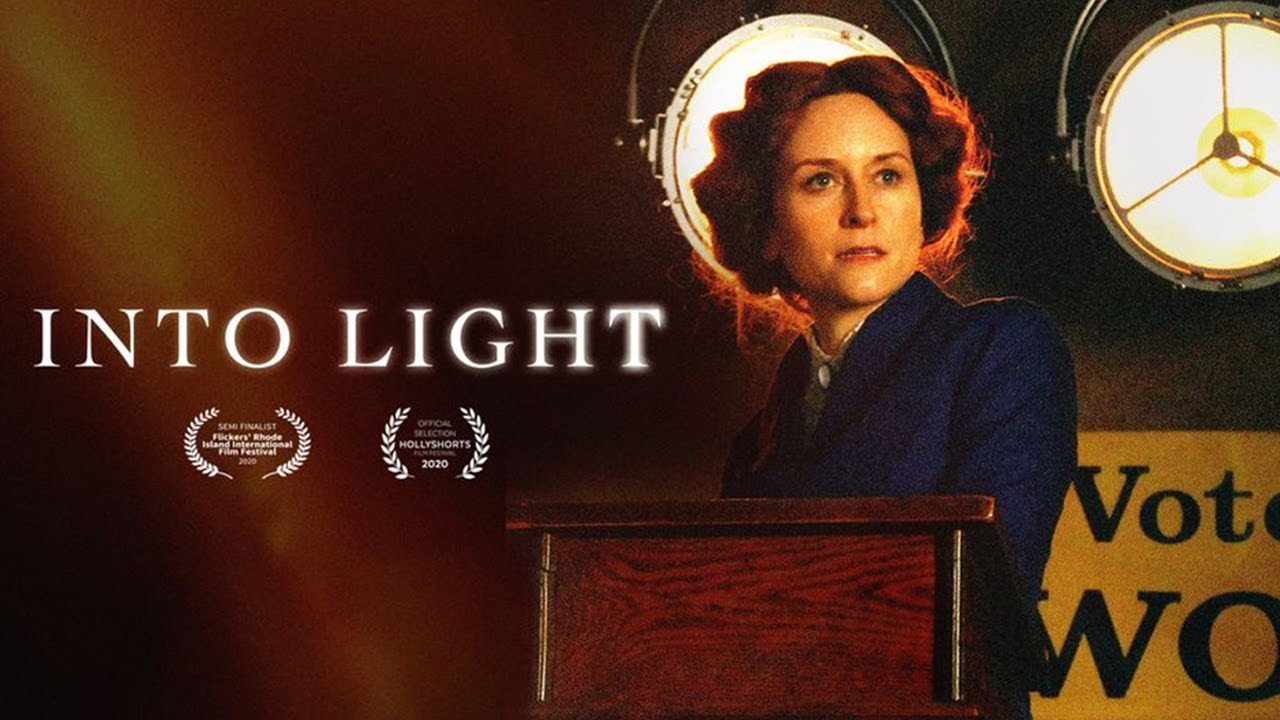
In 1916, suffragist Inez Milholland campaigns passionately for women's voting rights until a doctor's unexpected revelation changes her course.
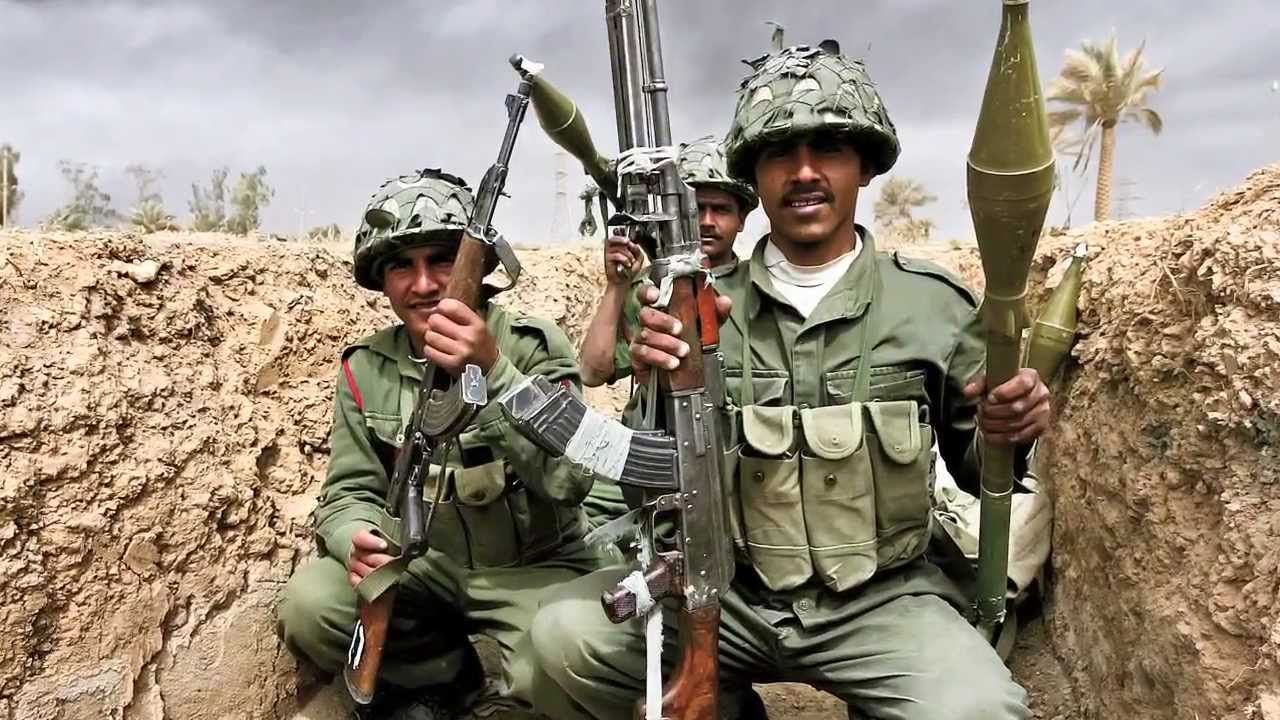
A photographer documents the chaos in Iraq post-American invasion, revealing strong feelings of despair.
Ancient Athens serves as a focal point for examining the origins and limitations of democracy, highlighting the exclusion of women and slaves from political participation.
In 1789, George Washington had to beg Thomas Jefferson to serve as secretary of state, setting the stage for a fierce rivalry with Alexander Hamilton.
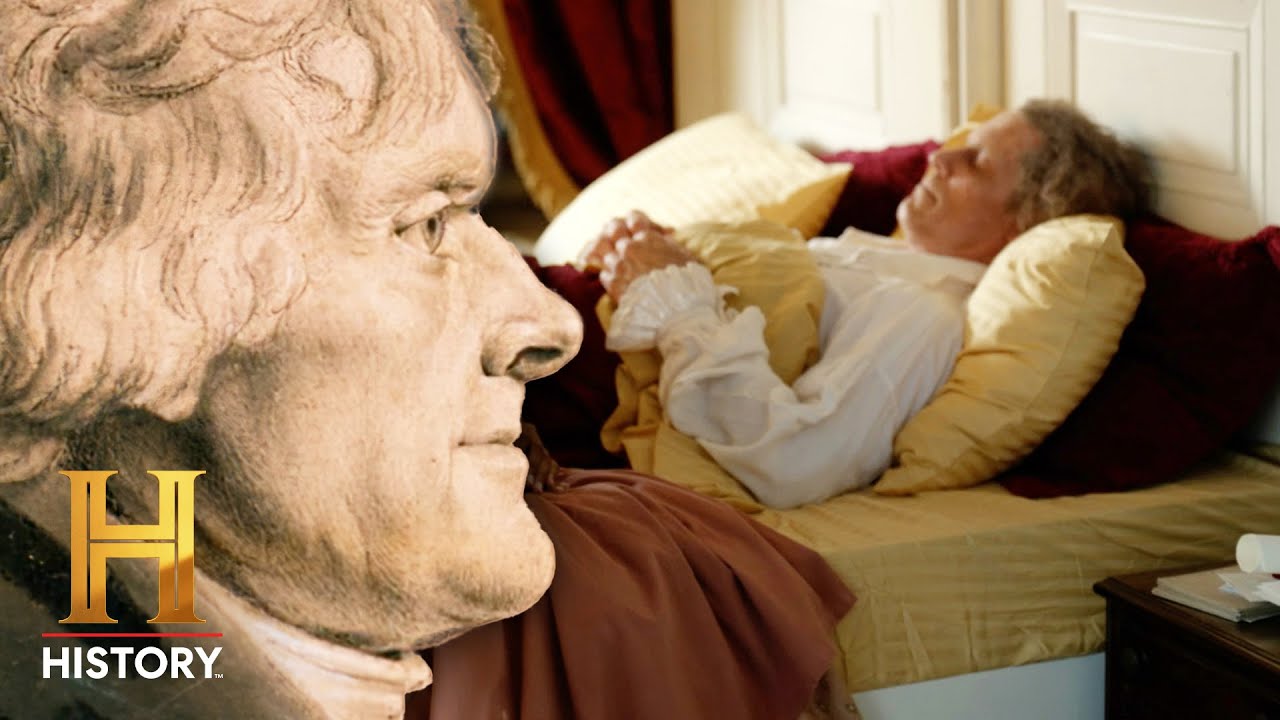
In 1826, Thomas Jefferson dies on July 4, the 50th anniversary of the Declaration of Independence, alongside fellow Founding Father John Adams.
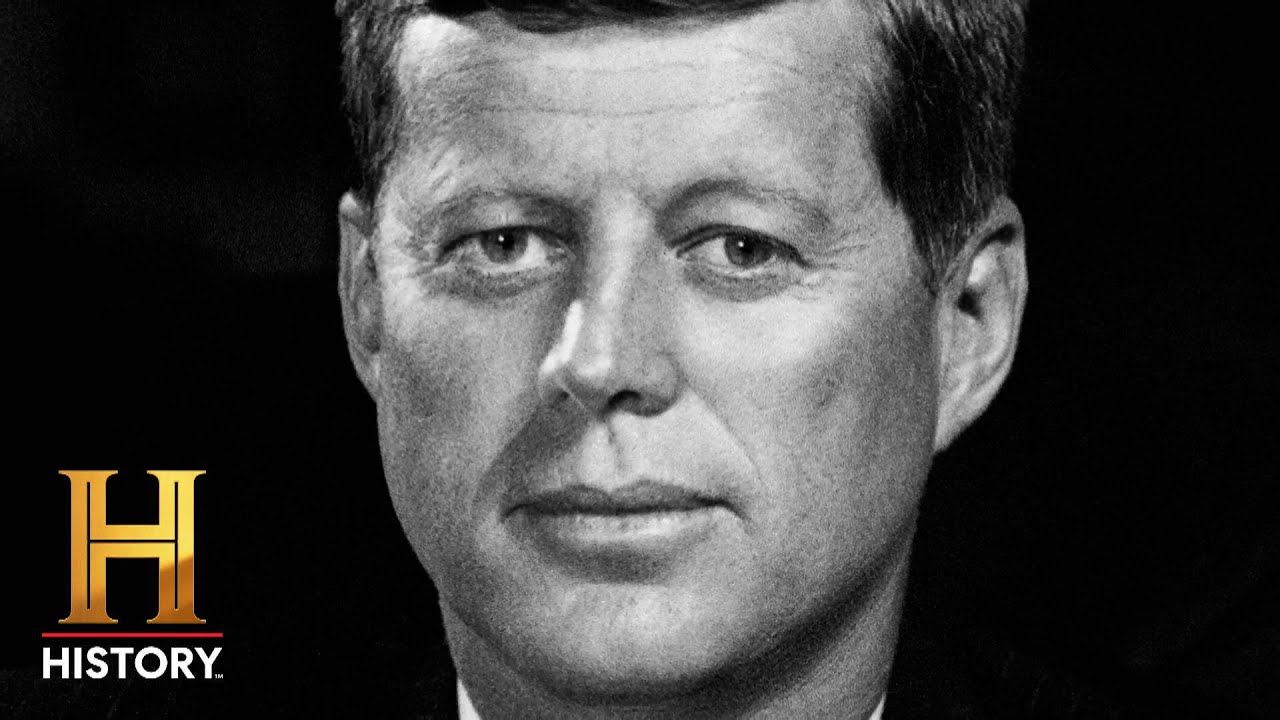
Kennedy navigates his formative years and family relationships in this insightful clip.
John F. Kennedy's five-year campaign for the presidency transformed modern political strategies, particularly through the innovative use of television to engage voters.
Kennedy faces the Cuban Missile Crisis after nuclear weapons are placed near Florida.
In 1980, Jiang Qing, aged 66, stood trial in Beijing, accused of counter-revolutionary crimes after her husband Mao Zedong's death in 1976.
Joan Baez reflects on her experiences with Dr. Martin Luther King Jr. and the Civil Rights Movement, emphasizing the importance of nonviolence and social justice.
Only 1 in 8 candidates successfully passes the selection process for the Foreign Legion, as seen through Stan's rejection after months of preparation.
Joseph Alexander, a Holocaust survivor, shares his story of resilience and remembrance at 100.
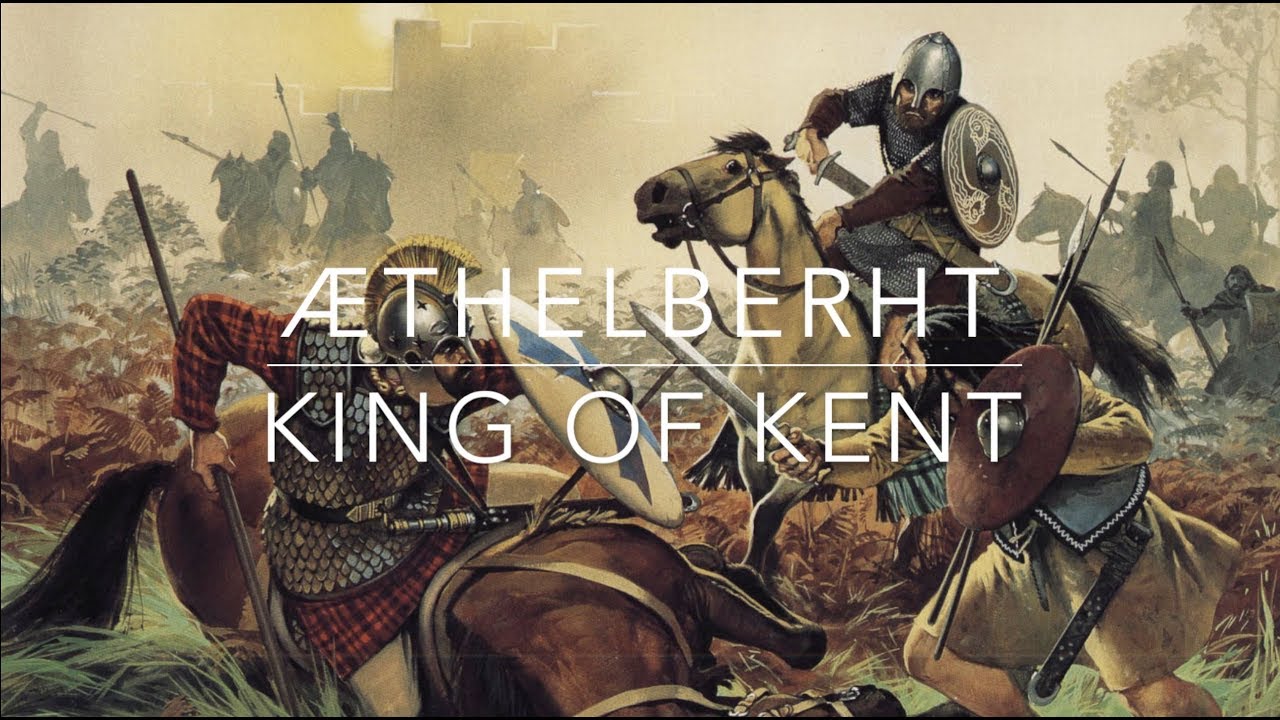
Watch the latest full length documentary on Æthelberht, The First Christian King of England.
King George VI's Empire Day address on May 24, 1940, warned of the enemy's threat to the British Empire and its core values.
Henry Kaiser oversees the launching of a liberty ship in Richmond, California, while key figures like Henry Wallace and Gen. de Gaulle engage in significant wartime meetings.
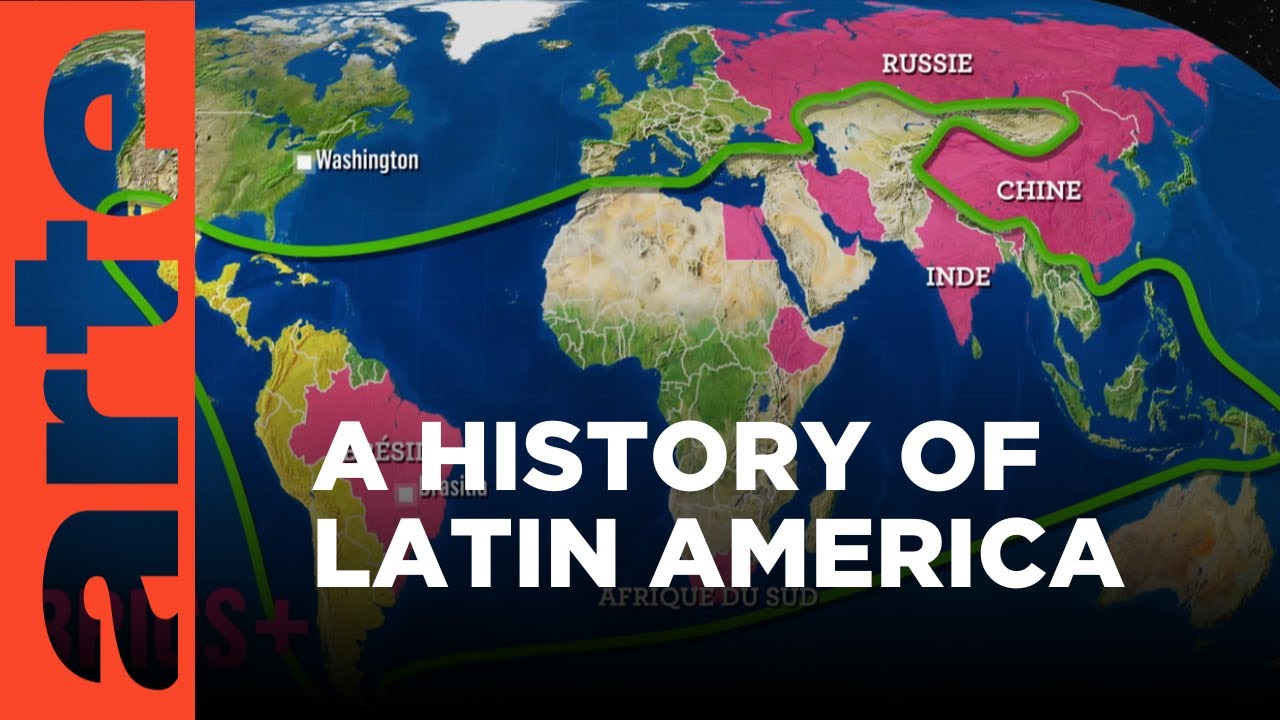
Latin America, a region shaped by European colonialism and U.S. influence, is explored through its historical evolution and contemporary geopolitical significance.
Stan Laurel was born on June 16, 1890, in Ulverston, England, where his father worked as a comedian in a working-class area of Victorian Lancashire.
In 1773 and 1774, Mercy Otis Warren, Samuel Adams, and Abigail Adams engage in discussions over coffee, reflecting on the events leading to the Boston Tea Party.
Gabriel García Márquez, a Nobel Prize-winning author from northern Colombia, transformed literature with his magical realism, influenced by his humble beginnings and political activism.
Abraham Lincoln's leadership during the Civil War culminates in the enactment of the 13th Amendment, permanently abolishing slavery in the United States.
Abraham Lincoln confronts fierce opposition and national division as he travels to Washington, DC, following the secession of southern states from the Union.
Abraham Lincoln's assassination at Ford's Theater in 1865 marked a pivotal moment in American history, profoundly affecting the nation's post-Civil War landscape.
Lincoln faced Stephen A. Douglas in a series of seven debates in 1858, where he articulated his opposition to slavery and defined his political identity.
Three months before his death, Lisa Brennan-Jobs stole items from her father's house, including blush toothpaste and ballet slippers.
The Agoji, an elite army of female warriors from the Kingdom of Dahomey, played a crucial role in history through their bravery and strength.
In 1521, the Aztec Empire fell after being overthrown by Spanish conquistadors, aided by Malinche, a young indigenous woman who served as a translator.
Christo Brandt served as Nelson Mandela's guard for 12 years, forming a friendship that defied the apartheid regime's strict racial boundaries.