From over 100,000 films, discover the handful you'll love.
Free or premium access to the world's largest documentary library.
3628 films(Page 31 of 76)
Tutankhamun, the boy-pharaoh of Ancient Egypt's Eighteenth Dynasty, faced erasure from history by his successors, including Horemheb, after his early death at nineteen.
In the first century, ancient health care practices varied widely, revealing both the medical knowledge and misconceptions of people during Jesus' time.
Off the coast of Eastbourne, the Nautical Archaeology Society team investigates a 300-year-old sunken Dutch warship, revealing its identity and historical significance.
Australopithecus afarensis and Homo habilis illustrate key stages in human evolution, highlighting adaptations like bipedalism and tool use shaped by environmental changes.
Camilla Shand was born on July 17, 1947, and has been a key figure in the British monarchy since her marriage to Charles in 2005.
Colchester, known as Camulodunum, was a major settlement during Roman Britain, featuring one of the largest occupied sites in the region.
Viking expeditions across Europe and Asia, from Constantinople to Georgia, significantly influenced the transformation of medieval Europe and the rise of new nations.
In the aftermath of World War II, independent Nazi hunters dedicated decades to tracking down high-ranking Nazis who escaped justice by fleeing globally.
Lucía Pinochet reflects on her father's legacy and the impact of his dictatorship in Chile.
James Monroe, William McKinley, Woodrow Wilson, and George H.W. Bush navigated critical moments in U.S. history while representing the nation on the world stage.
The National Archaeological Museum of Athens showcases artifacts like the golden mask of Agamemnon and an ancient device believed to predict the future.
Dozens of Allied agents parachuted into occupied France the night before D-Day to coordinate with French resistance groups.
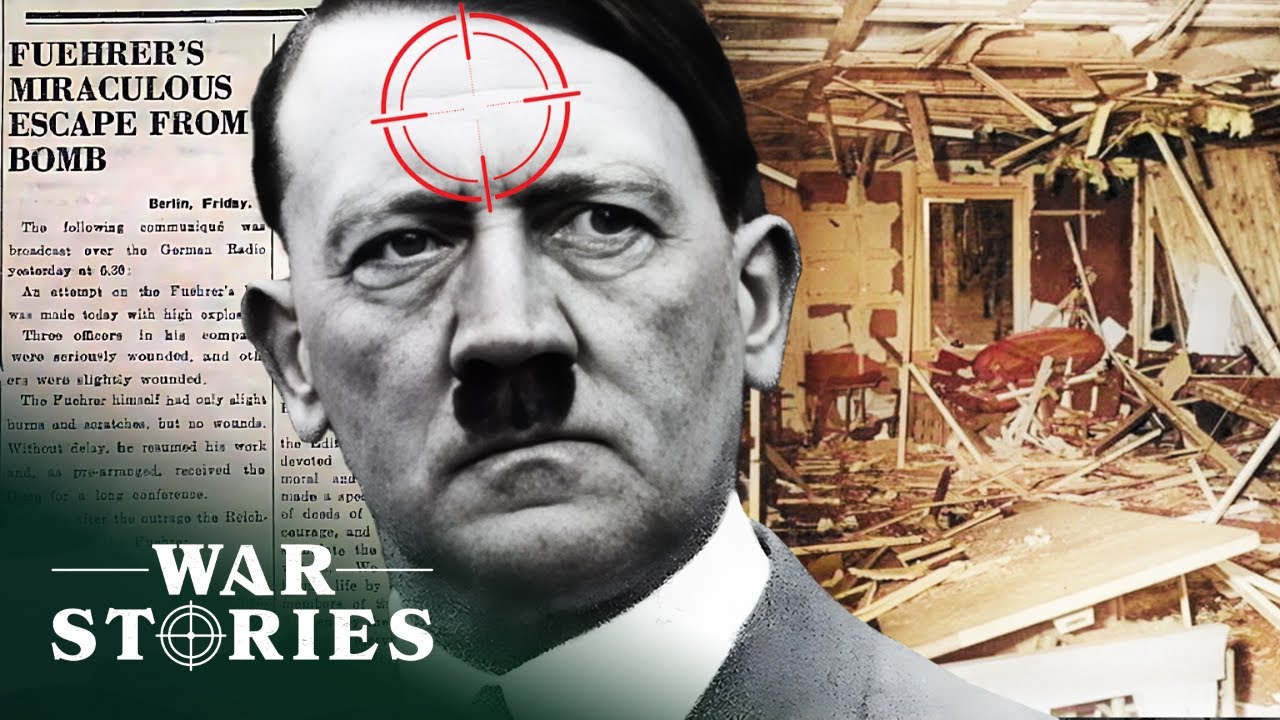
Claus Schenk Graf von Stauffenberg led the Valkyrie conspiracy to assassinate Adolf Hitler on July 20, 1944, as detailed through testimonials from involved aristocratic families.
In 55 BC, Julius Caesar's invasions of Britain are examined through archaeological evidence and expert insights from historians and reenactors.
Karl Lagerfeld's influence on 20th-century fashion is examined through insights from leading UK fashion writers and journalists.
Zara Phillips and Princess Anne join the Queen Mother for her 95th birthday celebration, where children present cards and balloons in her honor.
On June 16, 1940, Philippe Pétain became Prime Minister of France and quickly organized surrender terms with Nazi Germany, leading to his later trial for treason.
Cao Cao, a key figure in Ancient China's "Romance of the Three Kingdoms," is the focus of archaeological efforts to locate his burial site in Xuchang, Henan Province.
Saint Paul, once a persecutor of Christians, became a pivotal figure in spreading Christianity and authored significant portions of the New Testament.
Friedrich and Ernst Steinhoff, brothers with pivotal roles in World War II, faced drastically different fates due to the ethical compromises of Operation Paperclip.
Nazi U-boats, under the command of Karl Dönitz, nearly crippled Britain during the Battle of the Atlantic until strategic innovations by the Wrens shifted the outcome.
Bathsheba, Delilah, Eve, Jezebel, and Esther are examined for their complex roles and reputations in biblical narratives.
Kennedy was shot in the head while riding in a car with Texas Governor Connally on November 22, 1963, a moment that changed the nation.
Ancient Greek mythology's Minotaur, a creature of legend, is examined for potential historical roots beneath the palace of King Minos in Crete.
Mary Magdalene's life and legacy are explored through artistic interpretations by renowned artists such as Caravaggio, Rembrandt, and van Gogh.
Raby Castle in County Durham, home to the Vane family for 400 years, showcases its 14th-century architecture and hidden historical connections.
Alphonse Gangitano, known as the "Black Prince of Lygon Street," was a prominent figure in Melbourne's criminal underworld and an associate of the Carlton Crew.
Thomas the Apostle, often called "Doubting Thomas," is explored for his teachings, legacy, and influence on the Christian community in South India.
Richard the Lionheart's charismatic leadership during the Third Crusade and his significant impact on England are examined alongside the challenges he faced and his return in 1194.
The king of Eep, who rules over 15 million Yoruba people, exercises his authority through rituals and the bestowal of titles on his vassals.
Bob Woodward reflects on his journalism career, including his experiences in Vietnam, the Watergate scandal, and the influence of Ben Bradlee on his pursuit of truth.
In 1930s Germany, the fierce rivalry between Mercedes-Benz and Auto Union, fueled by Nazi propaganda, led to the creation of the legendary Silver Arrows racing machines.
Meïdoum, Egypt's least known pyramid, is examined for its architectural complexity and historical significance in the context of ancient Egyptian civilization.
A 25-year project in Burgundy, France, aims to build a castle from scratch using 13th-century tools and techniques, revealing the labor behind medieval construction.
Medieval fortresses across Spain and Portugal reveal architectural innovations, legends of the Knights Templar, and the history of elite soldier monks.
Charles I's reign from 1625 to 1649 was marked by religious conflict and authoritarianism, culminating in the English Civil War and his execution by Parliament.
Adolf Hitler's life is examined through the perspectives of those close to him, including his sister, revealing the complexities of his rise and fall in Nazi Germany.
Alexander the Great, a pivotal figure in Ancient History, established one of the largest empires through military conquests and strategic alliances.
Adolf Hitler spent over 800 days at the Wolf's Lair, making crucial decisions that shaped the course of World War II before his final departure in 1944.
Ruth Bader Ginsburg reflects on her early life in Brooklyn, her legal career advocating for women's rights, and her nomination to the Supreme Court by President Clinton.
In northwestern Turkey, archaeologists excavate the ancient site of Hisarlik to investigate the historical basis of the Trojan War as depicted in Homer's Iliad.
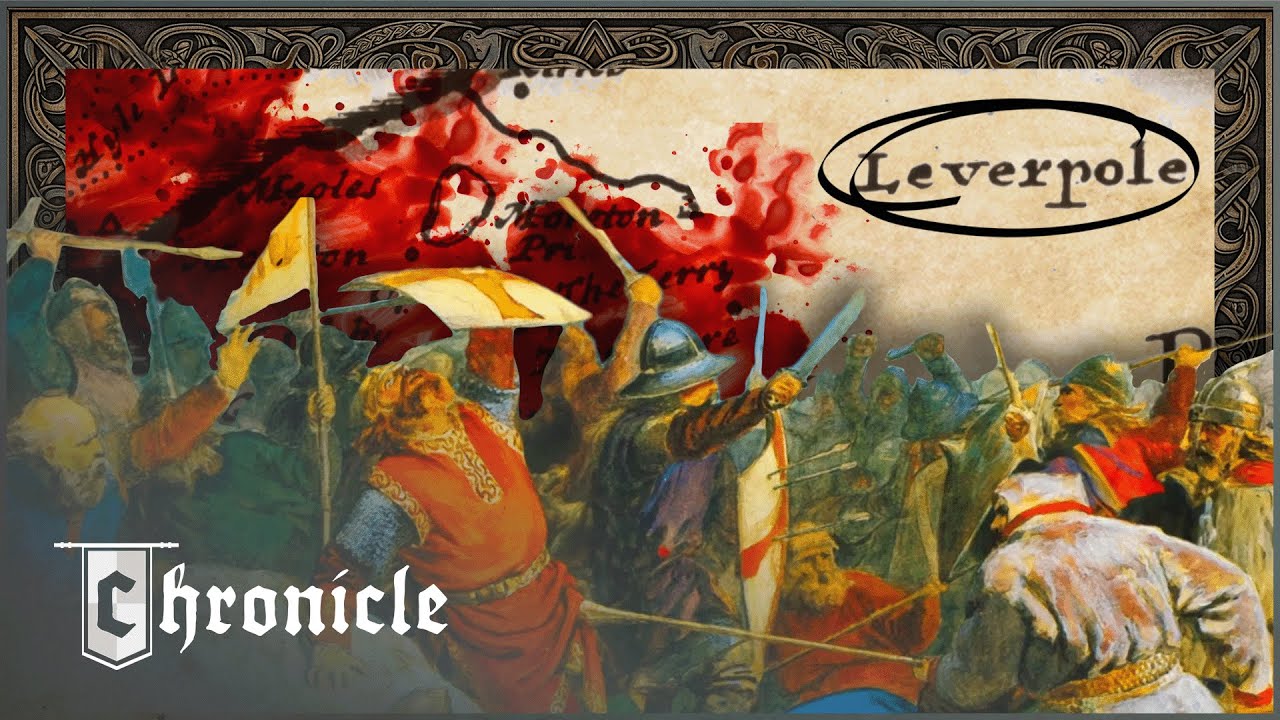
In Liverpool, archaeologists reveal new evidence of a significant Viking battle site and a buried ship beneath a pub while a replica longship faces challenges at sea.
This episode reveals the shocking crimes of Dr. Harold Shipman and other chilling cases in Britain.
Emperor Frederick II, known as Stupor Mundi, challenged the Vatican's authority in 13th-century Europe while Dante Alighieri crafted the Divine Comedy amidst political turmoil.
Recent excavations in England and France reveal that Roman soldiers led ordinary lives, challenging the perception of them as legendary warriors.
William the Conqueror's rise from a precarious childhood in Normandy to launching the 1066 invasion of England is explored by Dr Eleanor Janega.
Peter Cain, a British historian known for his critiques of imperialism, provides essential historical insights on the City of London in an unused interview for The Spider's Web.
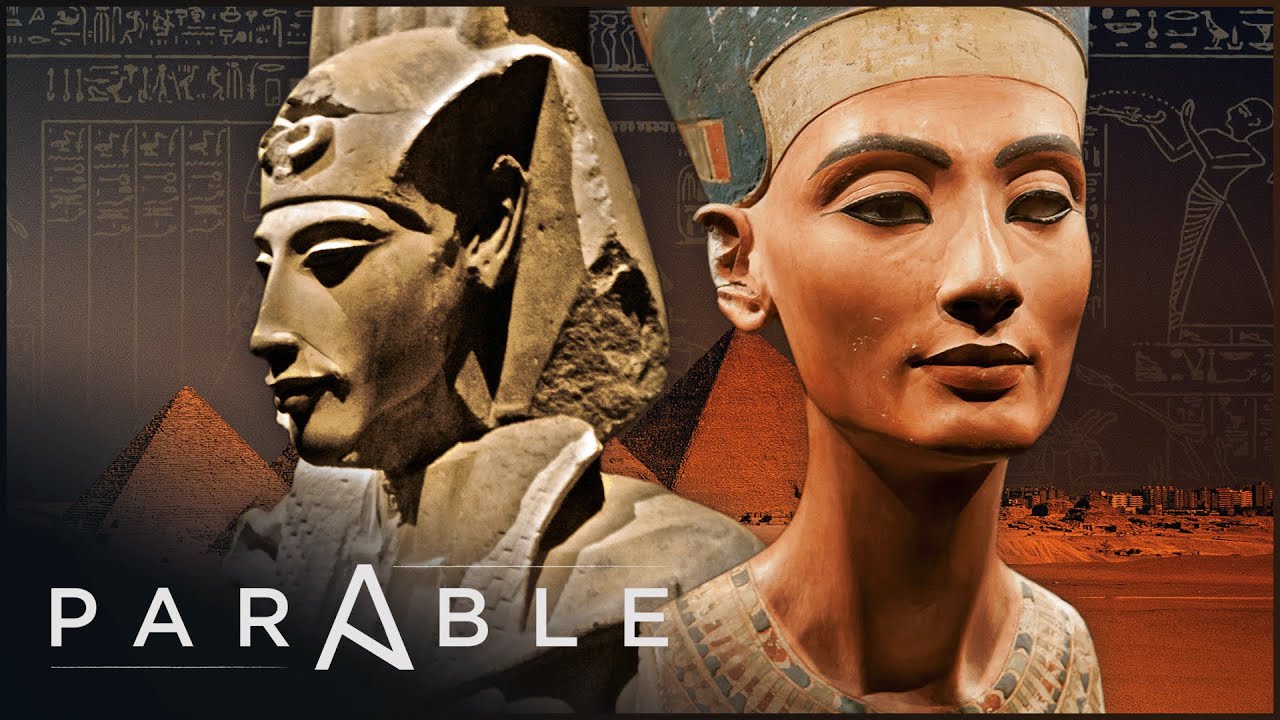
Pharaoh Akhenaten's reign in ancient Egypt, alongside Queen Nefertiti, raises questions about his leadership and the influence of his queen on the kingdom's fate.